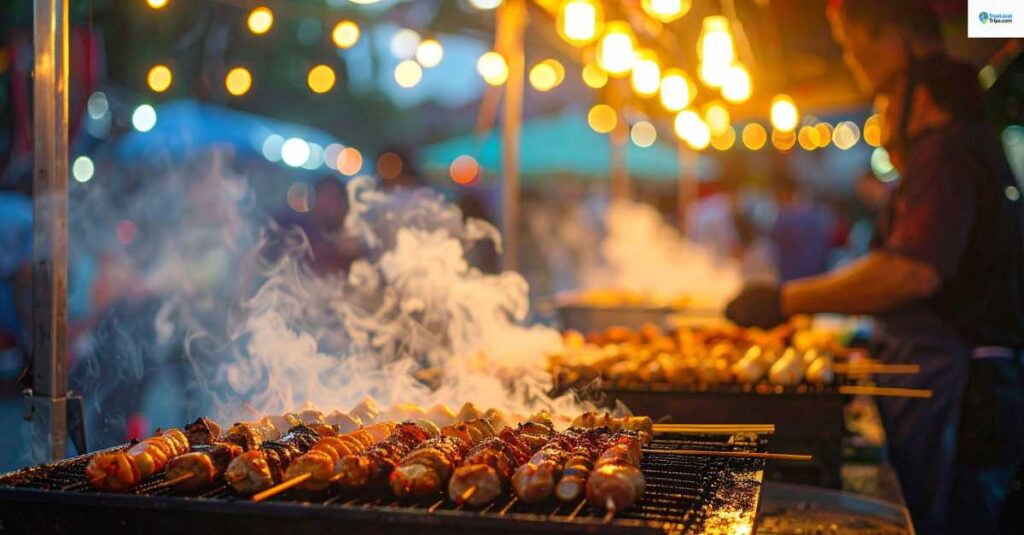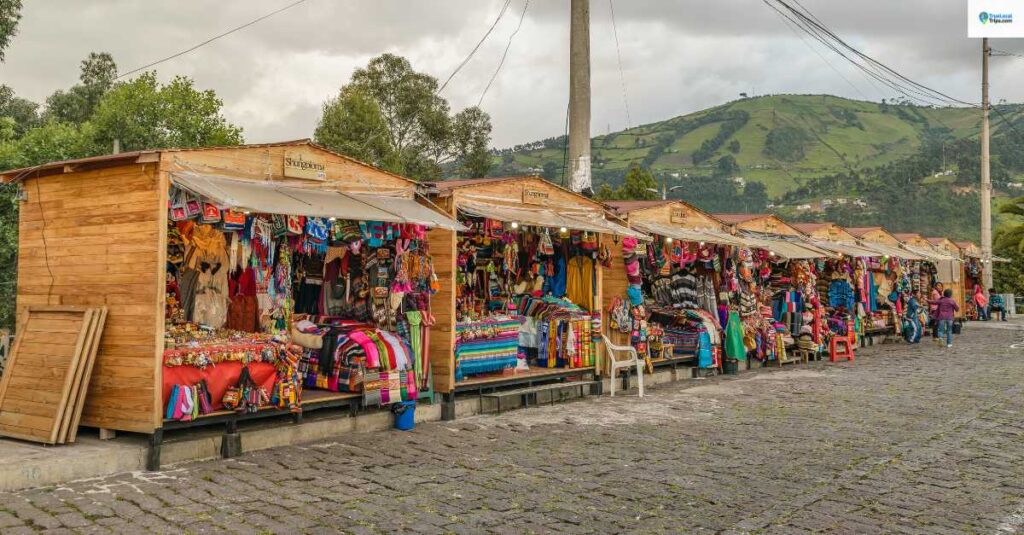
You haven’t really experienced Indonesia until you’ve eaten the local way. Sitting in a small warung with the smell of sambal in the air, hearing people laugh over their lunch, and pointing to dishes you can’t pronounce — that’s where the heart of Indonesian food lives. But if it’s your first time, it can feel confusing. How do you order at a warung? When do you pay? What’s polite to say, and what’s not?
Learning how to order food in Indonesia is easier than it seems once you understand a few key phrases and habits. Locals appreciate when travelers make even a small effort — it shows respect and opens doors to warmer smiles, better prices, and sometimes, extra portions. From simple rice-and-veggie warungs to busy mall food courts and colorful morning markets, every place has its own rhythm.
This guide will help you eat like a local — confidently, respectfully, and with a happy stomach. You’ll learn how to order step-by-step, how to use simple Bahasa Indonesia phrases, what to expect at traditional food stalls, and how to handle dietary requests or bargaining politely. By the end, you’ll know exactly what to do the next time you walk into a warung or market stall — no guesswork, no awkwardness, just good food and good vibes.

The 3 Places You’ll Eat Most — Warungs, Food Courts, and Traditional Markets
When you travel around Indonesia, you’ll notice that eating isn’t just about food — it’s a social experience. Locals rarely eat alone, and meals are often shared, talked over, and enjoyed slowly. As a visitor learning how to order food in Indonesia, you’ll probably find yourself eating in three main places: warungs, food courts, and traditional markets. Each one has its own system, payment flow, and etiquette — once you understand these, you’ll feel right at home.
1. Warungs — The True Local Dining Experience
A warung is a small family-run eatery, usually open to the street. Think of it as Indonesia’s version of a local café, but more personal. You’ll see them everywhere — near beaches, temples, schools, and even tucked into alleyways.
When you walk into a warung, the first thing you’ll notice is the display case of dishes — usually rice, fried tempeh, vegetables, chicken, fish, eggs, and sambal. This is called nasi campur (mixed rice). The typical way to order is to point at what you want, and the owner will plate it for you. If you want to sound local, say:
“Saya mau ini, dan ini.” (I’d like this one, and this one.)
Most warungs let you pay after you eat — not before. Just say “Sudah, mau bayar” (I’m done, I’d like to pay) when finished. Prices are affordable — usually IDR 15,000–40,000 depending on your choices.
Warung etiquette tips:
- Smile and greet the owner (“Selamat siang” – Good afternoon).
- Don’t rush — Indonesians eat at a relaxed pace.
- If you’re not sure what a dish is, politely ask “Apa ini?” (What’s this?)
- Bring small cash; many warungs don’t have change for large bills.
2. Food Courts — Simple and Organized
In modern malls, airports, and train stations, you’ll find food courts (pujasera or kantin). These are cleaner, air-conditioned, and often have dozens of stalls serving Indonesian and Asian dishes. The system here is more structured.
- You’ll usually order at the stall, get a receipt number, then pay at a central counter or via prepaid card.
- Some newer food courts use QR codes or self-ordering kiosks (especially in Jakarta and Surabaya).
- Find a table while your food is prepared — attendants will bring it to you.
Return your tray when done; it’s seen as respectful and keeps the space tidy. Most food court meals range from IDR 30,000–70,000 depending on the dish.
Food court etiquette tips:
- Be patient during lunch rush — locals queue politely.
- Keep your voice low; loud conversations stand out.
- Always say “Terima kasih” (Thank you) when your meal arrives.
3. Traditional Markets — Authentic, Colorful, and Fun
If you want to see Indonesia’s food culture in full color, visit a morning market (pasar tradisional). Here, food isn’t just bought — it’s shared, tasted, and talked about. You’ll find snacks, fried treats (gorengan), fresh fruit, rice cakes, and coffee stalls all packed into narrow lanes.
At these markets, some items have fixed prices, while others are negotiable. It’s common to bargain a little, but do it with a smile. Try saying:
“Boleh kurang sedikit?” (Can it be a little cheaper?)
Most locals will appreciate your effort, even if they don’t lower the price much.
Market etiquette tips:
- Greet first — “Pagi, Bu!” (Good morning, ma’am!) goes a long way.
- Never touch food without asking.
- Avoid blocking pathways while taking photos.
- Have small cash ready — most vendors don’t use QR or cards.
Once you understand these three dining settings, eating in Indonesia becomes easy and enjoyable. You’ll know where to order, when to pay, and how to connect naturally with locals.
Essential Phrases — How to Order and Speak Naturally Like a Local
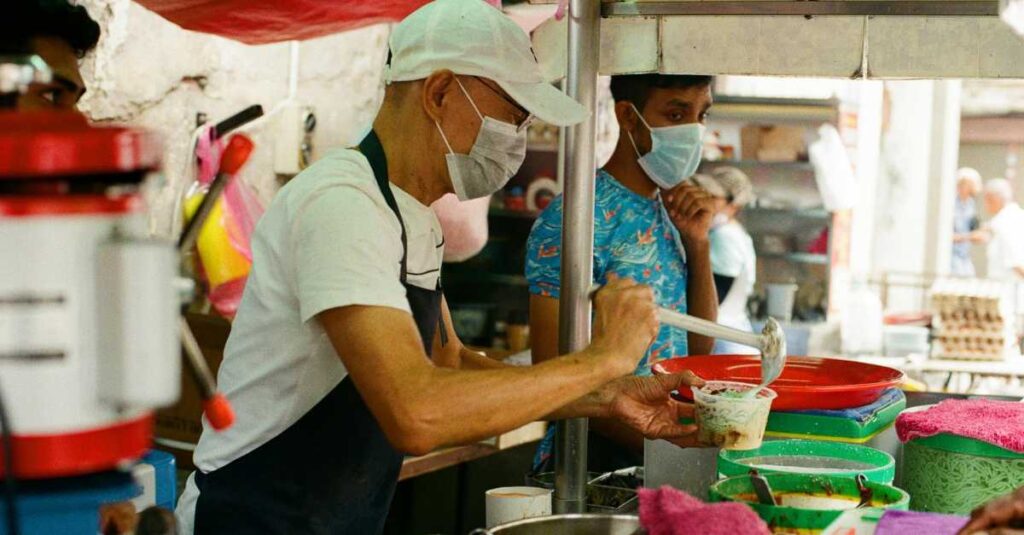
Knowing a few basic Indonesian words can completely change your dining experience. Locals love it when travelers try to speak their language, even if it’s just a few phrases. It shows effort and respect, and it often leads to friendlier service, lighter smiles, and sometimes even bigger food portions. When learning how to order food in Indonesia, mastering these simple words and sentences will make you feel instantly more comfortable at any warung, food court, or market stall.
1. Basic Ordering Phrases
When you’re ready to order, start with these phrases — they’re polite, natural, and easy to say:
- “Saya mau pesan…” → I’d like to order…
- “Saya mau ini dan ini.” → I want this and this. (Use while pointing to dishes at a warung.)
- “Untuk satu orang.” → For one person.
- “Makan sini atau bungkus?” → Eat here or take away? (You’ll often be asked this.)
- Makan sini = Eat here
- Bungkus = Take away
- “Satu nasi goreng dan satu teh manis.” → One fried rice and one sweet tea.
Always speak slowly, smile, and make gentle eye contact. Locals will instantly recognize you’re a visitor and help you through the process.
2. Adjusting Flavor and Spice
Indonesian food can be spicy — sometimes surprisingly so. If you can’t handle chili, make sure to say it early:
- “Tidak pedas.” → Not spicy.
- “Sedikit pedas.” → A little spicy.
- “Pedas tapi enak.” → Spicy but delicious! (Locals love hearing this.)
If you have food allergies or dietary restrictions, keep it simple:
- “Tanpa kacang.” → No peanuts.
- “Tanpa udang.” → No shrimp.
- “Tanpa terasi.” → No shrimp paste. (Important for vegetarians and vegans.)
3. Polite Words You’ll Use Often
Politeness goes a long way in Indonesia — it’s part of the culture. Always add a soft tone and smile when speaking:
- “Tolong.” → Please.
- “Terima kasih.” → Thank you.
- “Permisi.” → Excuse me.
- “Maaf.” → Sorry / Excuse me (when squeezing through a crowd or correcting something).
- “Berapa harganya?” → How much is it?
You’ll often hear locals use “ya” at the end of a sentence to sound friendly — feel free to mirror it, but softly:
“Terima kasih, ya.” (Thanks, okay?)
It’s friendly, informal, and warm — just the right tone for ordering food.
4. Useful Questions You Might Need
Here are phrases that help you ask simple but important questions when eating out:
- “Apa ini?” → What’s this?
- “Halal?” → Is it halal?
- “Ada menu vegetarian?” → Do you have vegetarian options?
- “Bisa tambah nasi?” → Can I have more rice?
- “Sudah termasuk minum?” → Does it include a drink?
Many small warungs and markets don’t have printed menus. Don’t worry — just point and ask. Indonesians are patient and used to helping visitors.
5. Paying and Wrapping Up
At the end of your meal, you’ll usually pay at the counter or call the owner over. Use these simple phrases:
- “Sudah, mau bayar.” → I’m done, I’d like to pay.
- “Berapa semuanya?” → How much in total?
- “Makasih, enak sekali!” → Thank you, it was very delicious!
Saying “enak sekali” (very delicious) never fails to make people smile — it’s the best compliment you can give in any Indonesian eatery.
Quick Pronunciation Tip
Bahasa Indonesia is pronounced exactly as written. Each letter has a clear sound, and words are short and rhythmic. Speak slowly, keep a soft tone, and smile — that’s the true secret to sounding polite and friendly.
Once you use these phrases naturally, you’ll notice how quickly people warm up to you. Locals might laugh softly — not at you, but with joy that you’re trying. Many will even start small conversations or recommend new dishes for you to try.
Dietary & Faith-Friendly Requests — Eating Confidently as a Vegetarian, Vegan, or Muslim Traveler
One of the best parts about learning how to order food in Indonesia is realizing how adaptable the cuisine is. Whether you’re vegetarian, vegan, or following halal guidelines, you’ll find plenty of delicious options — you just need to know how to ask clearly and respectfully.
1. For Vegetarians and Vegans
Indonesian food uses lots of vegetables, tofu (tahu), and tempeh (fermented soybeans). Many local dishes can easily be made meat-free, but you’ll need to be specific, because sauces often contain hidden animal ingredients.
Here’s how to order safely:
- “Tanpa daging.” → Without meat.
- “Tanpa ayam.” → Without chicken.
- “Tanpa ikan.” → Without fish.
- “Tanpa telur.” → Without egg.
- “Tanpa terasi.” → No shrimp paste (important for strict vegetarians and vegans).
- “Tanpa santan.” → Without coconut milk (if avoiding rich or creamy sauces).
Vegetarian-friendly dishes to look for:
- Gado-Gado — steamed vegetables with peanut sauce (say “tanpa telur” if you don’t eat eggs).
- Tahu/Tempe Goreng — fried tofu or tempeh.
- Sayur Asem — light tamarind vegetable soup.
- Nasi Campur Vegetarian — mixed rice with plant-based sides (check for terasi or shrimp paste).
2. For Halal Travelers
Most of Indonesia — especially outside Bali — follows halal dietary rules, meaning no pork or alcohol in food preparation. In Muslim-majority regions like Java, Sumatra, and Lombok, halal food is everywhere and clearly labeled.
However, in Bali, which is Hindu-majority, some dishes may include pork (babi) or be cooked with utensils that touch non-halal ingredients. To stay safe, just ask:
- “Halal?” → Is it halal?
- “Tidak babi, ya?” → No pork, okay?
Signs to look for:
- “Halal” logos or certificates displayed at the front of restaurants.
- “Warung Muslim” — Muslim-owned eateries that always serve halal food.
- In non-halal areas, seafood and vegetarian dishes are reliable options.
If you’re unsure, politely ask before ordering. Indonesians respect religious dietary choices and will answer honestly.
3. Allergies and Health Preferences
Food allergies aren’t very common in Indonesia, so always make them clear. Use short, direct phrases:
- “Alergi kacang.” → I’m allergic to peanuts.
- “Alergi udang.” → I’m allergic to shrimp.
- “Alergi susu.” → I’m allergic to milk.
If you have strong allergies, it’s wise to write them down in Bahasa Indonesia or show a printed card to the vendor. Locals appreciate clarity and will often double-check the ingredients for you.
4. Religious and Cultural Sensitivity
Indonesian people deeply respect faith-based food practices. If you’re fasting, vegetarian for religious reasons, or observing certain dietary customs, mentioning it politely can earn genuine respect. For example, you can say:
- “Saya tidak makan daging karena agama.” → I don’t eat meat for religious reasons.
When traveling during Ramadan, be mindful that some restaurants close during daylight hours in Muslim regions. In tourist areas, however, you’ll still find many places open and respectful of all travelers.
In short, being clear, polite, and friendly goes a long way. Locals will often go out of their way to accommodate your needs once they understand your situation — that’s the beauty of Indonesian hospitality.
Warung Flow — How to Order, Eat, and Pay Like a Local
If there’s one place that defines the true Indonesian food experience, it’s the warung. These humble family-run eateries are where locals gather every day for comfort food, conversation, and that unmistakable homemade flavor. Understanding how a warung works is one of the most important parts of learning how to order food in Indonesia — and once you get the rhythm, you’ll never feel out of place again.
1. Arriving at the Warung
When you walk into a warung, you’ll usually be greeted with a warm smile and a casual “Makan, ya?” (Eating, yeah?). You can simply reply with a smile and say “Ya, makan sini” (Yes, eat here). Most warungs have a display case of ready-made dishes at the front, and a few tables where people eat inside or along the street.
Take a moment to look at the dishes — they’re usually arranged beautifully, from fried chicken to stir-fried vegetables and sambal in small bowls. You don’t need to know the names of everything; just point at what looks good.
Say something like:
“Saya mau ini, ini, dan ini.” (I’d like this, this, and this.)
The server will scoop the dishes onto a plate of rice (nasi campur) — a mix of rice and various side dishes — and you’re good to go.
2. Choosing and Ordering
In most warungs, you order visually. There’s no printed menu, and that’s part of the charm. If you’re unsure about a dish, politely ask:
“Apa ini?” (What’s this?)
Locals are happy to explain, sometimes even offering you a taste. If you prefer your food mild, remind them “Tidak pedas, ya” (Not spicy, okay?).
Typical warung food includes:
- Fried tempeh and tofu (tempe goreng, tahu goreng)
- Grilled chicken (ayam bakar)
- Vegetables in coconut sauce (sayur lodeh)
- Spicy sambal condiments
- Fried noodles (mie goreng) or rice (nasi goreng)
A full plate usually costs between IDR 15,000 and 35,000 — about one to two US dollars — depending on what you choose.
3. Eating and Etiquette
Once your plate is ready, find a seat and enjoy. Locals often eat with a spoon and fork (spoon in right hand, fork in left), or sometimes with their hands — especially for rice-based dishes. If you want to try eating by hand, it’s fine! Just use your right hand only, and wash before and after. Most warungs have a small water basin or a jug for this purpose.
Don’t rush your meal. Indonesians enjoy chatting and taking their time. It’s perfectly normal to linger a little while after finishing your food, especially if you order tea or coffee afterward.
Warung etiquette tips:
- Always smile at the staff and other customers — friendliness is part of the experience.
- Don’t complain loudly if something isn’t what you expected; locals value calmness.
- Avoid wasting food — take small portions first, and order more if needed.
- If you take photos, ask first. Some owners are proud to show off their food; others prefer privacy.
4. Paying and Leaving
At most warungs, you pay after eating. When you’re done, make eye contact with the owner and say:
“Sudah, mau bayar.” (I’m done, I’d like to pay.)
They’ll glance at your plate, mentally total it, and tell you the price. You can then pay in cash — it’s polite to use small bills.
If the food was good, say:
“Enak sekali, Bu!” (So delicious, ma’am!)
That single phrase often leads to a big smile, a laugh, or even an extra snack on the house.
5. Bonus Tip: Warung Names and Meanings
You’ll see warungs everywhere with names like “Warung Makan Sederhana,” “Warung Bu Ani,” or “Warung Pak Hadi.”
- Bu = short for Ibu (Mrs. or Madam)
- Pak = short for Bapak (Mr.)
- Sederhana = simple or modest
So “Warung Bu Ani” literally means “Mrs. Ani’s Eatery.” The more local the name, the better the food usually is.
Eating at a warung is more than just filling your stomach — it’s an experience of community, kindness, and genuine culture. Once you eat at one, you’ll likely go back again and again.
Also Read: Street Food Indonesia: 25 Must-Try Dishes You’ll Love
Food Courts — Modern Dining with Local Flavor and New Ordering Systems
Food courts in Indonesia are where tradition meets modern comfort. They bring together the country’s love for food, social dining, and innovation in one lively, air-conditioned space. Whether you’re in a shopping mall, train station, or airport, knowing how food courts work is a big part of mastering how to order food in Indonesia — especially if you want something clean, quick, and organized.
1. How Food Courts Work in Indonesia
Most food courts (called pujasera or kantin) have multiple small stalls, each specializing in a different dish — from fried rice and noodles to Japanese, Korean, and Western food. You’ll usually see colorful menus with pictures, making it easier for travelers to choose even if they don’t speak Bahasa Indonesia.
Here’s the basic flow:
- Walk around and look at the options.
- Choose a stall you like and place your order.
- You’ll either pay at the stall, get a receipt, or pay at a central counter — depending on the system.
- Once you pay, find a table.
- A server or staff member will call your number or bring the food to your table.
Some modern food courts use cashless systems — like prepaid cards, QR codes, or mobile apps such as GoPay, OVO, or DANA. In smaller towns, though, cash is still king.
Food court meals usually cost between IDR 30,000–70,000 (around USD 2–4), depending on the dish and location.
2. Ordering Tips for Travelers
To order confidently, follow these simple steps:
- Look at the pictures or ask, “Ada menu bahasa Inggris?” (Do you have an English menu?)
- Point to the photo or say the dish name clearly.
- Ask, “Makan sini atau bungkus?” (Eat here or take away?)
- If they give you a number or receipt, keep it safe — you’ll need it when they deliver your order.
If you want to sound polite and natural, say:
“Tolong satu nasi goreng ayam, ya.” (One fried rice with chicken, please.)
Then finish with a smile and “Terima kasih.”
3. How Payments Work (Prepaid & QR Systems)
Food courts in big cities like Jakarta, Bandung, and Surabaya are going digital fast. Here are the main payment types you might find:
- Cash payments: Still common in smaller malls or rest areas.
- Prepaid food court cards: You buy or top-up a card at the counter, use it at stalls, then return it for leftover balance.
- QR code payments: You scan a code using your mobile wallet app.
- Mixed systems: Some places accept both cash and cashless methods.
If you’re new to these systems, don’t worry — there are usually friendly attendants to help you through it.
4. Food Court Etiquette
Even though food courts are casual, there are a few unspoken rules locals follow:
- Clean up after eating. Always return your tray or plate to the collection point.
- Don’t reserve seats with bags. It’s considered rude if the court is busy.
- Respect the noise level. Keep conversations polite and relaxed.
- Don’t rush staff. Food courts can get crowded during lunch hours (12–1:30 p.m.).
If you want to sound extra polite when asking for help, try saying:
“Permisi, saya baru pertama kali di sini.” (Excuse me, it’s my first time here.)
Most people will gladly explain how things work — Indonesians love helping friendly visitors.
5. Why Locals Love Food Courts
Food courts are popular because they offer something for everyone — local food, international options, and a cool place to sit and relax. Families often come to spend time together, friends hang out after shopping, and office workers grab quick lunches here. You’ll feel the lively energy everywhere — the sizzling woks, people laughing, and the smell of sambal mixing with coffee and fried noodles.
Once you get used to ordering at food courts, you’ll realize it’s one of the easiest and most enjoyable ways to explore Indonesian food — with no language stress and plenty of comfort.
Traditional Market Etiquette — Bargaining, Tasting, and Respecting Local Culture
If you want to see the heart of Indonesian life, go to a traditional market (pasar tradisional). These places are more than just food stalls — they’re living, breathing snapshots of daily culture. You’ll find bright piles of fruit, the smell of fried snacks, the sound of sellers calling out prices, and locals laughing while bargaining over a bunch of bananas. Learning how to order food in Indonesia wouldn’t be complete without mastering how to behave and communicate in these lively markets.
1. Understanding the Market Atmosphere
Traditional markets usually open early, sometimes before sunrise, and are busiest between 6:00 and 10:00 a.m. You’ll see small food stalls selling breakfast, women carrying woven baskets, and vendors calling out friendly greetings to passersby.
Markets are divided into sections — produce, spices, meat, snacks, ready-to-eat food, and household goods. The food sections are where you can find local treats like:
- Nasi bungkus (rice wrapped in banana leaves)
- Lontong sayur (rice cakes with curry-like soup)
- Jajan pasar (colorful traditional sweets)
- Gorengan (fried snacks like tempeh, tofu, or bananas)
The charm of a market is in the human connection — people talk, smile, and laugh even during transactions.
2. How to Order and Pay
At food stalls, just point and say what you’d like, just like in a warung. Vendors love when you try to speak a few Bahasa words. You can say:
“Saya mau beli satu ini.” (I’d like to buy one of this.)
“Berapa harganya?” (How much is it?)
If you’re buying fruit or snacks, the vendor might use a small scale (timbangan). Prices are usually fair, but tourists can sometimes be quoted a little higher. If you feel the price is high, it’s okay to bargain — just do it politely and with a smile.
Try these gentle bargaining phrases:
- “Boleh kurang sedikit?” → Can it be a little cheaper?
- “Diskon sedikit, ya?” → A small discount, okay?
- “Kalau ambil dua, bisa kurang?” → If I take two, can it be cheaper?
Always stay friendly and respectful. Bargaining is seen as a conversation, not a battle. If the seller says no, just smile and say “Terima kasih” (thank you) — you can always walk away.
3. Etiquette and Respect
Traditional markets are community spaces, so small acts of politeness make a big difference. Here are a few tips that locals appreciate:
- Greet before buying. A simple “Pagi, Bu!” (Good morning, ma’am!) sets a friendly tone.
- Never touch food without asking. Vendors are protective of their goods.
- Avoid blocking pathways. Markets can be narrow and busy — step aside if you stop to take photos.
- Don’t bargain for food you’ve already eaten. Always agree on the price first.
- Keep small cash ready. Many vendors don’t have change for large bills.
If you take photos, always ask first:
“Boleh foto?” (Can I take a photo?)
Some sellers are proud to be photographed, especially if you buy something first. A small purchase or tip afterward is a kind gesture.
4. Hygiene and Food Safety
Markets are authentic but not always spotless. If you’re trying ready-to-eat food:
- Choose stalls where locals are eating — it’s a good sign.
- Avoid food that’s been sitting too long in the open sun.
- Use bottled water or wipes before eating.
- If you’re sensitive to spice or oil, eat small portions first.
Remember, these markets are where Indonesians have eaten for generations — so don’t be afraid to try! You’ll find some of the freshest, tastiest food here.
5. What You’ll Gain from the Experience
Visiting traditional markets gives you something no restaurant can — a glimpse into real life. You’ll connect with locals, learn about regional dishes, and understand the warmth behind Indonesian hospitality. Sellers might offer you extra samples, share jokes, or teach you the names of ingredients. It’s an experience filled with laughter, color, and humanity.
Once you get the hang of it, you’ll realize that a few words and a friendly smile are all it takes to feel at home in any Indonesian market.
Photography & Respect — Capturing Food Moments Without Offending Locals
Indonesia is a paradise for food photography. From colorful spices in markets to sizzling satay skewers and the rich glow of nasi goreng under warm lights, every corner seems made for your camera. But capturing these moments comes with one golden rule — respect. Understanding local manners while taking photos is an important part of learning how to order food in Indonesia and connecting meaningfully with the people behind the dishes.
1. Always Ask Before Taking Photos
In Indonesia, politeness is everything. Even though people are generally friendly, taking photos of someone or their food stall without asking can feel intrusive. Before snapping a picture, make eye contact and say:
“Boleh foto?” (Can I take a photo?)
If they smile, nod, or say “Boleh,” go ahead. Sometimes they might pose proudly with their dishes or invite you behind the counter for a better angle. Other times, they might shake their head or wave gently — if that happens, respect their privacy and move on with a smile.
2. Be Mindful of Busy Hours and Queues
Warungs and markets can get crowded, especially during breakfast and lunch. Avoid blocking counters or lines just to get the perfect shot. Take your photo quickly and step aside so others can order. Locals will appreciate your awareness and courtesy.
If you want to take a picture of the food before eating, do it quietly and quickly — most people won’t mind as long as you’re not holding up the flow.
3. Focus on Stories, Not Just Shots
The best food photos in Indonesia aren’t just about the food — they tell a story. Try capturing the warmth of a vendor handing over your meal, the sizzling pan, or the smile after your first bite. These small, honest moments make your photos more meaningful and memorable.
You can also ask if you can take a short video or selfie with the vendor after buying something. Many locals love it when travelers share their experience online and often ask where they can see the photo later.
4. Cultural Sensitivity with People and Places
Be extra mindful in markets near temples or religious areas. Some places, especially in Bali and Yogyakarta, might have restrictions on photography during ceremonies or prayer times. If unsure, just ask or observe what locals are doing.
Also, avoid photographing people eating without permission. Dining is a relaxed and personal time, and while Indonesians are very hospitable, it’s good manners to respect that privacy.
5. Show Gratitude and Share Positively
If someone lets you photograph them, a small thank-you goes a long way. Say:
“Terima kasih, ya! Cantik sekali fotonya.” (Thank you! The photo looks beautiful.)
And if you post your pictures on social media, tag the warung or mention its name if you can. It’s a kind way to give back — many small eateries love being featured by visitors.
6. Bonus Tip: Be Present
It’s easy to get caught up taking pictures, but don’t forget to put your phone down and enjoy the food. Indonesians value connection over perfection — they’ll notice when you’re fully in the moment. Sometimes the best memory isn’t in your camera, but in the conversations you have while waiting for your meal.
So take your shots with kindness, eat with appreciation, and you’ll walk away not just with great photos, but with genuine connections too.
1-Day “Eat Like a Local” Plan — Experience a Full Day of Indonesian Food Adventures
Now that you know how to order food in Indonesia and the local etiquette that comes with it, it’s time to put it all together. This simple one-day plan shows you exactly how to eat like a local from morning to night — at markets, warungs, and food courts — just like Indonesians do. Whether you’re in Bali, Yogyakarta, or Jakarta, you can easily follow this rhythm anywhere in the country.
🌅 Morning — Breakfast at a Traditional Market (6:00–9:00 a.m.)
Start your day the Indonesian way — early and surrounded by the energy of a local market. Head to a pasar tradisional (traditional market) like Pasar Ubud in Bali or Beringharjo Market in Yogyakarta.
Here’s what to do:
- Greet vendors with a friendly “Pagi, Bu!” (Good morning, ma’am!).
- Walk through the food section and try simple breakfast dishes like:
- Nasi bungkus (rice with vegetables, tempeh, and sambal, wrapped in banana leaves)
- Lontong sayur (rice cakes in coconut soup)
- Bubur ayam (savory chicken porridge with soy sauce and crispy toppings)
- Jajan pasar (colorful sweet cakes)
- Order using your new phrases:
- “Saya mau satu ini, ya.” (I’d like one of this, please.)
- “Tidak pedas.” (Not spicy.)
- Eat at one of the small benches near the stall or take your food bungkus (to go).
Take your time. Morning markets are full of life — laughter, smells, and color. It’s not just breakfast; it’s a cultural experience.
☀️ Afternoon — Lunch at a Warung (12:00–2:00 p.m.)
By lunchtime, the local warungs are buzzing. Pick one that’s busy with locals (always a good sign) and take a look at the display case of dishes.
Here’s a simple step-by-step:
- Walk up to the counter and point at what looks good.
- Say: “Saya mau nasi, ayam bakar, dan sayur lodeh.” (I’d like rice, grilled chicken, and vegetables in coconut sauce.)
- Ask “Makan sini atau bungkus?” (Eat here or take away?).
- Find a seat and enjoy your meal slowly — locals rarely rush lunch.
For drinks, try es teh manis (sweet iced tea) or es jeruk (fresh orange juice). If the owner chats with you, don’t be shy — they often love asking where you’re from and recommending other places to eat nearby.
When you’re done, say:
“Sudah, mau bayar.” (I’m done, I’d like to pay.)
Then finish with a compliment:
“Enak sekali, Bu!” (So delicious, ma’am!)
This little phrase alone often makes locals beam with pride.
🌇 Evening — Dinner at a Food Court (6:00–8:00 p.m.)
End your day with a comfortable and modern meal at a mall or airport food court, especially if you’re in a big city. Look for well-known local favorites like:
- Bakso (meatball soup)
- Mie ayam (chicken noodles)
- Soto Betawi (Jakarta-style beef soup)
- Nasi goreng kampung (village-style fried rice)
Here’s how to handle it like a pro:
- Walk around and look at the options.
- Order confidently using “Tolong satu nasi goreng ayam, ya.” (One fried rice with chicken, please.)
- Pay at the stall or central counter — some use prepaid cards or QR codes.
- Sit, relax, and enjoy the variety around you.
After dinner, stroll around the mall or grab dessert — maybe es teler (fruit and coconut ice dessert) or martabak manis (sweet pancake).
🌙 Late-Night Snack — Street Food Adventure (8:30–10:00 p.m.)
If you still have energy, join locals at a night market (pasar malam) or roadside stalls (angkringan). Try:
- Sate ayam (chicken satay with peanut sauce)
- Nasi kucing (small rice packets with sambal and anchovies)
- Teh hangat (hot tea) or kopi tubruk (traditional strong coffee)
Sit on the low wooden benches, chat with locals, and soak up the evening atmosphere. This is where Indonesia feels most alive — relaxed, social, and welcoming.
By the end of the day, you’ll realize eating like a local isn’t just about food — it’s about people, stories, and connection. Every plate you try comes with a smile and a new word learned.
FAQs — Common Questions Travelers Ask About Ordering Food in Indonesia
Even after learning the basics of how to order food in Indonesia, most travelers still have a few common questions — especially about etiquette, payment, and communication. Here are the answers to the most frequently asked questions to make your dining experience even smoother and stress-free.
1. Is it okay to bargain for food prices in Indonesia?
Not usually. In warungs, food courts, and restaurants, prices are fixed. Bargaining is more common in traditional markets when buying fruit, snacks, or souvenirs. If you’re unsure, just ask politely — “Harga pas?” (Fixed price?)
2. Can I use credit cards at warungs or food stalls?
Most small warungs and market vendors only accept cash. Large restaurants and modern food courts in cities often accept cards or mobile payments like GoPay, OVO, or DANA. Always carry small cash, especially in rural areas or islands.
3. How do I know if a place is halal?
Look for signs that say “Halal” or “Warung Muslim.” If there’s no sign, just ask “Halal?” politely. In Muslim-majority regions, nearly all food is halal. In Bali or tourist zones, check before ordering — seafood and vegetarian meals are safe options if you’re unsure.
4. Can I eat with my hands?
Yes, especially for rice-based dishes like nasi campur or nasi padang. Just use your right hand only, and wash before and after eating. Many warungs have a small sink or water jug for this purpose. If you prefer utensils, that’s totally fine — just ask for a spoon and fork (“Sendok dan garpu”).
5. How spicy is Indonesian food?
It depends on the dish and region. Some dishes are mild, while others can be fiery hot. If you’re sensitive to spice, say “Tidak pedas” (not spicy) or “Sedikit pedas” (a little spicy) when ordering. Locals appreciate your honesty — and will usually adjust it for you.
6. How do I handle food allergies?
Always be direct and clear. Say:
- “Alergi kacang.” (I’m allergic to peanuts.)
- “Alergi udang.” (I’m allergic to shrimp.)
If possible, write it down on paper or your phone in Bahasa Indonesia. People are kind and cautious when they understand your situation.
7. Do I need to tip at warungs or food courts?
Tipping isn’t mandatory, but it’s appreciated. Locals often leave small change (IDR 5,000–10,000) or simply say “Terima kasih, enak sekali!” (Thank you, it was very delicious!). At higher-end restaurants, a 5–10% service charge is usually already included.
8. Is it rude to refuse food if offered?
Not at all. If you’re full or can’t eat something, just smile and say “Terima kasih, sudah kenyang.” (Thank you, I’m full.) Indonesians value politeness more than the act of eating itself.
9. What’s the best time to eat at a warung or market?
For the freshest food, visit in the morning (7–9 a.m.) for breakfast dishes and around noon (12–2 p.m.) for lunch. Many warungs close by late afternoon once their dishes sell out.
10. Is street food safe to eat?
Yes, in most places — especially where locals are eating. Always go for busy stalls, check that food is freshly cooked, and avoid anything that’s been sitting out too long. Carry hand wipes or sanitizer just in case.
With these FAQs, you’ll feel even more confident dining anywhere in Indonesia — from tiny roadside stalls to busy mall food courts. Each meal becomes not just a bite to eat, but a small cultural exchange filled with warmth, smiles, and new flavors.
Conclusion — Final Thoughts on Eating Like a Local in Indonesia
Learning how to order food in Indonesia isn’t just about memorizing phrases or knowing when to pay — it’s about understanding the spirit of Indonesian dining. Food here is community. It’s laughter, kindness, and the comfort of sharing something simple yet full of heart. Whether you’re sitting at a busy market stall, eating at a small warung, or ordering noodles at a food court, every meal tells a story of the people who made it.
You’ve now learned how to order confidently, use local phrases naturally, show respect while photographing food, and even bargain gently in traditional markets. You’ve discovered that “makan sini atau bungkus?” isn’t just a question — it’s an invitation into local life. You’ve also seen how small acts of politeness — a smile, a “Terima kasih,” or a kind word — can turn a meal into a memorable connection.
Indonesia’s food scene is full of surprises. From the spicy sambal at a Bali roadside stall to the sweet jajan pasar cakes in Yogyakarta, every dish is a new chance to learn and connect. Don’t be afraid to try something different, ask questions, or make mistakes — locals will appreciate your effort more than you realize.
So the next time you’re hungry in Indonesia, skip the fancy restaurants and step into a warung or market instead. Order with confidence, eat slowly, talk to people, and soak in the experience. That’s how you’ll truly taste Indonesia — not just with your mouth, but with your heart.
Selamat makan! (Enjoy your meal!)