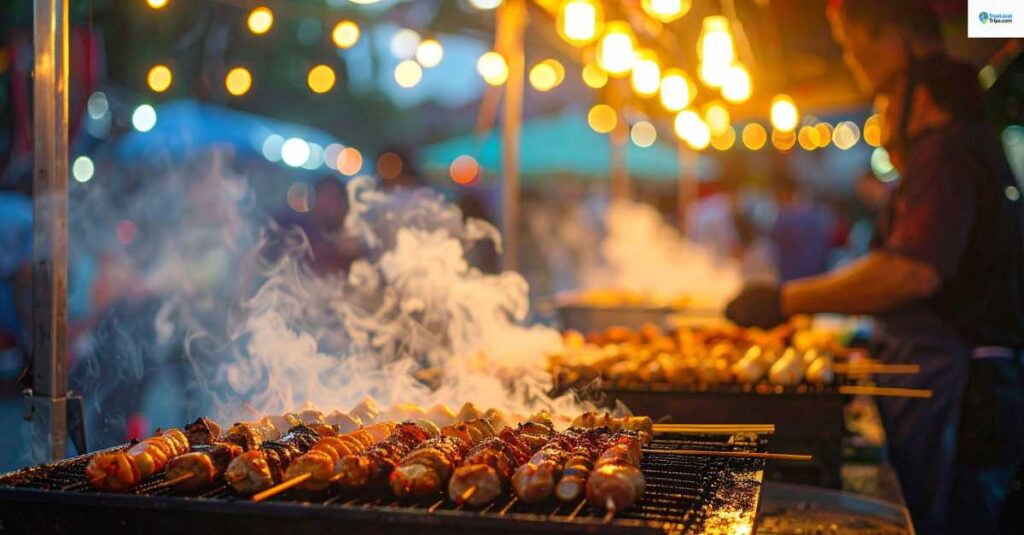
When the sun goes down in Java, the island wakes up. Stalls light up the streets, the air fills with the smell of grilled satay and sweet martabak, and families gather for what locals call pasar malam — the night market. It’s not just a place to eat; it’s where the heart of Indonesian nightlife truly beats.
Here, you can grab a steaming bowl of bakso for less than a dollar, watch street magicians entertain kids, or shop for handmade trinkets under strings of warm yellow lights. The mix of food, laughter, and live music creates a magical energy you won’t find in malls or restaurants.
In this guide, we’ll explore the best night markets in Java, from Yogyakarta’s iconic Malioboro Street to Surabaya’s famous culinary lanes. You’ll learn what to eat, what to buy, when to go, and how to enjoy it all like a local.
What Is a “Pasar Malam”?
If you’ve ever walked through one of the night markets Java is famous for, you’ll know it’s more than just a place to eat — it’s an experience that captures the island’s energy and warmth. The term pasar malam means “night market” in Indonesian, and it’s a beloved tradition across Java where food, family, and fun come together after sunset.
The Meaning and Origins of Pasar Malam
The pasar malam tradition dates back to the early days of Java’s trading culture. Merchants would open stalls in the evening to escape the tropical heat, selling snacks, crafts, and small goods by lantern light. Over the years, these evening markets became community gatherings — places where locals could eat, socialize, and celebrate.
In modern Java, the pasar malam is still deeply rooted in everyday life. It appears in cities big and small — from Yogyakarta to Semarang — often near busy squares, train stations, or school fields. The combination of sizzling food, colorful lights, and cheerful crowds gives every market a festive feel.
Why Pasar Malam Is Special in Java
Unlike daytime markets that focus on daily needs like vegetables or rice, pasar malam exists purely for joy and connection. It’s where friends meet after work, families eat together outdoors, and travelers discover authentic Indonesian street life. The sounds of street performers, laughter, and frying oil blend into one big, happy soundtrack of the night.
Every island in Indonesia has its own night markets, but Java’s night markets stand out for their variety, affordability, and cultural mix. You’ll find Javanese specialties, Chinese-Indonesian snacks, and even Dutch-inspired desserts — proof of the island’s layered history and love for good food.
A walk through a pasar malam shows the heart of Java better than any museum — lively, friendly, and always delicious.
Top 5 Night Markets in Java
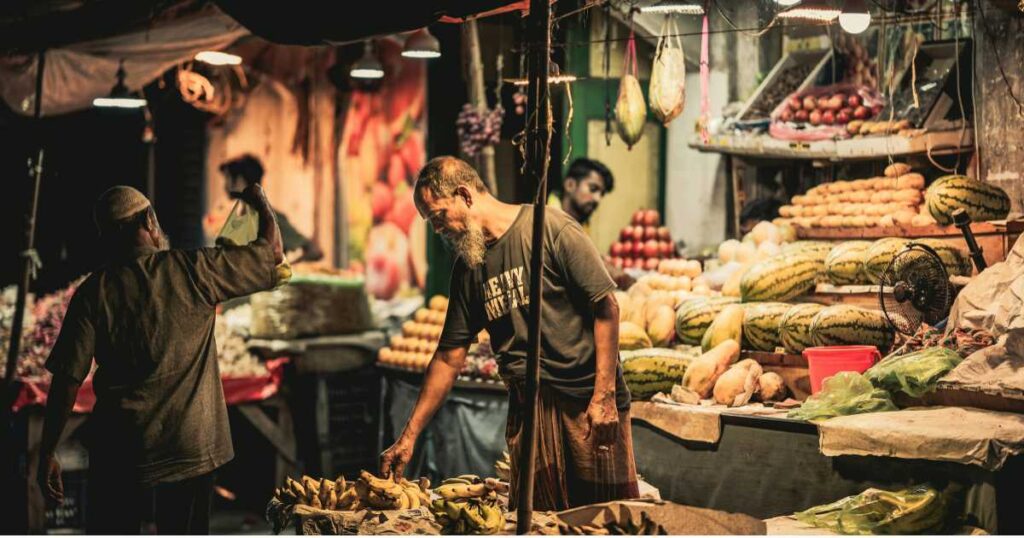
The best way to understand Javanese nightlife is to walk through its markets — where locals eat, laugh, and shop under glowing lights. Each night market in Java has its own flavor and charm, offering something for everyone — from traditional snacks to handmade crafts. Here are five of the most exciting ones you shouldn’t miss on your next trip.
1. Malioboro Night Market – Yogyakarta
If there’s one place that captures the energy of Java’s night markets, it’s Malioboro Street in Yogyakarta. As the sun sets, the sidewalks transform into a lively stretch of food stalls, souvenir shops, and buskers playing traditional music. The smell of satay ayam (chicken skewers) and gudeg (sweet jackfruit stew) fills the air while horse-drawn carriages pass by.
You can shop for batik, leather goods, and local crafts, or simply sit by the curb enjoying a bowl of es campur (shaved ice dessert). Malioboro’s night market is safe, well-lit, and perfect for families — it’s a cultural experience as much as a culinary one.
Local Tip: Go around 7 PM for the best street food and fewer crowds.
2. Alun-Alun Malang Night Market – East Java
Located around Malang’s city square (alun-alun), this market blends the feel of a festival with local street life. Children chase bubbles while vendors sell pisang goreng (fried bananas), bakso Malang (meatball soup), and tahu petis (tofu with fermented sauce).
At the edge of the square, you’ll find stalls selling clothes, shoes, and small toys — ideal if you’re visiting with kids. The whole area lights up beautifully at night, with the mosque in the background adding to the peaceful atmosphere.
Local Tip: Try angsle, a warm, sweet dessert soup that’s a Malang specialty.
3. Pasar Semawis – Semarang
Semarang’s Pasar Semawis is one of the most famous night markets in Central Java. Located in Chinatown, it’s open on weekends and is known for its incredible mix of flavors — Chinese, Javanese, and Peranakan (mixed heritage). Here, you can try everything from lumpia Semarang (spring rolls) to kue ku (red tortoise cakes) and grilled seafood.
The narrow streets are packed with stalls, and red lanterns hanging overhead give it a beautiful, festive look. It’s also a great place to try traditional snacks that are hard to find elsewhere in Java.
Local Tip: Come hungry and bring cash — most stalls don’t take cards.
4. Braga Street Market – Bandung
Braga Street, Bandung’s most iconic heritage area, turns into a vibrant night spot every weekend. Alongside vintage buildings, you’ll find pop-up markets selling crafts, accessories, and trendy local streetwear. It’s a great spot for evening walks, photography, and live music.
Don’t miss the local street food stalls nearby selling martabak manis (sweet pancake), sate maranggi (spiced beef skewers), and Bandung’s famous es durian (durian ice dessert). Braga Street Market is popular among young locals, giving it a fun, creative vibe that blends old and new Bandung perfectly.
Local Tip: Visit between 6–9 PM to enjoy both daylight and the neon night glow.
5. Surabaya Night Culinary Market – East Java
In Surabaya, the Night Culinary Market (Pasar Malam Surabaya) is the ultimate stop for food lovers. Located in G-Walk Citraland, this open-air food street is lined with over 100 stalls serving everything from grilled seafood to spicy noodles and desserts.
Families love it because of its clean seating areas, wide pathways, and variety of food — both halal and non-halal options. You’ll find famous Surabaya dishes like rawon (black beef soup) and rujak cingur (spicy fruit salad with beef snout).
Local Tip: Fridays and Saturdays are busiest, so visit on weekdays for shorter lines.
Each of these night markets in Java offers a different side of Indonesian life — vibrant, flavorful, and full of heart. Whether you’re traveling with family or friends, these markets promise unforgettable nights filled with color, taste, and local charm.
What to Eat at Java’s Night Markets

Food is the soul of every night market in Java. As you walk through rows of sizzling woks and steaming pots, you’ll smell sweet, spicy, and smoky aromas blending together. Every corner has something new — from crunchy street snacks to traditional desserts. Here are the must-try dishes that capture the real flavor of Java’s pasar malam.
1. Bakso (Indonesian Meatball Soup)
A true crowd favorite, bakso is made from minced beef served in a hot, savory broth with noodles, fried dumplings, and tofu. Vendors often push their carts while calling out “Baksooo!” — a sound every local knows. Add chili sauce and sweet soy to taste.
Best spot: Malioboro and Alun-Alun Malang night markets.
2. Martabak Manis (Sweet Pancake)
If you see a stall with a huge round pan and the smell of melted butter — stop there. That’s martabak manis, a thick pancake filled with chocolate, cheese, crushed peanuts, and condensed milk. Some vendors also make a savory version with eggs and scallions called martabak telur.
Best spot: Braga Street Market and Semawis, Semarang.
3. Satay (Sate Ayam or Sate Maranggi)
Grilled over open charcoal flames, satay skewers are smoky, juicy, and perfect for eating on the go. The chicken version (sate ayam) is served with peanut sauce, while sate maranggi from West Java uses spiced beef. Watch as vendors fan the fire — it’s a photo-worthy scene.
Best spot: Surabaya and Bandung night markets.
4. Pisang Goreng (Fried Banana)
Simple but addictive, pisang goreng is a crispy, sweet snack found at almost every market. Some stalls add toppings like honey, chocolate, or cheese. Pair it with kopi tubruk — strong local coffee — for the perfect night treat.
Best spot: Alun-Alun Malang and smaller town markets across Central Java.
5. Nasi Goreng (Fried Rice)
No list is complete without Indonesia’s most beloved dish — nasi goreng. It’s fried rice with egg, chili, shrimp paste, and soy sauce, often topped with fried shallots and crackers. Every vendor has their own secret recipe, so it’s worth trying it more than once.
Best spot: Surabaya Night Culinary Market and Malioboro Street.
6. Es Campur (Mixed Ice Dessert)
To cool off after all the spicy food, grab a cup of es campur — shaved ice topped with jelly, fruits, avocado, and syrup. It’s refreshing, colorful, and perfect for Java’s humid nights. Kids love it for the bright colors; adults love it for the taste.
Best spot: Pasar Semawis and Yogyakarta’s night markets.
7. Lontong Balap and Tahu Tek (Surabaya Classics)
If you’re in East Java, don’t miss lontong balap — rice cakes with fried tofu, sprouts, and spicy soy sauce. Another favorite, tahu tek, is tofu mixed with potatoes and peanut gravy. Both are cheap, hearty, and incredibly tasty.
Best spot: Surabaya and surrounding towns.
The joy of eating at a pasar malam isn’t just the food — it’s the energy. Vendors shout orders, friends share plates, and you eat with your hands while standing under string lights. Every bite feels alive with flavor and community.
What to Buy at Java’s Night Markets
Shopping at night markets in Java is just as exciting as the food. Between the aroma of grilled satay and the hum of live music, you’ll find vendors selling everything from handmade crafts to trendy clothes. Prices are friendly, bargaining is part of the fun, and every purchase tells a local story.
1. Handicrafts and Souvenirs
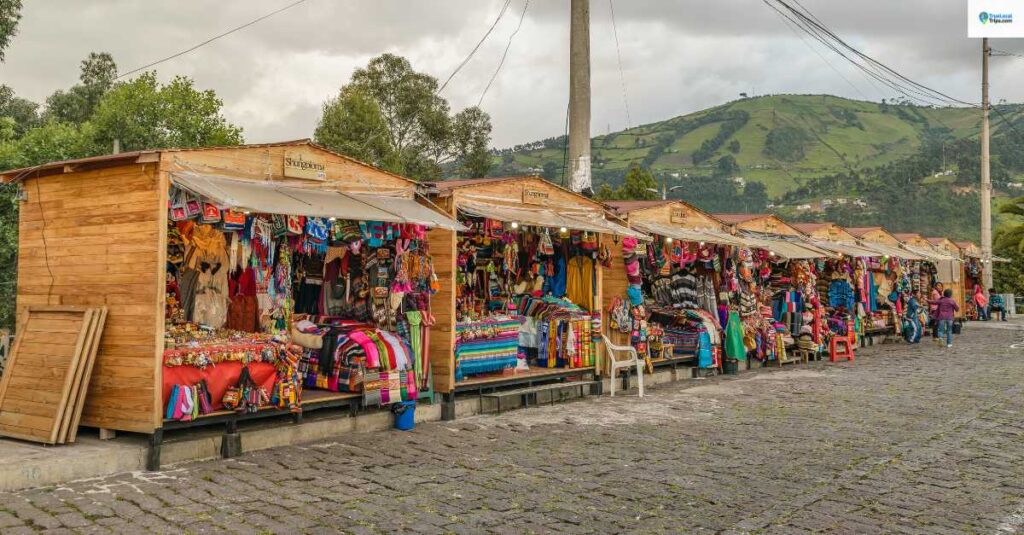
Many pasar malam stalls sell locally made crafts — keychains carved from coconut shells, woven rattan bags, wooden toys, and small batik items. These make great souvenirs because they’re affordable, easy to pack, and often handmade by local artisans. Look for items labeled “produk lokal” to support genuine community products.
Best spots: Malioboro Night Market (Yogyakarta) and Braga Street Market (Bandung).
2. Batik Clothing and Accessories
Batik isn’t just a souvenir — it’s part of Javanese identity. You’ll find beautiful batik shirts, scarves, and dresses in many night markets, often at lower prices than in boutiques. If you’re unsure how to choose, ask sellers to explain the pattern’s meaning — each design tells a story about nature, harmony, or heritage.
Best spots: Malioboro and Semawis Night Markets.
3. Local Snacks and Packaged Food
Don’t leave without taking home some local treats. Vendors often sell packed versions of their snacks, like kripik tempe (crispy tempeh chips), jenang (sticky rice candy), or bakpia (sweet mung bean pastry). These are perfect as gifts — and a way to keep the night market flavors alive after your trip.
Best spots: Semarang’s Pasar Semawis and Surabaya’s Culinary Market.
4. Toys and Fun Items for Kids
Night markets are paradise for children. You’ll find stalls full of bubble guns, spinning lights, plastic cars, and kites. Many are locally made and cheap, so kids can enjoy choosing their own toys without worrying about prices.
Best spots: Alun-Alun Malang and smaller neighborhood markets in Central Java.
5. Trendy Streetwear and Accessories
Younger travelers will love Java’s affordable fashion stalls. Think graphic tees, tote bags, handmade jewelry, and bucket hats with cool local prints. These are especially popular in college towns like Bandung and Yogyakarta, where creative youth brands often test out their designs at night markets.
Best spots: Braga Street Market and Malioboro Street Night Market.
6. Art Prints and Handmade Stationery
In artsy cities like Yogyakarta and Bandung, local artists sell postcard prints, small paintings, and notebooks featuring traditional or pop-culture designs. Buying from them supports independent creators — and you’ll go home with a one-of-a-kind souvenir instead of something mass-produced.
Best spots: Yogyakarta and Bandung weekend markets.
From handmade trinkets to tasty snacks, the night markets Java offers are full of small treasures waiting to be discovered. Shopping here isn’t just about buying things — it’s about connecting with local creativity and supporting people who bring color to the island’s nightlife.
Family Tips for Visiting Java’s Night Markets
Night markets in Java are lively, colorful, and full of family-friendly fun. Whether you’re bringing little kids or traveling with teens, these markets are safe, affordable, and offer something for everyone. Still, with the crowds and endless food stalls, a little planning can make the experience smoother and more enjoyable. Here are some tried-and-true tips for families exploring night markets Java.
1. Come Early (Around 6 PM)
Most night markets start setting up around 5:30 or 6 PM, and that’s the best time for families to go. You’ll avoid the late-night rush and find cleaner, fresher food. Early evenings also mean cooler weather and better space for strollers or younger kids to move around.
2. Keep an Eye on Little Ones
Pasar malam can get crowded fast. Hold hands, set a meeting point, or dress your kids in bright colors so they’re easy to spot. In big markets like Malioboro or Semawis, the aisles can get tight, so it’s best to use a baby carrier instead of a stroller if possible.
3. Bring Wet Wipes and Hand Sanitizer
You’ll be eating with your hands, trying street food, and touching a lot of things. Most stalls don’t have sinks nearby, so wipes and sanitizer are must-haves — especially before kids snack on their favorite pisang goreng or bakso tusuk.
4. Try Small Portions First
Food stalls are endless, so don’t fill up too fast. Order small portions so your family can sample different dishes. Kids often love sweet and simple snacks like martabak manis, roti bakar, or es campur. Sharing plates is part of the night market fun.
5. Carry Small Cash and Loose Change
Most vendors only accept cash and prefer small bills (IDR 5,000–20,000). Having exact change makes transactions faster, and it’s safer than carrying large amounts of money.
6. Choose Clean, Busy Stalls
If a stall is packed with locals, that’s a good sign. It usually means the food is fresh and safe to eat. Avoid stalls with food sitting out too long or poor hygiene. Go for those where you can see the food being cooked in front of you.
7. Watch Out for Spicy Food
Indonesian food can be fiery! Always ask the vendor, “Tidak pedas?” (Not spicy?) before ordering, especially for children. Many stalls are happy to tone down the chili level for families.
8. Enjoy the Entertainment
Most pasar malam have street musicians, magicians, or mini rides for kids. These are part of the fun — stop and enjoy them! Bring a few coins or small bills to tip performers.
9. Stay Hydrated and Take Breaks
It’s easy to lose track of time when there’s so much to see. Carry bottled water, take short rests at food corners, and don’t rush. Night markets are about slowing down and soaking in the atmosphere.
10. Teach Kids to Say Thank You (“Terima Kasih”)
Encourage your children to say a polite “terima kasih” to vendors after every purchase. It’s a simple gesture that locals always appreciate — and it makes your family’s experience even warmer.
With these family tips, your night market adventure becomes safe, fun, and full of great memories. From laughter to late-night snacks, it’s the kind of simple joy that defines life in Java.
Safety & Bargaining at Java’s Night Markets
Night markets in Java are generally safe, friendly, and welcoming — but like any busy public space, it helps to stay alert and know the local customs. Whether you’re trying to get a good deal or just want to keep your evening smooth and stress-free, these simple tips will help you enjoy every moment with confidence.
1. Keep Valuables Close and Simple
Crowds can get tight in popular pasar malam areas like Malioboro or Braga Street. Use a crossbody bag and keep it zipped in front of you. Avoid bringing expensive jewelry, large cameras, or too much cash. Locals are honest, but it’s always better to stay cautious in crowded spots.
2. Cash Is King — But Small Bills Are Best
Most vendors don’t accept cards or digital payments, so cash is essential. Carry small bills in different pockets to make payments quick and easy. For example, IDR 5,000 to 20,000 notes are ideal for snacks or small items. This also helps you avoid pulling out a large wallet in busy areas.
3. Bargain Politely (But Only for Non-Food Items)
Bargaining is part of the night market experience — but only for clothes, toys, or souvenirs. Food prices are usually fixed and already cheap. Always smile and keep it friendly. Start by offering around 20–30% lower than the asking price, then meet halfway. Vendors appreciate polite humor and a cheerful tone.
Example:
Vendor: “Rp 100,000.”
You: “Boleh kurang, Bu? Rp 70,000 mungkin?” (Can it be cheaper, Ma’am? Maybe Rp 70,000?)
Smiling makes all the difference — even if you don’t get a big discount, you’ll earn goodwill.
4. Beware of Pickpockets in Big Crowds
While rare, pickpocketing can happen in very crowded areas or during festivals. Keep your phone in your front pocket, avoid using your wallet in open view, and stay aware of your surroundings when taking photos.
5. Trust Your Instincts When Eating
Most night market food is safe and freshly cooked, but if something doesn’t look clean or smells off, skip it. Choose stalls where food is cooked to order and where locals are lining up — that’s the best sign of quality and safety.
6. Be Cautious with Traffic Around Markets
Many pasar malam line busy streets where motorbikes and cars still pass through. Always walk on the inner side of the street and hold children’s hands when crossing. Use your phone flashlight at night to stay visible if the area is dimly lit.
7. Keep a Friendly Attitude
Javanese people are known for their warmth and patience. Even when bargaining or clarifying prices, stay calm and smile. Politeness goes a long way in Java — and it often earns you better service or small discounts without asking.
8. Emergency Numbers (Just in Case)
If you ever need help, call 110 for police or 118 for medical emergencies. Locals are usually quick to assist foreigners in need, so don’t hesitate to ask nearby vendors or families for help — they’ll gladly point you to safety officers or security posts.
Being smart and respectful is the best way to enjoy night markets in Java safely. Keep it light, stay alert, and enjoy the evening — it’s one of the most rewarding cultural experiences you’ll find in Indonesia.
Best Visiting Times for Java’s Night Markets
Timing can make or break your experience at night markets in Java. Go too early, and half the stalls might still be setting up. Go too late, and the best food could be sold out. The sweet spot lies somewhere in between — when the lights are bright, the grills are sizzling, and the atmosphere feels just right.
1. Ideal Time to Visit (6 PM – 9 PM)
The best time to visit most pasar malam is between 6 PM and 9 PM. Around 6 PM, vendors are fully open but the crowds are still light. By 7 PM, the streets come alive with families, students, and travelers filling every corner. If you arrive by 8 PM, you’ll catch the markets at their most vibrant — a perfect mix of smells, sounds, and laughter.
If you’re with kids or prefer calmer evenings, aim to arrive before 7 PM. For photographers, this is also when the lighting is best — the sky is dark enough for glowing stalls but not completely black, giving your photos a warm twilight feel.
2. Weekdays vs. Weekends
Weekends are when Java’s night markets truly buzz. More vendors open, street performers appear, and local bands sometimes play live music. However, weekends also mean heavier crowds. If you prefer space to walk, go on weeknights (Monday to Thursday). Prices are the same, but you’ll enjoy shorter lines and more relaxed interactions with sellers.
Local tip: In big cities like Yogyakarta or Surabaya, Friday nights get almost as busy as weekends — so try visiting on Tuesday or Wednesday for a quieter experience.
3. Seasonal and Festival Periods
During major holidays or religious celebrations like Ramadan, many markets open earlier in the evening for iftar (breaking fast). These nights have a special vibe — families gather, lanterns glow brighter, and you’ll find more sweet treats like kolak (banana dessert with coconut milk).
In some towns, pasar malam also pop up as part of temporary carnivals or festivals (pasar rakyat). These are worth seeking out because they often feature games, small rides, and unique local foods that regular markets don’t have.
4. Weather and Comfort
Java’s dry season (May to September) is perfect for outdoor markets — less rain and more pleasant nights. During the wet season (October to April), markets still operate, but sudden showers are common. Carry a light rain jacket or umbrella just in case.
5. How Late Do Markets Stay Open?
Most night markets close around 10 or 11 PM, though in bigger cities like Surabaya or Bandung, food stalls may stay open until midnight. However, by 9:30 PM, many families start heading home, and vendors begin winding down.
If you want the best mix of energy, safety, and variety, stick to the 6 PM – 9 PM window — that’s when Java’s night markets shine brightest.
Fun Local Customs at Java’s Night Markets
One of the most enjoyable things about exploring night markets in Java is discovering the local traditions that make each evening feel like a small celebration. Beyond food and shopping, pasar malam is about people — their laughter, habits, and shared joy. Knowing a few of these customs will help you blend in and enjoy the markets like a true local.
1. It’s a Social Gathering, Not Just a Market
For Javanese people, pasar malam is as much about connection as it is about commerce. Friends meet after work, families stroll together, and couples share snacks while sitting on plastic stools. Don’t rush — walking slowly, chatting, and people-watching are all part of the experience.
If someone smiles or starts a friendly conversation, respond warmly. Locals love seeing visitors enjoy their traditions and are often happy to recommend their favorite food stalls.
2. Street Performers and Mini Carnivals
Many Java night markets feature live entertainment — from street musicians and singers to balloon clowns, dancers, and even small Ferris wheels. Kids can play funfair-style games like throwing darts at balloons or fishing for prizes. It’s noisy, colorful, and endlessly fun.
Tipping performers isn’t required, but it’s always appreciated. A small coin or bill shows respect for their craft and helps support their livelihood.
3. Night Prayers and Community Rhythm
Around 7 PM, you might hear the evening call to prayer (adhan maghrib) echoing from nearby mosques. Many vendors pause for a few minutes to pray before reopening. This short break is a natural rhythm of the night — respectful, calm, and part of what makes Java’s markets feel so authentic.
If you’re eating or walking nearby, pause quietly and wait until the sound fades before resuming. Locals appreciate that small act of respect.
4. Sharing Food Is Common
Food in pasar malam culture is meant to be shared. It’s normal to order one portion and let everyone have a taste. You’ll often see friends splitting a martabak manis or passing skewers of satay ayam around. This makes it easier to try multiple dishes without overeating — and it’s a fun, communal way to dine.
5. “Ngobrol” – The Javanese Art of Casual Talk
Don’t be surprised if vendors or nearby families strike up a conversation. In Java, casual chatting (ngobrol) is a friendly gesture. People might ask where you’re from, what food you’ve tried, or suggest something to eat next. It’s not intrusive — it’s a sign of genuine hospitality.
A simple “Terima kasih” (thank you) or “Enak sekali!” (so delicious!) always earns smiles.
6. Lights, Music, and Photo Moments
Every night market glows with neon lights and colorful signs — perfect for photos. Locals love taking group selfies near food stalls or under hanging lanterns. Don’t hesitate to join in, but always ask permission before photographing vendors or children.
7. Respect the Clean-Up Culture
At closing time, many vendors sweep their area before leaving. It’s part of the community spirit — keeping the market clean and ready for the next day. If you finish a snack or drink, hand your trash directly to the stall owner or use the bins provided. Small gestures like this show respect for the market’s shared space.
Enjoying Java’s pasar malam isn’t just about eating and shopping — it’s about feeling part of something local and alive. When you laugh, share, and slow down, you become part of the nightly rhythm that keeps Java’s culture glowing long after sunset.
Also Read: Best Traditional Markets in Yogyakarta (2025): What to Buy, When to Go & Bargaining Tips
FAQs About Night Markets in Java
1. What time do night markets in Java usually open?
Most pasar malam start around 5:30 to 6 PM and run until about 10 or 11 PM, depending on the city. Bigger ones like Malioboro or G-Walk in Surabaya often stay open later, especially on weekends.
2. Are night markets in Java safe for tourists?
Yes. Java’s night markets are generally safe, lively, and family-friendly. Just keep an eye on your belongings, carry small cash, and avoid flashing valuables in crowded areas.
3. How much money should I bring to a night market?
With about IDR 100,000–150,000 (USD 6–10), you can easily enjoy dinner, dessert, and small souvenirs. Most snacks cost between IDR 10,000 and 30,000, and souvenirs are very affordable.
4. Can vegetarians find food at Javanese night markets?
Absolutely. Many vendors sell vegetarian options like nasi goreng sayur (vegetable fried rice), pisang goreng (fried banana), or martabak keju (cheese pancake). Just ask, “Tanpa daging, ya?” (No meat, please?).
5. What’s the best city in Java for night markets?
Yogyakarta and Bandung are top choices for variety and atmosphere. Yogyakarta’s Malioboro Street is ideal for families, while Bandung’s Braga Street offers a trendier vibe. Surabaya’s G-Walk is unbeatable for food lovers.
6. Is bargaining acceptable at night markets?
Yes — but only for non-food items like clothes or crafts. Bargain politely with a smile, and remember that fair prices support local livelihoods.
7. Do vendors speak English?
In tourist areas like Yogyakarta and Bandung, some do. But even if they don’t, friendly gestures, smiles, and pointing at menu items go a long way.
8. Are toilets available at night markets?
Yes, though they’re usually basic public facilities or shared restrooms near the market. Bring tissue and small change for entry (around IDR 2,000).
9. What’s the local etiquette for taking photos?
Always ask before photographing people, especially vendors or children. Most will happily say yes if you ask politely — a simple smile and “Boleh foto?” (Can I take a photo?) works perfectly.
Conclusion
The magic of Java doesn’t fade when the sun goes down — it simply changes shape. As lanterns flicker to life and the aroma of sizzling satay fills the air, night markets in Java turn ordinary streets into living, breathing celebrations. They are where you feel the island’s true heartbeat — through laughter, food, music, and the kindness of everyday people.
Exploring a pasar malam isn’t just about trying local dishes or finding cheap souvenirs. It’s about connection — sharing a table with strangers, watching kids play under neon lights, and experiencing the warmth that defines Javanese culture. Every stall tells a story, every bite holds a memory, and every night feels uniquely alive.
So the next time you visit Java, skip the malls and head to the night markets. Walk slowly, eat boldly, chat with vendors, and let the chaos charm you. Because here, beneath the glow of hanging lights and the hum of street life, you’ll discover something far more valuable than what you came to buy — the genuine soul of Java.