
Indonesia’s wildlife is breathtaking — from sea turtles gliding through turquoise waters to colorful birds fluttering through tropical forests. But behind many tourist attractions lies a quiet truth: not every animal experience helps the animals. Elephant rides, photo cages, and dolphin shows still exist, and while they might look fun for visitors, they often harm the creatures that make Indonesia so special.
That’s where ethical wildlife encounters in Indonesia come in. Across Bali, Java, and nearby islands, local conservation groups are changing the story — turning animal tourism into education and protection. These sanctuaries, rescue centers, and coral nurseries give travelers the chance to get close to nature in a way that’s respectful, sustainable, and meaningful.
Imagine watching baby turtles waddle into the ocean at sunset, learning how coral reefs are regrown by local divers, or walking through a bird park where rescued species fly freely under open skies. These experiences not only create unforgettable memories — they also support communities working hard to preserve Indonesia’s incredible biodiversity.
In this guide, we’ll explore the most inspiring and responsible ways to meet Indonesia’s wildlife. You’ll discover turtle releases, butterfly sanctuaries, and coral nurseries that prove travel can protect nature — not exploit it.
Why “Ethical” Encounters Matter
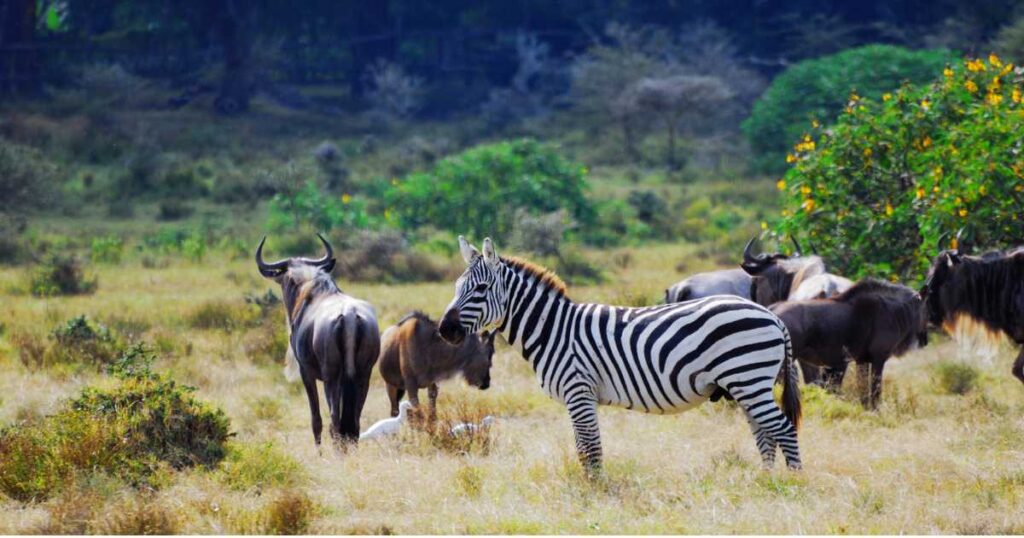
Indonesia is home to one of the richest collections of wildlife on the planet — from Komodo dragons and orangutans to manta rays and rare tropical birds. Unfortunately, not all wildlife tourism treats these animals with the respect they deserve. For decades, travelers have unknowingly supported attractions that keep animals in chains, cages, or unnatural environments just for entertainment.
Understanding the Problem
In many tourist areas, animals are used as props — for selfies, rides, or performances. Dolphins are forced to live in small pools, monkeys are kept on leashes, and birds are confined in tiny cages for visitors to hold. These activities may seem harmless on the surface, but they often involve stress, poor nutrition, and loss of freedom for the animals. The money from such tourism rarely goes to conservation; it usually supports more exploitation.
The Rise of Ethical Alternatives
The good news is that travelers are changing the trend. Around Indonesia, a growing number of sanctuaries and conservation centers now focus on education, rehabilitation, and protection rather than profit. These places allow people to see animals behaving naturally — not performing tricks.
Visiting an ethical wildlife center means your entrance fee helps feed rescued animals, fund habitat restoration, and support community jobs that depend on protecting nature, not exploiting it. It’s a way to travel responsibly while still enjoying unforgettable encounters.
How It Impacts Conservation
Every ethical choice makes a difference. When you support turtle hatcheries, coral nurseries, or rescue sanctuaries, you help create an economy where wildlife has value only when it’s alive and thriving in the wild. This shift not only protects species but also inspires local pride and environmental awareness.
As travelers, we have the power to make sure tourism leaves behind a positive footprint — one that heals rather than harms.
Turtle Conservation Projects
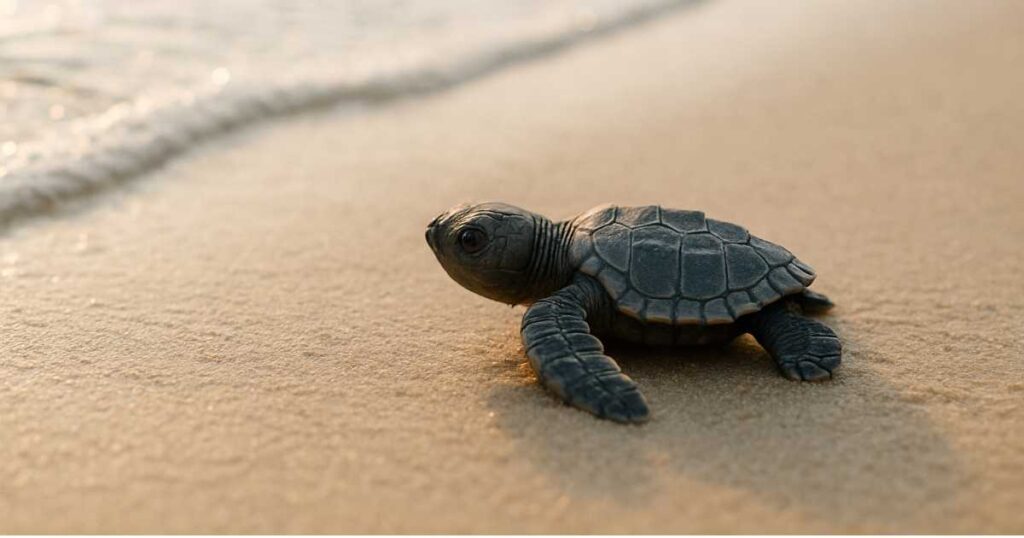
Few experiences in Indonesia are as moving as watching a baby turtle crawl toward the sea for the first time. But these moments are more than just photo opportunities — they’re part of a much larger story of survival and protection. Sea turtles face threats from plastic pollution, fishing nets, and illegal egg harvesting. Thankfully, across Indonesia, several organizations are fighting to change that.
1. Turtle Conservation and Education Center (TCEC), Bali
Located in Serangan Island, just south of Denpasar, the Turtle Conservation and Education Center is one of Bali’s most respected turtle rescue programs. It was created with support from the Bali government and WWF to stop the illegal turtle trade.
Here, visitors can learn how rescued turtles are rehabilitated and eventually released back into the ocean. The center focuses on education over entertainment — meaning you can observe, learn, and sometimes join a release event if one is scheduled, but never handle the animals unnecessarily.
The staff are friendly and passionate about their mission. They’ll explain how each species — from the hawksbill to the green turtle — plays a vital role in maintaining the ocean’s health. Entry is free, but donations are welcome and directly support turtle care and local conservation projects.
2. Gili Islands Turtle Release Program
The Gili Islands near Lombok are another haven for ethical turtle encounters. Both Gili Trawangan and Gili Air have small community-run hatcheries that protect turtle eggs from predators and poachers. When the hatchlings are ready, locals invite visitors to join in the release, usually at sunset — a magical moment that highlights hope and renewal.
These programs are entirely volunteer-driven, meaning your small donation or purchase of a turtle bracelet goes toward beach patrols, nesting protection, and education programs for local children.
3. Lesser-Known Projects in Java and Sulawesi
Beyond Bali, smaller turtle centers operate quietly along Java’s south coast and parts of Sulawesi. Many of them don’t advertise widely but welcome respectful visitors who want to learn. One example is the Sukamade Turtle Beach Conservation Program in East Java, where travelers can join nightly patrols with rangers and help monitor nests.
Whether you visit a well-known center or a hidden local project, the goal is the same — protecting Indonesia’s sea turtles through awareness, research, and responsible tourism.
If you’ve ever wanted to connect deeply with nature, watching these small creatures begin their journey is one of the most inspiring ways to do it — ethically and meaningfully.
Bird & Butterfly Parks

Indonesia is a paradise for bird and insect lovers, home to more than 1,700 bird species and hundreds of butterfly varieties found nowhere else on Earth. While it’s tempting to visit animal shows or petting zoos, many of those attractions still cage or mistreat wildlife. Luckily, there are a few places across Bali and Java that prove wildlife tourism can be beautiful, educational, and ethical — giving visitors the chance to admire animals without disturbing them.
1. Bali Bird Park
Located in Gianyar, the Bali Bird Park is one of the island’s oldest and most respected wildlife attractions. It’s not a circus — it’s a sanctuary that focuses on education and breeding for conservation. The park is home to more than 1,000 birds from 250 species, including rare ones like the Bali Starling, an endangered bird found only on the island.
Visitors walk through open aviaries where birds fly freely in large, lush habitats that mimic their natural environments. You’ll find rainforest zones, freshwater areas, and even a Komodo dragon enclosure that highlights Indonesia’s diverse ecosystems. What sets this park apart is its focus on rehabilitation and public education rather than shows or forced interactions.
If you’re traveling with kids, this is a fantastic place to teach them about conservation while still enjoying a fun day surrounded by colorful species.
2. Kemenuh Butterfly Park, Ubud
The Kemenuh Butterfly Park, located just 15 minutes from central Ubud, is a quiet and enchanting place perfect for nature photography and relaxation. The park’s giant greenhouse-style enclosures are filled with tropical flowers and hundreds of butterflies fluttering freely.
The experience is peaceful and educational — you can watch butterflies emerging from their cocoons, learn about local species, and walk through gardens designed to protect pollinators. Staff members are friendly and always happy to explain how butterflies support the local ecosystem.
There’s also a small café overlooking the garden, where you can enjoy a drink surrounded by gentle wings and vibrant color — a true moment of calm in Bali’s green heart.
3. Java’s Mini Zoo Sanctuaries
On Java, you’ll find several mini wildlife sanctuaries that rescue injured birds and small animals. While not as large or well-known as Bali’s parks, places like the Bogor Mini Sanctuary and Taman Satwa Yogyakarta focus on care, not display. They don’t allow animal touching or posing for photos, and many are managed by local universities and NGOs.
These small efforts are vital for local education — giving schoolchildren and travelers alike a chance to appreciate wildlife responsibly.
By choosing bird and butterfly parks that focus on education, conservation, and respect, you help support a version of tourism that celebrates life — not captivity.
Coral Nurseries & Marine Rehab
Indonesia sits in the heart of the Coral Triangle, one of the most biodiverse marine regions in the world. Beneath its blue waters lies a living wonderland — thousands of coral species that shelter fish, turtles, and countless ocean creatures. But rising sea temperatures, pollution, and destructive fishing have caused widespread coral bleaching. Thankfully, several local programs are helping restore these underwater ecosystems — and travelers can now join in responsibly.
1. Nusa Penida Coral Garden Tours
Just off the coast of Bali, Nusa Penida has become a center for marine conservation. Here, local NGOs and dive schools collaborate to restore damaged reefs through coral planting programs. One of the most respected is The Coral Triangle Center (CTC), which educates divers and snorkelers about coral life and sustainable marine tourism.
Visitors can join eco-snorkeling tours where guides explain how coral grows, how reefs support marine life, and what’s being done to protect them. Some tours allow you to help plant coral fragments onto artificial reef structures — a small act that contributes to ocean restoration.
The best part? These tours are led by certified eco-divers, ensuring that no marine life is disturbed and that all activities follow conservation guidelines.
2. Menjangan Reef Restoration (Northwest Bali)
Far from Bali’s crowded beaches, the waters around Menjangan Island, part of West Bali National Park, offer pristine reefs and clear visibility. In recent years, marine biologists and local guides have joined forces to restore sections of coral damaged by storms and anchors.
Snorkelers and divers can participate in marine rehab programs, where they learn about coral fragility and even assist in planting baby corals. The project is supported by the WWF Coral Triangle Initiative, making it one of the most authentic ethical marine experiences in Indonesia.
Menjangan’s calm conditions make it ideal for beginners — even if you’re not a diver, you can observe coral gardens and tropical fish just a few meters below the surface.
3. Gili Eco Trust (Lombok)
If you’re heading to the Gili Islands, check out the Gili Eco Trust, a well-known community project focused on reef restoration, plastic recycling, and marine education. Founded by local dive instructors, it’s one of the oldest environmental groups in Indonesia.
They organize reef-cleaning dives, workshops, and educational tours about sustainable ocean living. You can even sponsor your own coral structure, which divers will plant and name after you — a fun and meaningful souvenir that helps rebuild the reef.
Each of these projects shows that ethical wildlife encounters in Indonesia aren’t limited to land. By supporting coral nurseries and marine rehab programs, travelers become part of the solution — helping to protect the underwater beauty that makes this country truly magical.
How to Spot Responsible Operators
As wildlife and eco-tourism become more popular, it’s easy for unethical businesses to disguise themselves as “eco-friendly.” Some still exploit animals or harm habitats while using buzzwords like eco, green, or sustainable to attract visitors. To make sure your experience truly helps — not harms — here’s how to identify responsible wildlife operators in Indonesia.
1. No Animal Selfies or Direct Contact
A simple rule: if a place allows you to touch, ride, or hold wild animals for photos, it’s not ethical. True sanctuaries prioritize the animal’s comfort over tourist entertainment. Ethical centers only allow observation from a safe distance and never force animals into interactions.
If you see chained monkeys, sedated tigers, or photo props with animals, it’s best to walk away. Your money should support conservation, not cruelty.
2. Look for Transparency and Certification
Responsible organizations are proud to share their mission. They’ll tell you where donations go, who runs the project, and which partners they work with — such as WWF, Conservation International, or the Coral Triangle Initiative.
Before booking, check if the operator follows recognized eco-tourism standards or has certifications like Green Fins, PADI AWARE, or EarthCheck. You can also look for verified reviews from travelers who mention sustainability and education instead of “shows” or “photo opportunities.”
3. Education Over Entertainment
Ethical experiences focus on learning — not performing. Whether you’re visiting a turtle hatchery or a coral nursery, staff should explain how their work protects wildlife and how visitors can contribute. If you leave with new knowledge about conservation, that’s a great sign.
For example, the Turtle Conservation and Education Center (TCEC) in Bali clearly explains the challenges turtles face, and Gili Eco Trust teaches visitors about reef restoration and waste management. These programs don’t just show you nature — they make you part of protecting it.
4. No Chains, No Tricks, No Crowds
Wildlife should behave naturally. Ethical sanctuaries avoid crowded conditions and never use animals for tricks or shows. A good way to judge quickly: if animals seem relaxed, have space to move, and act naturally — eating, swimming, or resting — it’s a good sign they’re well cared for.
5. Locally Managed and Community-Driven
Many of Indonesia’s best ethical wildlife programs are run by local communities. These centers often combine traditional knowledge with conservation science, ensuring both people and animals benefit. Supporting them helps create jobs that replace harmful tourism with sustainable livelihoods.
When you travel with awareness, you become part of a quiet revolution — one where kindness replaces exploitation and every encounter leaves the world a little better.
What You Can Do to Help
You don’t have to be a scientist or full-time volunteer to make a difference for Indonesia’s wildlife. Even small, mindful choices as a traveler can go a long way in supporting conservation and ethical tourism. Here’s how you can help protect animals and their habitats — one simple action at a time.
1. Choose Ethical Wildlife Experiences
Every ticket you buy is a vote. When you visit turtle conservation centers, bird sanctuaries, or coral nurseries, your entrance fee supports real care and restoration work. Always check for transparent operations that value animal welfare, local communities, and environmental education.
Avoid places offering selfies, animal rides, or performances. If a wildlife attraction feels wrong — it probably is. Choosing ethical alternatives encourages others to follow the same standard.
2. Volunteer or Join a Conservation Activity
Even a few hours can make an impact. Many organizations in Indonesia offer half-day or weekend volunteering opportunities, such as helping clean beaches, assisting with coral planting, or participating in turtle releases. Projects like Gili Eco Trust and WWF Indonesia welcome short-term visitors who want to learn and contribute.
You’ll not only support the cause but also gain a deeper understanding of how local ecosystems work — something no typical tour can offer.
3. Reduce Plastic and Respect Nature
Indonesia struggles with plastic waste, especially in coastal areas. Avoid single-use plastics, carry a reusable bottle, and bring your own tote bag when shopping. These simple habits help keep beaches clean and protect marine life that often mistake plastic for food.
Also, never feed or chase wild animals. Even small interactions can disrupt their natural behavior. The best wildlife photo is the one taken quietly, without interference.
4. Support Eco-Friendly Businesses
From small cafés using bamboo straws to eco-lodges powered by solar energy, Indonesia is full of businesses trying to operate sustainably. By choosing them, you support a tourism model that protects nature and gives back to the local community.
You can also buy souvenirs made by local artisans or cooperatives — especially those that use recycled materials or promote conservation awareness.
5. Share What You Learn
After your trip, tell others about the ethical experiences you discovered. Post about conservation centers or responsible operators online, tag them, and leave positive reviews. Spreading awareness inspires more travelers to make responsible choices — and that ripple effect helps wildlife across the country.
By traveling with intention, you become part of the movement that proves ethical wildlife in Indonesia isn’t just possible — it’s the future of tourism.
Family-Friendly Eco Itinerary (2 Days)
If you’re traveling as a family and want to experience wildlife in a fun yet responsible way, Indonesia offers plenty of options that both kids and adults will love. This 2-day ethical wildlife itinerary focuses on Bali and nearby islands — easy to access, educational, and filled with moments that inspire compassion for nature.
Day 1: Turtle Center & Beach Cleanup
Morning:
Start your day at the Turtle Conservation and Education Center (TCEC) in Serangan, Bali. Arrive early to watch the feeding or cleaning routines and learn about how rescued turtles are cared for. Staff often host short talks about the different turtle species and the threats they face. Kids love seeing baby turtles up close while learning why touching them is not allowed.
If a turtle release event is scheduled, you’ll have the chance to join in — an unforgettable experience that teaches respect for marine life.
Lunch:
Head to a nearby warung in Sanur for a local-style seafood lunch. Choose places that avoid plastic packaging and support community businesses.
Afternoon:
Join a beach cleanup organized by local eco groups like Bye Bye Plastic Bags or Eco Bali. These short activities are suitable for all ages and help families give back to the environment in a direct, meaningful way.
Evening:
Relax at your eco-lodge or stay at a small family-run guesthouse near Sanur. Many offer garden courtyards and outdoor dining where you can reflect on your day’s experiences together.
Day 2: Coral Planting & Snorkel Education
Morning:
Take a short boat ride to Nusa Penida or Nusa Lembongan for a half-day coral conservation experience. Join one of the certified programs like those by the Coral Triangle Center (CTC) or Reeflex Divers, where guides teach you how coral nurseries are built and maintained.
Kids and adults can both learn how coral fragments are planted and how these tiny structures grow into full reefs over time. The snorkeling conditions are safe for beginners, and life jackets are provided.
Lunch:
Enjoy a simple island-style meal by the beach — grilled fish, fresh fruit juice, and ocean views. Choose local stalls that don’t serve endangered species or use single-use plastics.
Afternoon:
Spend a few hours relaxing on the sand or swimming in calm, shallow waters. If your family enjoys art, visit a small local gallery showcasing ocean-inspired crafts made from recycled materials.
Evening:
Return to Bali and have dinner at a sustainable café like Bambu Indah’s River Warung or Clear Café in Ubud. Talk about what you learned — from turtle conservation to coral restoration — and how small actions can help protect wildlife every day.
This gentle 2-day plan blends fun, learning, and awareness — showing families that ethical wildlife encounters in Indonesia can be both inspiring and deeply meaningful. You’ll leave not only with memories but with a greater love for the natural world.
Also Read: Family Wildlife Safaris Indonesia: 6 Kid-Friendly Adventures
FAQs About Ethical Wildlife in Indonesia
1. What does “ethical wildlife tourism” mean?
Ethical wildlife tourism means visiting animals in a way that supports their well-being and protects their natural habitats. It avoids direct contact, cages, or performances and focuses on education, conservation, and respect for nature.
2. Can I still take photos during ethical wildlife experiences?
Yes, but from a respectful distance. Avoid flash photography and never ask staff to pose or move animals. The best photos are the ones that capture natural behavior without causing stress or disturbance.
3. Are ethical wildlife activities suitable for kids?
Absolutely. Places like turtle centers, coral nurseries, and butterfly parks are designed to be family-friendly and educational. Kids learn about nature while understanding why it’s important to protect animals rather than play with them.
4. How can I tell if a wildlife attraction is unethical?
If a place allows animal rides, selfies, or touching — it’s unethical. Also, avoid centers where animals perform tricks, appear sedated, or live in small cages. Real sanctuaries prioritize education and rehabilitation, not entertainment.
5. Is volunteering in conservation projects possible for short stays?
Yes. Many programs welcome short-term volunteers for activities like beach cleanups, coral planting, or turtle releases. Even a few hours of help can make a positive impact when done with reputable organizations.
6. What should I bring for eco-friendly travel?
Pack reusable items like a water bottle, bamboo utensils, and cloth bags. Use reef-safe sunscreen when snorkeling, and choose biodegradable soaps if staying near natural habitats. Every small habit helps reduce harm to the environment.
7. Are these ethical wildlife experiences expensive?
Most are surprisingly affordable. Entry fees for sanctuaries or conservation centers usually range from IDR 50,000–150,000 ($3–10), and proceeds directly fund animal care and local staff wages. You get a meaningful experience while supporting a good cause.
8. What’s the best time of year for wildlife experiences in Indonesia?
Between April and October (dry season) is ideal. The weather is calm for snorkeling, diving, and turtle releases. However, many sanctuaries operate year-round — so you can visit anytime as long as you travel responsibly.
Traveling Kindly with Indonesia’s Wildlife
Traveling through Indonesia isn’t just about ticking off sights — it’s about connecting deeply with the land, sea, and creatures that make this country so special. From watching baby turtles shuffle toward the ocean to snorkeling over coral nurseries or strolling through bird parks, these moments remind us that nature doesn’t need to be touched to be felt.
When you choose ethical wildlife experiences in Indonesia, you’re helping create a better future for both animals and local communities. Every mindful choice — from avoiding animal selfies to picking eco-friendly tours — supports a movement that values respect over exploitation.
Bali, Java, and the surrounding islands are filled with organizations working quietly to heal ecosystems. By visiting them, you become part of that story. You show that tourism can be gentle, educational, and truly transformative.
So, as you plan your next trip, travel kindly. Let your curiosity guide you, but let compassion lead the way. Indonesia’s wildlife doesn’t just need our admiration — it needs our care. And when you leave, you’ll know your journey made a small but lasting difference.