
Rain doesn’t have to ruin your trip — it can actually make Bali feel calm, cozy, and full of fresh discoveries. If you’re searching for ideas for a rainy day Bali, think warm coffee in a jungle-view café, hands-on batik painting, quiet galleries, and a soothing spa while the skies do their thing outside. The island has plenty of welcoming indoor spots where you can slow down, learn something new, and still make the day memorable.
This guide keeps things simple and practical. You’ll find the best rain-proof cafés for stable Wi-Fi and relaxed vibes, fun workshops like cooking and silver jewelry, family-friendly museums and play spaces, and reliable wellness options when you want to unwind. We’ll also share an easy one-day rainy itinerary and smart packing tips so you stay dry, comfortable, and ready for surprises.
Whether you’re in Ubud, Canggu, Seminyak, Sanur, or Uluwatu, there’s always something enjoyable to do indoors. With the right plan, a wet forecast becomes an invitation to explore a softer side of Bali — slower mornings, creative afternoons, and stress-free evenings. By the end, you’ll know exactly where to go, how much time to budget, and how to turn any shower into a good story.
Understanding Bali’s Rainy Season — When It Rains, How Long It Lasts, and What to Expect
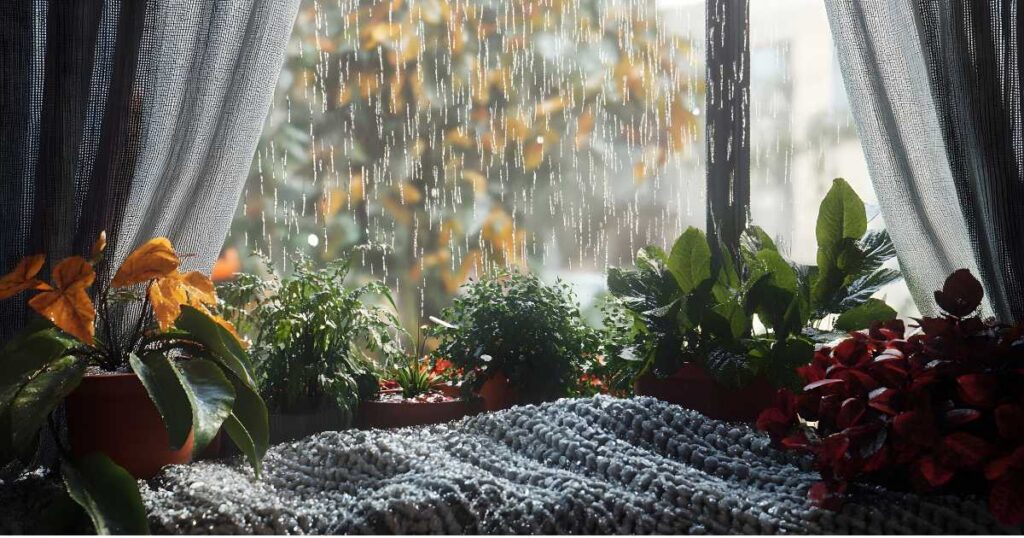
Before diving into all the fun indoor things to do, it helps to understand what Bali’s rainy season is really like. Many travelers panic when they see “wet season” on the calendar and assume their trip will be ruined by constant storms — but that’s far from the truth. Knowing when it rains, how long it lasts, and what to expect will help you plan smarter and enjoy every moment, even when the sky looks gray.
Bali’s rainy season usually runs from November to March, with December and January being the wettest months. But rain in Bali rarely lasts all day. It often comes in short, heavy bursts — usually in the afternoon or evening — followed by clear skies, fresh air, and vibrant green landscapes. Morning hours often remain sunny, making it perfect for sightseeing before the clouds roll in.
Temperature-wise, the island stays comfortably warm year-round, around 26–32°C (79–89°F). Humidity can rise during the rainy months, but it’s nothing a light outfit and a cool drink can’t fix. You’ll find fewer crowds at popular temples, cheaper accommodations, and more relaxed energy all around the island.
Another perk? The rain brings Bali’s natural beauty to life. Waterfalls are fuller, rice terraces look lush and glowing, and the air smells fresh after every downpour. Locals see rain not as an inconvenience but as a blessing — a reminder of nature’s balance.
So, if your travel dates fall during Bali’s rainy season, don’t stress. You won’t be trapped indoors all day. You’ll just have the perfect excuse to slow down, explore hidden indoor gems, and see a quieter, more authentic side of the island.
Cozy Cafés & Rain Shelters — Where to Relax, Sip Coffee, and Wait Out the Rain
When the skies open up in Bali, locals don’t rush for cover — they slow down, grab a cup of coffee, and let the rain become part of the rhythm. A rainy day in Bali is the perfect excuse to find a cozy café, order something warm or sweet, and enjoy the sounds of nature blending with soft music or the hum of conversation. Whether you’re in Ubud, Canggu, Uluwatu, or Seminyak, there are plenty of charming cafés that make you want the rain to last a little longer.
Ubud — Jungle Views and Quiet Corners
Ubud is Bali’s “rain capital,” and that’s a good thing — it means lush greenery and the best café hideaways.
- Seniman Coffee Studio: A local favorite known for freshly roasted beans and modern Balinese design. Try their “Bali Kintamani” coffee while watching the rain roll over the rooftops.
- Zest Ubud: Set on a hill with 180° jungle views, this vegan café has big windows where you can sip smoothies or herbal teas as clouds drift by.
- Folk Pool & Gardens: Ideal for travelers who don’t mind a little drizzle. Covered cabanas surround the pool, making it perfect for reading or relaxing when it rains lightly.
Canggu — Surf Vibes, Dry Feet
Canggu’s creative café scene means you’ll never be short on rain shelters.
- The Shady Shack: Famous for its bright, tropical vibe and healthy vegetarian bowls. The open-air seating keeps you close to nature without getting wet.
- Crate Café: If you love people-watching, this is the spot. Even when it rains, you’ll see surfers chatting over banana pancakes and flat whites.
- Hungry Bird Coffee Roasters: Tucked away but beloved by locals for its top-notch espresso and chill atmosphere — a perfect morning stop when the weather’s unpredictable.
Seminyak & Uluwatu — Chic Comfort & Ocean Breezes
If you’re near the coast, these cafés make rainy days feel luxurious.
- Revolver Espresso (Seminyak): A cozy, dimly lit hideout serving strong coffee and pastries. Perfect for couples or digital nomads looking to work indoors.
- BGS Bali (Uluwatu): A surf-style café that turns into a cozy reading nook during rain. Try their signature coconut latte and browse surf gear while you wait for the sun.
- Drifter Café: Rustic, artsy, and full of character. Locals often hang here to write, read, or chat over smoothie bowls.
Sanur & Beyond — Calm by the Coast
If you prefer quiet seaside charm, Sanur offers calm, community-style cafés ideal for rainy afternoons.
- Soul on the Beach: Covered seating with ocean views — perfect for watching rain over the sea while sipping a turmeric latte.
- Bread Basket Sanur: Known for fresh croissants and cozy indoor tables — great for breakfast or a lazy brunch.
A rainy afternoon in Bali isn’t wasted when you spend it somewhere warm, surrounded by local art, good music, and the smell of coffee. These cafés aren’t just about staying dry — they’re about enjoying the island’s slower side.
Indoor Workshops & Cultural Classes — Fun, Hands-On Activities for Rainy Days
A rainy day in Bali can be the perfect chance to do something creative, learn a traditional craft, or meet locals in small workshops that feel both cultural and personal. Across Ubud, Canggu, and Sanur, you’ll find studios and community spaces that welcome travelers to join in and make something beautiful — from cooking spicy sambal to painting your own batik. These indoor experiences are authentic, affordable, and unforgettable.
Learn to Cook Like a Local
Cooking classes are one of the most rewarding rainy-day experiences in Bali. They’re usually half-day sessions that start with a quick market visit (under covered stalls) before heading indoors to cook.
- Paon Bali Cooking Class (Ubud): Learn to make classic Balinese dishes like nasi goreng, sate lilit, and lawar. You’ll cook in a local family compound, surrounded by laughter and the smell of lemongrass.
- The Bamboo Shoots Cooking School (Sanur): A great option for beginners and families, offering vegetarian-friendly menus and easy English instruction.
- Casa Luna Cooking School (Ubud): Founded by writer-chef Janet DeNeefe, this school blends recipes with storytelling — every spice has a cultural meaning.
Each class includes recipes you can take home, and most cost between IDR 350,000–600,000 (USD 25–40).
Try Batik Painting or Silver Jewelry Making
Batik — Indonesia’s traditional wax-resist fabric art — is one of the most beautiful crafts you can learn indoors.
- Batik Popiler 2 (Denpasar): Offers simple, beginner-friendly batik workshops with local artists. You’ll sketch, wax, dye, and take home your masterpiece.
- Five Art Studio (Ubud): Combines painting, carving, and batik under one roof. It’s great for couples or families who want different activities in the same space.
If jewelry’s more your style, head to John Hardy Workshop & Showroom near Ubud or Studio Perak in Canggu to craft your own silver ring or pendant. It’s detailed work — perfect for a rainy afternoon where you can focus quietly while listening to the rain outside.
Wood Carving and Traditional Crafts
Bali’s carving tradition is centuries old, and learning even a little gives you deep appreciation for its temples and art.
- Mas Village Workshops (Ubud area): Known for master woodcarvers who guide you through simple motifs and tools. You’ll leave with your own small carving and a new respect for their patience.
You can also try Canang Sari workshops, where you learn to make daily offerings with flowers and banana leaves — an intimate cultural experience that connects you to local spirituality.
Art & Painting Classes
If you love painting or sketching, Ubud has quiet studios where you can take short or full-day classes.
- Nyoman Meja Fine Art Studio (Ubud): Offers private painting lessons with professional artists.
- Pranoto’s Art Gallery: Known for relaxed “walk-in” sessions where beginners can freely paint and chat with local painters.
Rainy days in Bali aren’t downtime — they’re creative time. Whether you leave with a bracelet, a new recipe, or a handmade batik scarf, you’ll remember these experiences long after the sun returns.
Museums & Art Galleries — Discover Bali’s Indoor Cultural Treasures

When the rain starts to fall, Bali’s colors come alive indoors too — in its art museums, cultural centers, and historical galleries. Visiting these places on a rainy day in Bali is more than just staying dry; it’s a window into the island’s soul. You’ll find masterpieces from Balinese legends, stories carved in wood and stone, and even playful exhibits that families can enjoy together.
Ubud — The Cultural Heart of Bali
Ubud is where Balinese art truly breathes, and a rainy afternoon is the best time to explore its museums.
- Agung Rai Museum of Art (ARMA): One of the most respected art museums in Bali, ARMA blends lush gardens with indoor galleries that showcase traditional and modern Balinese works. You can stroll between exhibits under covered paths, making it perfect for rainy days. Don’t miss the live gamelan or dance performances held indoors on weekends.
- Blanco Renaissance Museum: Once home to the late Don Antonio Blanco, this museum sits on a hill overlooking Ubud. Inside, you’ll find a fascinating mix of romantic art, Balinese portraiture, and eccentric creativity. The café on the terrace offers stunning views even when it rains.
- Neka Art Museum: For anyone interested in Bali’s art evolution, Neka offers a well-organized journey from early painters to contemporary artists. It’s peaceful, educational, and beautifully maintained.
Denpasar — For History and Local Stories
Denpasar may not be as touristy, but its museums give a deeper look into Balinese history and culture.
- Bali Museum (Museum Negeri Propinsi Bali): Located next to Puputan Square, this museum holds everything from ancient tools and textiles to ceremonial masks and traditional costumes. It’s quiet, affordable, and perfect for curious travelers who want context behind Bali’s traditions.
- Museum Pasifika (Nusa Dua): A gem for art lovers, this museum displays over 600 artworks from Asia-Pacific artists — including Balinese, Indonesian, and European painters who lived on the island. It’s cool, well-lit, and ideal for long rainy hours.
Sanur — Coastal Calm and Art History
- Le Mayeur Museum: Once the seaside home of Belgian painter Adrien-Jean Le Mayeur, this museum displays his works alongside those of his Balinese muse, Ni Pollok. The wooden interiors and ocean breeze give it a nostalgic, romantic feel — especially when rain taps softly on the roof.
Hidden Art Spots Worth Finding
If you prefer smaller, more personal art experiences, head to local galleries scattered around Ubud and Canggu.
- Tony Raka Art Gallery (Ubud): Known for bold contemporary art and sculpture, it’s a must-visit for modern art fans.
- Nyaman Gallery (Seminyak): Curates emerging Balinese and Indonesian artists — perfect for travelers looking to take home something meaningful.
- Komaneka Fine Art Gallery (Ubud): Calm, curated, and air-conditioned, this space highlights elegant modern works with a local touch.
Most of these museums charge small entry fees — typically IDR 50,000–100,000 (around USD 3–7) — and often have cafés or gift shops attached. They’re family-friendly, comfortable, and surprisingly peaceful, even during peak travel months.
So when the clouds gather and thunder rumbles over the rice fields, take it as a cue to explore Bali’s indoor beauty. The rain outside only makes the art inside shine brighter.
Rainy-Day Wellness — Spas, Yoga, and Relaxation for a Calm Escape
A rainy day in Bali isn’t just a time to hide indoors — it’s a perfect chance to slow down, recharge, and treat yourself to some well-deserved self-care. When raindrops start tapping against the palm leaves, locals see it as a sign to pause and find balance. Luckily, Bali is home to some of the best spas, yoga studios, and wellness retreats in the world — all designed for relaxation, healing, and a little indulgence.
Traditional Balinese Spa Experiences
Bali’s spa culture blends ancient healing with natural ingredients — think coconut oil, lemongrass, frangipani, and sea salt. Rainy afternoons are perfect for slipping into a peaceful spa and letting tension melt away.
- Karsa Spa (Ubud): Set among rice fields with the sound of rain and birds in the background. Try their Balinese massage or flower bath for a full sensory experience.
- Bodyworks (Seminyak): A long-time favorite known for its pastel interiors and professional therapists. Ideal for couples or solo travelers looking for deep-tissue massages and hair treatments.
- Taksu Spa (Ubud): Combines nature, art, and wellness. Their rain-friendly indoor massage rooms feel like treehouses.
Most massages cost between IDR 250,000–450,000 (USD 15–30) for an hour, making them an affordable luxury.
Yoga & Meditation During the Rain
The sound of rain makes yoga even more soothing. Many studios across Bali offer drop-in classes where you can stretch, breathe, and realign — even if you’ve never tried yoga before.
- The Yoga Barn (Ubud): Bali’s most famous yoga center. Classes are held in large, open pavilions that let you hear rain on the roof while practicing.
- Serenity Eco Guesthouse (Canggu): Offers affordable yoga classes and healthy meals — perfect for mindful travelers.
- Radiantly Alive (Ubud): Known for dynamic flows and meditation sessions led by experienced international instructors.
Some studios even host sound healing and breathwork workshops indoors — great options if you’re feeling drained from travel or the weather.
Healing & Holistic Therapies
If you’re looking to go deeper, Bali’s wellness scene offers everything from reiki and reflexology to herbal facials and energy balancing.
- Ubud Healing House: Focuses on holistic massage, chakra alignment, and relaxation rituals tailored to your mood.
- Gold Dust Beauty Lounge (Canggu): Famous for its 24-karat gold facials — yes, real gold — perfect for a rainy-day treat.
- Fivelements Retreat (Mambal): A luxury eco-resort offering full wellness programs and riverside treatments surrounded by nature.
Spa & Wellness Etiquette
Keep your phone on silent, arrive a few minutes early, and communicate clearly about pressure preferences or sensitive areas. After your treatment, drink plenty of water to help your body release toxins.
Rainy days in Bali are nature’s invitation to rest and reset. Whether you choose a gentle yoga flow, a deep massage, or an herbal steam, you’ll walk out feeling calmer, lighter, and ready to enjoy the rest of your trip — rain or shine.
Family Rain Adventures — Indoor Fun for Kids and All Ages
A rainy day in Bali doesn’t have to mean restless kids or canceled plans. The island is full of indoor attractions that families can enjoy together — from creative play spaces to indoor adventure parks and aquariums. These spots are fun, educational, and, most importantly, dry. Whether you’re traveling with toddlers, teens, or grandparents, there’s something everyone can enjoy while staying cozy inside.
Play, Jump, and Explore Indoors
If your kids have energy to burn, Bali’s indoor play zones are perfect for letting them run wild without worrying about the rain.
- Parklife (Canggu): A family hub with a large indoor play area, craft corner, and café with a kids’ menu. Parents can relax with a latte while little ones have fun.
- Bounce Bali (Canggu): Bali’s first trampoline park, located in the Finns Recreation Club. Safe, supervised, and full of laughter — ideal for older kids and teens.
- Cheeky Monkey Playground (Sanur): Great for younger children, featuring colorful slides, toys, and storytelling areas.
Learn and Discover
Rainy days are a great time to mix fun with a little education.
- Bali Sea Turtle Society (Kuta): Indoors and partly covered, this small center teaches kids about turtle conservation and how locals protect hatchlings.
- Upside Down World (Denpasar): A quirky photo attraction where everything — from furniture to walls — is upside down. It’s a fun way for families to take silly photos together.
- Bali Shark Rescue Center (Serangan): Offers guided tours teaching children about marine conservation and ocean life, perfect for curious young travelers.
Indoor Aquatic Adventures
You don’t have to be outdoors to enjoy Bali’s marine beauty.
- Bali Aquarium (Kuta): A modern, family-friendly aquarium with interactive tanks where kids can feed fish or touch starfish.
- Waterbom Bali (Kuta): While mostly outdoors, the park has covered relaxation areas and heated pools — perfect if the rain is light or on-and-off.
Rainy-Day Creativity
For artistic families, Bali’s creative culture provides amazing indoor workshops that both adults and kids can enjoy.
- Ubud Art Workshops: Try simple batik painting, canang sari offering-making, or pottery classes — all family-friendly and easy for beginners.
- Cubby House Kids Club (Canggu): Offers indoor games, art, and even baking sessions for children aged 2–12. Safe, professional staff make it easy for parents to take a short break or enjoy a nearby café.
Movie, Snack, and Chill Time
If you’d rather keep it simple, there’s nothing wrong with a good movie day.
- Cinemaxx Lippo Mall (Kuta) and Beachwalk Cinema (Seminyak) both offer English-language films and comfy recliners.
- Pick up popcorn, a local snack like pisang goreng (fried banana), and let the rain fall while you relax in Bali’s modern cinemas.
Bali may be famous for its beaches, but its indoor family activities are just as delightful. Rain gives you the chance to explore this playful side of the island — where culture, creativity, and comfort come together.
Hidden Gems Locals Love — Quiet Indoor Spots You’ll Rarely Find on Tourist Lists
Some of the best things to do on a rainy day in Bali aren’t listed on travel brochures or Instagram reels. These are the places locals go when they want to relax, read, watch an indie movie, or simply escape the crowds. They’re cozy, cultural, and authentic — the kind of places that make you feel at home even when you’re far from it.
Reading Rooms and Cultural Libraries
If you love a good book and the sound of rain outside, Bali has peaceful libraries and reading cafés where you can spend hours in comfort.
- Pustaka Luhur Ubud (Ubud): A hidden library with a collection of books on Balinese art, spirituality, and history. Quiet, cool, and welcoming to travelers who just want to read or write.
- Periplus Café (Sanur): A combination of bookstore and café with English books and comfortable seating. Perfect for travelers seeking calm conversation or quiet time.
- Kopi Cultura (Denpasar): Loved by locals for its creative atmosphere — a great place to read, journal, or people-watch while sipping strong Indonesian coffee.
Cultural Cinemas and Indie Film Spots
Rainy afternoons are perfect for watching films — especially local ones that reveal more of Bali’s artistic side.
- Paradiso Ubud: Bali’s first organic vegan cinema. It screens indie films, documentaries, and cultural shorts in a laid-back setting with comfy seating and healthy snacks.
- LIVING ROOM Theatre (Canggu): A small, community-based screening space that occasionally hosts cultural movie nights, poetry readings, and art talks.
- Cinepolis Lippo Mall Kuta: If you prefer mainstream comfort, this modern indoor cinema offers English-language films with plush seats — a nice escape for families.
Boutique Studios and Workshops
When it rains, locals often spend time in creative studios tucked into quiet neighborhoods.
- Ubud Writers & Readers Centre: Sometimes hosts workshops or small readings where you can meet artists and travelers who love culture and conversation.
- Saya Gallery & Studio (Seminyak): A minimalist indoor art space featuring small exhibits, creative pop-ups, and local design products.
- Craft Room Bali (Canggu): Offers short crafting sessions — from eco-friendly jewelry to resin art — great for solo travelers or couples.
Hidden Cafés with a Twist
If you’re craving something beyond coffee, Bali has unique cafés designed for connection and creativity.
- Rüsters (Ubud): Combines a café, pottery studio, and concept store in one beautiful indoor space. You can sip coffee, join a pottery class, or browse handmade ceramics while it rains.
- DuaTiga Café (Kerobokan): Half café, half art gallery — a favorite among creative locals who want a quiet corner to brainstorm or chat.
- Senja Café (Sanur): A peaceful seaside café that feels extra magical when rain mists the horizon.
Why Locals Love Rainy Days
Ask any Balinese person, and they’ll tell you the rain isn’t bad luck — it’s a moment to breathe. Locals use rainy afternoons to slow down, reconnect, and reflect. Visiting their favorite spots during these quiet hours lets you experience the same — a slower, more personal side of Bali that most tourists miss completely.
When you seek out these hidden indoor gems, you discover what Bali is really about: balance. The rain outside becomes part of the rhythm, and suddenly, even a gray day feels golden.
Sample One-Day Rainy-Day Itinerary — A Perfect Plan from Morning to Evening
Even with a full day of rain, you can still have an incredible Bali experience. In fact, some travelers say the island feels more magical in the rain — the air is cooler, the colors are richer, and the slower pace gives you space to truly relax. This easy, flexible itinerary is designed for a typical rainy day in Bali, balancing cozy moments, creative activities, and delicious food, all without getting drenched.
Morning — Slow Start with Coffee & Views
Start your day in Ubud or Canggu, where cafés open early and serve hearty breakfasts. Choose somewhere with a covered terrace so you can watch the rain without worrying about it.
- Try Zest Ubud for pancakes and smoothies with jungle views, or The Shady Shack in Canggu for a wholesome vegetarian breakfast.
Bring a journal, read, or simply enjoy people-watching as the morning drizzle softens the sound of the island waking up.
If the rain lightens up mid-morning, pop into a local market — many have roofed sections — to see tropical fruit stalls, incense shops, and friendly local sellers.
Late Morning to Early Afternoon — Get Creative Indoors
Head to a workshop or class where you can learn something hands-on and cultural.
- Ubud: Join a batik painting or silver jewelry making session.
- Sanur: Try a cooking class at Bamboo Shoots Cooking School.
Most workshops run for two to three hours, and you’ll leave with a handmade souvenir — plus a new appreciation for Balinese craftsmanship.
Afternoon — Warm Lunch & Spa Time
After your class, treat yourself to lunch at a cozy indoor spot. Try Clear Café Ubud for local dishes served in a peaceful setting, or Nalu Bowls Seminyak for something light and fresh.
Then, spend your mid-afternoon at a spa or wellness studio — the ultimate rainy-day indulgence.
- Get a Balinese massage at Karsa Spa or a flower bath at Taksu Spa.
- Or join a gentle yoga or sound healing session at The Yoga Barn.
The sound of rain on bamboo rooftops makes these experiences even more soothing.
Evening — Art, Food, and Cozy Nights
When the sky darkens and the rain picks up again, head to a museum or art gallery that stays open late, like ARMA Museum or Tony Raka Gallery in Ubud.
Finish the day with a warm dinner and good conversation.
- In Ubud, try Hujan Locale for elevated Indonesian dishes.
- In Seminyak, Revolver Espresso transforms into a snug dinner spot.
If you prefer a quiet evening, stop by Paradiso Ubud for an indie film or cultural screening — the perfect way to end a cozy, rain-filled day.
Tip for Couples or Solo Travelers
Keep an umbrella or poncho handy for short walks between places. If you’re staying near a yoga or spa center, plan your itinerary around it — that way, even heavy rain can feel like part of the adventure.
Rain in Bali isn’t a setback — it’s an invitation to experience the island in a slower, more soulful way. With this itinerary, you’ll make the most of every moment, rain or shine.
Packing Tips for the Rain — What to Bring to Stay Dry and Comfortable
A rainy day in Bali can sneak up on you, especially between November and March when tropical showers arrive quickly and often. The good news? With a few smart packing choices, you can stay dry, comfortable, and ready to explore without worrying about the weather. Here’s a complete guide to what to bring, what to wear, and how to protect your gear during Bali’s rainy season.
Essential Rain Gear
- Compact Umbrella: Go for a sturdy yet lightweight travel umbrella. Bali’s tropical wind can turn a cheap one inside out fast.
- Rain Poncho or Waterproof Jacket: A foldable poncho is a must for scooter rides or market strolls. Choose breathable material — the humidity can make plastic ones uncomfortable.
- Waterproof Bag or Dry Sack: Keep electronics and documents safe. If you’re carrying a camera or laptop, a roll-top waterproof backpack is worth it.
- Quick-Dry Towel: Small microfiber towels dry fast and come in handy if you get caught in sudden downpours.
Clothing That Works in Humidity
- Quick-Dry Clothes: Synthetic blends or light cottons that dry within hours. Avoid heavy denim or thick fabrics.
- Sandals or Waterproof Shoes: Flip-flops are great for short walks, but rubber-soled sandals or light water shoes are safer for slippery streets.
- Extra Set of Clothes: Always pack a backup outfit in your day bag. Bali’s rain can drench you unexpectedly.
- Light Scarf or Sarong: Acts as a quick towel, a cover-up at temples, or even a shield against drizzle.
Protecting Your Electronics
Humidity and rain can damage gadgets fast, so plan ahead.
- Ziplock Bags or Waterproof Pouches: Simple and effective for phones, power banks, and cash.
- Portable Power Bank: Rainy days often mean longer café breaks or workshop hours — you’ll want backup power for your devices.
- Silica Gel Packs: Keep a few in your camera bag or backpack to reduce moisture buildup.
Comfort & Extras
- Mosquito Repellent: Rain attracts mosquitoes, especially around sunset.
- Small First Aid Kit: Include plasters, antiseptic wipes, and motion sickness tablets for road trips in wet weather.
- Reusable Water Bottle: Stay hydrated; the rain doesn’t make Bali any less humid.
- Hat or Cap: Great for both sun and drizzle protection.
Bonus Tip — How Locals Do It
Balinese locals rarely let rain stop them. They carry ponchos on scooters, wear flip-flops for easy drying, and plan their errands around short rain breaks rather than avoiding the day completely. Adopting that mindset helps you enjoy Bali’s rhythm — flexible, calm, and always prepared.
With these essentials, you’ll be ready for anything the weather throws at you. The right gear can turn a rainy day from a hassle into an adventure.
Also Read: Off-Season Travel Indonesia: Best Places to Visit During the Rainy Months
FAQs — Common Questions Travelers Ask About Rainy Days in Bali
Even seasoned travelers wonder what to expect from Bali’s wet season. Here are clear, practical answers to the most common questions people ask before (and during) a rainy day in Bali.
1. When is the rainy season in Bali?
Bali’s rainy season typically runs from November to March, with the heaviest rainfall between December and February. However, showers often last only an hour or two, followed by sunshine — it’s rare for it to rain nonstop all day.
2. Does it rain all day during the wet season?
No. Most of the time, you’ll see short, heavy bursts of rain in the afternoon or evening. Mornings are often clear and sunny, so it’s still a great time to explore outdoor attractions early in the day.
3. Can I still enjoy Bali during the rainy season?
Absolutely. The island is quieter, greener, and less crowded. You’ll find lower prices on hotels and tours, and locals say Bali feels more spiritual when it rains. Just have a few indoor plans ready, and you’ll be fine.
4. Is it safe to drive or ride scooters when it rains?
It’s better to avoid riding scooters in heavy rain — roads can be slippery, and visibility is reduced. If you must go out, wear a rain poncho, drive slowly, and keep headlights on. Otherwise, call a taxi or book a Grab/GoJek car.
5. Are temples open when it rains?
Yes. Most temples remain open during rain, but some outdoor areas may be slippery. Always bring a sarong and umbrella if you plan to visit during wet weather.
6. What are the best indoor things to do in Bali when it rains?
Try local cooking classes, batik workshops, art galleries, spas, or cafés with rice-field views. You can also visit museums like ARMA or family attractions such as trampoline parks and aquariums.
7. Do flights or ferries get canceled because of rain?
Regular rain showers don’t affect flights, but storms with strong winds can delay or cancel ferries, especially those between Bali, Nusa Penida, and Lombok. Always check schedules before traveling.
8. What’s the best area to stay in Bali during the rainy season?
Ubud, Sanur, and Canggu are ideal — they have great cafés, indoor yoga studios, and art spaces. Avoid very remote areas with poor drainage or steep mountain roads.
9. Should I bring special gear for my camera or drone?
Yes. A waterproof case or rain cover is a must. Bali’s humidity can fog lenses, so pack silica gel packs or anti-fog wipes for your equipment.
10. What do locals do on rainy days?
Locals often stay relaxed — they sip coffee, spend time with family, or visit nearby temples. Many say rain is a blessing that refreshes the island. It’s part of daily life, not a disruption.
A little planning goes a long way in Bali’s wet season. Rain might change your schedule, but it rarely ruins your plans — it just adds another layer of beauty to the experience.
Conclusion — Embracing Rainy Days in Bali
A rainy day in Bali is not a disappointment — it’s an invitation to see the island in a softer, more peaceful way. When the clouds roll in and the scent of wet earth fills the air, Bali transforms. The rice terraces shimmer, temples echo with quiet prayers, and cozy cafés buzz gently with life. This is when you experience the real Bali — slower, greener, and deeply soothing.
Instead of rushing or canceling plans, let the rain guide your rhythm. Spend the morning in a coffee shop watching the mist rise over the hills, join a hands-on workshop, or relax with a Balinese massage while the rain sings outside. Every droplet adds texture to your adventure — turning simple moments into stories you’ll remember.
Locals see rain as a blessing, and when you travel with that same spirit, you’ll discover joy even on the grayest days. So pack your umbrella, bring your curiosity, and remember: in Bali, the best memories often happen when it rains.