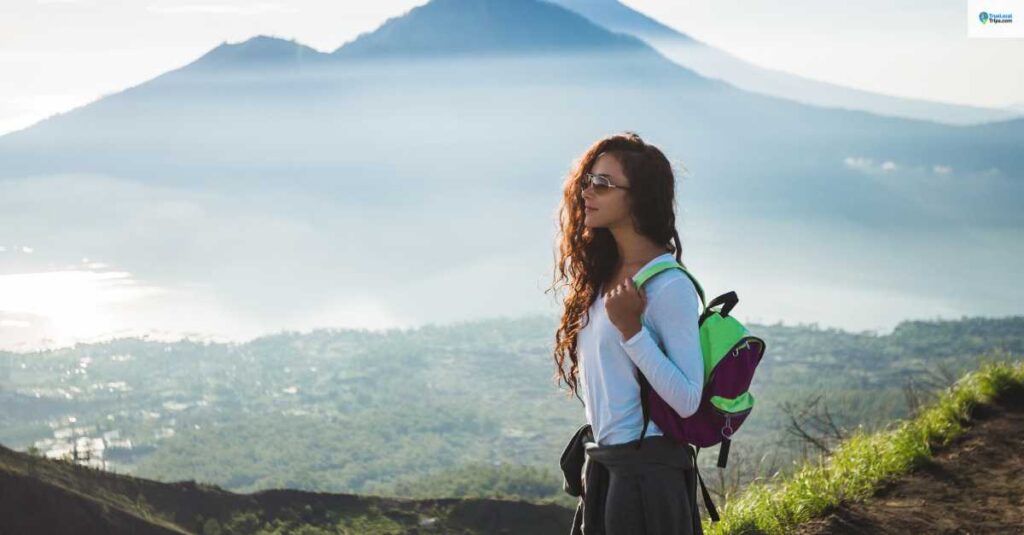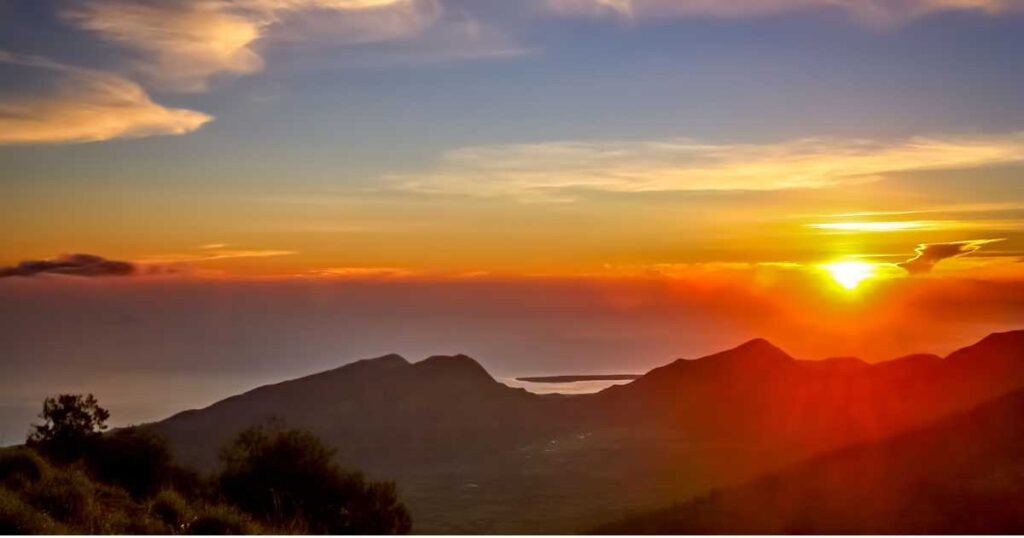
Beyond the famous beaches of Bali and Phuket, there are secret coastlines waiting quietly — untouched, uncrowded, and unbelievably beautiful. These hidden beaches in Southeast Asia are the kind of places where you can walk for miles without seeing another person, where local fishermen still wave as you pass, and where the sound of waves is the only thing you hear.
Many travelers never make it to these spots because they’re harder to reach — sometimes you’ll need a short boat ride, a dirt road adventure, or even a jungle walk. But that’s exactly what makes them special. These beaches keep their natural charm and local soul because they haven’t been overrun by crowds or concrete resorts.
In this guide, you’ll discover lesser-known beaches and secret islands across Indonesia, the Philippines, Thailand, Vietnam, Malaysia, Cambodia, and Sri Lanka. You’ll learn how to get there, when to go, and how to enjoy them responsibly — without harming the environment or disrupting local life.
If you’ve ever dreamed of finding your own quiet paradise, this is your map to it. These places aren’t just destinations — they’re experiences that remind you why travel should still feel wild, pure, and full of wonder.
What Makes a “Hidden Beach” Special
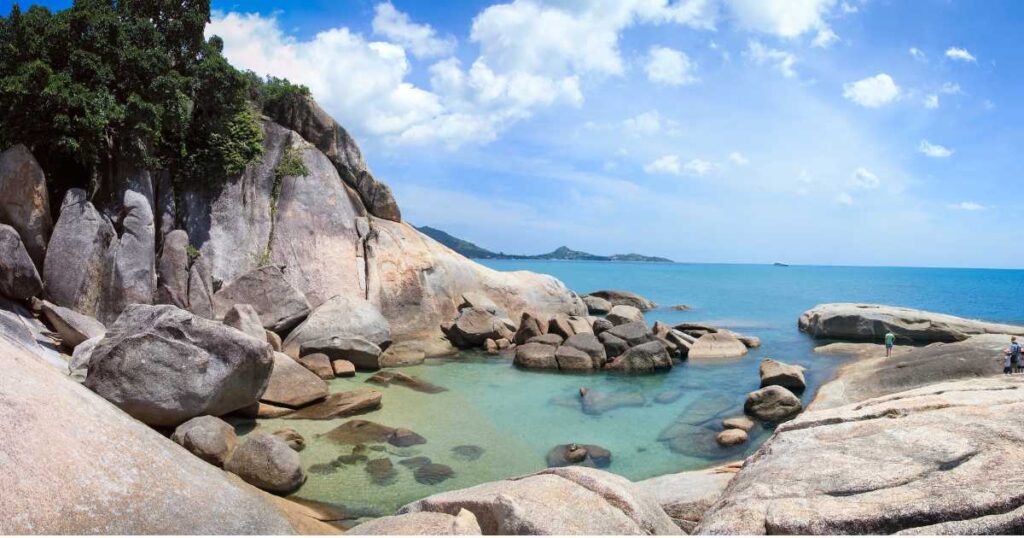
Hidden beaches are not always the most glamorous or the easiest to reach — but they are often the most rewarding. What makes them “hidden” isn’t just their location; it’s the feeling of discovery you get when you finally arrive. These beaches are usually tucked away from crowded tourist routes, accessible only by small boats, winding roads, or hiking trails. That’s what keeps them calm, clean, and authentic.
1. They’re Remote and Peaceful
Unlike commercial beaches lined with bars and shops, hidden beaches are quiet sanctuaries. Here, you’ll find fishing boats instead of jet skis and coconut trees instead of beach clubs. You can nap under palm shade, read a book without background noise, or simply listen to the rhythm of the sea. The peace you feel on a hidden beach is its true luxury — not the price tag, but the freedom from chaos.
2. They’re Still Connected to Local Life
In many of these places, you’ll meet local villagers who live close to nature. They may offer you grilled fish, a homestay, or a boat ride to the next island. These encounters show the heart of Southeast Asia’s culture — simple living, kindness, and connection. Hidden beaches aren’t just about isolation; they’re about experiencing real life away from the crowds.
3. They’re Hard to Find (and That’s a Good Thing)
The best part of hidden beaches is the journey. You might drive through forests, ride motorbikes on narrow roads, or hike past rice fields to reach them. But that extra effort keeps them from being spoiled. When you finally arrive, the untouched beauty makes every step worth it.
4. They’re Eco-Rich and Unspoiled
Most secret beaches are surrounded by thriving marine life — coral reefs, mangroves, and nesting grounds for turtles or exotic birds. Many travelers who visit these beaches also find them perfect for snorkeling or kayaking. Because they’re less visited, the environment stays healthier and cleaner.
5. They’re Growing in Popularity for “Hidden Gem” Travelers
According to Google Trends, searches for “hidden beaches” and “undiscovered islands” in Asia have grown steadily in the past two years. More travelers are looking for authenticity over luxury. This means exploring beyond big names like Phuket and Bali to discover places where tourism still feels natural.
In short, hidden beaches are for those who travel not just to see — but to feel. They are reminders that paradise still exists for people willing to go a little further and look a little deeper.
10 Hidden Beaches in Southeast Asia (Organized by Country)
Southeast Asia is filled with islands and coastlines, but only a few remain untouched by mass tourism. These hidden beaches are perfect for travelers who want peace, beauty, and a glimpse of local life without the crowds. Below, you’ll find ten of the most beautiful secret beaches — each with travel tips, how to get there, and the best time to visit.
1. Indonesia – Pantai Wedi Ombo, Yogyakarta
Tucked away on the southern coast of Java, Pantai Wedi Ombo is a rocky beach known for its natural lagoon surrounded by cliffs. It’s a local favorite that many international travelers miss.
How to Get There: From Yogyakarta, drive about 2.5 hours to Gunungkidul Regency. The road is scenic but winding, so renting a motorbike or hiring a driver is best.
What to Expect: Crystal-clear pools at low tide, perfect for swimming. It’s not ideal for surfing, but it’s amazing for photography and sunset views.
Best Season: May to September (dry season).
Local Tip: Bring snacks and water — there are small local stalls (warungs) but limited choices.
2. Indonesia – Pantai Ora, Seram Island
Often called “the Maldives of Indonesia,” Pantai Ora remains one of the country’s most untouched beach destinations. Wooden bungalows sit above turquoise waters, and coral reefs are visible even from the shore.
How to Get There: Fly from Ambon to Seram Island, then take a 2-hour car and boat ride to the beach.
What to Expect: Overwater bungalows, snorkeling with colorful fish, and zero crowds.
Best Season: April to October.
Local Tip: Bring cash — there are no ATMs nearby.
3. Philippines – Calaguas Island, Camarines Norte
Far from the chaos of Boracay or Palawan, Calaguas Island is pure, white-sand beauty. There are no large resorts here, only simple beach huts and campsites.
How to Get There: From Manila, take a bus to Daet (8 hours) and then a 2-hour boat ride to Calaguas.
What to Expect: Soft sand, crystal waters, and starry skies at night. Perfect for backpackers and campers.
Best Season: March to June.
Local Tip: Bring your own tent or book a local homestay in advance — spots are limited during weekends.
4. Philippines – Daku Island, Siargao
Siargao is known for surfing, but Daku Island offers quiet white sands away from the main spots. The word “Daku” means “big” in the local dialect, and it’s the largest of three small islands near General Luna.
How to Get There: Take a short boat ride from General Luna’s harbor (about 15–20 minutes).
What to Expect: Palm trees, small huts selling coconut drinks, and calm waters for swimming.
Best Season: March to September.
Local Tip: Bring cash for a small entrance fee (about 100 pesos).
5. Thailand – Koh Kradan, Trang Province
Among Thailand’s southern islands, Koh Kradan stands out for its white beaches and clear blue water. It’s peaceful compared to busy Koh Phi Phi or Phuket.
How to Get There: Fly or bus to Trang, then take a one-hour boat ride.
What to Expect: A hidden paradise with coral reefs right near the shore.
Best Season: November to April.
Local Tip: Stay overnight — most day trippers leave by afternoon, leaving the island completely quiet.
6. Vietnam – Bai Xep, Quy Nhon
Nestled between fishing villages, Bai Xep is a golden-sand beach surrounded by small hills and coconut palms. It’s still mostly unknown to foreign tourists.
How to Get There: Fly to Quy Nhon, then take a 15-minute taxi to Bai Xep.
What to Expect: Clear water, friendly locals, and guesthouses on the sand.
Best Season: February to August.
Local Tip: Visit the local seafood market early morning — the grilled squid is a must-try.
7. Malaysia – Kapas Island, Terengganu
Kapas Island is often overshadowed by the Perhentians, but it’s just as stunning — and far quieter. With powdery sand and crystal water, it’s a paradise for snorkelers.
How to Get There: Take a ferry from Marang Jetty (15 minutes).
What to Expect: Coral reefs close to shore, simple chalets, and total peace.
Best Season: March to September.
Local Tip: No ATMs or big shops — bring cash and snacks before boarding.
8. Cambodia – Koh Ta Kiev
Just off the coast of Sihanoukville, Koh Ta Kiev is a wild island with golden sand, clear water, and a bohemian vibe. There are only a few eco-resorts and no roads.
How to Get There: Take a 30-minute boat from Otres Beach, Sihanoukville.
What to Expect: Hammocks, beach huts, and quiet nights under the stars.
Best Season: November to April.
Local Tip: Electricity is limited, so charge your devices before visiting.
9. Sri Lanka – Silent Beach, Tangalle
True to its name, Silent Beach is a peaceful stretch of coastline in southern Sri Lanka. It’s perfect for swimming, sunbathing, and slow walks along golden sands.
How to Get There: Take a bus or tuk-tuk from Tangalle town (10 minutes).
What to Expect: Calm waters, palm trees, and a few boutique guesthouses.
Best Season: December to April.
Local Tip: Visit early morning to catch local fishermen pulling nets — it’s beautiful to watch.
10. Myanmar – Gwa Beach, Rakhine Coast
While Myanmar isn’t as popular yet for beach travel, Gwa Beach is one of its best-kept secrets. With soft sand and zero commercialization, it feels like stepping back in time.
How to Get There: Drive from Yangon (about 7–8 hours).
What to Expect: Local fishing villages, clear blue water, and no resorts in sight.
Best Season: November to March.
Local Tip: Bring everything you need — there are no ATMs or major facilities.
Each of these beaches offers something unique — from coral-filled lagoons to untouched golden shores — but what they all share is serenity. They remind you that real beauty still exists in places that maps barely mention.
Tips for Exploring Hidden Beaches Responsibly
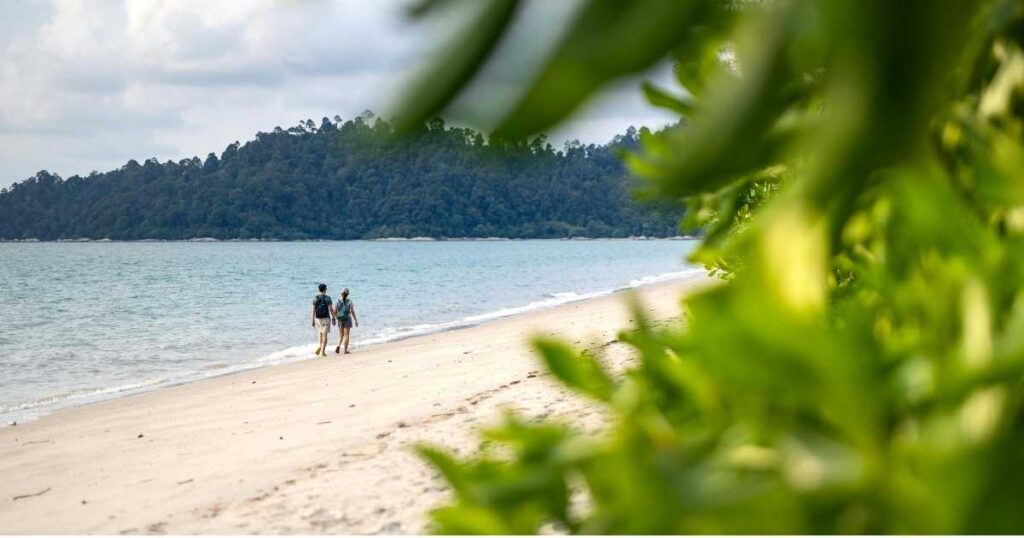
Finding hidden beaches in Southeast Asia is exciting, but keeping them clean and respectful is even more important. These places stay beautiful because travelers treat them with care. Use these simple habits to protect nature, support locals, and keep the magic alive for the next visitor.
Pack it in, pack it out. Bring a small trash bag and take all waste back with you, including food wrappers, plastic bottles, cigarette butts, and tissue. Many remote beaches have no bins, so your bag is the bin until you reach town.
Choose reef-safe habits. If you plan to swim or snorkel, avoid touching coral, standing on reefs, or kicking sand into shallow coral beds. Use long-sleeve rash guards to reduce sunscreen use, and if you apply sunscreen, let it absorb before entering the water. Never collect shells, starfish, or sand as souvenirs.
Watch the tide and currents. Many hidden beaches have strong rip currents and sudden tide changes. Check tide charts before arriving, ask locals about safe swimming spots, and avoid rocky areas during high surf. If jellyfish are common in a region, pack vinegar sachets or ask nearby homestays what they recommend for stings.
Keep noise low and drones respectful. Hidden beaches are peaceful because they are quiet. If you fly a drone, ask nearby people first and avoid early mornings and prayer times. Some areas restrict drones near wildlife or villages—when in doubt, skip it.
Use marked paths and soft footsteps. Stick to existing trails to prevent erosion and protect dune plants. Wear sandals or reef shoes on rocky entries so you don’t crush small creatures. If you see turtle nests or posted signs, give them space and keep lights low at night.
Support the local economy. Buy snacks, coconuts, or lunch from the nearest village instead of bringing everything from a supermarket. Hire local boatmen and guides who know safe routes, reefs, and weather patterns. A small spend from you makes a big difference to island families.
Be mindful with campfires and cooking. Many beaches are windy and dry. If fires are allowed, keep them below the high-tide line, small, and fully extinguished with seawater. Better yet, use a small camping stove on stable sand and pack out all food scraps to avoid attracting animals.
Toilet etiquette matters. Use established toilets where possible. If not available, go at least 70 meters from the waterline and bury waste properly. Never leave tissue on the surface—pack it out in a zip bag.
Share locations with care. To protect fragile places, consider tagging the general region instead of the exact geotag on social media. If you post, add a line about Leave No Trace to encourage responsible visits.
Respect culture first. Hidden beaches often sit beside fishing villages or sacred sites. Dress modestly when passing through communities, ask before photographing people or boats, and keep alcohol consumption discreet. A friendly greeting and a smile go a long way.
Simple gear checklist. Dry bag, reusable water bottle, small trash bag, reef shoes, light first-aid kit, vinegar sachets for stings, power bank, and cash for local boats or stalls. Many secret spots have no ATMs or signal.
By following these small steps, you help keep hidden beaches in Southeast Asia wild, clean, and welcoming. Responsible travelers are the reason these special places can stay special.
Best Time of Year & Weather Considerations
The best time to explore hidden beaches in Southeast Asia depends on the country and the monsoon seasons. Because these beaches stretch across many islands and climates, understanding when to go can help you enjoy perfect weather while avoiding rain, high winds, or dangerous seas.
Dry Season: The Golden Months
Most of Southeast Asia’s beaches shine between November and April. This period brings clear skies, calm seas, and warm temperatures averaging between 27–32°C (81–90°F). The water visibility is best for snorkeling and diving, and the sea is gentle enough for small boat trips.
- Indonesia & Philippines: May to September is dry, especially in Bali, Lombok, and northern Philippines. These are ideal for coral viewing and camping.
- Thailand: November to April is the classic beach season, especially on the Andaman side (Phuket, Krabi, Koh Kradan). The Gulf side (Koh Samui, Koh Tao) stays drier from February to September.
- Vietnam: March to August offers calm water in central areas like Quy Nhon and Bai Xep, while the north and south have mixed rain patterns.
- Malaysia: The east coast (Kapas Island, Perhentians) is best from March to September, while the west coast (Langkawi, Penang) is ideal from November to April.
- Cambodia: November to April gives sunshine and flat seas for Koh Ta Kiev.
- Sri Lanka: The southern beaches (Tangalle, Silent Beach) are best from December to April.
Rainy Season: Quieter, Greener, and Cheaper
From May to October, the monsoon brings short but intense rain showers. Don’t let that scare you away — mornings are often sunny, and the rain cools down the air. It’s also the time when nature is lush and accommodation is cheaper. If you love fewer tourists and don’t mind occasional storms, this can be the perfect season for you.
During the wet months, avoid long boat trips or camping on exposed beaches because waves can rise quickly. Some ferry routes, especially in small islands, close for safety. Always check local conditions before traveling.
Temperature and Comfort Tips
Even during rainy months, temperatures rarely drop below 25°C (77°F). Bring light, quick-dry clothing, and sandals that can handle wet ground. The humidity is high year-round, so staying hydrated is key. Coconut water, fresh fruit juices, and bottled water are your best friends.
If you plan to explore during shoulder seasons — October–November or April–May — you’ll get the best of both worlds: lower prices and decent weather.
Quick Travel Planning Table
| Country | Best Months | Weather Notes |
|---|---|---|
| Indonesia | May–September | Dry, sunny, good surf |
| Philippines | March–June | Calm seas, hot days |
| Thailand | November–April | Best for Andaman beaches |
| Vietnam | March–August | Warm and dry |
| Malaysia | March–September (East) | Clear water for snorkeling |
| Cambodia | November–April | Perfect weather |
| Sri Lanka | December–April | Calm seas, bright skies |
By planning your trip around these months, you’ll enjoy the clearest water, safest boat rides, and best sunsets. If your schedule is flexible, aim for the early dry season — it’s when nature feels fresh, locals are less busy, and prices haven’t peaked yet.
Also Read: How to Travel Indonesia on a Budget: 10-Day Itinerary for First-Timers
FAQs (People Also Ask)
1. Are hidden beaches safe to swim in?
Most hidden beaches are safe for swimming, but always ask locals first. Some remote beaches may have strong currents or rocky seabeds. Swim only during calm seas and avoid going too far from shore.
2. How can I find undiscovered beaches in Southeast Asia?
Talk to local fishermen, guesthouse owners, or motorbike rental shops — they often know secret spots not listed online. You can also explore using Google Maps satellite view or local Facebook travel groups.
3. Do hidden beaches have accommodation nearby?
Many hidden beaches have small homestays, eco-lodges, or beach huts nearby. In very remote areas, camping may be the only option, so bring a tent or hammock. Always book early during dry season.
4. Are there any hidden beaches near Bali or Phuket?
Yes. Near Bali, try Nyang Nyang Beach or Amed’s quiet coves. Near Phuket, Koh Kradan and Freedom Beach are peaceful and less crowded than main tourist spots.
5. Can I visit hidden beaches during the rainy season?
Yes, but plan carefully. Some ferries stop running due to rough seas, and certain trails may become muddy. If you go, stay flexible and check local forecasts before traveling.
6. What should I bring to hidden beaches?
Bring sunscreen, insect repellent, a reusable water bottle, snacks, a dry bag, and some cash — ATMs are rare near remote areas. Also pack a trash bag to carry your waste back.
7. Are hidden beaches good for snorkeling?
Absolutely. Most hidden beaches have vibrant reefs because fewer tourists visit them. Bring your own snorkeling gear if possible since rentals are limited.
Conclusion and Call-to-Action
Hidden beaches are the heart of Southeast Asia’s untouched beauty — places where time slows down, waves whisper, and you remember what real travel feels like. Away from the tourist crowds, these quiet stretches of sand offer something rare: a chance to connect with nature, with locals, and with yourself.
From Indonesia’s calm lagoons to Cambodia’s wild islands and Sri Lanka’s golden shores, each secret beach has its own rhythm and story. Some welcome you with crystal lagoons, others with simple fishing villages and open smiles. The journey to reach them may take effort, but the reward is peace — the kind that big resorts can never sell.
If you decide to visit, travel gently. Support small local businesses, respect the environment, and leave every place cleaner than you found it. These hidden beaches stay magical because travelers like you care enough to protect them.
So next time you crave adventure, skip the crowded coastlines and go find your own secret paradise. The best beaches aren’t the ones everyone posts about — they’re the ones you’ll remember quietly, long after your footprints have faded from the sand.