Have you ever wanted to step back in time — to a place where history meets street life, and every corner tells a story worth photographing? Welcome to Old Batavia, or Kota Tua Jakarta, the city’s most photogenic district. Once the bustling center of Dutch colonial trade, it’s now a living museum filled with faded architecture, charming cafés, and the kind of old-world atmosphere that feels frozen in time.
For travelers and photographers, an Old Batavia Jakarta photo walk is one of the most rewarding experiences in the city. You can capture stunning colonial buildings glowing in the morning sun, reflections along the Kali Besar canal, and life unfolding in narrow alleys — where heritage and modern life coexist.
But exploring this area isn’t just about taking pictures. It’s about feeling Jakarta’s layered history — from Dutch traders to present-day artists and café owners who have brought new life into these weathered streets. This self-guided route helps you discover the best photo spots, local cafés to rest in, and tips to make your walk safe, enjoyable, and full of great shots.
By the end of this guide, you’ll know how to explore Old Batavia like a pro photographer — at your own pace, without needing a tour guide. Ready? Let’s begin your visual journey through the colonial heart of Jakarta.
Why Old Batavia Is a Photographer’s Dream
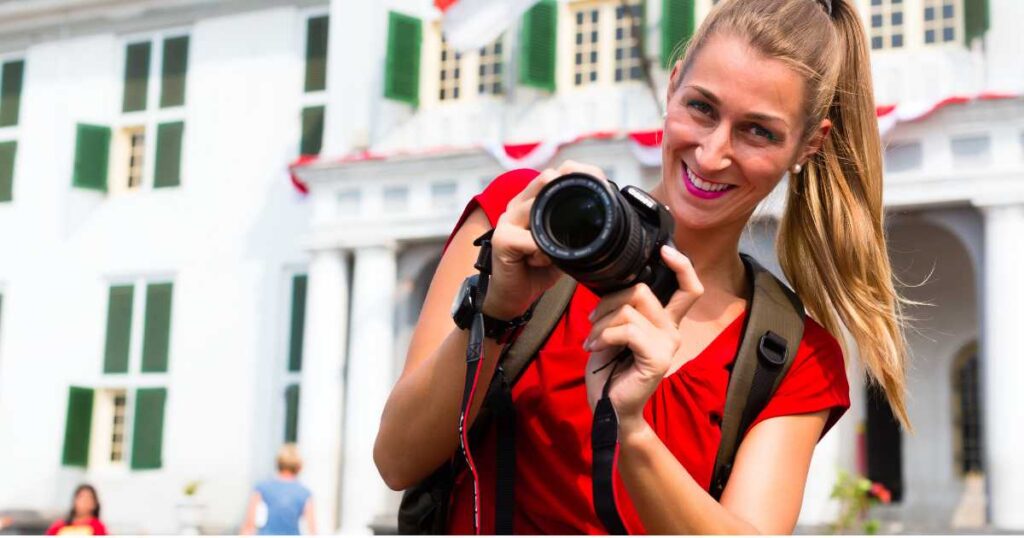
Old Batavia — known locally as Kota Tua Jakarta — isn’t just a place for history lovers. It’s a living canvas where past and present meet, making it one of Southeast Asia’s most fascinating urban photography spots. Every building, bicycle, and shadow here has a story to tell.
1. A Quick Look Back in Time
Old Batavia was once the headquarters of the Dutch East India Company in the 17th century. Its elegant European-style buildings and wide canals gave it the nickname “the Queen of the East.” Although time and tropical weather have worn the walls, restoration efforts by the Jakarta Heritage Society have helped revive its colonial charm. The contrast between fading facades and newly restored landmarks gives photographers endless compositions — every angle feels cinematic.
2. A Blend of Architecture and Culture
The architecture in Old Batavia is a mix of Dutch, Chinese, and Indonesian styles. Grand colonial offices sit next to old Chinese shophouses and street vendors selling iced drinks under crumbling arcades. For photographers, this blend of cultures creates visual drama: aged textures, colorful shutters, and daily human life in motion. Early mornings are best to capture the golden light hitting the cream-colored walls, while evenings are perfect for softer tones and reflections.
3. The Revival of Heritage
Over the past few years, the city government and local artists have worked hard to bring new life to the area. Once quiet streets now have lively cafés, small galleries, and art murals that turn forgotten corners into modern photo backdrops. What makes it unique is this contrast — the mix of vintage and modern — that tells Jakarta’s story of resilience and reinvention.
4. Everyday Life as Art
Beyond the famous landmarks, everyday life here is endlessly photogenic. Cyclists in vintage outfits, street musicians near Fatahillah Square, and children feeding pigeons near the museums — they bring warmth and movement to your shots. You don’t need expensive equipment; even a smartphone captures magic here if you know where to look.
Old Batavia isn’t just beautiful — it’s deeply human. The cracks, the colors, the people — everything blends into a rare charm that modern cities often lose.
Starting Point — Fatahillah Square
Your photo walk begins at Fatahillah Square (Taman Fatahillah) — the heart of Old Batavia and one of Jakarta’s most recognizable landmarks. This large cobblestone plaza is surrounded by grand colonial buildings, lively street performers, and colorful bicycles that make it a perfect starting point for photographers and explorers alike.
1. Capture the Colonial Atmosphere
The main attraction here is the Jakarta History Museum (Museum Fatahillah), a former city hall built in 1710. Its grand white facade and red-tiled roof stand proudly against the skyline, offering perfect symmetry for wide-angle shots. Try photographing it during early morning light (around 7–8 AM) when the crowds are thin and the sun paints a soft golden glow across the square.
Around the square, you’ll also spot Museum Wayang (Puppet Museum) and Museum Seni Rupa dan Keramik (Fine Arts & Ceramics Museum) — both housed in Dutch-era buildings that add to the old-world charm. The rustic wooden windows, colonial arches, and fading paint all make excellent textures for close-up shots.
2. Café Batavia — A Timeless Stop
On the north side of the square sits the legendary Café Batavia, one of Jakarta’s oldest restaurants, dating back to the 1830s. Its vintage interiors — wooden floors, antique mirrors, and black-and-white portraits — transport you straight into the colonial era.
Grab a seat by the window on the second floor for the best photo view overlooking Fatahillah Square. The café’s old charm mixed with natural light makes it a dream location for photography and a relaxing coffee break after your first round of shots.
3. Street Life and Local Performers
Throughout the day, you’ll see street artists, human statues, and cyclists offering vintage bicycles (sepeda ontel) for rent — complete with old-fashioned hats and props. These playful moments make for fun, spontaneous photos that show the lighter side of Jakarta’s history. Don’t forget to tip the performers if you take pictures.
4. Best Photo Tips
- Timing: Visit between 7 AM and 9 AM for soft light and fewer crowds.
- Angles: Capture the square from Café Batavia’s upstairs window for a unique aerial perspective.
- Gear: A wide lens (or phone’s 0.5x mode) works best to capture the full colonial symmetry.
Fatahillah Square isn’t just the beginning of your walk — it’s the stage that sets the tone for the entire Old Batavia experience.
Route Stop 2 — Kali Besar Canal
From Fatahillah Square, take a short walk south along Jalan Kali Besar Barat, and you’ll arrive at one of Old Batavia’s most photogenic spots — the Kali Besar Canal. Once known as the “Venice of the East,” this canal area was home to wealthy Dutch merchants during the colonial era. Today, it’s a beautifully restored waterfront lined with heritage buildings, new pedestrian walkways, and charming bridges — perfect for photographers seeking urban nostalgia.
1. A Glimpse into the Past
Kali Besar was once a major trade route in the 1700s, connecting Sunda Kelapa Harbor to the city center. The old warehouses (gudang tua) that once stored spices and textiles now stand as silent witnesses to Jakarta’s maritime history. Many of them are in the process of restoration, adding an atmospheric blend of decay and renewal that’s great for architectural photography.
You can capture stunning reflection shots early in the morning or just before sunset when the canal water turns golden and mirrors the colonial facades.
2. The Pedestrian Walkway & Bridges
The newly renovated Kali Besar Boardwalk is a wide, clean path perfect for walking and taking steady handheld shots. It’s lined with street lamps and benches that create leading lines in your photos. Two small bridges — one near Museum Bahari and another near the canal’s midpoint — provide excellent framing points for symmetry lovers.
If you’re using a smartphone, stand in the center of the bridge, crouch slightly, and let the lines of the boardwalk guide the viewer’s eye into the photo.
3. Street Details Worth Capturing
Look for small details: wooden shutters half-opened, bicycle rickshaws parked near the water, or reflections of red roofs on the calm canal surface. Occasionally, you might spot local fishermen or artists sketching by the water — perfect human elements to add depth to your images.
4. Safety & Etiquette
The area is generally safe and well-patrolled, but visit during daylight hours for the best experience. Keep your camera strap secure and avoid standing too close to the canal edge. Locals are friendly — a smile or “Selamat pagi” (good morning) often earns you a smile back.
5. Nearby Cafés & Rest Stops
There are several small coffee stalls and heritage-themed cafés along Kali Besar Barat. Stop by Historia Café or Batavia Market Café for a quick drink, Wi-Fi, and a few portrait shots against vintage backdrops.
Kali Besar combines the elegance of Dutch colonial architecture with Jakarta’s new creative energy — it’s where the city’s old soul meets its modern heart.
Route Stop 3 — Sunda Kelapa Harbor
A 10-minute ride north from Kali Besar (you can walk, take a bajaj, or use GoJek) brings you to Sunda Kelapa Harbor, one of Jakarta’s oldest and most iconic ports. This is where Old Batavia’s story truly began — a place where traders from China, India, Arabia, and Europe once exchanged spices, ceramics, and textiles. Today, Sunda Kelapa is still active, filled with wooden schooners (pinisi) that make it a dream location for photographers who love maritime scenes and rustic textures.
1. The Historic Harbor Scene
As you arrive, you’ll see dozens of towering pinisi ships lined along the docks. These colorful wooden vessels — painted in white, blue, and green — still carry goods between islands across Indonesia. The tall masts, ropes, and reflections in the water create dramatic compositions, especially during sunrise and sunset.
Locals often call this harbor “Jakarta’s living postcard” because it still looks almost the same as it did centuries ago. For wide shots, stand near the harbor gate or climb the small bridge on Jalan Maritim Raya for elevated angles.
2. Photographing the Workers
You’ll see crews loading and unloading heavy cargo like rice, cement, and fruit. The scenes are raw, real, and full of character — strong silhouettes, weathered hands, and lively expressions. Always ask permission before photographing workers; most will agree if you smile or offer a small tip. Try to shoot from a respectful distance to capture candid moments without intruding.
3. Best Time for Photos
- Morning (6:00–8:00 AM): Golden light, fewer tourists, and active workers.
- Late Afternoon (4:30–6:00 PM): Warm tones and perfect reflections.
- Avoid midday if possible — the sun can be harsh, and the docks get very hot.
4. Safety and Permissions
Sunda Kelapa is safe but uneven underfoot — wear sturdy shoes and watch for ropes or slippery planks. Photography is allowed in most areas, but if you plan to use drones or professional equipment, check with the local harbor office.
5. Add Some Storytelling Shots
Don’t just focus on the ships — include details like ropes, anchors, workers’ hands, or peeling paint. Capture contrasts between light and shadow. These storytelling shots often become the most powerful memories from your trip.
6. Local Tip
After your shoot, stop by the nearby Maritime Museum (Museum Bahari) — housed in old spice warehouses. The museum provides great historical context for the harbor and offers more indoor photography opportunities with restored colonial interiors.
Sunda Kelapa is where the journey of Old Batavia began — and it still feels timeless. The creaking boats, salty breeze, and early morning light make this spot unforgettable for any photographer.
Route Stop 4 — Art & Coffee Spots
After exploring Sunda Kelapa, make your way back toward the center of Kota Tua for the creative and cozy side of Old Batavia — its art spaces and heritage cafés. These spots are perfect for a rest, photo editing session, or capturing the city’s mix of vintage charm and modern lifestyle.
1. Jakarta History Museum (Museum Sejarah Jakarta)
Located right on Fatahillah Square, this museum is worth revisiting during late afternoon when the light streams through tall colonial windows. The interior is filled with antique furniture, maps, and vintage portraits that make great compositions, especially for photographers who love moody, cinematic shots.
2. Art Galleries & Mural Streets
Wander a few blocks south of the square to find small art spaces like Museum Bank Indonesia and Museum Bank Mandiri — both beautifully restored buildings with grand columns and marble floors. Around the corners, you’ll also discover street murals painted by local artists. These vibrant walls blend modern creativity with historical backdrops, offering unique contrast for your lens.
If you enjoy photographing people, this is a great area for candid portraits — local students and artists often hang out here sketching, chatting, or filming short videos.
3. Hidden Cafés You’ll Love
- Historia Café: Set in a restored 19th-century warehouse, this café has tall ceilings, exposed brick, and beautiful natural light. Try sitting near the windows for soft portraits or food photos.
- Batavia Market Café: A charming stop near Kali Besar, known for its coffee and antique decor. Ideal for capturing cozy interiors and travel-lifestyle content.
- Toko Kopi Tua: A quieter spot tucked between restored buildings — perfect for editing your photos or taking a break away from the crowds.
4. The Perfect “Café Shot”
Order a local drink like es kopi susu (iced coffee milk) and photograph it against old wooden tables or vintage tile floors. Many of these cafés still use original Dutch-era furniture — details that make your photo feel timeless.
5. Local Insight
Many of these cafés and galleries support community art events or heritage preservation. Buying a coffee or postcard here helps sustain their efforts — a small way to give back while you explore.
By the time you’ve explored these spots, you’ll have captured every side of Old Batavia: its history, architecture, people, and modern creativity — all within a few walkable blocks.
Practical Tips for Your Photo Walk
A self-guided photo walk through Old Batavia is easy, fun, and full of surprises — but a few simple tips can make your experience smoother and your shots even better. Here’s everything you need to know before heading out with your camera or phone.
1. Best Time to Go
- Morning (6:30–9:00 AM): Soft light, fewer tourists, cooler weather, and friendly locals starting their day.
- Late Afternoon (4:00–6:00 PM): Golden hour glow, lively cafés, and romantic shadows on colonial walls.
- Avoid Midday: The sun can be harsh, and the light flattens details — unless you’re shooting indoors or for high-contrast street shots.
2. What to Wear & Carry
- Lightweight, breathable clothing (Jakarta can be hot and humid).
- Comfortable walking shoes — streets can be uneven.
- A hat, sunglasses, and sunscreen.
- A refillable water bottle (there are few convenience stores inside the heritage zone).
- Small bills for café stops and tips.
- A camera or smartphone, plus a power bank or extra battery.
3. Entry Fees & Access
Most outdoor areas in Kota Tua are free to explore. Museums charge small entrance fees (usually under IDR 10,000–25,000). Cafés and galleries are free entry but expect to buy something if you stay long.
4. Photography Etiquette
- Always ask before taking close-up shots of people or private property.
- Be mindful of museum rules — some restrict flash photography.
- Keep sidewalks clear; don’t block paths while setting up shots.
- Avoid drone use unless you have permission from the Jakarta Heritage Authority.
5. Safety and Comfort
Old Batavia is generally safe during daylight hours, especially around Fatahillah Square and Kali Besar. Still, be cautious with valuables and avoid wandering into isolated alleys after dark. Always trust your instincts.
6. Connectivity & Maps
Download your Google Maps route before heading out — internet signals can drop in certain areas. You can also pick up a printed walking map at Café Batavia or the Jakarta History Museum.
7. Respect the Heritage
Many of these buildings are fragile and centuries old. Avoid touching painted walls or climbing on structures for photos. Treat the area as both a cultural site and a community space — your respect helps preserve it.
With these tips in mind, you’re ready to capture Jakarta’s most historic neighborhood with confidence and care — whether you’re snapping for memories, social media, or a travel blog.
Suggested 3-Hour Itinerary Map
Exploring Old Batavia doesn’t have to take all day — in about three hours you can cover the most photogenic and historic spots while still having time for a coffee (or two). Here’s an easy, self-guided route you can follow on foot or by short GoJek hops if the weather gets too hot.
🕕 Hour 1: Fatahillah Square & Café Batavia
- Start: Arrive early (around 7 AM) to enjoy the calm before the crowd.
- Shoot: Jakarta History Museum façade, street performers, vintage bicycles.
- Coffee break: Grab breakfast or an iced latte at Café Batavia, where you can photograph the square from the upstairs windows.
🕖 Hour 2: Walk to Kali Besar Canal
- Route: Head south along Jalan Kali Besar Barat (5-minute walk).
- Shoot: Canal reflections, old warehouses, boardwalk lanes.
- Pause: Rest on one of the benches for candid street shots of locals and cyclists passing by.
🕗 Hour 3: Sunda Kelapa Harbor & Art Stops
- Travel: Ride a short GoJek or bajaj north to Sunda Kelapa Harbor.
- Shoot: Colorful pinisi boats, harbor workers, and sunset light if you arrive late.
- Return: Head back toward Kota Tua to visit Historia Café or Toko Kopi Tua for coffee and quick photo editing before leaving.
🗺 Map Tip
You can preview and save the route on Google Maps by searching:
“Old Batavia Photo Walk – TrueLocalTrips Route”
This highlights Fatahillah Square → Kali Besar → Sunda Kelapa → return cafés.
Optional Add-Ons (If You Have More Time)
- Museum Bank Indonesia – elegant neoclassical interior, great for architecture shots.
- Museum Wayang – colorful puppets, perfect for creative close-ups.
- Street Murals – found around Jalan Pintu Besar Utara, adding modern contrast to the old setting.
With this itinerary, you’ll walk through Jakarta’s history, culture, and creativity — and return with a full gallery of photos that tell the story of a city balancing its colonial past and modern energy.
FAQs About the Old Batavia Jakarta Photo Walk
1. Is Old Batavia safe for solo travelers or photographers?
Yes, it’s generally safe during daylight hours. Just stay in busy areas like Fatahillah Square and Kali Besar, keep your gear secure, and avoid isolated streets after dark.
2. How long does it take to explore Old Batavia on foot?
A self-guided walk covering the main attractions — Fatahillah Square, Kali Besar, and Sunda Kelapa — takes about 2.5 to 3 hours at a relaxed pace, plus café breaks.
3. What’s the best time for photography in Old Batavia?
Early morning (6:30–9:00 AM) offers soft golden light and fewer crowds. Late afternoon (4:00–6:00 PM) is also beautiful, especially for canal reflections and café interiors.
4. Do I need a guide for the photo walk?
No, it’s easy to explore on your own. But if you want historical stories or hidden spots, hiring a local guide or joining a photography tour can add depth to your experience.
5. Are there public restrooms or places to rest?
Yes, you’ll find clean facilities inside Café Batavia, Museum Bank Indonesia, and Historia Café. Small convenience stores are also nearby for quick refreshments.
6. Can I use drones in Old Batavia?
Drone use is restricted in most areas. You need permission from the Jakarta Heritage Authority. Stick to handheld or street-level photography unless you have a permit.
7. What should I bring for the walk?
Comfortable shoes, bottled water, small cash, a hat, sunscreen, and your camera or smartphone with backup batteries.
Also Read: 48 Hours in Jakarta — A Local-Style Weekend Itinerary (Food, Old Town & Islands)
Conclusion
Old Batavia is more than Jakarta’s historic district — it’s a time capsule where every wall, canal, and café whispers stories from centuries past. Walking through its colonial streets, you’ll feel the rhythm of a city that has evolved yet still carries traces of its Dutch-era grandeur.
A self-guided Old Batavia Jakarta photo walk lets you slow down, notice the details, and see Jakarta from a fresh perspective. From the elegant symmetry of Fatahillah Square to the glowing reflections of Kali Besar and the timeless harbor at Sunda Kelapa, every corner offers something worth capturing.
Beyond the lens, it’s also about connection — with the people, the atmosphere, and the gentle mix of history and modern life. Sit in a quiet café, watch the light change across old windows, and remember that you’re standing where centuries of traders, artists, and dreamers once stood.
So, charge your camera, wear comfortable shoes, and let Old Batavia’s charm unfold before you — one photo, one story, and one smile at a time.