
Imagine sailing across turquoise waters, hopping from one island to another, discovering hidden beaches, coral reefs, and local cultures along the way. That’s what island hopping in Indonesia feels like — a journey that’s as much about the adventure as it is about the beauty in between. With over 17,000 islands scattered across the world’s largest archipelago, Indonesia offers endless opportunities for travelers who dream of exploring paradise beyond the usual tourist spots.
From Bali’s vibrant beaches to Komodo’s rugged cliffs and the tranquil Gili Islands, each island offers something unique — a new flavor, a new culture, a new adventure. Whether you’re chasing sunsets, snorkeling with sea turtles, or learning local traditions, island hopping lets you experience the true diversity of Indonesia. It’s a journey that blends nature, culture, and adventure into one unforgettable trip.
In this guide, you’ll learn everything you need to plan your perfect island-hopping adventure: the best routes to take, how to get around, where to stay, what to pack, and how to travel responsibly while supporting local communities. By the end, you’ll be ready to create your own island story — one filled with color, freedom, and discovery.
How to Get Around the Islands

Traveling between Indonesia’s islands is easier than many first-time visitors expect, thanks to a mix of ferries, speedboats, and short domestic flights that connect even the most remote corners of the archipelago. The key to a smooth island hopping Indonesia experience is knowing which transport options fit your time, budget, and comfort level.
1. Ferries – The Most Common and Budget-Friendly Option
Public ferries are the backbone of inter-island travel in Indonesia. Operated by PELNI (the national shipping company), these large passenger ships connect major islands such as Java, Bali, Lombok, Sulawesi, Sumatra, and Papua. They’re slow but scenic, allowing travelers to sit on deck and enjoy wide-open ocean views.
- Ideal for: Budget travelers and those who love slow travel.
- Average cost: Rp 50,000–200,000 ($3–13 USD) depending on distance.
- Travel tip: Book tickets early during holidays, and bring your own snacks and a light blanket for long routes.
For shorter hops, such as Bali to Lombok or Java to Bali, smaller ferries operate almost every hour. These ferries can carry both passengers and vehicles and are perfect for those bringing motorbikes or cars across islands.
2. Speedboats – Fast and Flexible
If you want to save time or visit smaller islands, speedboats are the best option. They connect popular tourist routes such as Bali to the Gili Islands, Lombok to Nusa Penida, or Labuan Bajo to Komodo and Flores. Many private operators offer daily departures.
- Ideal for: Travelers short on time who want quick transfers.
- Average cost: Rp 250,000–600,000 ($15–40 USD) per trip.
- Travel tip: Always check the weather before traveling by speedboat — waves can be rough during the rainy season (November–March).
3. Local Boats – For Remote and Authentic Adventures
In smaller communities and remote areas like the Togian Islands or Raja Ampat, traditional wooden boats called jukung or perahu are still widely used. These boats may not be luxurious, but they offer a chance to travel like locals and experience authentic island life.
- Ideal for: Adventurous travelers who want local experiences.
- Average cost: Negotiable, usually Rp 50,000–150,000 depending on distance.
- Travel tip: Bring waterproof bags, as splashes are common, and expect flexible schedules — locals often wait for enough passengers before departing.
4. Budget Flights – The Quickest Way to Cover Long Distances
Indonesia’s domestic flight network is vast, and budget airlines like Lion Air, AirAsia, and Citilink connect major islands within one to two hours. Flights are especially useful for covering longer distances, such as Jakarta to Bali, or Bali to Labuan Bajo.
- Ideal for: Travelers on tight schedules.
- Average cost: Rp 600,000–1,200,000 ($40–80 USD) depending on the route and season.
- Travel tip: Check baggage rules carefully — budget airlines often charge extra for checked luggage.
5. Combination Routes – Mix Transport for Flexibility
Most travelers combine several transport options to maximize both adventure and comfort. For example, you might fly from Jakarta to Bali, take a ferry to Lombok, and then a speedboat to the Gili Islands. Planning flexible connections ensures you can adjust to weather changes or local schedules easily.
6. When to Travel Between Islands
The best time for island hopping is during the dry season (April–October) when seas are calm, skies are clear, and visibility for snorkeling or diving is excellent. During the rainy season (November–March), some boat schedules are reduced due to rougher waters, especially in eastern Indonesia.
Getting around Indonesia’s islands is not just about transportation — it’s part of the adventure. Whether you’re watching dolphins from the ferry deck or hopping onto a small boat to reach a hidden cove, every journey between islands feels like a story in motion.
Top Island Hopping Routes
Indonesia’s 17,000 islands may seem endless, but some routes are perfectly designed for travelers who want to combine adventure, culture, and relaxation in one unforgettable journey. Whether you dream of swimming with turtles, hiking volcanoes, or wandering through fishing villages, these island hopping Indonesia routes offer the best of what this vast archipelago has to offer.
1. Bali → Nusa Penida → Lombok → Gili Islands
This is the most popular and beginner-friendly island hopping route in Indonesia, offering a perfect mix of beaches, adventure, and local charm.
Bali
Start your trip in Bali, the cultural heart of Indonesia. Spend a few days exploring Ubud’s rice terraces, watching traditional dance performances, and relaxing on the beaches of Seminyak or Canggu. Bali is also the ideal place to prepare — withdraw cash, buy SIM cards, and get familiar with local travel apps like Traveloka or Tiket.com.
Highlights: Uluwatu Temple, Tanah Lot sunset, Tegallalang Rice Terrace, Ubud Market.
How to travel onward: Take a fast boat from Sanur or Padangbai to Nusa Penida (30–45 minutes).
Nusa Penida
Nusa Penida feels like a wilder version of Bali — dramatic cliffs, turquoise waters, and quiet beaches. It’s perfect for photography lovers and adventurers.
Highlights: Kelingking Beach, Angel’s Billabong, Broken Beach, Diamond Beach, and snorkeling with manta rays at Manta Point.
How to travel onward: Take a fast boat from Nusa Penida to Lombok (approximately 2–3 hours).
Lombok
Lombok is known for its peaceful beaches, majestic Mount Rinjani, and slower pace. It’s less crowded than Bali but equally beautiful. You’ll find endless stretches of coastline and friendly locals.
Highlights: Pink Beach, Senggigi, Tanjung Aan, and Rinjani trekking for mountain lovers.
How to travel onward: From Bangsal Harbor, take a 20–30 minute boat to the Gili Islands.
Gili Islands (Gili Trawangan, Gili Air, Gili Meno)
These three small islands near Lombok are famous for white sand beaches, coral reefs, and a relaxed vibe. Gili Trawangan is lively with beach bars and night markets, Gili Air offers a blend of calm and comfort, and Gili Meno is the quietest — perfect for couples.
Highlights: Snorkeling with turtles, cycling around the island (no motorbikes allowed), beach yoga, and sunset viewpoints.
This route suits anyone who wants balance — adventure, relaxation, and culture, all easily accessible by short boat rides.
2. Komodo → Flores → Rinca
For travelers craving a more adventurous and off-the-beaten-path experience, this route in eastern Indonesia is pure magic.
Labuan Bajo (Flores)
Start your trip in Labuan Bajo, the gateway to Komodo National Park. The small port town has grown into a lively traveler hub with eco-hotels, dive centers, and sea-view cafés.
Highlights: Sunset at Amelia Hill, seafood at Kampung Ujung, and a visit to the local market.
Komodo Island
Home to the world-famous Komodo dragons, this UNESCO World Heritage Site is one of Indonesia’s most thrilling destinations. Trek through the dry savanna landscape with a park ranger to see the dragons in their natural habitat.
Highlights: Komodo National Park, Pink Beach (known for its soft pink sand), and snorkeling among coral gardens.
Rinca Island
Rinca is smaller than Komodo but just as wild, with a higher chance of spotting dragons. The island offers scenic trekking paths and panoramic viewpoints.
Highlights: Bukit Cinta viewpoint, Loh Buaya Trek, and traditional fishing villages nearby.
How to get around: Most visitors join multi-day liveaboard trips from Labuan Bajo, which include meals, snorkeling, and sleeping on deck under the stars. It’s one of the most unforgettable experiences in Indonesia.
Best for: Adventure seekers, photographers, and nature lovers who want a taste of the wild side of Indonesia.
3. Jakarta → Thousand Islands (Kepulauan Seribu)
If you’re short on time and based near Jakarta, this is the easiest island-hopping escape. The Thousand Islands — around 110 small islands — lie just a few hours north of the capital, offering a quick break from city life.
How to get there: Take a boat from Marina Ancol or Muara Angke Port. The journey takes about 1–2 hours, depending on which island you choose.
Top islands to visit:
- Pulau Tidung – Known for its long wooden bridge connecting two islands and great snorkeling spots.
- Pulau Pramuka – The administrative center, where you can visit turtle conservation centers.
- Pulau Macan – A private eco-resort island perfect for couples or eco-conscious travelers.
- Pulau Pari – Offers beautiful beaches, mangrove tours, and a strong local community.
Highlights: Kayaking, diving, local homestays, and fresh seafood meals cooked right by the shore.
Budget tip: This route is great for short weekend getaways and can be done with just Rp 500,000–1,000,000 ($30–65 USD) for transport, accommodation, and food.
4. Raja Ampat (West Papua)
For those willing to travel far for paradise, Raja Ampat is Indonesia’s crown jewel of island hopping. Located in West Papua, it’s known for having some of the world’s best diving and snorkeling spots, untouched coral reefs, and scenery that feels straight out of a dream.
Top islands to visit:
- Waigeo – Home to the main town Waisai and the iconic Piaynemo viewpoint.
- Misool – Famous for limestone karsts and hidden lagoons.
- Arborek – A small village island perfect for cultural stays and diving.
- Gam – Great for birdwatching, especially the rare red bird-of-paradise.
Getting there: Fly from Jakarta or Bali to Sorong, then take a ferry to Waisai (Raja Ampat’s main hub). From there, local boats and tours can take you around the islands.
Best for: Experienced travelers, divers, and photographers who want to explore one of the most biodiverse marine regions on Earth.
Travel tip: Respect marine life — avoid touching corals or feeding fish, and use reef-safe sunscreen to protect the delicate ecosystem.
Each of these routes offers a different side of Indonesia — from world-famous islands like Bali to wild frontiers like Komodo and Raja Ampat. Whether you’re traveling for two weeks or two months, these island-hopping paths promise unforgettable memories, breathtaking views, and authentic local experiences.
Best Islands to Stay On
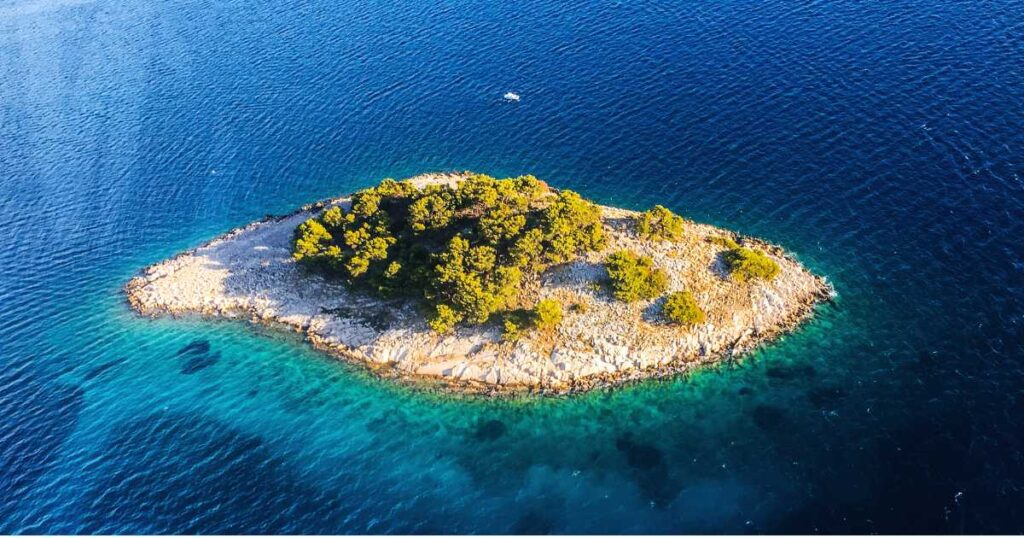
Choosing where to stay during your island hopping Indonesia trip can make all the difference between a good vacation and a truly unforgettable one. Indonesia offers every type of island experience — from luxurious overwater villas and eco-lodges to budget-friendly beach huts and homestays run by locals. Whether you’re looking for comfort, culture, or complete seclusion, here are the best islands to spend the night and what makes each one special.
1. Bali – The Perfect Starting Point for All Travelers
Bali is not just a gateway to other islands — it’s a destination that combines culture, nature, and comfort in one beautiful package. The island offers something for everyone, from surfers and digital nomads to honeymooners and families.
Where to stay:
- Ubud: Best for nature lovers and those who want to experience Balinese culture, yoga retreats, and rice terraces. Try eco-resorts like Bambu Indah or Adiwana Resort Jembawan.
- Canggu & Seminyak: Ideal for nightlife, beach clubs, and trendy cafés. You’ll find stylish villas and boutique hotels at every corner.
- Amed & Sidemen: Perfect for peace seekers, divers, and travelers looking for offbeat beauty. Local homestays are popular here.
Why stay: Easy connections to nearby islands, rich local culture, wide range of accommodations, and world-class dining options.
2. Nusa Penida – For Adventure and Scenic Views
Nusa Penida is the island of cliffs, blue waves, and raw natural beauty. It’s more rugged than Bali but offers some of the most breathtaking views in Indonesia.
Where to stay:
- Autentik Penida Glamping – Eco-friendly tents surrounded by tropical greenery.
- Semabu Hills Hotel – Offers incredible ocean views and infinity pools.
- Local guesthouses near Crystal Bay are perfect for travelers who want to be close to diving and snorkeling spots.
Why stay: Incredible photo spots, quiet atmosphere, and authentic island charm. Staying overnight lets you explore beyond the crowded day-trip spots.
3. Lombok – A Peaceful Escape from the Crowds
Lombok is often described as “what Bali was 30 years ago.” It’s calm, scenic, and full of charm, with friendly locals and empty beaches waiting to be discovered.
Where to stay:
- Selong Selo Resort & Residences – Luxurious hillside villas overlooking the ocean.
- Rinjani Lodge – For those trekking Mount Rinjani, this eco-lodge offers mountain views and warm hospitality.
- Local homestays in Kuta Lombok for budget travelers and surfers.
Why stay: Great balance of nature and comfort, fewer tourists, and amazing hiking, surfing, and snorkeling opportunities.
4. Gili Islands – For Beach Lovers and Divers
Each Gili island has its own character. Gili Trawangan is vibrant and social, Gili Air is relaxed yet lively, and Gili Meno is peaceful and ideal for couples. Cars and motorbikes are not allowed, giving the islands a calm, laid-back feel.
Where to stay:
- Pearl of Trawangan – A beachfront resort with modern rooms and spa services.
- Captain Coconuts Gili Air – Eco-conscious and comfortable, with great breakfast options.
- Mahamaya Gili Meno – Perfect for honeymooners seeking serenity.
Why stay: White sandy beaches, great diving spots, and a chance to slow down completely. Nights here are filled with music, laughter, and the sound of waves.
5. Flores – For Nature, Culture, and Exploration
Flores is often part of the Komodo route but deserves extra days of its own. The island is filled with mountains, waterfalls, traditional villages, and colorful lakes.
Where to stay:
- Ayana Komodo Resort in Labuan Bajo – A luxurious beachfront property with stunning sea views.
- Seaesta Komodo – A lively, social hotel ideal for backpackers and young travelers.
- Ecolodge Kelimutu – Near the famous tri-colored Kelimutu lakes.
Why stay: Amazing nature, access to Komodo National Park, and authentic local experiences. Flores also offers a taste of East Nusa Tenggara’s rich culture and hospitality.
6. Komodo Island – For Adventure Seekers
Komodo Island is famous for its dragons, but it also offers crystal-clear waters and coral gardens. There are no large resorts on the island itself, so most travelers stay on liveaboard boats or in nearby Labuan Bajo.
Where to stay:
- Liveaboard boats like Le Pirate Explorer or Nusantara – great for multi-day sailing adventures.
- Plataran Komodo Resort – A luxury option on a private beach near Labuan Bajo.
Why stay: Once-in-a-lifetime chance to live close to nature, swim with manta rays, and witness incredible sunsets right from your deck.
7. Raja Ampat – For Untouched Beauty and Diving Paradise
Raja Ampat is a dream destination for divers and photographers. It’s one of the most biodiverse marine areas on Earth and home to pristine beaches and clear waters.
Where to stay:
- Papua Paradise Eco Resort – Overwater bungalows surrounded by coral reefs.
- Kri Eco Resort – Known for sustainability and excellent diving access.
- Local homestays in Arborek Village for an authentic cultural stay.
Why stay: Stunning underwater life, untouched landscapes, and genuine Papuan hospitality. Every sunrise here feels magical and every dive reveals something new.
8. Thousand Islands (Kepulauan Seribu) – For Quick Weekend Escapes
Located just a few hours from Jakarta, the Thousand Islands are perfect for travelers seeking a short, relaxing break. Each island has its own style — some lively, others private and quiet.
Where to stay:
- Pulau Macan Eco Resort – A sustainable island resort focused on relaxation and nature.
- Pulau Ayer Resort – Known for its overwater cottages and proximity to Jakarta.
- Pulau Pramuka Homestays – Affordable and run by local families.
Why stay: Affordable, accessible, and great for short trips without flying. You can spend your days swimming, kayaking, or enjoying seafood barbecues under the stars.
9. Sumbawa – For Surfers and Solitude Seekers
Sumbawa is a hidden gem east of Lombok, known for incredible surf breaks, remote beaches, and minimal crowds. It’s perfect for travelers seeking nature and tranquility.
Where to stay:
- Lakey Peak Haven – Near world-class surf spots.
- Tropica Gili Banta Resort – Ideal for diving and kayaking.
Why stay: Stunning landscapes, friendly locals, and untouched coastal beauty. It’s also one of Indonesia’s best spots for stargazing due to minimal light pollution.
10. Togean Islands – For Off-Grid Adventures
Located in central Sulawesi, the Togean Islands are remote but worth the journey. With limited internet, solar-powered accommodations, and rich marine life, it’s the place to truly disconnect.
Where to stay:
- Poya Lisa Cottages – Simple bungalows surrounded by jungle and beach.
- Kadidiri Paradise Resort – Great for snorkeling and diving.
Why stay: Peaceful environment, incredible coral reefs, and a real sense of untouched nature. This is island hopping for true explorers who want to unplug and recharge.
Each of these islands offers a different rhythm and atmosphere — from Bali’s cultural charm to Raja Ampat’s natural wonder. The beauty of island hopping in Indonesia is that you can mix them however you want — start with comfort, end with adventure, and collect memories that will stay with you for a lifetime.
Packing & Preparation Checklist
Island hopping in Indonesia is all about freedom, nature, and discovery — but the key to a stress-free trip is smart packing. With so many boats, beaches, and varying climates, you’ll want to travel light but be well-prepared. This checklist will help you pack efficiently for every part of your island hopping Indonesia adventure, whether you’re diving in Bali, trekking in Lombok, or relaxing in Raja Ampat.
1. Travel Essentials
- Passport and copies: Always carry your passport and keep a few photocopies in separate bags in case of loss.
- Travel insurance: Choose one that covers water activities like snorkeling, diving, and boat travel.
- Tickets and booking confirmations: Print or screenshot ferry, flight, and accommodation details since Wi-Fi can be limited on smaller islands.
- Cash (Rupiah): Many remote islands don’t have ATMs, so bring enough cash for meals, transport, and small purchases. In rural areas, smaller denominations (Rp 10,000–50,000) are best.
- Credit/debit cards: Useful in bigger towns like Bali, Labuan Bajo, or Lombok, but not reliable everywhere.
2. Clothing and Footwear
Indonesia’s tropical climate means you’ll need light, breathable clothes — but also items for modesty, comfort, and occasional rain.
- Lightweight clothes: Cotton shirts, shorts, and summer dresses for daytime.
- Swimwear: At least two sets — one for beach days and one for snorkeling or diving.
- Sarong: A multipurpose item for beach cover, temple visits, or sun protection.
- Rain jacket or poncho: Especially useful during the rainy season (November–March).
- Comfortable sandals and walking shoes: Sandals for the beach, sturdy shoes for hiking or exploring rocky terrain.
- Hat and sunglasses: To protect from strong tropical sun.
- Light sweater or long-sleeve shirt: Nights can get breezy, especially on boats or mountain areas like Flores and Lombok.
3. Health and Hygiene
- Reusable water bottle: Helps you stay hydrated and reduces plastic waste.
- Sunscreen (reef-safe): Essential to protect your skin and the environment. Avoid brands with oxybenzone or octinoxate, which harm coral reefs.
- Mosquito repellent: Many islands have mosquitoes, especially near mangroves or forests.
- Basic first-aid kit: Include plasters, antiseptic wipes, painkillers, motion sickness tablets, and any personal medication.
- Hand sanitizer and wet wipes: Useful when soap or running water isn’t available.
- Toiletries: Bring small refillable bottles of shampoo, conditioner, and body wash. In some eco-lodges, hot water or amenities are limited.
4. Electronics and Gear
- Universal power adapter: Indonesia uses Type C and F plugs (two round pins).
- Power bank: Electricity may not be consistent on smaller islands.
- Waterproof phone case: Protects your phone during boat rides or snorkeling trips.
- Headlamp or small flashlight: Power outages happen often, especially in remote areas.
- Camera or GoPro: Capture underwater moments or island sunsets. Bring extra SD cards and batteries.
5. Beach and Water Activity Gear
If you plan to snorkel, dive, or kayak, these items will make your experience smoother and cheaper.
- Snorkeling gear: While you can rent almost anywhere, having your own mask and snorkel ensures cleanliness and comfort.
- Dry bag: Keeps your belongings safe from water during boat rides.
- Microfiber towel: Quick-drying and lightweight.
- Flip-flops or water shoes: For rocky beaches or coral walks.
- Reef-safe sunscreen: Always apply before swimming to protect marine life.
6. Packing Tips for Island Travel
- Travel light: Carry a medium backpack or small suitcase — many boats don’t have space for large luggage.
- Use packing cubes: Helps you organize clothes and separate wet items after swimming.
- Plastic-free travel: Bring reusable bags and avoid single-use plastics to help keep the islands clean.
- Label your bags: Ferries and speedboats often store luggage together, so tagging yours avoids confusion.
- Laundry on the go: Most guesthouses and homestays offer affordable laundry services.
7. Before You Go
- Check the weather: Dry season (April–October) is best for smooth boat rides and clear water visibility.
- Book key transport early: Fast boats and small-plane routes can sell out quickly in peak months (July–September).
- Learn basic Bahasa Indonesia: Simple words like terima kasih (thank you), tolong (please), and berapa? (how much?) make a big difference when communicating with locals.
- Respect local customs: Dress modestly in villages or temples, ask before taking photos of people, and avoid touching religious offerings.
Packing for Indonesia isn’t about bringing a lot — it’s about bringing the right things. The lighter and smarter you pack, the easier it is to move from one island to another and focus on what matters most: the journey, the people, and the breathtaking beauty that surrounds you.
Snorkeling and Diving Highlights
Indonesia sits at the heart of the Coral Triangle, an area known for having the richest marine biodiversity on Earth. For travelers exploring through island hopping Indonesia, snorkeling and diving are not just activities — they’re the highlight of the journey. Every island offers a unique underwater experience, from swimming with manta rays in Nusa Penida to exploring sunken ships in Bali or coral gardens in Raja Ampat. Here are the top underwater destinations and what makes each one special.
1. Nusa Penida and Nusa Lembongan (Bali)
Just a short boat ride from Bali, these two islands are among Indonesia’s best snorkeling and diving spots. The clear blue water around Nusa Penida is famous for large pelagic fish, including the majestic manta rays and the rare Mola-Mola (sunfish) during the dry season. Nusa Lembongan offers gentler dives for beginners, with beautiful coral formations and colorful reef fish.
Top spots: Manta Point, Crystal Bay, Toyapakeh.
Best for: Experienced divers and photographers.
Travel tip: Always go with licensed dive operators — currents here can be strong.
2. Gili Islands (Lombok)
The Gili Islands — Trawangan, Air, and Meno — are perfect for both beginner snorkelers and certified divers. The calm, shallow waters and healthy coral reefs make it easy to see turtles, clownfish, and vibrant coral gardens right off the beach. Gili Meno’s underwater statues have also become a must-see for travelers.
Top spots: Turtle Point (Gili Air), Bounty Wreck (Gili Meno), Shark Point (Gili Trawangan).
Best for: Families, beginners, and casual snorkelers.
Travel tip: Bring an underwater camera or rent one locally — the water clarity is excellent year-round.
3. Komodo National Park (Flores)
Komodo is a world-class diving destination recognized by UNESCO for its stunning underwater biodiversity. You can expect to see manta rays, reef sharks, sea turtles, dolphins, and occasionally even whales. For divers, Komodo offers dramatic drift dives through strong currents and vibrant coral walls. For snorkelers, shallow reefs near Pink Beach and Kanawa Island are equally breathtaking.
Top spots: Batu Bolong, Manta Alley, Pink Beach, Siaba Besar.
Best for: Experienced divers and adventure travelers.
Travel tip: Currents can be powerful — always check dive levels and safety conditions before entering the water.
4. Raja Ampat (West Papua)
Often called the crown jewel of Indonesia’s marine life, Raja Ampat is home to over 1,400 species of fish and more than 500 species of coral. Every dive feels like entering another world. Even snorkeling near the shore reveals sea fans, soft corals, and tropical fish in every color imaginable.
Top spots: Cape Kri (record-breaking biodiversity), Arborek Jetty (colorful coral gardens), Misool Lagoon.
Best for: Serious divers, photographers, and nature enthusiasts.
Travel tip: Use reef-safe sunscreen and avoid touching corals — Raja Ampat’s ecosystem is extremely fragile.
5. Bunaken Marine Park (North Sulawesi)
Bunaken is one of Indonesia’s oldest marine parks and offers some of the best wall diving in Southeast Asia. The park features vertical drop-offs, coral walls, and crystal-clear visibility reaching up to 30 meters. Divers can encounter sea turtles, barracudas, and even eagle rays.
Top spots: Lekuan I, Mandolin, Fukui Point.
Best for: Intermediate and advanced divers.
Travel tip: Stay in nearby Manado or Siladen Island for easy access to the dive sites.
6. Karimunjawa Islands (Central Java)
For those traveling through Java, the Karimunjawa Islands offer an affordable and less-crowded snorkeling experience. The area is known for calm turquoise waters, colorful coral reefs, and plenty of small tropical fish. You can even join local fishermen for traditional boat tours.
Top spots: Menjangan Kecil, Tanjung Gelam, Gosong Cemara.
Best for: Budget travelers and first-time snorkelers.
Travel tip: Electricity is limited at night, so charge your camera and phone during the day.
7. Wakatobi (Southeast Sulawesi)
Wakatobi is a diver’s paradise with some of the clearest waters in Indonesia. The reefs are teeming with fish, soft corals, and sea fans. Visibility often exceeds 40 meters, making it ideal for underwater photography.
Top spots: House Reef (Wakatobi Dive Resort), Cornucopia, Roma Reef.
Best for: Professional divers and underwater photographers.
Travel tip: Fly into Wangi-Wangi Island; from there, boat transfers connect to the surrounding dive resorts.
8. Amed and Tulamben (Bali)
These northeast Bali locations are perfect for divers who prefer shore entry rather than boats. The most famous site here is the USAT Liberty Shipwreck, a World War II relic covered in coral and marine life. Both spots offer easy diving, colorful reefs, and black-sand beaches.
Top spots: USAT Liberty Wreck, Jemeluk Bay, Seraya Secret.
Best for: Beginner to intermediate divers and underwater photographers.
Travel tip: Amed is less touristy than southern Bali, offering a peaceful, authentic vibe with excellent local dive schools.
9. Togian Islands (Central Sulawesi)
The Togian Islands are remote and pristine, offering both snorkeling and diving experiences in calm, crystal-clear lagoons. It’s one of the few places in the world where you can dive in three types of coral reefs — barrier, fringing, and atoll — all in one area.
Top spots: Una-Una Volcano Dive, Bomba Reef, Kadidiri Wall.
Best for: Experienced divers and off-grid travelers.
Travel tip: Bring all necessary supplies before arriving; shops and ATMs are limited.
10. Alor (East Nusa Tenggara)
Alor is a hidden gem for divers seeking rare marine encounters. You can see hammerhead sharks, pygmy seahorses, and dazzling coral walls. Visibility is incredible, and dive sites are rarely crowded.
Top spots: Kal’s Dream, Pura Island, Clown Valley.
Best for: Expert divers and underwater photographers.
Travel tip: Diving here is seasonal (April to November), and trips must be arranged through certified local operators.
Each of these underwater destinations reveals a different side of Indonesia’s beauty — from the calm lagoons of the Gilis to the wild currents of Komodo and the untouched reefs of Raja Ampat. Whether you’re snorkeling for fun or diving deep into the unknown, Indonesia’s islands promise unforgettable encounters with nature’s most colorful and fascinating creatures.
Cultural Tips for Island Life
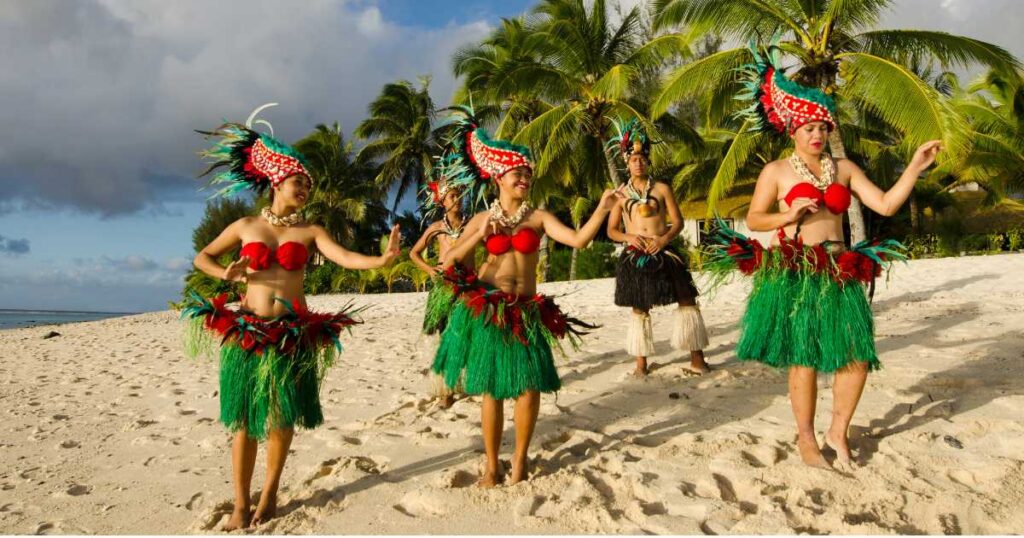
Island hopping in Indonesia isn’t just about beaches and blue water — it’s also about understanding and respecting the diverse cultures that make each island unique. With more than 300 ethnic groups and hundreds of local traditions, every destination offers something different. Learning a few customs and cultural norms will make your journey smoother, more meaningful, and help you connect deeply with locals along the way.
1. Learn Basic Bahasa Indonesia
You don’t need to be fluent, but a few simple words go a long way. Locals appreciate travelers who try to speak their language, and it often leads to better prices and warmer smiles.
Common useful phrases include:
- Terima kasih — Thank you
- Apa kabar? — How are you?
- Tolong — Please
- Berapa harganya? — How much is it?
- Permisi — Excuse me
Even small greetings can open doors and make you feel more welcome. In rural islands, people may not speak much English, so using a few local words can help build trust quickly.
2. Dress Modestly and Respectfully
While beachwear is fine on the sand, dressing modestly when visiting villages, markets, or temples is important. Indonesia is a multicultural and mostly Muslim country, especially in places like Lombok, Java, and Sumatra. Women should avoid revealing tops or short shorts when outside tourist areas, and men should wear shirts in public spaces. In Bali and Hindu areas, sarongs are often provided for temple visits. Dressing respectfully shows appreciation for local customs and earns you warm respect in return.
3. Understand Religious Sensitivity
Religion is deeply woven into daily life in Indonesia. You’ll see small shrines, offerings, and prayer times everywhere. Always walk around offerings (canang sari) on the ground, never step over them. During prayer hours, especially during Ramadan in Muslim areas, avoid eating or drinking in public out of courtesy. On Hindu islands like Bali, ceremonies and processions are frequent — it’s polite to step aside, remain quiet, and never interrupt or pose for photos during prayers.
4. Greetings and Body Language Matter
When meeting someone, a soft handshake or a small nod accompanied by a smile is the usual greeting. In rural areas, you might see people place their right hand gently on their heart after shaking hands — it’s a sign of sincerity. Always use your right hand for giving or receiving things; the left hand is considered impolite for eating or offering items. Also, avoid touching someone’s head — it’s seen as disrespectful, especially for children.
5. Respect Local Lifestyles and Privacy
Island life in Indonesia is slower and more community-based. Locals value peace, harmony, and politeness. Avoid raising your voice or showing frustration in public, even if something doesn’t go as planned. Negotiation and patience are part of travel here. If you’re invited into someone’s home, remove your shoes before entering and accept food or drinks offered to you — it’s a sign of hospitality, and politely declining can be seen as rude.
6. Support Local Communities
Buying from small markets, eating at family-run warungs, and staying at local homestays help local economies thrive. Avoid bargaining too aggressively — remember, a small amount for you might mean a lot to the seller. When possible, book local tour guides; they often share personal stories, legends, and hidden gems that you won’t find online.
7. Mind Environmental and Cultural Etiquette
Island communities rely heavily on their natural surroundings, so respecting nature is part of respecting the culture. Don’t litter, avoid single-use plastics, and never touch corals or marine life. Many islands now run community recycling programs and beach cleanups — joining one is a great way to give back. Similarly, be mindful when photographing people. Always ask permission, especially in traditional villages or during ceremonies. A smile and a respectful “Boleh foto?” (May I take a photo?) is always appreciated.
8. Adjust to the Island Pace
The Indonesian phrase jam karet (rubber time) perfectly describes how things work here. Schedules are flexible, ferries might leave late, and restaurant orders can take longer than expected. Instead of rushing, embrace the slower rhythm. Locals believe that good things take time — and once you adapt to this easygoing flow, you’ll find yourself enjoying the journey even more.
9. Participate in Local Activities
Join community festivals, learn traditional crafts, or try cooking classes when possible. Many islands have local dance performances, handicraft workshops, or simple fishing trips where you can learn directly from residents. These small cultural experiences often become the most memorable parts of an island-hopping trip.
10. Be a Respectful Guest Everywhere You Go
Whether you’re visiting a small fishing village or a luxury resort, kindness and humility always stand out. Greet people with smiles, respect local traditions, and remember that you’re a visitor in someone else’s home. Indonesians are warm and welcoming by nature — returning that warmth is the best way to experience their islands authentically.
Understanding and embracing local culture transforms island hopping from a sightseeing trip into a genuine human experience. When you travel respectfully, you don’t just see Indonesia — you connect with it, heart to heart.
Also Read: Best Hidden Beaches in Southeast Asia You’ve Never Heard Of
Budget Breakdown
One of the best things about island hopping Indonesia is that you can tailor your trip to fit almost any budget — from backpacker-friendly adventures to luxury escapes on private islands. Indonesia offers incredible value for money, but costs can vary widely depending on how you travel, where you stay, and how many islands you plan to visit. Here’s a complete breakdown to help you estimate your expenses and plan your budget wisely.
1. Transportation Costs
Transportation will likely be your biggest variable expense when island hopping, as moving between islands requires boats or flights.
Ferries (Short Distance):
Public ferries are the cheapest option and connect most major islands like Java–Bali and Bali–Lombok.
- Cost: Rp 50,000–150,000 ($3–10 USD) per trip
- Example: Bali to Lombok ferry (4–5 hours) costs about Rp 65,000 ($4 USD).
Speedboats (Medium Distance):
Fast boats are faster and more comfortable but cost more than public ferries.
- Cost: Rp 250,000–600,000 ($15–40 USD) per ride
- Example: Bali to Gili Islands or Nusa Penida.
Domestic Flights (Long Distance):
Budget airlines like Lion Air, Citilink, and AirAsia connect islands such as Bali, Flores, Sulawesi, and Papua.
- Cost: Rp 600,000–1,500,000 ($40–100 USD) depending on the route.
- Example: Bali to Labuan Bajo averages Rp 1,000,000 ($65 USD).
Local Boats (Short Island Transfers):
For smaller hops between nearby islands (like Gili Air to Gili Meno), local wooden boats or small ferries are available.
- Cost: Rp 20,000–50,000 ($1–3 USD).
- Tip: Always confirm prices before boarding — bargaining is normal but stay polite.
If you plan to travel through multiple regions, set aside around Rp 4,000,000–6,000,000 ($250–400 USD) for all inter-island travel over two weeks.
2. Accommodation Costs
Accommodation options across Indonesia range from homestays and eco-lodges to luxury beachfront villas. Most islands have something for every budget.
Budget Travelers:
- Type: Guesthouses, hostels, homestays
- Cost: Rp 150,000–350,000 ($10–25 USD) per night
- Includes: Fan rooms, basic breakfast, and free Wi-Fi in some places.
- Examples: Local homestays in Lombok or Yogyakarta, beach huts in the Gilis.
Mid-Range Travelers:
- Type: Boutique hotels, beach bungalows, small resorts
- Cost: Rp 400,000–900,000 ($25–60 USD) per night
- Includes: Air conditioning, breakfast, and sometimes pools or ocean views.
- Examples: Seaside lodges in Nusa Penida, mid-range hotels in Labuan Bajo.
Luxury Travelers:
- Type: Resorts, private villas, overwater bungalows
- Cost: Rp 1,500,000–4,000,000 ($100–260 USD) per night or more
- Includes: Private pools, spa access, airport transfers, and world-class amenities.
- Examples: Ayana Komodo Resort in Labuan Bajo, eco-luxury stays in Raja Ampat.
Budget Tip: Mix and match! Stay in budget guesthouses most nights and treat yourself to a luxury resort once in a while for balance.
3. Food and Drinks
Indonesia’s street food and local restaurants (warungs) are both delicious and affordable. Meals are often made fresh with rice, vegetables, fish, or chicken.
Street Food & Local Warungs:
- Cost: Rp 10,000–40,000 ($1–3 USD) per meal
- Examples: Nasi Goreng (fried rice), Mie Goreng (fried noodles), or Gado-Gado (vegetable salad).
Mid-Range Restaurants & Beach Cafés:
- Cost: Rp 60,000–150,000 ($4–10 USD) per meal
- Examples: Western-style meals, seafood barbecues, and smoothies in tourist towns.
Luxury Dining:
- Cost: Rp 250,000–800,000 ($15–50 USD) per person
- Examples: Fine dining in Bali, seafood buffets in Labuan Bajo, or rooftop dining in Jakarta.
Drinks:
- Bottled water: Rp 5,000–10,000 ($0.30–0.60 USD)
- Fresh coconut: Rp 15,000–25,000 ($1–2 USD)
- Bintang beer: Rp 35,000–60,000 ($2–4 USD)
- Coffee: Rp 20,000–40,000 ($1–3 USD)
If you eat like a local, you can easily keep your food budget under Rp 150,000 ($10 USD) per day.
4. Activities and Tours
This is where your adventure budget comes in — snorkeling, diving, hiking, and guided island tours make island hopping truly exciting.
Snorkeling Trips:
- Cost: Rp 150,000–400,000 ($10–25 USD) per person (half-day)
- Example: Gili Islands or Nusa Penida snorkeling tours.
Diving Trips:
- Cost: Rp 700,000–1,200,000 ($45–80 USD) per dive, including gear.
- Example: Komodo, Raja Ampat, or Bunaken.
Boat Tours (Island Hopping):
- Cost: Rp 500,000–1,500,000 ($30–100 USD) per day depending on the route and inclusions.
- Example: 3D2N Komodo liveaboard trip from Labuan Bajo costs around Rp 3,000,000–5,000,000 ($190–320 USD).
Cultural Tours & Village Visits:
- Cost: Rp 100,000–300,000 ($7–20 USD)
- Example: Traditional weaving workshops in Lombok or local cooking classes in Bali.
Entrance Fees & National Parks:
- Cost: Rp 50,000–300,000 ($3–20 USD) depending on location.
- Example: Komodo National Park entrance Rp 150,000 for foreign visitors.
Plan around Rp 3,000,000–5,000,000 ($200–330 USD) for activities during a 10–14 day trip if you plan to snorkel, hike, and join a few tours.
5. Miscellaneous Costs
These are small but important expenses often forgotten when planning.
- SIM card & Data: Rp 100,000–150,000 ($6–10 USD) for 20–30GB (Telkomsel or XL).
- Laundry: Rp 15,000–25,000 ($1–2 USD) per kg.
- Souvenirs: Rp 50,000–300,000 ($3–20 USD) depending on what you buy.
- Tips: Rp 10,000–50,000 ($1–3 USD) for porters, drivers, or waiters is appreciated.
6. Sample Budget Summary (per person)
| Category | Budget Traveler (Rp / USD) | Mid-Range Traveler (Rp / USD) | Luxury Traveler (Rp / USD) |
|---|---|---|---|
| Transportation | 4,000,000 / $260 | 6,000,000 / $390 | 10,000,000 / $650 |
| Accommodation | 2,800,000 / $180 | 6,000,000 / $390 | 15,000,000 / $975 |
| Food & Drinks | 2,000,000 / $130 | 3,500,000 / $230 | 6,000,000 / $390 |
| Activities | 3,000,000 / $195 | 5,000,000 / $325 | 9,000,000 / $585 |
| Miscellaneous | 700,000 / $45 | 1,000,000 / $65 | 2,000,000 / $130 |
| Total (2 Weeks) | 12,500,000 / $810 | 21,500,000 / $1,400 | 42,000,000 / $2,700 |
7. Budget-Saving Tips
- Travel in groups to share boat and transport costs.
- Eat at local warungs instead of beach cafés.
- Use public ferries and book flights in advance for cheaper prices.
- Bring reusable bottles and refill them at hotels to avoid buying water.
- Negotiate gently but respectfully — prices are often flexible in markets or small tours.
Whether you’re backpacking through the islands or enjoying a luxury resort, Indonesia gives you more value for every dollar than almost anywhere else in the world. With smart planning, you can experience everything — coral reefs, volcanoes, temples, and beach sunsets — without overspending.
FAQs
1. How many islands should I visit during my island hopping trip in Indonesia?
It depends on your schedule and interests. For a two-week trip, visiting three to four islands is ideal. This allows enough time to explore each one properly without feeling rushed. Popular combinations include Bali, Nusa Penida, Lombok, and the Gili Islands.
2. What is the best time of year for island hopping in Indonesia?
The dry season from April to October is the best time to travel. The seas are calm, visibility for snorkeling and diving is excellent, and most islands have warm, sunny weather. Avoid December to February if possible, as heavy rains can disrupt boat schedules.
3. Is island hopping expensive in Indonesia?
Not necessarily. It can be very affordable if you travel by public ferry, stay in local guesthouses, and eat at warungs (small local restaurants). Budget travelers can enjoy island hopping for under $60 per day, while mid-range comfort might cost around $100 per day.
4. Do I need to book everything in advance?
Booking your first few nights and main transport routes in advance is smart, especially during peak months (July–September). However, flexibility is part of the charm — you can often find local boats, guesthouses, and tours easily once you arrive on an island.
5. What should I expect from local boat trips?
Local boats are simple but full of character. Most are wooden and open-air, offering a slow and scenic ride between islands. Expect minimal facilities, salty air, and friendly locals who might offer snacks or conversation along the way.
6. Are there ATMs on every island?
No. While larger islands like Bali, Lombok, and Flores have plenty of ATMs, smaller islands such as Nusa Penida or the Gilis may have limited machines — and they don’t always work. Always carry enough cash for food, accommodation, and emergencies.
7. How safe is island hopping for solo travelers?
Island hopping in Indonesia is generally safe for solo travelers. Locals are kind and helpful, and most islands are used to tourists. Just follow basic safety habits — keep valuables secure, avoid isolated areas late at night, and check boat safety before boarding.
8. Can I rent motorbikes on the islands?
Yes, renting a scooter is one of the easiest ways to explore. Daily rates range from Rp 70,000–100,000 ($5–7 USD). Always wear a helmet, carry your international driving permit, and drive carefully — some island roads can be steep or unpaved.
9. Is Wi-Fi reliable on the islands?
In popular areas like Bali and Lombok, Wi-Fi is widely available in cafés and hotels. However, on smaller islands such as Raja Ampat or the Togeans, internet access can be very slow or nonexistent. It’s a great chance to disconnect and enjoy nature.
10. How can I travel sustainably while island hopping?
Bring reusable bottles, avoid plastic straws, and support eco-friendly accommodations. Choose reef-safe sunscreen and respect marine life while snorkeling or diving. Many communities run clean-up programs — joining one is a great way to give back.
Conclusion
Island hopping in Indonesia isn’t just a trip — it’s a journey through thousands of worlds within one nation. Each island holds its own rhythm, color, and spirit, from the golden beaches of Bali to the untouched coral gardens of Raja Ampat. Traveling between them feels like moving through living postcards — every horizon offering a new story, every meal a new taste, and every smile a new friendship.
Whether you’re chasing adventure or peace, Indonesia rewards curiosity. The slow ferry rides, the laughter shared with strangers, and the early morning sun over turquoise water all remind you that the real beauty of island hopping lies in the journey itself. This is where you’ll find freedom — the kind that comes from drifting between islands, discovering hidden coves, and learning that life can move at the pace of the waves.
As you plan your own island hopping adventure, travel with respect for the people and places that make these islands special. Choose local guides, eat local food, and help protect the marine life and natural beauty that make Indonesia such a treasure. Because the more you give to this country, the more it gives back — in memories that last forever.