If you think the rainy months are a bad time to explore Indonesia, think again. Off-season travel in Indonesia can actually be one of the smartest ways to experience the country’s beauty and culture without the usual crowds or high prices. From November to March, light tropical rains bring cooler weather, greener scenery, and a calm, peaceful vibe across the islands.
During these months, hotels and flights are often 30–50% cheaper, tourist attractions are less crowded, and locals have more time to share authentic experiences. You can walk through Bali’s quiet rice terraces, enjoy coffee tasting in Java, or explore waterfalls that are at their fullest and most beautiful after rain. The air feels fresh, the landscapes come alive, and every photo looks more vibrant.
In this travel guide, you’ll discover how the rainy season really works, why it’s not as bad as people think, and which destinations shine the brightest between November and March. You’ll also learn how to pack, where to go, and how to travel responsibly while supporting local communities during the low season. Get ready to see Indonesia in a whole new light — greener, quieter, and beautifully different.
Understanding Indonesia’s Rainy Season
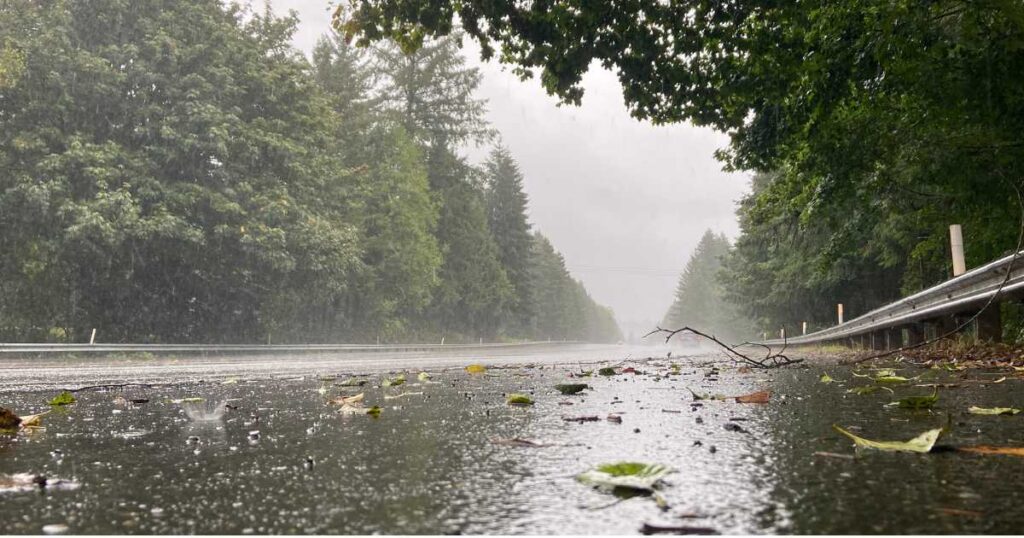
Before planning your off-season travel in Indonesia, it’s important to understand how the country’s rainy season actually works. Many travelers imagine endless storms, but in reality, the rain often comes in short, refreshing bursts — usually in the afternoon or evening — leaving plenty of sunny hours to explore.
Indonesia’s climate is divided into two main monsoon patterns:
- The West Monsoon (November–March) brings rain to most western and central islands such as Java, Bali, and Sumatra.
- The East Monsoon (April–October) brings drier weather, especially to eastern islands like Nusa Tenggara, Flores, and Timor.
Even during the wet months, temperatures stay warm (around 27–32°C), and the rain helps cool down the air, reduce dust, and make the scenery lush and green. The rain is part of what keeps Indonesia’s rice terraces glowing, its waterfalls powerful, and its tropical forests full of life.
Many locals say, “Don’t fear the rain — plan around it.” Morning activities like temple visits, beach walks, and market tours are usually dry, while the afternoons can be perfect for coffee tasting, spa breaks, or cozy indoor adventures.
If you’re curious about planning your trip by month, see also our detailed guide: Best Time to Visit Indonesia (2025 Edition).
Why Off-Season Travel Is Worth It
Many travelers skip Indonesia between November and March, thinking the rainy season ruins the experience. But those who try off-season travel in Indonesia often find it more peaceful, authentic, and rewarding than the busy dry months. Here’s why this time of year is truly worth it.
1. Enjoy Lower Prices Everywhere
During the low season, hotels, tours, and flights can drop by 30–50%. Resorts in Bali, beach villas in Lombok, and guesthouses in Java often offer promotions to attract visitors. Even local restaurants and spas provide discounts. You can enjoy the same luxury experiences and world-class spots for a fraction of the cost — perfect for budget travelers or anyone looking to stretch their money further.
2. Fewer Tourists, More Authentic Moments
If you’ve ever visited Bali in peak season, you know how crowded famous spots like Ubud, Tanah Lot, or Kuta can get. But during the rainy months, you can enjoy these places in peace. The rice fields are greener, roads are quieter, and locals have more time to talk and share stories. It’s the perfect time for photographers and slow travelers who prefer calm, meaningful connections over noisy crowds.
3. Nature at Its Best
Rain brings life — and in Indonesia, that’s especially true. Waterfalls become stronger and more dramatic, forests turn deep green, and rice paddies shimmer with new growth. It’s also the best time for nature photographers. The cloudy skies give a soft, balanced light that makes landscapes look magical. If you love hiking, jungle walks, or scenic drives, you’ll find the views in the rainy months breathtaking.
4. Unique Cultural Festivals
The rainy season also coincides with some of Indonesia’s most colorful cultural events. For example, Bali’s Galungan and Kuningan festivals often fall around this period, filling the island with bamboo decorations, traditional dances, and temple ceremonies. In Yogyakarta, local art markets and batik workshops continue in full swing. Traveling off-season gives you a closer look at real local life and traditions that tourists often miss.
5. Better Travel Deals and Friendlier Service
When there are fewer tourists, locals appreciate every visitor more. You’ll get more personal attention, flexible deals, and better service. Tour guides, drivers, and homestay owners have more time to share their stories or show you hidden spots. That sense of connection — being treated like a guest, not a customer — is what makes off-season travel in Indonesia feel truly special.
Top Destinations During the Rainy Season
Indonesia is huge, and while some areas get heavy rain, others stay pleasantly mild even during the wet months. The secret to enjoying off-season travel in Indonesia is knowing where to go. Below are the top destinations that shine between November and March, offering beauty, comfort, and authentic experiences — even with a little rain.
1. Bali – Ubud and Sidemen Valley
Bali’s magic doesn’t disappear in the rain — it actually becomes greener and quieter. In Ubud, the rice terraces sparkle with new life, waterfalls flow stronger, and the air smells fresh after every shower. The nearby Sidemen Valley offers peaceful village views, cozy homestays, and scenic hikes. When the rain falls, you can relax in cafés, join a cooking class, or enjoy a Balinese spa treatment while listening to the sound of nature.
Alt-text: “Rainy season Bali rice terraces glowing green after rainfall.”
2. Yogyakarta – Timeless Culture and Heritage
Yogyakarta (often called “Jogja”) remains one of the best cities to visit in any season. It’s home to world-famous temples like Borobudur and Prambanan, which stay open year-round. Most attractions here are cultural and indoors — batik workshops, art galleries, traditional markets, and puppet shows — making it ideal for rainy days. When skies clear, the nearby hills of Kaliurang and Imogiri offer peaceful views and cool breezes.
Alt-text: “Borobudur Temple under cloudy sky during Indonesia rainy season.”
3. Malang and Batu – Cool Weather and Indoor Fun
If you love mountains, gardens, and cool air, head to Malang and Batu in East Java. These towns are famous for their apple orchards, theme parks, flower gardens, and cafés with mountain views. Even if it rains, you can visit Museum Angkut, a creative indoor transport museum, or relax in local hot springs. The evenings are cozy and misty — perfect for a cup of Indonesian coffee.
Alt-text: “Batu city hills covered in light mist during off-season travel Indonesia.”
4. Sumba Island – Wild Beauty and Dramatic Skies
Located east of Bali, Sumba Island is still one of Indonesia’s most untouched destinations. The rainy months bring deep green hills, full waterfalls, and dramatic cloudy skies that make for stunning photography. Roads may get muddy, but that’s part of the adventure. You can visit Weekuri Lagoon, Lapopu Waterfall, or Walakiri Beach, where twisted mangrove trees look surreal at sunset.
Alt-text: “Sumba Island cloudy skies over Walakiri Beach mangroves.”
5. North Sulawesi – Diving and Rainforest Adventures
While much of western Indonesia gets wetter, North Sulawesi remains relatively dry even in the rainy season. It’s a paradise for divers, with clear waters around Bunaken Marine Park full of coral reefs and colorful fish. Inland, you can explore Tangkoko Nature Reserve to spot tarsiers and black macaques — rare animals found only here. The rain usually comes at night, so your days stay bright and adventure-ready.
Alt-text: “Bunaken coral reef in North Sulawesi during Indonesia rainy season.”
These destinations prove that the rainy season isn’t a travel problem — it’s an opportunity to see Indonesia’s softer, greener, and more peaceful side.
Activities That Are Better in Rainy Weather
Many travelers are surprised to discover that some of the most enjoyable experiences in Indonesia actually become better during the rainy season. Instead of hiding indoors, you can use this time to slow down, connect with locals, and enjoy cozy, cultural, and nature-friendly activities. Here are some of the best things to do during off-season travel in Indonesia.
1. Relax in Natural Hot Springs
When rain cools the air, soaking in a hot spring feels amazing. You’ll find natural hot springs across Java, Bali, and North Sumatra. In Bali, the Toya Devasya Hot Springs near Mount Batur offer a scenic view of the lake surrounded by misty mountains. In West Java, Ciater Hot Springs are perfect for a day trip from Bandung. The warm mineral water not only relaxes your body but also keeps you feeling refreshed after a rainy afternoon.
Alt-text: “Traveler relaxing in Toya Devasya hot spring with misty lake view.”
2. Join a Coffee-Tasting or Tea Experience
Indonesia is one of the world’s top coffee producers, and rainy weather makes it even more inviting to sip freshly brewed local coffee. In Ubud or Yogyakarta, you can visit small coffee farms and learn about roasting, brewing, and tasting different beans — from the famous Kopi Luwak to rich Toraja blends. Or try tea tasting in the highlands of Bandung or Malang while enjoying the mist rolling over the plantations.
Alt-text: “Freshly brewed Indonesian coffee during rainy season travel.”
3. Explore Museums and Art Spaces
Rainy days are perfect for exploring Indonesia’s creative side. In Jakarta, visit the National Museum or the Museum MACAN for modern art. In Bali, stop by Blanco Renaissance Museum or Neka Art Museum in Ubud. These cultural spaces let you stay dry while learning about Indonesia’s deep history, artistry, and heritage — plus, they’re often quieter during the low season.
Alt-text: “Visitors exploring modern art museum in Indonesia.”
4. Take Cooking Classes with Locals
Cooking classes are one of the most rewarding indoor experiences in Indonesia. You’ll learn to make dishes like nasi goreng, sate ayam, and gado-gado using local herbs and spices. Many classes include market visits, where you shop for ingredients under colorful umbrellas — even the rain adds to the charm. This is a fun way to spend a few hours, meet new people, and take home real Indonesian recipes.
Alt-text: “Traveler learning to cook nasi goreng during a Balinese cooking class.”
5. Visit Waterfalls and Forest Trails After the Rain
Right after rainfall, Indonesia’s waterfalls are at their strongest and most beautiful. Tegenungan Waterfall in Bali, Madakaripura Waterfall in East Java, and Curug Cimahi in Bandung look especially powerful. Just wear non-slip shoes and bring a light rain jacket. The air will feel cooler, the mist more dramatic, and the photos absolutely stunning.
Alt-text: “Tegenungan Waterfall flowing strongly after tropical rain in Bali.”
6. Enjoy Spa and Wellness Treatments
There’s no better time for a traditional Balinese massage or herbal body scrub than during a cool, rainy afternoon. Most spas use natural ingredients like coconut oil, lemongrass, and ginger. In places like Ubud, Canggu, or Lombok, you’ll find serene wellness centers surrounded by greenery where you can unwind while the rain falls gently outside.
Alt-text: “Balinese spa therapy surrounded by lush green garden during rain.”
Rain doesn’t have to stop your adventure — it just changes its rhythm. These activities let you enjoy Indonesia’s warmth, creativity, and culture in a more relaxed way, proving that the low season can be the most rewarding time to visit.
Travel Tips for the Rainy Season

Traveling during Indonesia’s rainy season can be smooth and enjoyable if you prepare well. With the right mindset and smart planning, you can explore comfortably while avoiding most inconveniences. Here are some essential off-season travel tips for Indonesia to help you stay dry, safe, and happy.
1. Pack Light but Smart
Bring quick-drying clothes, a foldable raincoat, and waterproof shoes or sandals. Avoid heavy fabrics that take too long to dry. A small umbrella, extra socks, and a dry bag for your gadgets are must-haves. Don’t forget insect repellent, as mosquitoes can be more active after rain.
Alt-text: “Traveler packing raincoat and quick-dry clothes for Indonesia rainy season.”
2. Choose Accommodations with Good Drainage and Comfort
Pick hotels, villas, or homestays that are well-prepared for rain. Look for places built on slightly elevated ground, with proper drainage and covered walkways. Many eco-friendly resorts in Bali, Lombok, and Java are designed to handle the wet season naturally. Reading reviews before booking helps you avoid waterlogged areas or rooms with poor ventilation.
Alt-text: “Eco-friendly villa with garden drainage during Indonesia rainy season.”
3. Plan Morning Activities
In most parts of Indonesia, the rain comes in short bursts — usually late afternoon or night. That means mornings and early afternoons are often sunny and clear. Plan your outdoor adventures like hiking, snorkeling, or sightseeing early in the day. Keep afternoons open for indoor activities such as coffee tasting, museums, or spa sessions.
Alt-text: “Traveler enjoying sunny morning hike in Bali before afternoon rain.”
4. Stay Updated on Weather and Transportation
Download a reliable local weather app like BMKG Weather or AccuWeather for daily updates. In some islands, heavy rain can affect ferry or flight schedules. Always confirm transportation times in advance and allow flexibility in your itinerary. Having a backup plan — like a nearby indoor attraction or café — keeps your day enjoyable, even if plans change.
Alt-text: “Traveler checking BMKG weather app for Indonesia travel update.”
5. Protect Your Electronics and Documents
Always carry a waterproof pouch for your passport, cash, and phone. If you’re using a camera, keep silica gel in your bag to prevent moisture damage. Many local shops sell affordable dry bags, especially in tourist towns like Ubud, Kuta, and Labuan Bajo — buy one early in your trip to stay safe from sudden tropical showers.
Alt-text: “Dry bag protecting camera and passport during Indonesia rainy season.”
6. Use Local Transport Wisely
During rainy days, traffic in big cities like Jakarta or Denpasar can get slower. To avoid delays, use ride-hailing apps like Grab or Gojek. In smaller towns, hire local drivers who know safe back roads. Avoid motorbike rides when roads are slippery, unless you’re experienced and have proper gear.
Alt-text: “Gojek driver riding safely in light tropical rain.”
7. Stay Positive and Flexible
The rain in Indonesia rarely lasts all day, and it often cools down the weather beautifully. Don’t see it as a problem — see it as part of the experience. Locals are used to it and will help you adjust your plans easily. Carry a smile, go with the flow, and enjoy how rain brings freshness to every place you visit.
When you travel with the right mindset, even the wet season feels full of sunshine.
Off-Season Travel Etiquette
Traveling during Indonesia’s off-season is not just about enjoying fewer crowds and lower prices — it’s also about being a respectful and responsible visitor. The rainy months (November to March) can be challenging for some local communities, especially those who rely on tourism or face occasional floods. Following a few simple etiquette tips will help you travel kindly while leaving a positive impact.
1. Support Local Businesses During the Low Season
Many small shops, cafés, and homestays earn less income when tourist numbers drop. Whenever possible, choose local family-run accommodations, independent restaurants, and community-based tours. Your visit helps them stay open and continue sharing their culture. Buying handmade crafts or joining local workshops not only supports livelihoods but also gives you more authentic experiences.
Alt-text: “Traveler buying handmade crafts from local artisan in Bali village.”
2. Be Patient and Understanding
Rain can sometimes delay transport, change tour times, or make certain outdoor activities impossible. Instead of complaining, show kindness and flexibility. Locals often go out of their way to make travelers comfortable, even when weather conditions are tough. Smiling and showing gratitude goes a long way — it builds real connections and makes your journey more enjoyable.
Alt-text: “Traveler waiting patiently during light rain in Indonesia market.”
3. Respect Local Communities Affected by Weather
Some rural areas experience temporary flooding or muddy roads. If you visit villages or farmlands, be considerate — avoid stepping on crops, creating noise, or blocking paths. If you’re invited inside a local home to shelter from rain, remember to remove your shoes and thank your host warmly. Indonesians deeply value politeness and humility, especially from guests.
Alt-text: “Traveler removing shoes before entering local home during rain.”
4. Practice Environmental Awareness
The rainy season washes trash easily into rivers and the sea, so every small action matters. Avoid single-use plastics, bring your own reusable bottle, and use eco-friendly sunscreen. Dispose of waste responsibly — even better, join a local cleanup event if you find one. By protecting nature, you help keep Indonesia’s landscapes as beautiful as the rain makes them.
Alt-text: “Eco-traveler using reusable water bottle in Indonesia’s green landscape.”
5. Appreciate the Local Rhythm
During the wet months, life slows down a little — and that’s a good thing. Embrace the slower pace instead of rushing. Spend extra time talking to locals, learning traditional crafts, or tasting homemade food. Traveling this way turns your trip from sightseeing into real cultural exchange. The off-season gives you the rare chance to feel the heart of Indonesia, not just its attractions.
When you travel respectfully and mindfully, every drop of rain becomes part of the story — one that connects you to the people and the land in a deeper way.
FAQs About Off-Season Travel in Indonesia
Is December a good time to visit Bali?
Yes, December is a great time to visit Bali if you don’t mind occasional rain. The island is lush and vibrant, and you’ll find cheaper hotels and fewer crowds. Most tourist spots and restaurants stay open all year.
Which parts of Indonesia are less rainy in January?
In January, eastern islands such as Flores, Sumba, and parts of North Sulawesi tend to be drier compared to western regions like Sumatra and Java. These areas are ideal for diving, hiking, and nature exploration even during the wet months.
How heavy is the rain during Indonesia’s rainy season?
Rain in Indonesia usually comes in short tropical bursts lasting one to two hours, often in the afternoon or at night. Mornings are generally sunny and clear, making it easy to plan outdoor activities.
Are beaches still good to visit during the rainy season?
Yes. Many beaches remain beautiful during the rainy season, especially in Bali, Lombok, and Sulawesi. The water stays warm, and if you catch a dry morning, the views are even more dramatic with moody clouds and soft light.
What should I pack for off-season travel in Indonesia?
Pack light, breathable clothing, a waterproof jacket, quick-dry shoes, and a dry bag for electronics. Don’t forget insect repellent and a compact umbrella. These essentials will keep you comfortable and ready for any weather.
Is it safe to travel during Indonesia’s rainy season?
Absolutely. The rainy season is safe for travel as long as you plan carefully. Stay updated on weather reports, avoid areas with heavy flooding, and choose accommodations with good drainage. Most destinations remain easily accessible and enjoyable.
Conclusion
Traveling during the rainy season in Indonesia isn’t something to avoid — it’s something to embrace. From November to March, the islands slow down, prices drop, and the country reveals a softer, greener side that many travelers never see. You’ll enjoy peaceful moments in rice terraces, cozy afternoons in cafés, and warm smiles from locals who have more time to share their stories.
The key is to plan smartly. Choose destinations that thrive in the rain, pack light but wisely, and keep your schedule flexible. The showers are short, the scenery is stunning, and the rewards are endless. Whether you’re wandering through Ubud’s misty valleys, relaxing in a hot spring in Java, or exploring quiet beaches in Sumba, every moment feels more personal and alive.
So don’t let the word “rainy” stop you. Let it remind you that nature has its own rhythm — and when you travel in sync with it, you experience Indonesia in its purest form. The off-season isn’t the wrong time to go; it’s the real Indonesia, waiting quietly for travelers who see beauty in every drop of rain.