
Think you need to fly to Africa for a safari? Think again. With rainforests, coral reefs, and volcanoes packed into one country, family wildlife safaris Indonesia offer unforgettable encounters that are safe, educational, and surprisingly easy to plan. From watching gentle orangutans in Borneo to spotting Komodo dragons from a guided boat, Indonesia turns wildlife learning into real-life wonder for kids and stress-free travel for parents.
This guide is made for families. We’ve picked routes where logistics are simple, guides are patient with children, and activities mix short bursts of adventure with plenty of rest. You’ll find options for every age: calm river cruises, sandy-beach snorkeling, easy nature walks, and hands-on conservation lessons that help kids understand why these animals—and their habitats—matter.
Inside, we’ll show you the best places to go, how to get there, and what your children can learn at each stop. We’ll also share packing tips, safety notes, ethical wildlife guidelines, and the best time to visit so you can plan around school breaks and weather. By the end, you’ll have a family-first itinerary that blends fun, nature, and culture without overwhelm.
Ready to trade screens for jungles and tide pools? Let’s build a trip your kids will talk about for years.
Why Indonesia Is Perfect for Family Nature Trips
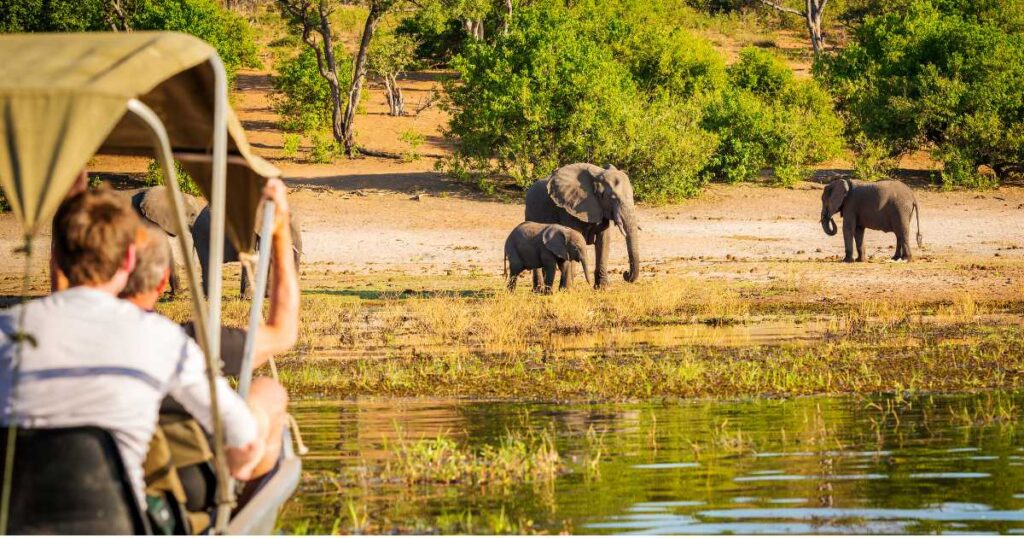
Indonesia isn’t just another tropical destination—it’s one of the most biodiverse countries on Earth. For families who want their kids to experience nature up close, few places offer this much wildlife variety in such accessible ways. You don’t need to rough it or take long, risky expeditions. Here, national parks and eco-lodges make safaris comfortable, safe, and educational for every age.
A Living Classroom of Nature and Culture
Across its 17,000 islands, Indonesia is home to over 300,000 animal species—from tiny tarsiers and colorful birds to sea turtles, elephants, and Komodo dragons. Each island offers a different ecosystem: rainforests in Sumatra, coral gardens in Raja Ampat, volcanoes in Java, and savannas in Flores. This diversity makes every family trip a living science lesson. Kids can learn how mangroves protect coasts, why orangutans need forests, or how coral reefs support thousands of marine creatures.
Easy Access and Family-Friendly Infrastructure
Indonesia’s wildlife destinations are surprisingly easy to reach. Most parks like Komodo National Park or Tanjung Puting are connected through domestic flights, and many tours include hotel pickups, guided transport, and safety gear. Eco-lodges provide family-sized rooms, child-friendly meals, and short, manageable excursions that keep children engaged without long treks or exhausting days.
Parents will appreciate that tour operators often provide certified local guides trained in conservation and first aid. Many speak English and love teaching kids about their homeland’s animals. Riverboats in Borneo, safari jeeps in Java, and snorkeling boats in Raja Ampat are all designed for comfort and safety.
A Blend of Education and Fun
Family safaris in Indonesia mix play and learning naturally. Instead of lectures, kids watch orangutans swing through trees, feed elephants under supervision, or count fish on a reef. Many lodges even run junior ranger programs or storytelling nights about local myths tied to wildlife—turning curiosity into empathy for nature.
Parents find these experiences equally rewarding. They get to see their children grow braver, more curious, and more mindful of the planet. And since most safaris support community-based tourism, your visit directly benefits locals who protect the environment every day.
Indonesia offers a rare mix of safety, biodiversity, and culture that few other countries can match. It’s a destination where adventure stays family-sized and where learning happens naturally—with every roar, splash, and flutter.
Top 6 Wildlife Adventure Destinations in Indonesia
Indonesia is one of the most biodiverse countries on Earth, and for families looking to introduce their children to nature in a safe, exciting, and educational way, it is a dream destination. From tropical rainforests filled with orangutans to crystal-clear waters with turtles and coral reefs, every island offers a different adventure. The best part is that Indonesia’s safaris are not extreme or dangerous—they are designed for families who want the thrill of wildlife encounters with comfort and safety in mind. Below are the top six destinations where both kids and parents can explore, learn, and connect deeply with nature.
1. Komodo National Park, Flores – The Land of Living Dragons
Few places in the world capture a child’s imagination quite like Komodo National Park. This UNESCO World Heritage site is the only place on Earth where Komodo dragons live freely. These massive lizards can grow up to 3 meters long and weigh over 70 kilograms, and seeing them in their natural habitat feels like stepping into a real-life Jurassic Park. Families can walk along guided trails on Komodo and Rinca Islands, where trained park rangers ensure safety while explaining fascinating facts about these prehistoric creatures, from their hunting habits to how they survive on smaller islands with limited resources.
Beyond dragons, the park’s marine life is just as magical. Families can go snorkeling in crystal-clear waters filled with clownfish, rays, and sea turtles. Parents and children alike will be mesmerized by the sunset bat migration at Kalong Island, where thousands of fruit bats soar across the orange sky. Labuan Bajo, the main gateway to the park, offers family-friendly resorts with pools, restaurants, and short island-hopping tours designed for all ages.
How to visit: Fly to Labuan Bajo from Bali or Jakarta. Book a family-friendly boat tour for one to three days with enclosed cabins, life jackets, and child-safe routes.
What kids learn: Adaptation, predator-prey balance, and why protected habitats are vital for endangered species.
2. Tanjung Puting National Park, Borneo – Orangutans and River Journeys
Tanjung Puting is one of Indonesia’s most heartwarming wildlife experiences and perfect for children who dream of seeing orangutans in the wild. Located in Central Kalimantan, this park is best explored on a traditional wooden riverboat called a klotok. As you float along calm jungle waterways, you’ll see hornbills, proboscis monkeys, and, of course, orangutans swinging from the trees. Kids love spotting the baby orangutans clinging to their mothers and learning how these intelligent creatures build nests each night high above the forest floor.
The journey is as relaxing as it is exciting. Families sleep on the klotok under mosquito nets while surrounded by the sounds of the rainforest. Visits to orangutan feeding stations, like Camp Leakey, give children a close-up view of how rescued orangutans are reintroduced into the wild. Meals are freshly cooked on board, and guides are experienced in explaining wildlife facts in kid-friendly ways.
How to visit: Fly to Pangkalan Bun from Jakarta or Semarang, then take a short drive to Kumai harbor to board a private or shared klotok.
What kids learn: Conservation, animal rehabilitation, and how humans can help protect rainforests and their inhabitants.
3. Way Kambas National Park, Sumatra – Elephants, Rhinos, and Conservation Education
Way Kambas, in southern Sumatra, is one of Indonesia’s best conservation-focused safaris and a wonderful destination for families who want an ethical wildlife experience. The park is home to the endangered Sumatran elephant and rhinoceros. At the Elephant Conservation Center, kids can observe elephants bathing, eating, and being trained for patrol duties that help protect the park from illegal logging and poaching.
Unlike typical zoo experiences, interactions here are focused on education and empathy. Children can help prepare fruit for the elephants or watch how caretakers use voice commands to communicate with them. For older kids, short nature walks teach how park rangers track footprints and monitor wildlife using camera traps. Staying overnight at an eco-lodge nearby gives families the chance to hear the sounds of the forest at night, from frogs and insects to distant elephant calls.
How to visit: Fly to Bandar Lampung, then drive two hours to the park. Arrange tours through eco-travel agencies or the official park office.
What kids learn: Wildlife protection, conservation teamwork, and the importance of respecting animals rather than exploiting them.
4. Raja Ampat, West Papua – The World’s Richest Marine Ecosystem
Raja Ampat is paradise for families who love the ocean. This archipelago is known worldwide for its breathtaking underwater life, often called the most biodiverse marine ecosystem on the planet. Here, snorkeling is as educational as it is fun. Children can glide over shallow reefs teeming with sea turtles, parrotfish, and vibrant coral. Many eco-resorts provide floating platforms and calm bays perfect for beginner snorkelers, as well as guided tours where marine biologists teach about coral conservation.
On land, kids can visit local Papuan villages to learn how traditional communities protect the reefs through sustainable fishing. Birdwatching is another highlight—families often wake early to see the red bird-of-paradise displaying its feathers high in the trees. For parents, Raja Ampat offers peace and serenity unmatched anywhere else, with pristine beaches, quiet lodges, and mesmerizing sunsets.
How to visit: Fly to Sorong (via Jakarta or Makassar), then transfer by ferry or speedboat to your chosen island resort or homestay.
What kids learn: Marine ecosystems, coral reef protection, and why oceans are crucial for the planet’s health.
5. Bali Safari and Marine Park, Bali – Safe Wildlife Adventures for All Ages
For families with younger children or those who prefer a gentler introduction to wildlife, the Bali Safari and Marine Park is ideal. Located in Gianyar, it’s one of Southeast Asia’s best-designed wildlife parks. Here, kids can safely see elephants, tigers, lions, and Komodo dragons up close without the risks of the wild. The park operates safari buses that drive visitors through open enclosures designed to mimic natural habitats, making the experience both fun and educational.
Children can also take part in animal feeding sessions, watch elephant bathing demonstrations, and attend cultural shows that mix Balinese tradition with wildlife education. The park’s Bali Agung performance, for example, combines dance, storytelling, and live animals to teach about harmony between humans and nature. Parents will appreciate the clean facilities, family restaurants, and even the option to stay overnight at the Mara River Safari Lodge, where rooms overlook animal enclosures.
How to visit: Located about 45 minutes from Ubud and one hour from Denpasar. Tickets can be purchased online or on-site.
What kids learn: Animal behavior, conservation in modern tourism, and how zoos can evolve into education-focused sanctuaries.
6. Bromo Tengger Semeru National Park, East Java – Volcano, Horses, and Starry Skies
Bromo Tengger Semeru National Park is one of Indonesia’s most magical landscapes and a perfect adventure for families with older kids. The experience of watching the sun rise over Mount Bromo is unforgettable. Families ride jeeps or horses across the Sea of Sand to reach viewpoints where the sky glows pink and gold as the volcano smokes gently below. Local Tenggerese villagers guide families through the area, sharing stories about how their culture and religion are deeply connected to the mountain.
During the day, families can enjoy short hikes, visit waterfalls, and see deer and mountain birds around the forest edges. At night, the sky turns into a sea of stars, offering one of the clearest stargazing spots in Indonesia. The area also has cozy lodges with fireplaces, making it a comfortable escape from the tropical heat found elsewhere.
How to visit: Fly to Surabaya, then drive about three hours to Cemoro Lawang village. From there, local guides can arrange jeep tours, horse rides, and cultural experiences.
What kids learn: Volcano formation, respect for nature, and how traditional cultures help preserve natural environments.
Each of these destinations offers something unique—Komodo’s dragons inspire awe, Borneo’s orangutans teach empathy, Sumatra’s elephants reveal the value of protection, Raja Ampat nurtures ocean curiosity, Bali provides safe learning, and Bromo blends science with wonder. Together, they show families that Indonesia is not just a place to visit—it’s a place to grow, learn, and reconnect with the natural world in ways that will shape a child’s love for the planet forever.
Educational Value for Kids During Family Safaris in Indonesia

Family wildlife safaris in Indonesia are much more than vacations—they are hands-on learning adventures that spark curiosity, compassion, and creativity in children. Every national park, eco-lodge, and local guide offers lessons that go beyond the classroom. From understanding how ecosystems work to discovering how humans and animals coexist, Indonesia’s wild places give kids a chance to learn through real experiences instead of screens or textbooks.
Learning About Biodiversity and Ecosystems
Indonesia is one of the most biodiverse nations in the world, and exploring it helps children understand what that truly means. When your family visits Komodo National Park, your kids don’t just see giant reptiles—they learn about predator and prey relationships and how species adapt to harsh environments. In Borneo, watching orangutans in their forest home becomes a live lesson in the importance of trees and how deforestation affects wildlife. In Raja Ampat, snorkeling over coral reefs turns into an interactive science lesson about marine ecosystems, coral bleaching, and ocean life. Each destination naturally introduces biology, geography, and conservation in a way that feels like discovery, not study.
Understanding Conservation and Sustainability
Many of Indonesia’s wildlife parks have programs that teach visitors—especially children—how conservation works. At the Way Kambas Elephant Conservation Center, kids can see how rangers care for injured animals, rescue orphaned elephants, and use eco-friendly patrols to stop illegal hunting. These encounters show children the value of protecting animals, not just admiring them. They also learn that tourism, when done responsibly, can help fund conservation and support local communities. For example, a portion of your entrance fee or tour payment often goes directly to wildlife protection programs, tree planting, or village education initiatives.
Building Cultural Awareness and Empathy
One of the most beautiful things about safaris in Indonesia is how closely nature and culture are linked. Families who visit rural villages or community-led eco-lodges see how local people live in harmony with the land. In Lombok, kids can meet farmers who grow organic food to reduce forest cutting. In Papua, they can listen to stories from elders about traditional fishing rituals that protect coral reefs. These experiences teach respect—not just for wildlife but for people who have cared for these environments for generations.
Children also develop empathy when they meet real conservation heroes: park rangers, animal caretakers, and researchers who dedicate their lives to protecting endangered species. Instead of learning about environmental issues in abstract terms, they witness real action and understand that every person can make a difference, no matter their age.
Encouraging Curiosity and Confidence
Family safaris naturally bring out a sense of wonder. Every trail, bird song, or animal footprint invites questions. Kids start asking things like “Why does the Komodo dragon have forked tongues?” or “How do coral reefs breathe?” This kind of curiosity strengthens problem-solving skills and encourages independent thinking. And when children overcome small challenges—like trekking through a forest, spotting animals quietly, or snorkeling for the first time—they gain confidence and resilience. These lessons go beyond travel; they become life skills.
Inspiring Future Environmentalists
Perhaps the greatest educational gift of all is inspiration. Many parents who take their children on safaris in Indonesia find that it plants the seeds for lifelong care about nature. After seeing elephants, turtles, or orangutans in the wild, children begin to understand how their daily choices—like recycling, saving water, or saying no to plastic—connect to the bigger picture. They return home more conscious, compassionate, and eager to protect the planet.
In Indonesia, learning happens naturally. There are no classrooms or homework, just the world as a teacher. Every sound of the jungle, every splash in the sea, and every smile from a local guide leaves a lasting lesson about respect—for life, for culture, and for our shared Earth.
Best Time to Visit and Family Travel Tips for Wildlife Safaris in Indonesia
Planning the perfect family safari in Indonesia means knowing when to visit and how to prepare for comfort, safety, and fun. Because Indonesia stretches across thousands of islands and different climates, understanding its seasons will help you pick the right destination at the right time. With the right timing, packing, and mindset, your family can enjoy smooth adventures without stress or surprises.
Best Time to Visit for Family Wildlife Safaris
Indonesia’s climate is tropical, which means it has two main seasons: the dry season (May to October) and the rainy season (November to March). The dry season is generally the best time for wildlife safaris, especially for families, since roads are easier to travel, and animals are more active in clear weather. However, not every region follows the same pattern, so it helps to plan by destination.
- Komodo National Park and Flores: Best from April to November, with calm seas and great snorkeling visibility. Avoid January–February when heavy rain can disrupt boat tours.
- Borneo (Tanjung Puting): Visit between June and September, when river levels are steady and orangutans are easier to spot.
- Way Kambas, Sumatra: Best during May to October, when elephant patrols and park activities run regularly.
- Raja Ampat, West Papua: Best between October and April, the dry season for this region, which is opposite to the rest of Indonesia. During this time, the ocean is calm and visibility can exceed 30 meters.
- Bali Safari & Marine Park: Open year-round, though June to September offers the best weather for family road trips.
- Bromo Tengger Semeru: The best time is from May to October for clear sunrises and dry trails.
Even during the rainy months, Indonesia’s downpours are often short and predictable—an hour or two in the afternoon—so families can still enjoy activities in the mornings and evenings. The benefit of traveling off-season is fewer tourists, lower prices, and greener landscapes, which can make for a more relaxed and beautiful experience.
Family Travel Tips for a Safe and Fun Safari
1. Choose family-friendly operators and guides.
Not all tours are designed for kids, so it’s important to choose operators with experience in family travel. Look for companies that provide child-sized safety gear, patient local guides, and flexible itineraries that allow breaks and shorter activity times.
2. Pack smart but light.
Indonesia’s tropical climate means light clothing, sun hats, and sandals are perfect, but don’t forget essentials like mosquito repellent, sunscreen, quick-dry clothes, and reusable water bottles. For jungle or volcanic areas, pack sturdy shoes, rain jackets, and a small first-aid kit. If your kids are young, consider bringing their favorite snacks, as familiar foods may not always be available in remote areas.
3. Bring binoculars and notebooks.
Kids love spotting animals and recording what they see. A small pair of binoculars and a nature journal can make the trip interactive and educational. Encourage them to draw animals, note new words, or track sightings—it helps them stay engaged and excited throughout the journey.
4. Keep health and safety first.
Always carry hand sanitizer, wipes, and basic medicine for motion sickness or insect bites. Choose bottled or filtered water, and remind kids not to touch or feed wild animals. In places like Komodo or Borneo, always stay close to your guide and follow their instructions.
5. Stay eco-friendly and respectful.
Indonesia’s ecosystems are delicate. Teach children the golden rules of sustainable travel: never litter, avoid single-use plastics, and respect local customs and wildlife. Many eco-lodges now provide reusable bottles and bamboo straws to support this mission.
6. Take travel insurance seriously.
Comprehensive travel insurance that covers medical emergencies and trip cancellations is a must, especially when traveling to remote islands. Choose providers that specialize in family or adventure coverage.
7. Slow down and enjoy.
Unlike city vacations, safaris are about patience and observation. Some animals appear instantly, while others require quiet waiting. Take your time, encourage your kids to listen to forest sounds, and let them enjoy small details—the chirp of a gecko, the splash of a fish, or the rustle of leaves in the wind. These are the moments that make the trip memorable.
Quick Weather Reference Chart for Families
| Region | Best Months | Climate Type | Highlights |
|---|---|---|---|
| Komodo & Flores | April–November | Dry & sunny | Calm seas, dragons active |
| Borneo (Tanjung Puting) | June–September | Warm & humid | Orangutans visible, fewer mosquitoes |
| Sumatra (Way Kambas) | May–October | Moderate & dry | Easy forest access, elephant patrols |
| Raja Ampat | October–April | Calm & clear | Perfect snorkeling & diving |
| Bali | June–September | Dry & mild | Best for road trips, outdoor shows |
| East Java (Bromo) | May–October | Cool & dry | Best for stargazing & sunrise |
Ethical Wildlife Viewing Guidelines
Indonesia’s wildlife is beautiful but fragile. Families play an important role in keeping safaris sustainable. Always watch animals from a safe distance, avoid loud noises, and never feed wildlife. Choose tours that support local communities and conservation programs. Respect local traditions by dressing modestly in villages and asking permission before taking photos of people. When families travel responsibly, they set an example for their children and help preserve these places for future generations.
Planning your trip around these guidelines ensures a smooth, educational, and eco-friendly adventure that everyone—from toddlers to teens—will enjoy. Indonesia’s mix of biodiversity, comfort, and hospitality makes it one of the few places in the world where families can experience true wilderness without giving up safety or convenience.
Eco-Friendly Practices During Family Safaris in Indonesia
Family wildlife safaris in Indonesia are more meaningful when they’re done responsibly. Every small action your family takes can help protect fragile ecosystems, support local communities, and ensure that wildlife continues to thrive for generations to come. Eco-friendly travel doesn’t mean giving up comfort—it means making smart, mindful choices that create positive impact while still allowing your family to enjoy every moment of adventure.
Support Local and Community-Based Tourism
One of the easiest ways to travel sustainably in Indonesia is by supporting community-run lodges, homestays, and tours. Many national parks—like Tanjung Puting and Way Kambas—partner directly with nearby villages. Staying in locally owned eco-lodges ensures that your money goes straight into the hands of people who protect the forest and animals daily. When families buy handicrafts, food, or souvenirs made by locals, they help sustain traditional livelihoods and reduce the pressure on wildlife habitats. Choosing tours that employ local guides also teaches children about cultural respect and the importance of community involvement in conservation.
Choose Eco-Lodges and Green Accommodations
Eco-lodges across Indonesia are designed to minimize environmental impact while maximizing comfort. Many use solar energy, collect rainwater, or rely on natural cooling systems instead of air conditioning. Families can stay in bamboo cottages near rice fields, jungle lodges powered by solar panels, or floating homestays built from recycled wood. In Raja Ampat and Borneo, several eco-resorts even run coral restoration and tree-planting programs that guests can join. By choosing these stays, kids get to see sustainability in action, learning that luxury and responsibility can go hand in hand.
Minimize Plastic and Waste
Plastic pollution is one of Indonesia’s biggest environmental challenges, especially on islands and beaches. Families can make a big difference by bringing reusable water bottles, lunch boxes, and cloth bags. Many eco-lodges now offer free refills from filtered water stations. When shopping, avoid single-use packaging and politely refuse plastic straws or bags. Teach kids how to separate waste properly—many villages and lodges have recycling bins for plastic, paper, and organics. These small habits create long-term awareness and show children how every action counts.
Respect Wildlife and Their Space
Watching animals in the wild is thrilling, but it’s vital to remember that we are visitors in their home. Always observe animals quietly and from a safe distance. Flash photography, loud voices, and sudden movements can stress wildlife. Never feed animals, even if they approach; human food can harm them or alter their behavior. In places like Komodo National Park and Borneo, guides will help your family maintain safe distances and explain why this respect is key to conservation. Kids quickly learn that real love for animals means protecting them, not touching or chasing them.
Offset Your Travel Footprint
Long flights and boat rides can increase your carbon footprint, but there are ways to balance it. Families can participate in carbon offset programs offered by airlines or donate to Indonesian reforestation projects. Some eco-tour operators plant trees for every booking. Joining these efforts or volunteering for a day of mangrove planting not only helps the environment but also gives kids a hands-on experience in environmental care. It’s a meaningful way to teach responsibility and connection to the Earth.
Encourage Conscious Consumption
Traveling sustainably also means being mindful of what we buy and use. Encourage children to take shorter showers, turn off lights and fans when not needed, and avoid buying products made from endangered materials like coral or shells. Support local food by eating at small restaurants that serve organic or locally sourced dishes. These choices reduce waste, conserve resources, and teach children that protecting the planet starts with everyday habits.
Educate and Lead by Example
Perhaps the most important eco-friendly practice of all is education. Kids learn by watching adults. When parents show care—like picking up litter, using eco-bags, or thanking local guides respectfully—it sends a lasting message. Take time to talk about why these actions matter. Explain how coral reefs produce oxygen, how mangroves protect coastlines, or why elephants need large spaces to roam. When children understand the “why,” they naturally grow into environmentally conscious adults.
Indonesia’s natural wonders are powerful teachers, and family safaris become unforgettable when they inspire both joy and responsibility. Traveling sustainably ensures that your family’s adventures help rather than harm, leaving behind not just footprints but positive change.
Also Read: Eco-Tourism in Indonesia: How to Travel Responsibly in 2025
Eco-Friendly Family Safari Practices at a Glance
| Eco Practice | How Families Can Do It | Why It Matters for Indonesia | What Kids Learn |
|---|---|---|---|
| Support Local Tourism | Stay in village-run lodges, hire local guides, and buy handmade crafts. | Boosts local income and reduces dependency on harmful logging or poaching. | Empathy, cultural respect, and understanding how tourism supports people and nature. |
| Choose Eco-Lodges | Pick stays using solar power, rainwater systems, and natural materials. | Reduces energy waste and protects natural habitats. | How sustainable living works in real life. |
| Reduce Plastic Waste | Carry reusable bottles, straws, and lunch boxes. Avoid single-use packaging. | Helps prevent ocean and river pollution, especially in islands like Bali and Flores. | Responsibility and awareness about pollution. |
| Respect Wildlife | Keep a safe distance, don’t feed or touch animals, and follow guide instructions. | Keeps animals healthy and prevents stress or aggression. | Respect for life and understanding animal behavior. |
| Offset Carbon Footprint | Join mangrove or tree-planting activities, or donate to reforestation projects. | Balances emissions from flights and boats while restoring ecosystems. | The importance of giving back to nature. |
| Eat Local and Seasonal | Choose meals from small restaurants serving local produce. | Supports sustainable farming and lowers carbon impact from imports. | Appreciation for simple, local food and community livelihoods. |
| Save Energy and Water | Turn off lights, fans, and taps when not in use. Take short showers. | Conserves natural resources, especially in small islands with limited supply. | Daily environmental responsibility. |
| Join Conservation Programs | Participate in coral restoration, beach cleanups, or animal rescue education tours. | Protects threatened species and inspires local awareness. | Teamwork, compassion, and real-world conservation. |
This quick table helps families remember that every small decision—from where they sleep to what they buy—can have a huge positive impact on Indonesia’s ecosystems and people.
FAQs About Family Wildlife Safaris in Indonesia
1. Are family wildlife safaris in Indonesia safe for children?
Yes, most family wildlife safaris in Indonesia are designed with safety in mind. National parks such as Komodo, Tanjung Puting, and Way Kambas have certified guides trained to work with families. Boats, vehicles, and lodges provide life jackets, first-aid kits, and safety instructions before each activity. Parents should always follow the guide’s directions, especially when viewing animals like Komodo dragons.
2. What’s the best age for kids to join a wildlife safari in Indonesia?
Children aged 5 and above usually enjoy these experiences the most. Younger kids can join gentle safaris like Bali Safari & Marine Park, while older children and teens will love exploring Borneo or Raja Ampat. Activities such as short treks, river cruises, and snorkeling are safe as long as they match your child’s comfort level.
3. How many days should we plan for a family safari trip?
A good family wildlife safari in Indonesia lasts about 5–10 days, depending on destinations. For example, a short 3-day trip to Komodo National Park or Bali Safari Park is ideal for beginners, while a full 7–10 day trip covering Borneo and Bali gives a deeper experience. Always include at least one rest day between travel days for young kids to recover.
4. Are vaccinations or health precautions required?
Basic travel vaccinations are recommended, such as Hepatitis A, Typhoid, and Tetanus. Use mosquito repellent and wear long sleeves in jungle areas to prevent insect bites. Most eco-lodges offer mosquito nets and filtered water. Families should also carry a small first-aid kit with child-friendly medicine and rehydration salts.
5. What’s the best way to travel between islands?
Indonesia’s domestic flight network is extensive and affordable. Airlines like Garuda Indonesia, Batik Air, and Lion Air connect major safari destinations. Short ferry or speedboat rides are common in areas like Komodo and Raja Ampat. For families, booking organized tours that include transfers is often the easiest and most comfortable option.
6. Can we interact directly with animals?
Direct contact with wild animals is discouraged for ethical and safety reasons. Observation from a safe distance is always best. However, children can participate in supervised activities like feeding elephants at Way Kambas or visiting orangutan rehabilitation centers in Borneo, where staff ensure safe and responsible interactions.
7. Do safaris operate during the rainy season?
Yes, most safari destinations remain open all year, though itineraries may adjust for weather. In the rainy season (November–March), parks are greener and less crowded. Some boat trips may be shortened, but wildlife sightings are still excellent. Many families enjoy this period because it offers discounted prices and lush scenery.
8. Are vegetarian or special meals available for kids?
Absolutely. Most eco-lodges and safari boats cater to dietary needs, including vegetarian, vegan, or gluten-free options. Indonesian cuisine is naturally family-friendly, offering mild dishes like fried rice, noodles, grilled chicken, and tropical fruits. It’s always best to inform your tour operator about any dietary preferences in advance.
9. How can we make sure our safari is eco-friendly?
Choose operators that follow sustainable practices—like using refillable water stations, hiring local staff, and supporting wildlife programs. Avoid plastic waste, respect wildlife distances, and participate in conservation activities like tree planting or beach cleanups. These habits make your trip meaningful and protect the destinations you visit.
10. What should we pack for a family safari in Indonesia?
Pack lightweight clothing, comfortable walking shoes, raincoats, swimsuits, sun hats, and plenty of sunscreen. Don’t forget reusable bottles, insect repellent, binoculars, and a small camera for kids. Bring copies of travel documents and a portable charger for longer journeys. Most important of all, pack curiosity and patience—the key ingredients for a memorable safari.
Indonesia’s wildlife adventures are built around balance: excitement, learning, and safety all in one. Whether you’re cruising down a river in Borneo or watching a volcano sunrise in Java, every moment brings your family closer to nature and to each other.
Conclusion – Why Family Wildlife Safaris in Indonesia Create Memories That Last a Lifetime
Family wildlife safaris in Indonesia are more than just vacations—they are journeys that connect families to the heart of nature and each other. Unlike theme parks or crowded cities, these safaris invite families to slow down, breathe deeply, and experience the planet in its purest form. From watching Komodo dragons basking under the sun to cruising gently through the rainforests of Borneo, each moment becomes a story your family will carry forever.
What makes Indonesia special is its ability to blend adventure with education, comfort with authenticity, and excitement with peace. Parents can relax knowing that the country’s wildlife experiences are safe, ethical, and family-friendly, while kids get to learn in the most natural classroom imaginable. They see how orangutans build nests, how coral reefs breathe life into the ocean, and how elephants live in harmony with their caretakers. These encounters turn curiosity into understanding and fun into compassion.
Indonesia’s beauty also lies in its people. Every local guide, boat crew, and village host shares not just their home but their heart. Families who travel here discover that the country’s greatest treasure isn’t only its wildlife—it’s the kindness and wisdom of the people who protect it. By choosing eco-friendly tours and supporting community programs, families help sustain this delicate balance between nature and culture.
In the end, a family safari in Indonesia is not about ticking off animals from a list. It’s about seeing your child’s eyes light up as they spot their first sea turtle, hearing laughter echo through the jungle, or sharing stories under a sky full of stars. These are the moments that shape values, inspire responsibility, and build lasting love for the Earth.
So when you plan your next trip, skip the usual destinations. Pack your bags, bring your curiosity, and step into Indonesia’s wild heart. Because here, every adventure is a chance to reconnect—with nature, with culture, and with one another.