Imagine stepping into a maze of color and spice, where batik hangs like art, sellers call out with friendly smiles, and the smell of warm snacks fills the air. That’s the daily rhythm of traditional markets in Yogyakarta. If you want the real soul of the city—not just the famous landmarks—traditional markets Yogyakarta are where stories, flavors, and handmade goods meet.
These markets are more than places to shop. They are where families sell batik they’ve made for generations, where farmers bring fresh produce at sunrise, and where travelers learn how locals eat, trade, and connect. You can pick up quality batik, silver jewelry, and spices, try snacks you won’t find in malls, and practice a little Bahasa while you bargain kindly.
In this guide, you’ll learn exactly which markets are worth your time, what to buy and what to skip, the best times to visit for fresh finds or night vibes, and how to bargain without being rude. We’ll also cover what to eat (and how to keep your tummy happy), quick safety and payment tips, and simple etiquette so you can shop with confidence. By the end, you’ll know how to explore Jogja’s markets like a local—saving money, supporting artisans, and bringing home meaningful souvenirs.
Why Visit Traditional Markets in Yogyakarta
Visiting traditional markets in Yogyakarta is one of the most rewarding ways to experience the city’s true local life. These markets are living museums of culture, where every stall, smell, and smile tells a story about the people of Jogja. While many tourists rush to the temples or busy shopping streets, the real magic often hides in the market alleys.
1. Cultural significance
Traditional markets have been part of Yogyakarta’s identity for centuries. They’re where art, food, and daily life come together. In a city known as the cultural heart of Java, markets like Beringharjo and Pasty are vital to preserving traditional crafts such as batik and silverwork. Buying directly from local sellers means you’re helping keep old traditions alive.
2. Supporting small artisans and farmers
When you buy a hand-dyed batik cloth or a bag of local coffee beans, you’re not just buying a product — you’re supporting families and small businesses. Many sellers are second- or third-generation artisans who depend on these markets to make a living. This makes your purchase meaningful beyond just the price tag.
3. Local interaction and learning
Markets are the best places to connect with locals. Whether you’re chatting over a bowl of gudeg or asking about spice blends, you’ll learn more about Javanese warmth and hospitality in one morning at the market than in any tourist attraction. Locals appreciate respectful curiosity and a smile — even a simple “Terima kasih” (thank you) goes a long way.
4. Authentic souvenirs and real prices
Unlike tourist shops with inflated prices, traditional markets give you access to authentic goods at fair prices. You’ll find handmade batik, rattan baskets, herbal remedies, silver jewelry, and fresh snacks straight from local kitchens. Plus, the joy of bargaining makes every purchase a small adventure.
Exploring Yogyakarta’s traditional markets is not just about shopping — it’s about seeing, tasting, and feeling the heartbeat of the city itself.
Top 5 Markets to Explore in Yogyakarta
Each traditional market in Yogyakarta has its own character — some are lively and noisy, others calm and full of hidden treasures. Whether you’re after handmade batik, silver jewelry, or a taste of local snacks, these five markets offer the most authentic experiences for travelers.
1. Beringharjo Market – The Heart of Yogyakarta’s Trade
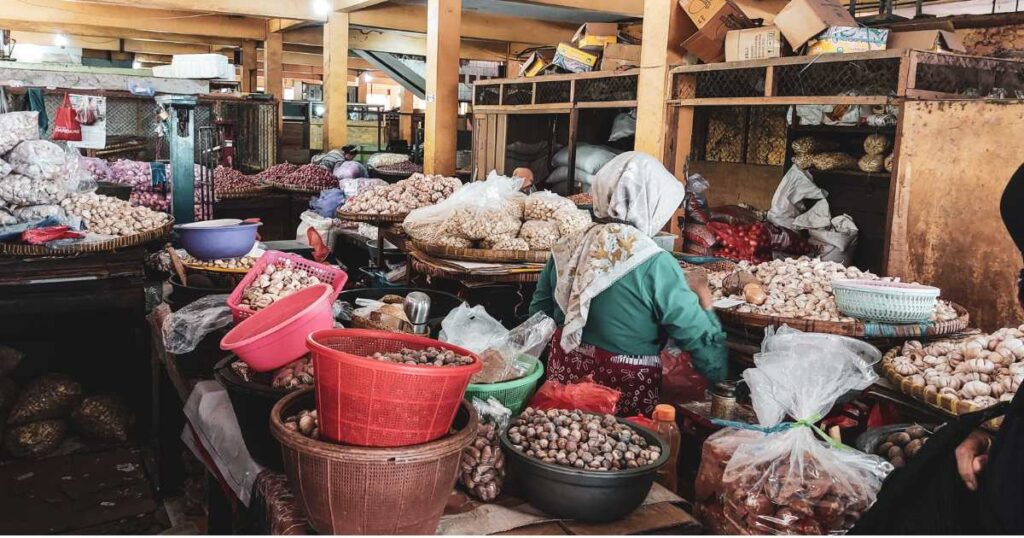
Beringharjo Market is the city’s oldest and most famous market, located right along Malioboro Street. It’s a maze of colors and aromas spread over several floors. On the ground level, you’ll find stalls selling spices, herbs, and dried goods that fill the air with sweet and earthy scents. The upper floors are where batik shines — both hand-drawn and stamped versions at very affordable prices.
If you’re buying batik, ask vendors about tulis (hand-drawn) vs. cap (stamped). Locals say the best bargains come early in the morning when sellers believe the first sale brings luck for the day.
2. Pasty Market – For Pet Lovers and Plant Enthusiasts
Also known as Pasar Satwa dan Tanaman Hias, Pasty Market is a unique spot where locals sell birds, fish, rabbits, and tropical plants. Even if you don’t plan to buy a pet, it’s worth visiting just to see how locals care for their animals. The plant section is filled with orchids, bonsai, and rare indoor plants, perfect if you love greenery.
3. Gamping Market – Fresh Produce and Local Life
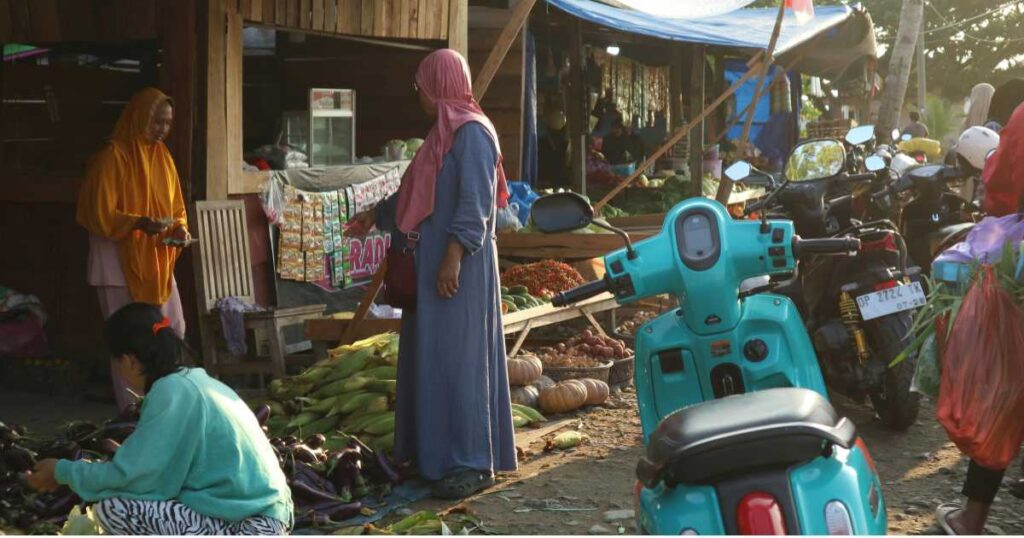
Located slightly outside the city center, Gamping Market is where locals shop for their daily needs — vegetables, fruits, meat, and spices. This market offers a more authentic, less touristy experience. Come early in the morning (around 6 AM) to see the freshest produce arrive and capture photos of real Javanese market life.
4. Malioboro Street Stalls – Night Shopping and Street Food
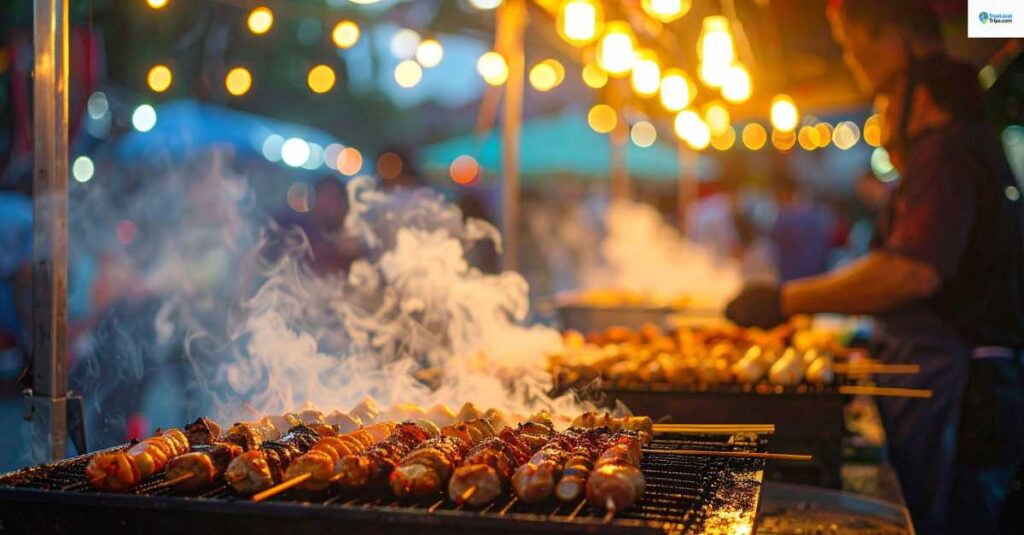
Malioboro Street transforms into a night bazaar once the sun sets. You’ll find vendors selling T-shirts, keychains, and traditional snacks, all under glowing street lights. It’s the perfect place to buy small souvenirs and enjoy angkringan (small roadside food stalls). Try the local favorite nasi kucing — a tiny rice dish with sambal and anchovies.
5. Kotagede Silver Market – Handcrafted Jewelry and Art
Kotagede, once the seat of the Mataram Kingdom, is now famous for its silver artisans. The market here feels more like an art village than a typical market. You can watch craftsmen shape silver into delicate necklaces and ornaments using techniques passed down through generations. Some workshops even allow visitors to make their own small silver rings.
Together, these markets paint a full picture of Yogyakarta — creative, traditional, and deeply connected to its roots.
What to Buy (and What’s Worth Skipping)
Shopping in Yogyakarta’s traditional markets can feel like treasure hunting — there’s so much to see, touch, and taste. But not everything is worth buying. Knowing what to look for (and what to avoid) helps you make the most of your visit while supporting the right local sellers.
1. Must-Buy Local Treasures
Batik (Handmade & Stamped)
Batik is Yogyakarta’s pride. The finest pieces come from Beringharjo Market and Kotagede workshops. Look for natural dyes and fine patterns — they last longer and have a softer feel. Hand-drawn (tulis) batik is more expensive but also more unique.
Silver Jewelry
From the skilled artisans of Kotagede, you’ll find elegant earrings, rings, and home décor made entirely by hand. Look for official “925” marks for real silver and avoid items that look too shiny or light — they might be mixed metal.
Spices & Herbal Products
Markets like Beringharjo and Gamping are full of fresh local spices: nutmeg, cloves, turmeric, and ginger. You can also find jamu (traditional herbal drinks) made from roots and spices — a healthy souvenir if you enjoy natural wellness products.
Local Snacks (Jajan Pasar)
Try bakpia (sweet bean pastry), jenang (sticky rice candy), and kripik tempe (crispy tempeh chips). They make great edible gifts and are found in every market, often homemade by local families.
Handicrafts & Souvenirs
Wood carvings, bamboo baskets, and handwoven bags are commonly found in smaller stalls around Beringharjo and Malioboro. They’re light, affordable, and perfect for travelers who love meaningful souvenirs.
2. What to Skip or Be Careful With
Counterfeit Items
Some vendors sell fake branded bags, T-shirts, and watches. They may look tempting, but they’re illegal to bring across borders and don’t support local craftsmanship.
Imported Plastics & Mass-Produced Goods
Avoid cheap plastic souvenirs and imported toys. These items add to local waste and take away focus from handmade, sustainable products.
Perishable Items (Without Packaging)
Fresh fruits or liquids (like jamu) don’t travel well unless properly sealed. If you plan to bring them home, ask sellers for vacuum-sealed packaging or consume them locally.
By focusing on locally made products, you not only bring home something truly special — you help keep Jogja’s creative and traditional economy alive.
Best Times to Visit
Yogyakarta’s traditional markets are open almost every day, but when you go can change your whole experience — from what you see to how much you enjoy it. The best time depends on what kind of atmosphere you want: peaceful morning vibes, lively mid-day bustle, or a colorful night market glow.
1. Early Morning (5:00 AM – 8:00 AM): Freshest and Most Authentic
If you want to see the markets at their most local and alive, go early. Sellers set up before sunrise, and you’ll find the freshest produce, friendliest interactions, and cooler air. This is when locals buy ingredients for the day’s meals.
- Best markets: Gamping Market, Beringharjo Market
- Best buys: Fruits, vegetables, spices, and batik at good prices
- Bonus: Easier to take photos before the crowds arrive
2. Mid-Morning to Noon (9:00 AM – 12:00 PM): Busy but Vibrant
This is the peak time for visitors. Expect a mix of locals and tourists, higher energy, and fuller stalls. Prices may be a little higher, but you’ll see everything open and active.
- Best markets: Beringharjo and Kotagede Silver Market
- Best buys: Handicrafts, jewelry, textiles, and souvenirs
- Tip: Stay hydrated — it can get warm and crowded indoors.
3. Afternoon (1:00 PM – 4:00 PM): Quieter and Hotter
By this time, some vendors start to close or take breaks, especially at open-air markets. It’s not ideal for fresh produce, but still good if you want to shop slowly without crowds.
- Best markets: Kotagede (indoor workshops stay open longer)
- Best buys: Silver jewelry, art pieces, and non-food souvenirs
4. Evening & Night (5:00 PM – 10:00 PM): Street Food & Night Shopping
For atmosphere lovers, evening is magical. Street lights, sizzling food, and friendly chatter fill Malioboro Street. The night markets are perfect for casual shopping and trying local snacks.
- Best markets: Malioboro Street Stalls, Alun-Alun Night Market
- Best buys: Street food, small souvenirs, and local crafts
- Tip: Bring small bills and coins — many stalls don’t take cards.
Best Days to Visit:
Most markets are open daily, but Saturdays and Sundays are busier and more festive. For photography, weekdays are better — more space and fewer tourists.
Whether you want quiet moments with artisans or lively crowds with sizzling food, timing your visit right lets you enjoy the markets exactly the way locals do.
How to Bargain Respectfully
Bargaining is part of the fun when visiting traditional markets in Yogyakarta — it’s expected, friendly, and even a cultural game. But the secret is to do it politely and with a smile. Locals appreciate travelers who show respect and kindness when negotiating. Here’s how to do it the right way.
1. Learn a Few Local Phrases
A little Bahasa Indonesia goes a long way. Even short phrases can make sellers smile and often lead to better prices.
- “Berapa harganya?” – How much is it?
- “Boleh kurang?” – Can you make it cheaper?
- “Terima kasih” – Thank you
- “Bagus sekali!” – Very beautiful!
Saying these with a friendly tone builds instant connection.
2. Always Smile and Stay Polite
In Javanese culture, calmness and friendliness are key. Even if you think the price is too high, avoid showing frustration or impatience. A genuine smile can do more than tough bargaining. Remember, most sellers are hardworking locals trying to make a fair living.
3. Start Low, but Not Too Low
As a general rule, offer about half the initial price, then slowly meet in the middle. If something costs 100,000 IDR, you can start at 50,000 and work your way up to 70,000–80,000. It’s about finding a fair deal, not “winning.”
4. Compare Prices Before Buying
Walk around and ask at a few stalls before making a purchase. Prices for the same product can vary, especially at larger markets like Beringharjo. Once you find a good offer, buy it with a smile — locals remember kind buyers.
5. Respect “Fixed Price” Signs
Some stalls, especially in modernized parts of Beringharjo or Kotagede, use fixed prices (harga pas). If you see that, it means bargaining isn’t allowed. Respect that rule and thank the seller anyway.
6. Don’t Bargain If You Don’t Plan to Buy
It’s considered rude to negotiate and then walk away with no intention of purchasing. If you’re unsure, just ask for the price first and decide later.
7. Make It Fun!
Bargaining in Indonesia is meant to be friendly, not serious. Laugh, make small talk, and enjoy the exchange. Many sellers love chatting with foreigners, and you might even get a free gift for being polite!
By bargaining respectfully, you show appreciation for local culture while getting fair prices — everyone wins, and you’ll leave with both souvenirs and smiles.
Food to Try in the Markets
If you really want to understand Yogyakarta, skip the restaurants for a day and eat where the locals do — inside the traditional markets. Each corner is filled with comforting aromas and flavors that reflect the city’s soul. From sweet treats to hearty local dishes, here are must-try foods you’ll find in Jogja’s markets.
1. Gudeg – Yogyakarta’s Signature Dish
No visit to Yogyakarta is complete without tasting Gudeg. This sweet jackfruit stew is slow-cooked in coconut milk and palm sugar, often served with rice, chicken, egg, and spicy sambal krecek (crispy beef skin stew). You’ll find the best Gudeg stalls around Beringharjo Market and Malioboro Street. It’s rich, slightly sweet, and truly represents the city’s traditional flavor.
2. Bakpia Pathok – Sweet Bean Pastry
A popular souvenir snack, Bakpia Pathok are small round pastries filled with mung bean, chocolate, or cheese. They’re light, soft, and perfect with tea or coffee. While there are many brands, the best ones are sold near Pathok Street and Beringharjo Market.
3. Wedang Ronde – Warm Ginger Drink
After exploring the market, treat yourself to a bowl of Wedang Ronde — a comforting drink made from ginger, sugar syrup, peanuts, and chewy rice balls. It’s especially nice in the evening or on a rainy day. You’ll often see small stalls selling it along Malioboro Street or in the night markets.
4. Tempe Mendoan – Crispy Tempeh Snack
Tempe mendoan is thinly sliced fermented soybeans, dipped in batter, and fried lightly so it stays soft inside. Served with chili sauce, it’s a perfect snack to eat while walking through the market. You can find it at almost any food corner in Gamping or Beringharjo.
5. Klepon – Sweet Coconut Balls
These green rice-flour balls filled with melted palm sugar and rolled in grated coconut are a favorite among locals. They burst with sweetness when you bite into them. Try them fresh — they’re often sold early in the morning by women carrying woven baskets.
6. Sate Kere & Sate Ayam – Market Grilled Skewers
Satay stalls fill the air with the smell of grilled meat. Sate ayam (chicken satay) is the classic favorite, but sate kere (tofu or tempe satay) is a tasty budget-friendly option for vegetarians. Add a spoon of spicy peanut sauce, and you’ve got the perfect street food experience.
Food Hygiene Tips for Travelers
- Always choose stalls with lots of local customers — it’s a sign the food is fresh.
- Eat hot and freshly cooked dishes to avoid stomach upset.
- Bring tissues and hand sanitizer, as most stalls are simple setups.
- Drink bottled water instead of ice drinks unless you’re sure it’s clean.
Exploring the food inside Yogyakarta’s markets is more than just eating — it’s tasting history, family recipes, and everyday life all at once.
Safety, Payment & Etiquette
Shopping in Yogyakarta’s traditional markets is generally safe and welcoming, but like any busy place, it’s smart to stay aware and respectful. Following a few simple tips will help you enjoy a smooth, friendly experience from start to finish.
1. Keep Your Belongings Secure
Markets can get crowded, especially during weekends. Use a crossbody bag and keep it zipped in front of you. Avoid carrying large amounts of cash or showing expensive phones or jewelry. Yogyakarta is safe, but small pickpocketing incidents can happen in tight spaces.
2. Bring Small Cash (and Expect Cash-Only Stalls)
Most market vendors prefer cash, especially smaller notes (IDR 2,000 to 50,000). Many stalls won’t have change for big bills, and very few accept cards. You can find ATMs near Beringharjo Market or Malioboro Street. If you plan to shop a lot, bring enough cash but split it between your pockets or bags for safety.
3. Ask Before Taking Photos
Vendors are usually friendly and happy to be photographed — but always ask first. Some may prefer privacy, especially older sellers. A smile and a simple “Boleh foto?” (May I take a photo?) shows respect and almost always earns a cheerful yes.
4. Be Polite and Patient
Markets are about slow, social shopping — not rushing. Take your time, smile, and chat a little with the sellers. Even if there’s a language barrier, gestures and friendliness go a long way. Indonesians appreciate politeness more than perfect grammar.
5. Respect Local Customs
- Dress modestly — especially when visiting early-morning or traditional markets.
- Avoid pointing directly at people or items with your finger (use your thumb or whole hand instead).
- If you’re offered something to try, it’s polite to accept or at least smile and say thank you.
6. Watch Your Step
Floors can be slippery, especially near food and fish stalls. Wear comfortable shoes that you don’t mind getting a little dirty. Also, watch out for motorbikes that sometimes pass through narrow market lanes!
7. Stay Aware of Your Surroundings
Crowds can be overwhelming at first. Stick to well-lit, busy areas and follow locals’ lead. If something feels too pushy, just smile and walk away — locals will understand.
By keeping these small habits, you’ll blend in smoothly, stay safe, and enjoy Yogyakarta’s markets like a local — relaxed, confident, and respectful.
FAQs About Traditional Markets in Yogyakarta
1. What is the most famous traditional market in Yogyakarta?
Beringharjo Market is the most famous and historic one. It’s known for its wide variety of batik, spices, souvenirs, and local snacks — all under one roof.
2. Are Yogyakarta markets open every day?
Yes, most traditional markets are open daily, usually from around 5:00 AM until 5:00 PM. Night markets like Malioboro Street stalls open later, around 6:00 PM until 10:00 PM.
3. Do vendors in Yogyakarta markets speak English?
Some do, especially in popular spots like Beringharjo or Kotagede. But many speak only Bahasa Indonesia or Javanese. Simple phrases, gestures, and smiles are enough to communicate.
4. Is it okay to bargain in all markets?
Yes, bargaining is common in most traditional markets unless the stall clearly says “fixed price” (harga pas). Always bargain politely and with a smile.
5. Can I pay with a card or mobile app in the markets?
Most vendors only accept cash. A few bigger stalls may take QR payments like GoPay or OVO, but it’s better to carry small cash.
6. Are Yogyakarta’s traditional markets safe for solo travelers?
Absolutely. They’re friendly, busy, and welcoming. Just keep an eye on your belongings, dress modestly, and enjoy the lively atmosphere.
7. What’s the best time to visit for photography?
Early morning (around 6:00–8:00 AM) is ideal. The lighting is soft, stalls are full, and locals are active — perfect for candid cultural shots.
Also Read: 3 Perfect Days in Yogyakarta — Temples, Batik Villages & Street Eats
Conclusion
Exploring traditional markets in Yogyakarta is more than a shopping trip — it’s an experience that connects you directly to the city’s culture, people, and rhythm of daily life. Each market, from the bustling Beringharjo to the artistic Kotagede, offers a glimpse into the soul of Jogja — creative, humble, and full of color.
You’ll come home with more than souvenirs. You’ll have stories — about the friendly seller who taught you to say “boleh kurang?”, the aroma of gudeg simmering nearby, or the silver artisan who let you try shaping a piece by hand. These are the moments that make Yogyakarta unforgettable.
So when you visit, go early, go hungry, and go curious. Let your senses lead you — smell the spices, taste the snacks, listen to the chatter, and smile at every friendly face. The true magic of Yogyakarta lives in these market lanes, waiting to be discovered by those who wander with an open heart.