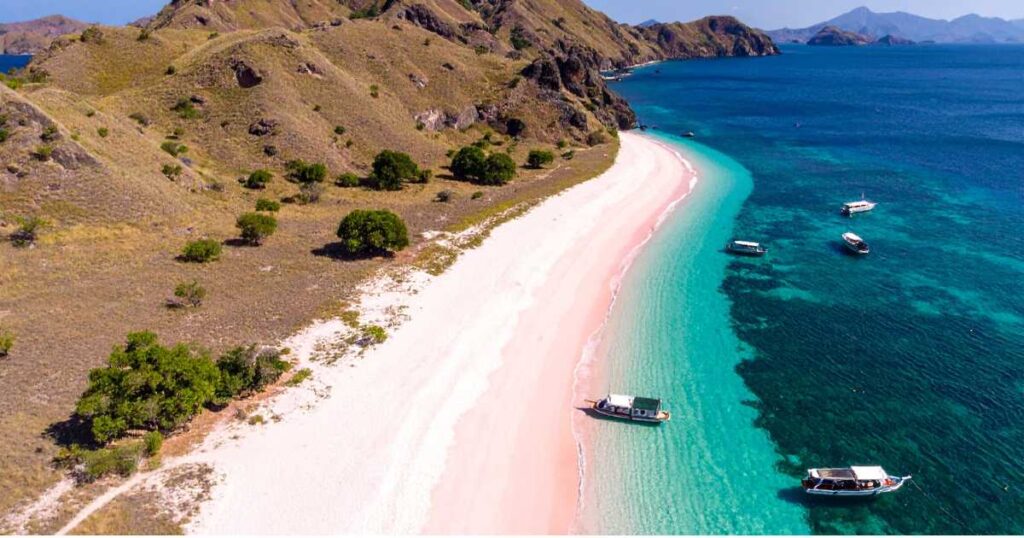
Looking for budget spas in Bali that are clean, safe, and truly relaxing? You’re in the right place. Bali is famous for gentle Balinese massages, fragrant oils, and friendly therapists — and you don’t need a luxury resort to enjoy them. From Ubud to Seminyak and Canggu, you can find spotless, well-reviewed spas with trained staff, fresh towels, and clear prices that won’t scare your wallet.
This guide focuses on value and quality. We’ll show you trusted places loved by travelers and locals, explain which treatments are worth your time, and share simple tips for booking, tipping, and spa etiquette. You’ll also get a realistic price guide in rupiah, so you can plan your pamper days without stress. Whether you want a one-hour Balinese full-body massage, a calming foot reflexology after sightseeing, or a flower bath for under $20, we’ll help you pick confidently.
By the end, you’ll know exactly where to go, what to try, and how much to pay — all while feeling safe and comfortable. Ready to relax without overspending?
Why Bali’s Spas Are World-Famous
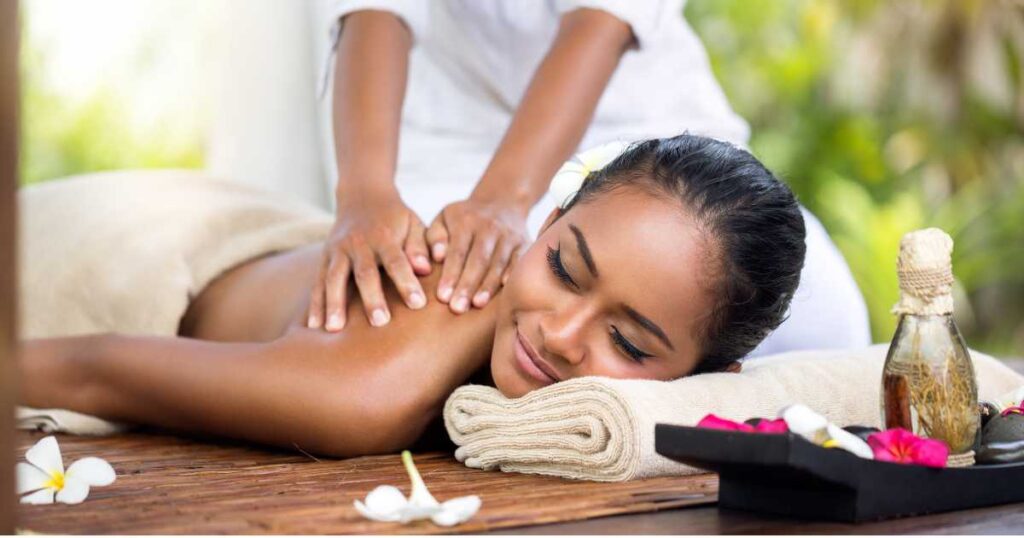
Bali’s spa culture is more than just a luxury—it’s a deep part of its identity. For centuries, the Balinese have combined nature, tradition, and healing into their wellness practices. From coconut oil and frangipani flowers to volcanic scrubs and herbal balms, every element used in a traditional Balinese massage comes from the island’s own soil. That natural connection is what gives every treatment a unique sense of peace and authenticity.
Modern travelers quickly fell in love with these ancient traditions. As tourism grew, spa standards rose too. Today, Bali offers everything from luxury wellness resorts to budget spas that maintain high cleanliness and professionalism. Even in affordable places, you’ll often find skilled therapists trained in techniques that have been passed down through generations. Their touch blends gentle pressure, aromatherapy, and rhythm — creating that signature Balinese relaxation many visitors call “spiritual therapy for the body.”
What makes Bali stand out globally is how accessible quality is. You don’t need to spend hundreds of dollars to enjoy a five-star treatment. Many small spas in Ubud, Canggu, and Seminyak offer 60-minute traditional massages for under USD 15, often including herbal tea, clean towels, and calm music. Hygiene standards are also well-regulated, and most reputable spas proudly display their local licenses and safety certificates.
Beyond the massage tables, it’s also about the atmosphere. Balinese spas are designed to engage your senses — the smell of incense, the sound of trickling water, and the soft breeze through bamboo walls. It’s a setting that helps you forget time, slow your breathing, and reconnect with yourself. Whether you’re seeking to recover after sightseeing or simply unwind, Bali’s spa culture promises exactly that: balance, calm, and genuine care.
Best Affordable Spas by Area
Bali’s spa scene stretches across the island, but the best budget spas in Bali are concentrated in three main areas — Ubud, Canggu, and Seminyak. Each offers something unique: Ubud brings peace and tradition, Canggu blends relaxation with a modern vibe, and Seminyak delivers affordable luxury. Here’s where to go in each area for clean, reputable, and wallet-friendly spa experiences.
Ubud: Nature and Tradition Combined
Ubud is Bali’s wellness capital — known for rice field views, natural ingredients, and a slower pace. You’ll find many spas here using coconut oils, flower petals, and local herbs, all in quiet jungle settings.
- Jaens Spa Ubud: Consistently ranked among Ubud’s top-rated budget spas, Jaens offers traditional Balinese massages, boreh scrubs, and foot treatments. Rooms are spotless, therapists are licensed, and their service includes herbal tea before and after your session. Prices start around IDR 180,000 ($12) for a 60-minute massage.
- Sang Spa 2: A traveler favorite for its hospitality and cleanliness. Their staff explains every treatment, and the spa smells of lemongrass and frangipani. Try their combination massage (Balinese + aromatherapy) for around IDR 200,000 ($13).
- Tjampuhan Spa: Set inside a historical hotel by the river, this one is slightly pricier but still affordable for the incredible view. Imagine soaking in natural stone pools surrounded by greenery — it’s a perfect blend of relaxation and tradition.
Canggu: Trendy, Relaxed, and Affordable
Canggu is where digital nomads and surfers go to unwind. The spas here are stylish yet surprisingly cheap, often offering reflexology or quick rejuvenating treatments ideal after a beach day.
- Goldust Beauty Lounge: Famous for its golden facial masks and bright, clean interiors. Prices are reasonable, starting at IDR 250,000 ($16) for massages. It’s one of the most photographed spas in Canggu for good reason.
- Chill Reflexology: Located near Echo Beach, this spa specializes in professional reflexology sessions with reclining chairs and cool AC — great for tired feet. Sessions cost about IDR 150,000 ($10) for 45 minutes.
- Spring Spa: Modern design meets Balinese touch. Their team focuses on using natural oils and calm, ocean-inspired scents. Expect to pay around IDR 220,000 ($14) for a one-hour massage.
Seminyak: Comfort Meets Value
Seminyak is known for upscale resorts, but it also hides many affordable spas that deliver luxury-level quality. Clean rooms, polished service, and great prices make it a favorite for first-timers.
- Jari Menari: Translated as “Dancing Fingers,” this all-male therapist spa focuses on precise techniques and muscle relief. A one-hour massage starts around IDR 250,000 ($16) — great value considering its reputation.
- Reva Spa: Part of the Horison Seminyak Hotel but open to the public. It’s bright, clean, and offers relaxing Balinese massages, scrubs, and facials. Expect to spend around IDR 180,000 ($12) for a standard session.
- The Shampoo Lounge: Perfect if you want to combine hair treatments with massages. It’s modern, friendly, and ideal for travelers who enjoy a spa-and-style day without high-end prices.
Each of these spas is well-reviewed, licensed, and maintains strong hygiene standards, making them excellent choices for budget travelers who still want a quality experience.
Treatments Worth Trying
Balinese wellness is built on centuries of tradition, and even at affordable prices, you can experience treatments that feel truly luxurious. The best budget spas in Bali use locally sourced ingredients — coconut oil, volcanic clay, rice powder, herbs, and tropical flowers — to create soothing therapies that heal both body and mind. Here are the most popular treatments worth trying during your trip.
1. Traditional Balinese Full-Body Massage
This is the treatment Bali is most famous for. It combines gentle stretches, long flowing strokes, and acupressure to improve blood circulation and release tension. Therapists usually use warm coconut or jasmine oil, and some include reflexology techniques on your feet and hands. It’s deeply relaxing yet revitalizing — perfect after a long flight or day of sightseeing.
Average price: IDR 120,000–200,000 (USD 8–13) per hour.
Where to try: Jaens Spa (Ubud), Reva Spa (Seminyak), Chill Reflexology (Canggu).
2. Aromatherapy Massage
If you want a more calming, sensory experience, go for an aromatherapy session. Essential oils like lavender, ylang-ylang, or lemongrass are used to balance your mood and reduce stress. The massage is light to medium pressure, ideal for relaxation rather than muscle work. Many spas will let you choose your preferred scent before the session.
Average price: IDR 150,000–250,000 (USD 10–17).
Tip: Lavender oil helps with sleep; lemongrass refreshes and relieves jet lag.
3. Boreh Body Scrub
A true Balinese heritage treatment, the boreh scrub was once used by farmers after long days in the fields. It’s made from ground spices like ginger, clove, and cinnamon mixed with rice powder to warm the body and improve circulation. After the scrub, you’ll usually rinse off and finish with a light oil massage. It leaves your skin soft and your body re-energized.
Average price: IDR 150,000 (USD 10).
Where to try: Sang Spa 2 in Ubud or Jari Menari in Seminyak.
4. Reflexology (Foot or Hand Massage)
This is one of the most affordable and satisfying treatments in Bali. Reflexology focuses on pressure points in your feet and hands believed to connect with internal organs. It’s great for travelers who walk a lot or spend long hours on their feet.
Average price: IDR 80,000–150,000 (USD 6–10) for 45 minutes.
Where to try: Chill Reflexology (Canggu), Reflexology Bali (Ubud), Cozy Spa (Kuta).
5. Flower Bath Ritual
For many travelers, this is the most photogenic spa experience in Bali. After a light massage or scrub, you’re guided to a stone tub filled with warm water, fresh petals, and essential oils. It’s both relaxing and symbolic — flowers represent renewal and cleansing in Balinese tradition.
Average price: IDR 150,000–200,000 (USD 10–13).
Where to try: Karsa Spa (Ubud) or any mid-range spa offering full treatment packages.
6. Herbal Hair Cream Bath
Popular among locals, the cream bath isn’t a bath at all — it’s a hair and scalp treatment using herbal creams made from avocado, aloe vera, or ginseng. Therapists massage your scalp for 20–30 minutes, followed by warm steam and a rinse. It’s deeply nourishing and costs far less than salon treatments back home.
Average price: IDR 120,000–160,000 (USD 8–11).
Where to try: The Shampoo Lounge (Seminyak) or Goldust Spa (Canggu).
Each of these treatments reflects Bali’s unique blend of culture and wellness. You can mix and match them depending on your time and budget — perhaps a body massage one day and a reflexology session the next. No matter what you choose, you’ll leave feeling restored and connected to the island’s calm energy.
What Makes a Spa “Safe & Reputable”
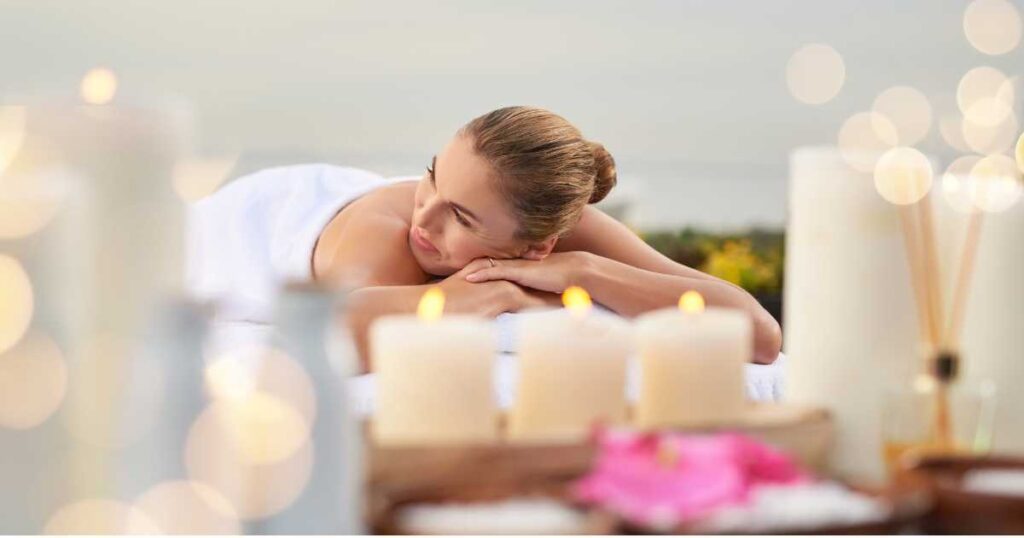
When choosing a budget spa in Bali, price shouldn’t be your only concern — safety, cleanliness, and professionalism matter even more. The good news is that many affordable spas across Bali maintain excellent hygiene standards and well-trained staff. Here’s how to identify a reputable spa and ensure your experience is relaxing, not risky.
1. Cleanliness & Hygiene Standards
A good spa should feel fresh the moment you walk in. Look for clean towels, organized rooms, and a pleasant natural scent rather than strong chemicals. Reputable spas change towels and linens for every guest, sanitize massage beds, and use fresh oils instead of reused ones. You can always ask staff to show you their treatment room before booking — most will gladly oblige.
Tip: Avoid spas that seem dimly lit, smell strongly of oil, or don’t display clear pricing outside. A professional spa is always transparent about its services and hygiene.
2. Licensed & Trained Therapists
Massage therapists in Bali often undergo formal training from local wellness academies or tourism-certified programs. Check for a visible certificate near the front desk — this ensures they understand anatomy, technique, and safety practices. Licensed therapists also know how to adjust pressure correctly and will ask about your comfort or health concerns before starting.
If you’re unsure, you can ask simple questions like, “Is your therapist certified in traditional Balinese massage?” Genuine spas will answer confidently and show credentials if needed.
3. Transparent Menu & Clear Prices
Every reputable spa lists its treatments and prices clearly at the entrance or reception area. The menu should include treatment durations, what’s included (e.g., foot wash, tea, flower bath), and any extra costs for add-ons. Beware of spas that change prices mid-session or push unnecessary upgrades — trusted businesses keep pricing consistent and honest.
Average price guide for reference:
- Balinese massage (60 min): IDR 120,000–200,000
- Aromatherapy (60 min): IDR 180,000–250,000
- Reflexology (45 min): IDR 80,000–150,000
4. Consistent Online Reviews
Before visiting, check Google Maps, TripAdvisor, or Booking.com reviews. Reputable spas usually have consistent 4.5+ star ratings and genuine customer feedback mentioning cleanliness, staff friendliness, and overall experience. Be cautious with newly opened spas that have few or overly generic reviews.
Example: Jaens Spa, Sang Spa 2, and Jari Menari have hundreds of positive reviews praising their professional staff and comfortable settings — proving that affordability doesn’t mean compromise.
5. Respectful & Professional Atmosphere
A real wellness spa focuses on healing, not entertainment. Staff should greet you politely, explain the treatment, and ensure privacy. They should also ask before adjusting pressure or entering the room. Bali takes its wellness industry seriously, and legitimate spas follow professional ethics similar to those in hotels or resorts.
By following these signs, you can confidently enjoy your spa day without worrying about safety or hidden fees. Remember: clean environment, licensed therapists, and clear communication always equal a better, more relaxing experience.
Average Price Guide Table
If you’re new to Bali’s spa scene, understanding prices can help you plan your relaxation days wisely. The great thing about budget spas in Bali is that you can enjoy professional treatments without spending much. Most reputable spas clearly list their prices and durations, and you’ll often find that even full packages with tea and flower baths cost less than a single massage session in many Western countries.
Here’s a realistic breakdown of average prices you can expect across Ubud, Canggu, Seminyak, and other popular areas in 2025:
| Treatment | Duration | Average Price (IDR) | Average Price (USD) | Notes / Experience Level |
|---|---|---|---|---|
| Balinese Full-Body Massage | 60 mins | 120,000 – 200,000 | 8 – 13 | Gentle pressure, traditional oils, includes short foot soak or tea. |
| Aromatherapy Massage | 60 mins | 150,000 – 250,000 | 10 – 17 | Essential oils (lavender, lemongrass, ylang-ylang), light pressure for relaxation. |
| Boreh Body Scrub | 60 mins | 150,000 | 10 | Traditional spice scrub to warm muscles and improve circulation. |
| Reflexology (Foot / Hand Massage) | 45 mins | 80,000 – 150,000 | 6 – 10 | Great after walking or traveling; reduces swelling and tension. |
| Flower Bath Ritual | 30–45 mins | 150,000 – 200,000 | 10 – 13 | Warm tub with flower petals and oils; often part of package deals. |
| Hair Cream Bath (Scalp Treatment) | 45 mins | 120,000 – 160,000 | 8 – 11 | Nourishing herbal hair and scalp massage using aloe vera or avocado cream. |
| Facial Massage (Basic Natural) | 45 mins | 120,000 – 180,000 | 8 – 12 | Uses local herbs or clay; gentle cleansing and moisturizing. |
| Package: Massage + Scrub + Flower Bath | 90–120 mins | 250,000 – 350,000 | 17 – 23 | Full spa experience under $25, including tea and rest time. |
Price Tips for Travelers
- Cash is still king: Most small spas prefer cash, though many now accept QRIS or card payments.
- Tipping: A 10–15% tip is appreciated if service is good, though it’s not mandatory.
- Ask for combos: Many spas offer “happy hour” discounts or combination deals if you book multiple treatments.
- Confirm before starting: Always check the total price and duration upfront to avoid confusion.
Even at these affordable prices, the standards of service and cleanliness in most Balinese spas are impressively high. That’s what makes Bali one of the best wellness destinations in the world — you can enjoy a top-tier experience without draining your travel budget.
Spa Etiquette & Tipping
Bali’s spa culture is welcoming and relaxed, but following local etiquette makes your experience smoother and more respectful for the staff. Even if you’re visiting budget spas in Bali, these small gestures and habits show appreciation and help you blend in with the local way of doing things.
1. Booking & Arrival
It’s always best to book your appointment in advance, especially in popular areas like Ubud or Seminyak where good spas fill up quickly. You can book directly through WhatsApp or by walking in a few hours before your session. Arrive about 10–15 minutes early to fill out any short forms and enjoy your welcome drink, usually herbal tea or infused water. Being early also helps you relax before the treatment begins.
If you’re staying nearby, many spas offer free or small-fee shuttle services for convenience — just ask when booking.
2. What to Wear
Most spas will provide everything you need — robes, sarongs, disposable underwear, and towels. You don’t need to bring anything fancy. For massages, therapists are trained to maintain your privacy by draping towels strategically, uncovering only the area they’re working on. For flower baths or scrubs, disposable undergarments are usually provided.
If you prefer to wear your swimsuit during a treatment, that’s perfectly fine. The key is comfort and respect for both yourself and the therapist.
3. Communication During the Massage
Balinese therapists are gentle and polite, and they always appreciate feedback. If the pressure feels too strong or too light, you can simply say:
- “Terlalu keras” (too hard)
- “Terlalu lembut” (too soft)
- “Pas” (just right)
They’ll gladly adjust to make sure you’re comfortable. Don’t hesitate to ask questions about the oils or steps in your treatment — most therapists enjoy sharing their knowledge of Balinese traditions.
4. Tipping & Gratitude
Tipping isn’t mandatory, but it’s highly appreciated, especially in smaller spas where therapists rely on tips to supplement their income. A 10–15% tip (about IDR 20,000–40,000 for a one-hour session) is generous for budget spas. You can give it directly to your therapist after the session or leave it in the provided tip box.
If you loved the experience, leaving a short Google review or TripAdvisor comment helps them attract more guests — it’s one of the kindest ways to give back.
5. After Your Treatment
Take a few minutes to rest and enjoy the herbal tea offered after your massage. Avoid rushing back into the heat or immediately jumping into cold water; give your body time to absorb the oils and relax. If you’re getting a scrub, wait at least two hours before showering to let the natural ingredients fully nourish your skin.
6. Respect the Space
Keep your phone silent, speak softly, and avoid bringing food or drinks into treatment rooms. Bali’s spas are designed for peace and healing, and maintaining a calm atmosphere makes it better for everyone.
Following these simple rules not only shows respect for local culture but also enhances your entire experience. A spa visit in Bali isn’t just about relaxation — it’s about connection, gratitude, and balance.
Local Wellness Add-Ons
Beyond massages and spa treatments, Bali offers many local wellness add-ons that can make your experience even more fulfilling. These activities combine relaxation, culture, and self-care — helping you connect more deeply with the island’s calm and spiritual energy. Even if you’re visiting budget spas in Bali, you can often include one or two of these experiences without spending much more.
1. Yoga Drop-In Classes
Yoga is a natural complement to any spa routine, and Bali — especially Ubud — is famous for its peaceful studios surrounded by nature. Many places offer drop-in classes starting from just IDR 120,000 ($8) per session, making it accessible even for short stays.
Popular studios include:
- The Yoga Barn (Ubud): The most iconic yoga center in Bali, offering classes for all levels in open-air studios overlooking rice fields.
- Radiantly Alive (Ubud): Known for its smaller class sizes and personalized instruction.
- Samadi Bali (Canggu): A friendly community hub combining yoga, organic food, and weekend markets.
Joining a morning yoga session before your spa appointment can help you stretch your body and clear your mind.
2. Flower Baths & Herbal Soaks
While some flower baths are part of spa packages, you can also book them separately. Many spas in Ubud and Canggu offer stand-alone flower baths or herbal soaks made with ginger, turmeric, and lemongrass. These baths are both soothing and symbolic in Balinese culture, representing purification and renewal. Prices range from IDR 100,000–200,000 ($7–13) depending on location.
3. Herbal Tea & Wellness Cafés
After your massage, stop by a herbal tea café — many are located right next to spas. These cafés serve blends made with pandan, ginger, rosella, and lemongrass, all known for their healing properties.
- In Ubud, try Warung Kopi Kawan or Herbal House Café for locally brewed teas.
- In Canggu, Give Café and Motion Café offer herbal tonics and smoothie bowls perfect for post-spa nourishment.
It’s a simple yet meaningful way to extend your relaxation beyond the massage table.
4. Sound Healing Sessions
If you want to experience Bali’s spiritual side, try a sound healing session — an immersive experience using gongs, singing bowls, and chanting to calm your mind. It’s gentle, deeply relaxing, and surprisingly affordable. Sessions usually cost around IDR 150,000–250,000 ($10–17).
The most famous places are:
- Pyramids of Chi (Ubud): Sound healing inside pyramid-shaped structures for powerful acoustics.
- The Yoga Barn: Offers regular community sound baths with local healers.
5. Community Wellness Markets
Every weekend, you’ll find wellness-themed markets across Bali where you can buy essential oils, handmade soaps, natural skincare, and traditional boreh spices. These markets support local artisans and give you a chance to take a piece of Bali’s wellness culture home. Popular spots include Samadi Market (Canggu) and Ubud Organic Market.
Adding one or two of these experiences turns a simple spa visit into a complete wellness journey — physical, mental, and spiritual. It’s the kind of calm that stays with you long after you leave the island.
FAQs About Budget Spas in Bali
1. Are budget spas in Bali clean and safe?
Yes, most budget spas in Bali maintain high hygiene standards. Towels are changed after every guest, oils are fresh, and therapists are trained in sanitation practices. Look for spas with visible cleanliness, positive online reviews, and clear price lists — those are signs of professionalism and safety.
2. How much does a traditional Balinese massage cost?
A standard 60-minute Balinese massage costs between IDR 120,000–200,000 ($8–13) in reputable budget spas. Some include extras like herbal tea or a short foot soak. You’ll pay slightly more in Seminyak or Canggu than in Ubud or Sanur, but overall, Bali remains one of the best-value wellness destinations in the world.
3. Do I need to book in advance?
It depends on the area. In busy locations like Ubud or Seminyak, booking ahead via WhatsApp or Instagram is a good idea, especially for evening slots. In smaller towns or local spas, you can usually walk in without a problem.
4. What’s the difference between Balinese massage and aromatherapy massage?
A Balinese massage combines firm pressure, stretching, and acupressure to relax muscles and improve circulation. An aromatherapy massage, on the other hand, uses essential oils and focuses on relaxation and mood balance. The latter tends to be gentler and ideal for stress relief.
5. Can men and women both visit these spas?
Yes. Almost all spas in Bali are open to both men and women. Treatments are done by trained therapists who respect privacy and follow professional standards. You can also request a male or female therapist if you prefer.
6. Are tips expected at budget spas?
Tipping isn’t mandatory, but it’s appreciated. Leaving IDR 20,000–40,000 ($1–3) after your session is a kind gesture that supports the therapists directly. In small local spas, tips mean a lot and are always received with a grateful smile.
7. Can I find vegan or organic spa options in Bali?
Absolutely. Many spas in Ubud and Canggu use organic oils, coconut-based creams, and natural scrubs. Ask for “organic” or “vegan-friendly” options when booking — popular choices include Karsa Spa, Jaens Spa, and Bodyworks Bali.
8. What time do most spas open and close?
Most spas operate between 10 AM and 9 PM, though some hotel-based spas stay open later. Morning sessions are usually quieter, while evenings are busiest. If you prefer privacy, schedule your massage around mid-afternoon.
9. Can I combine spa visits with other activities?
Yes! That’s one of the best parts of Bali’s wellness culture. Many travelers pair a morning yoga session with an afternoon massage, or visit a spa after sightseeing or surfing. It’s a great way to unwind after a busy day exploring temples or beaches.
10. How can I tell if a spa is reputable?
Check for cleanliness, displayed licenses or certifications, clear pricing, and positive online reviews. A good rule of thumb: if staff greet you warmly, explain treatments clearly, and the space smells clean and fresh, you’re in good hands.
Conclusion — Wrapping Up Your Bali Spa Experience
Visiting budget spas in Bali is more than just a way to relax — it’s a window into the island’s culture of healing, balance, and kindness. Whether you spend an hour getting a Balinese massage in Ubud or a full afternoon soaking in a flower bath by the rice fields, each experience connects you to something deeper — the local spirit of calm and care that Bali is known for.
The best part? You don’t need a luxury budget to feel pampered. For under $20, you can enjoy treatments that rival high-end resorts in quality but carry the warmth and authenticity that only local spas can offer. These small wellness centers are often family-run, combining generations of knowledge with genuine hospitality that makes every visitor feel special.
Before you leave the island, try at least one spa from each region — Ubud for its traditional healing, Seminyak for modern comfort, and Canggu for a touch of creativity. Pair it with a yoga class or herbal tea café visit, and you’ll understand why Bali remains one of the world’s most beloved wellness destinations.
Remember to be kind to your therapist, tip if you can, and always choose reputable, clean, and ethical spas. Small gestures of respect go a long way in supporting the local community and keeping this wellness tradition alive.
If you’re planning your next trip, check out our guides on Rainy-Day Bali Activities and Gentle Adventures for Non-Hikers — perfect companions to your spa retreat.
Bali isn’t just a destination; it’s a feeling — one that soothes your body, refreshes your mind, and stays with you long after you’ve gone home.