
Ever wished you could escape Bali’s crowds without leaving paradise? Java quietly holds the answer. Scattered along its southern coast are beach towns where time moves slower, waves crash softer, and prices make your wallet smile.
Here, mornings begin with fishermen hauling their nets as the sun paints the sea gold, and nights end with grilled seafood by the shore for less than the price of a coffee in Canggu. In Pangandaran, locals protect sea turtles while visitors surf gentle waves. In Pacitan, limestone cliffs hide untouched beaches. And in Banyuwangi, nature blends jungle, volcano, and sea into one unforgettable mix.
These aren’t resort towns — they’re real communities where life still revolves around the ocean. If you’re chasing authenticity, calm, and affordability, this is where you’ll find it. And the best part? You can explore all three in one slow, scenic trip across Java, discovering the island’s raw beauty without breaking the bank.
Why Java’s Beaches Are Underrated
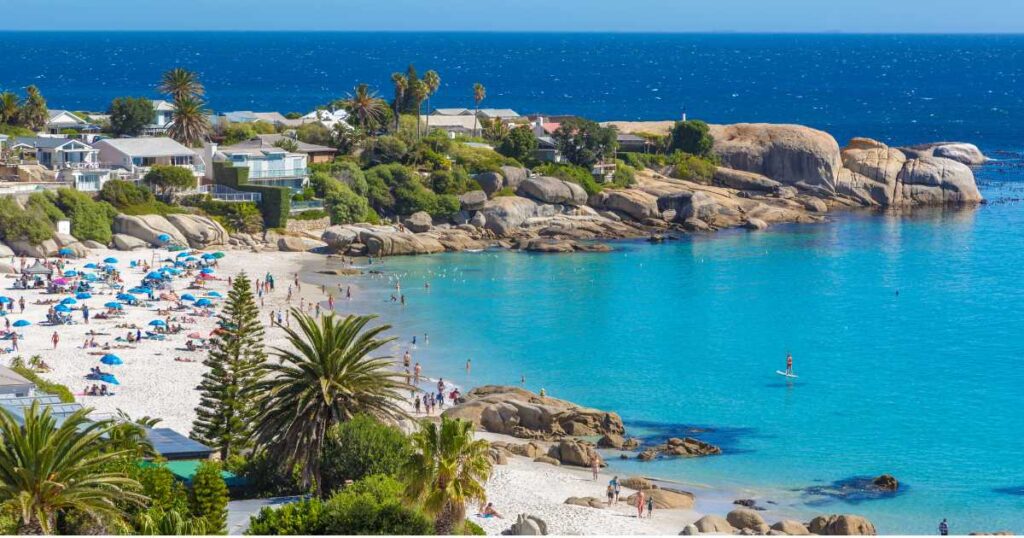
When travelers think of Indonesia’s beaches, Bali almost always steals the spotlight. But just across the water, Java quietly hides some of the country’s most stunning — and most affordable — coastal escapes. What makes these beaches special isn’t just their natural beauty; it’s how untouched and authentic they still are.
Unlike Bali, where resorts line almost every coastline, Java’s beach towns remain deeply local. The pace is slower, prices are friendlier, and tourism feels personal. Locals still sell grilled corn and iced tea by the shore, kids play football on the sand, and small cafés serve fresh seafood caught that very morning. Here, sunsets are free of crowds and selfie sticks — only the sound of waves and the laughter of families nearby.
Java’s beaches are also surprisingly diverse. On the south coast, waves from the Indian Ocean make Pacitan and Pangandaran great for surfing. To the east, Banyuwangi offers calm coves, mangrove forests, and crystal waters perfect for snorkeling. You can start your morning at a turtle sanctuary, spend the afternoon in a fisherman’s village, and end the day hiking through Baluran National Park — all within one region.
From a travel budget point of view, Java offers unbeatable value. Guesthouses start around 200,000 IDR ($12) a night, full meals cost under $3, and train tickets between towns are often cheaper than a cup of coffee at the airport. It’s an island that rewards patience and curiosity — not luxury spending.
Java’s beaches are underrated because they’re still real. They’re not designed for influencers or crowded tours; they’re made for travelers who appreciate simplicity, culture, and connection. If you want to experience Indonesia beyond postcards, this is where you start.
Pangandaran — Surf, Turtles, and a Touch of Old-School Charm
Tucked along Java’s southern coast, Pangandaran feels like a glimpse of Bali twenty years ago — small, friendly, and full of local warmth. It’s a place where fishermen share the same shoreline as surfers, and where conservation meets community in the most natural way.
This laid-back town has a little of everything: gentle surf breaks for beginners, a vibrant night market, and a national park sitting right beside the main beach. It’s one of the easiest and cheapest coastal towns to reach from Bandung or Yogyakarta, making it a favorite weekend escape for Indonesians.
Surfing and Swimming:
Pangandaran’s main beach is split into two — West Beach and East Beach. West Beach is perfect for surfing and swimming, with small, consistent waves that are beginner-friendly. Surfboards are available for rent along the sand, and one-hour lessons cost around 150,000 IDR ($9), far cheaper than Bali. The sunsets here are stunning, with orange skies reflecting off the calm sea as locals gather to play beach soccer or fly kites.
Turtle Conservation Center:
Just a short walk from the beach lies the Turtle Conservation and Education Center, where visitors can learn about Java’s endangered sea turtles. Depending on the season, you might even help release baby turtles into the ocean — a small act that connects travelers to local conservation efforts.
Pangandaran National Park:
Covering nearly 500 hectares of tropical forest, Pangandaran National Park sits at the edge of the town and offers hiking trails, caves, and hidden beaches. Entry costs only 20,000 IDR ($1.20). If you’re lucky, you might spot deer, hornbills, or black monkeys swinging between trees. The park also has a natural viewpoint overlooking the ocean — perfect for sunrise walks.
Evenings by the Beach:
When the sun sets, head to the Pangandaran Night Market near the East Beach. Locals serve grilled seafood, fried rice, satay, and es campur (a sweet, icy dessert) for a few dollars. The atmosphere is relaxed — families chatting, kids laughing, and the smell of charcoal filling the air.
Budget Tips:
- Stay at Sunrise Beach Hotel or Bamboo House Pangandaran — both offer clean rooms under 300,000 IDR ($18) per night.
- Rent a scooter (about 80,000 IDR/day) to explore nearby beaches like Batu Karas, a quieter surf village 45 minutes away.
- Bring cash, as most small vendors don’t take cards.
Pangandaran isn’t flashy or fast-paced. It’s simple, affordable, and full of heart — the kind of place where you end up staying longer than you planned, just to soak in the peace.
Pacitan — Caves, Cliffs, and Quiet Surf Spots
If Bali is the island of parties and beach clubs, then Pacitan is its calm, soulful twin. Located on Java’s southern coast in East Java province, this small town is known for dramatic limestone cliffs, hidden caves, and some of the best uncrowded surf breaks in Indonesia. It’s the kind of place where time feels slower, locals greet you with a smile, and every turn reveals another untouched piece of coastline.
Where Nature Still Feels Wild
Pacitan’s coastline stretches for miles, blending green hills, white sand, and turquoise waves. The town’s most famous beach, Klayar Beach, is unlike anywhere else — its limestone rock formations, sea flute (a natural blowhole), and strong waves create a dramatic, almost cinematic landscape. While swimming is not recommended here due to strong currents, the views are unbeatable, especially at sunset when the cliffs glow orange against the sea.
For a calmer experience, head to Srau Beach, about 30 minutes from town. The beach is divided into small coves, each with different wave strengths — perfect for both surfers and swimmers. There are small warungs selling fried bananas and iced tea, and often you’ll have the entire beach to yourself. Surfboard rentals and lessons are available for around 100,000–150,000 IDR ($6–9) per session.
Adventures Beneath the Surface — The Caves of Pacitan
Pacitan is also called the “City of 1001 Caves.” One of the most impressive is Gong Cave (Goa Gong), famous for its colorful stalactites and stalagmites illuminated by soft lighting. The formations are said to be among the most beautiful in Southeast Asia. Entrance fees are around 20,000 IDR ($1.20), and local guides are available to share the cave’s legends. Another popular option is Tabuhan Cave, where the walls produce echoing musical sounds when tapped — locals often perform short melodies inside.
Where to Stay and Eat
Accommodation in Pacitan is refreshingly affordable. Most travelers stay near Klayar Beach or in town, where you’ll find cozy guesthouses and homestays for under 250,000 IDR ($15) a night. Popular options include Harry’s Ocean House and Klayar Family Homestay, both known for their friendly hosts and sea views.
For food, try Warung Makan Bu Gandos for spicy fried fish and sambal, or Warung Pantai Srau for local seafood dishes right by the water. Don’t miss the local snack called tahu tek, a mix of tofu, vegetables, and peanut sauce — simple, cheap, and delicious.
Local Travel Tip
Pacitan is best explored by motorbike. Roads are winding but scenic, passing through rice paddies and small fishing villages. The lack of large crowds means you can still experience Java’s coast at its most natural and unspoiled.
Pacitan is for travelers who crave quiet adventures — caves echoing with history, beaches without noise, and the simple joy of watching waves roll endlessly under an open sky.
Banyuwangi — Gateway to Ijen, Green Bays, and Hidden Coves
At the far eastern tip of Java lies Banyuwangi, a region that feels like a bridge between islands and worlds. Known as the “Sunrise of Java,” it’s where jungle, volcano, and sea meet in perfect harmony. From the glowing blue flames of Mount Ijen to secret beaches tucked behind rainforests, Banyuwangi is both wild and welcoming — and surprisingly budget-friendly for how much it offers.
Where Mountains Meet the Sea
Banyuwangi’s landscape is diverse. In the morning, you can hike up Mount Ijen to see the famous blue fire — a natural phenomenon found in only a few places on Earth. The climb begins at midnight, with tours starting around 300,000 IDR ($18), including a local guide and safety gear. After watching the sunrise from the crater rim, most travelers head straight to the coast for a well-deserved rest.
Green Bay (Teluk Hijau) is one of Banyuwangi’s most beautiful and peaceful beaches. It’s located inside Meru Betiri National Park, about 90 minutes from the city center. The hike down to the beach takes around 20 minutes, passing through lush forest and streams. Once there, you’ll find a curved bay with emerald-green water and a small waterfall spilling into the sand — a scene that feels like a tropical dream.
If you prefer easy access, visit Pulau Merah (Red Island), a laid-back surf spot about an hour away. The waves here are gentle enough for beginners, and surfboard rentals cost around 100,000 IDR ($6). The beach gets its name from the reddish tint of its sand during sunset, making it one of the most photogenic spots in Java.
Wildlife and Eco-Adventures
Nature lovers shouldn’t miss Baluran National Park, often called “Little Africa of Java.” The park is home to wild deer, peacocks, and herds of banteng (wild cattle) that roam freely across open savannas. Entry costs 20,000 IDR ($1.20), and sunrise safaris offer stunning photo opportunities.
Banyuwangi is also leading Indonesia’s eco-tourism movement. Many local homestays and eco-lodges, like Ijen Miner Family Homestay and Bangsring Breeze, use solar energy, serve organic meals, and employ locals — helping travelers experience sustainability in action.
Local Food & Culture
After a day of exploring, recharge with sego tempong, a spicy rice dish served with vegetables, sambal, and crispy fried tempeh — a local favorite. Don’t miss rujak soto, an unusual but delicious mix of salad and soup, unique to Banyuwangi. The city also celebrates traditional art through events like the Gandrung Sewu Festival, where hundreds of dancers perform along the beach each year.
Budget Tips:
- Stay near Kampung Osing, a cultural village that offers homestays from 150,000 IDR ($9) a night.
- Rent a scooter to explore nearby beaches and parks; most rentals cost 80,000–100,000 IDR/day.
- Book train tickets early if you plan to continue to Bali — the Ketapang Ferry Port connects directly to Gilimanuk in just 45 minutes.
Banyuwangi is the perfect finale for your Java beach adventure — a place that balances raw beauty with real local life. It’s the kind of destination that reminds you why slow travel matters: you see more, spend less, and leave with deeper memories.
Best Transport Options — Getting Around Java’s Beach Towns
Traveling across Java might sound complicated at first, but once you understand the routes, it’s surprisingly easy — and very affordable. Trains, buses, and ride-share apps make it possible to explore the entire southern coastline on a budget while enjoying incredible scenery along the way.
By Train — The Scenic and Stress-Free Way
Java’s train network is one of the best in Southeast Asia, connecting major cities and beach towns through scenic routes. You can travel comfortably, safely, and cheaply while watching rice paddies, hills, and villages pass by.
- Jakarta → Pangandaran: Take a train to Banjar Station (around 6 hours), then a one-hour local bus or car to Pangandaran.
- Yogyakarta → Pacitan: There’s no direct train, but you can go from Yogyakarta to Solo (1 hour), then take a bus or shared van to Pacitan (4 hours).
- Yogyakarta → Banyuwangi: The Sritanjung Train is a great option — it’s an overnight ride (about 12 hours) with reclining seats and ocean views as you approach East Java.
Train tickets range between 100,000–300,000 IDR ($6–18) depending on class and distance. Book your tickets through KAI Access App or at any train station kiosk — it’s easy and foreigner-friendly.
By Bus — Cheap and Frequent
For short trips between towns, local and intercity buses are the most flexible choice. In smaller regions like Pacitan and Banyuwangi, mini-buses (called angkot or travel cars) run frequently, connecting beaches, towns, and bus terminals. They’re cheap (as low as 10,000–30,000 IDR) and a great way to meet locals.
Long-distance buses like Lorena, Pahala Kencana, or Rosalia Indah connect major cities such as Bandung, Yogyakarta, and Surabaya. Most have air conditioning, and some even include free snacks or Wi-Fi.
By Ride-Share Apps — Convenient for Short Distances
Apps like Grab and Gojek are available in most cities across Java and are ideal for short rides or day trips. You can hire a driver for a few hours to explore nearby attractions like Pangandaran National Park or Green Bay. Prices are transparent, and payments can be made in cash or via card.
By Scooter — Freedom for the Adventurous
If you’re confident on two wheels, renting a scooter gives you ultimate freedom. Coastal roads around Pacitan, Banyuwangi, and Pangandaran are well-paved, scenic, and relatively quiet. Daily rentals cost about 80,000–100,000 IDR ($5–6), and fuel is available almost everywhere. Always wear a helmet, carry an international driving permit, and ride carefully — especially on winding coastal stretches.
By Ferry — Crossing Islands Smoothly
When your trip continues east toward Bali, the Ketapang–Gilimanuk Ferry connects Java to Bali in just 45 minutes. Ferries operate 24 hours a day, leaving roughly every 30 minutes. Tickets cost around 10,000 IDR ($0.60) for foot passengers and 50,000 IDR ($3) for motorbikes.
Budget Travel Tip:
To save money and time, combine transport modes. For example, take the train from Yogyakarta to Banyuwangi, rent a scooter locally, and use Grab or buses for short hops between attractions. This mix keeps your trip flexible, scenic, and stress-free.
Getting around Java isn’t just a way to travel — it’s part of the experience. Whether you’re gazing out the train window at rice terraces or hopping between fishing villages on a scooter, every route offers a glimpse of everyday life in one of Indonesia’s most authentic regions.
Where to Stay on a Budget — Affordable Stays by the Sea

One of the best parts about traveling across Java’s coast is that you don’t need a luxury budget to sleep close to the beach. From eco-lodges tucked into palm groves to friendly family-run homestays, accommodation in Pangandaran, Pacitan, and Banyuwangi offers comfort, charm, and ocean views for the price of a meal in Bali. Here’s where to stay without spending more than you should.
Pangandaran — Simple Comfort by the Waves
Pangandaran has dozens of budget-friendly options near the main beach. You’ll find guesthouses with sea views, open-air lounges, and home-cooked breakfast included in the price.
- Bamboo House Pangandaran: Cozy wooden bungalows just five minutes from the beach, complete with hammocks and garden views. Around 250,000 IDR ($15) per night.
- Sunrise Beach Hotel: A great mid-range choice with a small pool, clean rooms, and free breakfast. Expect to pay around 350,000 IDR ($21).
- Mini Homestays near East Beach: Locally run family homes offering private rooms for as low as 150,000 IDR ($9) per night. Perfect for solo travelers or couples looking for an authentic stay.
Most places are walkable from the beach, night market, and turtle conservation area. Book directly with owners if possible — it’s often cheaper and helps local families more than third-party platforms.
Pacitan — Oceanfront Stays in Peaceful Villages
Pacitan’s charm lies in its simplicity. The accommodation scene is basic but beautiful, often located within earshot of the ocean and surrounded by nature.
- Harry’s Ocean House: A beachside guesthouse overlooking Srau Beach, ideal for surfers. Rooms from 300,000 IDR ($18) include breakfast and ocean breeze all night long.
- Klayar Family Homestay: Located steps from Klayar Beach, with large clean rooms and friendly hosts. Prices start at 200,000 IDR ($12) per night.
- Omah Londo Homestay: A rustic house run by a local couple offering cultural experiences, from cooking classes to cave tours. Around 250,000 IDR ($15).
Electricity and Wi-Fi can be spotty in more remote areas, but the peace and scenery make it worth it. Staying near Srau Beach or Klayar allows you to walk straight onto the sand each morning — a luxury few big resorts can match.
Banyuwangi — Eco-Lodges and Local Hospitality
Banyuwangi blends eco-tourism with affordability better than almost anywhere in Indonesia. Whether you prefer mountain views or seaside serenity, you’ll find something that fits your budget.
- Ijen Miner Family Homestay: A cozy, welcoming place near Mount Ijen run by local miners’ families. Rooms start from 180,000 IDR ($11) and include simple breakfast.
- Bangsring Breeze Resort: A slightly higher-end eco-lodge by the sea offering bungalows made from bamboo and recycled wood. Prices start at 450,000 IDR ($27) per night, perfect for couples.
- Kampung Osing Inn: Located in the Osing cultural village, this homestay combines traditional architecture with friendly hosts and delicious homemade food — only 150,000 IDR ($9) per night.
Most stays in Banyuwangi can help arrange local tours to Ijen, Green Bay, or Baluran National Park at local rates — cheaper and more personal than large tour agencies.
Budget Travel Tip:
Always carry small bills when paying for accommodation. Some smaller guesthouses don’t take cards, and cash helps you negotiate better deals, especially for longer stays. If you plan to visit during weekends or holidays, book at least a few days in advance — popular spots fill up quickly with local travelers.
Affordable, clean, and community-driven — that’s the essence of staying in Java’s beach towns. Whether it’s a hammock in Pangandaran, a sea-view hut in Pacitan, or an eco-lodge near Banyuwangi, you’ll discover that comfort doesn’t need a high price tag when nature does the decorating for you.
Food & Local Markets — What to Eat Across Java’s Coastline
Traveling through Java’s beach towns isn’t just about scenery — it’s also a culinary adventure. Every stop from Pangandaran to Banyuwangi offers a taste of Indonesia’s coastal life: smoky grilled seafood, spicy sambal, sweet tropical desserts, and fresh fruit that tastes like sunshine. Eating here isn’t fancy — it’s flavorful, cheap, and deeply local.
Pangandaran — Fresh Catches & Night Market Feasts
Pangandaran’s food scene comes alive as the sun sets. The East Beach Night Market is the heart of it all, lined with small food stalls serving everything from grilled fish to fried squid. Try ikan bakar (charcoal-grilled fish brushed with spicy-sweet sauce) and nasi goreng seafood cooked right in front of you. Don’t skip es campur, a colorful dessert made of shaved ice, jelly, fruits, and condensed milk — perfect for cooling down after a beach day.
For breakfast, stop at a small warung near the main road for lontong sayur (rice cakes with coconut curry) and strong local coffee. A full meal costs around 20,000–30,000 IDR ($1–2), and everything is cooked fresh daily.
Pacitan — Simple, Spicy & Satisfying
Pacitan’s food is rustic and hearty, perfect after a morning surf or cave exploration. Street vendors serve tahu tek, a mix of fried tofu, rice cake, bean sprouts, and peanut sauce — simple yet incredibly flavorful. Another must-try is pecel lele, crispy fried catfish served with sambal and rice, found at nearly every roadside stall.
Seafood lovers will enjoy the local ikan bakar sambal kecap (grilled fish with sweet soy chili sauce). It’s smoky, slightly sweet, and costs less than 40,000 IDR ($2.50). For dessert, grab a pack of jadah tempe, sticky rice with fried tempeh and sugar, often sold by smiling grandmas along the road.
Banyuwangi — Coastal Flavors & Unique Local Dishes
Banyuwangi’s cuisine blends coastal and Javanese influences, resulting in some unique flavors you won’t find elsewhere. The signature dish is sego tempong, rice served with vegetables, fried tempeh, and fiery chili sambal that “slaps” your tongue — locals say it’s impossible to eat without sweating.
For something unusual, try rujak soto, a mix between salad and beef soup topped with peanut dressing — it sounds strange but tastes incredible. Head to Pasar Blambangan in the city center for authentic versions, or visit the seaside food stalls near Pulau Merah for grilled fish fresh off the boat.
Budget-Friendly Food Tips
- Always eat where the locals eat — if a warung is crowded, the food will be good and cheap.
- Avoid packaged drinks; fresh coconut water costs less and tastes better.
- Carry small bills for street food vendors, as many don’t have change for large notes.
- Try regional coffee: Pangandaran’s dark roast and Banyuwangi’s Arabica beans are both strong and aromatic.
Eating across Java’s beaches isn’t about fancy dining — it’s about flavor, warmth, and connection. Every meal tells a story of the sea, and the people who’ve lived beside it for generations.
Sample 7-Day Slow-Travel Plan Across Java’s Beach Towns
If you have a week to explore Java’s southern coast, you can easily visit Pangandaran, Pacitan, and Banyuwangi without rushing. This itinerary follows a natural route west to east, mixing beaches, culture, and local life — perfect for travelers who prefer slow, meaningful travel over quick sightseeing.
Day 1 – Arrival in Pangandaran
Arrive from Bandung or Yogyakarta by train and bus, check into your guesthouse, and take a sunset walk along West Beach. Grab dinner at the night market — try grilled fish and a cold coconut while listening to the waves.
Day 2 – Explore Pangandaran
Spend your morning visiting the Turtle Conservation Center, then rent a surfboard for a lesson at West Beach. In the afternoon, hike through Pangandaran National Park to find hidden coves and friendly monkeys. End your day with a seafood dinner at Warung Tirta Sari.
Day 3 – Transfer to Pacitan
Catch an early bus or private car (around 5–6 hours). Enjoy the scenic route through rice fields and fishing villages. Arrive in Pacitan by late afternoon and relax on Srau Beach with a local snack like tahu tek. Stay overnight at Harry’s Ocean House or a seaside homestay.
Day 4 – Explore Pacitan’s Beaches and Caves
Visit Klayar Beach for its stunning cliffs and sea blowhole in the morning. After lunch, head inland to explore Gong Cave, where you’ll see colorful stalactite formations. In the evening, relax with a beachfront barbecue or join locals for music by the shore.
Day 5 – Travel to Banyuwangi
Take a long but scenic train or bus ride east (roughly 10 hours). It’s a perfect time to enjoy slow travel — read, nap, or watch the countryside roll by. Arrive in Banyuwangi by night and rest at Kampung Osing Inn or Ijen Miner Family Homestay.
Day 6 – Adventure in Banyuwangi
Before sunrise, join a hike up Mount Ijen to see the famous blue flames. Return by late morning for breakfast and rest. In the afternoon, visit Pulau Merah for surfing or just a peaceful swim. As evening falls, enjoy dinner at a seaside warung — try sego tempong or rujak soto for a true local meal.
Day 7 – Green Bay & Farewell
Take a short trip to Green Bay (Teluk Hijau) — hike down through the forest to reach one of Java’s most beautiful beaches. Swim, relax, and reflect on your week of travel before heading back to town. From Banyuwangi, you can easily continue your journey to Bali via the Ketapang–Gilimanuk Ferry, just 45 minutes away.
Optional Extension:
If you have more time, stay an extra night in Banyuwangi to explore Baluran National Park or join an eco-tour in the Bangsring Underwater Conservation Area.
This 7-day route gives you everything Java’s coast has to offer — surf, nature, food, and genuine cultural warmth — without rushing or overspending. It’s the kind of trip where you return home relaxed, inspired, and already planning to come back.
Responsible Travel Tips — How to Protect Nature and Support Locals
Slow travel isn’t just about taking your time — it’s about traveling with respect. Java’s beach towns depend on tourism, but they also rely heavily on fishing, farming, and traditional crafts. The best way to enjoy these destinations is to make sure your visit helps preserve their natural beauty and supports the communities that welcome you.
1. Respect the Ocean and the Environment
Java’s southern coastlines are fragile ecosystems. Coral reefs, turtle nesting areas, and mangroves all play vital roles in protecting marine life. Avoid stepping on coral, don’t collect shells or sand, and use reef-safe sunscreen to prevent chemical damage to marine ecosystems. If you go snorkeling or diving, never touch wildlife, and always take your trash with you — even if it’s small.
Reusable bottles, eco-bags, and bamboo straws are easy to carry and can save hundreds of plastic items from ending up in the sea. Many small beach cafés will even refill your bottle for free if you ask politely.
2. Support Local Communities
Whenever possible, choose family-run guesthouses, locally owned cafés, and small tour operators. Your money goes directly to the people who maintain these beautiful places. In Pangandaran, you can hire local surf instructors or guides from the turtle sanctuary. In Pacitan, stay with families offering homestays near the beaches. In Banyuwangi, support Osing community tours that share traditional crafts and dances.
Small gestures — like buying souvenirs directly from artisans or tipping your driver fairly — create real, positive impact.
3. Travel Light and Mindfully
Java’s public transport is simple but can get crowded, so pack only what you need. Lighter travel also means lower carbon emissions. Use trains whenever possible; they’re one of the most sustainable ways to travel long distances across Indonesia.
4. Dress and Behave Respectfully
Java is culturally rich and predominantly Muslim, especially in smaller towns. While beaches are casual, modest clothing is appreciated in villages and local eateries. Smile, learn a few local words like “terima kasih” (thank you) and “permisi” (excuse me), and always ask before taking photos of people.
5. Leave Each Place Better Than You Found It
Join beach clean-ups if you see one or simply pick up a few pieces of litter during your walks. It might feel small, but it sets an example for others and shows locals that travelers care.
6. Be Patient and Open-Minded
Not everything runs on schedule in Java — buses can be late, Wi-Fi may drop, and rain might delay your plans. But that’s part of the island’s rhythm. Locals often say, pelan-pelan saja — “just take it slow.” When you travel with that mindset, every delay becomes part of the adventure.
Traveling responsibly isn’t about following strict rules — it’s about awareness and kindness. When you treat the people and the land with respect, Java opens up to you in ways no guidebook can describe. You’ll leave not just with photos, but with genuine connections and memories that matter.
FAQs About Budget Beach Towns in Java
Before planning your trip across Java’s beautiful coastline, here are some of the most common questions travelers ask — answered simply to help you prepare confidently and travel smarter.
1. What is the best time to visit Java’s beach towns?
The best time to explore Java’s coast is during the dry season (April to October) when the skies are clear and the sea is calm. The rainy season (November to March) is still possible but expect occasional heavy showers, especially in the afternoons.
2. Are Java’s beaches safe for swimming?
Many beaches like Pangandaran’s West Beach and Banyuwangi’s Pulau Merah are safe for swimming, especially in calm conditions. However, some like Klayar Beach in Pacitan have strong currents — always ask locals before entering the water.
3. How much should I budget per day for these beach towns?
A budget traveler can comfortably spend around 400,000–600,000 IDR ($25–40) per day, including accommodation, food, and transportation. For a more relaxed trip with private rooms and guided tours, plan for 800,000–1,000,000 IDR ($50–65) daily.
4. Can I travel between these towns by train?
Yes, partially. You can take the train between major cities (like Yogyakarta and Banyuwangi) and then continue to coastal towns by bus, scooter, or ride-share. The train system in Java is reliable, scenic, and affordable.
5. Are there ATMs and money changers in these areas?
Yes, all three towns have ATMs and local banks, but smaller beach areas may not. Bring enough cash when heading to remote spots like Green Bay or Srau Beach.
6. Is Wi-Fi or mobile data available?
Wi-Fi is available in most guesthouses and cafés, but it can be slow in rural areas. Local SIM cards from Telkomsel or XL Axiata provide the best coverage and are cheap to buy anywhere in Java.
7. What are the must-try local dishes?
In Pangandaran, try ikan bakar (grilled fish). In Pacitan, taste tahu tek and pecel lele. In Banyuwangi, don’t miss sego tempong and rujak soto — these dishes are spicy, flavorful, and truly local.
8. Do I need to book accommodation in advance?
If you’re traveling during weekends or Indonesian holidays, yes. Otherwise, you can often find great last-minute deals on arrival. Many homestays prefer direct bookings to avoid online platform fees.
9. Is it easy to travel alone in Java?
Absolutely. Java is one of the friendliest islands in Indonesia. Locals are welcoming, and public transport is safe. Just keep your valuables secure and be respectful of local customs.
10. How do I get from Java to Bali after visiting Banyuwangi?
From Ketapang Port in Banyuwangi, take the ferry to Gilimanuk, Bali. It runs 24/7, costs around 10,000 IDR ($0.60), and takes just 45 minutes. From Gilimanuk, you can continue by bus or taxi to popular areas like Ubud or Canggu.
Traveling across Java’s beach towns doesn’t need to be complicated — it just needs curiosity and a relaxed pace. With good planning and local kindness, every day feels like a new discovery.
Also Read: Breathtaking Indonesia by Train: Scenic Routes, Seats & Travel Secrets (2025)
Conclusion
Java’s southern coastline is one of Indonesia’s best-kept secrets — a place where you can slow down, live simply, and still experience everything that makes this country magical. From Pangandaran’s turtle beaches to Pacitan’s rugged cliffs and Banyuwangi’s emerald bays, each town tells its own quiet story of sea, community, and resilience.
What makes these budget beach towns truly special isn’t luxury or convenience — it’s authenticity. You’ll wake up to the sound of roosters and waves instead of alarms, sip coffee brewed over charcoal fires, and be greeted with smiles that make you feel like family. Traveling slowly here teaches you to appreciate small things — the glow of a sunset, a shared meal, or a calm morning walk through a fishing village.
You don’t need a big budget to enjoy Java’s coast. You just need curiosity, time, and respect. Every rupiah you spend helps local communities, every journey by train reduces your footprint, and every kind gesture adds something meaningful to your trip.
So if you’re searching for an alternative to Bali — quieter, cheaper, and more authentic — head to Java. The beaches may be lesser-known, but that’s exactly what makes them unforgettable.