
With over 17,000 islands, traveling around Indonesia can sound overwhelming — like trying to connect scattered jewels across the sea. But here’s the good news: it’s actually much easier (and more fun) than most travelers think. Whether you’re hopping from Bali to Lombok, sailing from Java to Sumatra, or flying to Flores for diving adventures, Indonesia has a simple, well-connected system that makes island-hopping possible for everyone — from backpackers to families.
In this guide, you’ll learn the best and safest ways to travel between Indonesia’s islands in 2025, including budget ferries, fast boats, and local flights. You’ll discover which routes are worth taking, how to book your tickets, how long each trip takes, and the travel hacks locals use to make journeys smoother.
By the end of this article, you’ll be able to plan your own island-to-island adventure confidently — without wasting time or money.
Understanding Indonesia’s Island Connections

Indonesia is the world’s largest archipelago — more than 17,000 islands spread across the equator. Yet, travelers are often surprised by how connected the country really is. You can move easily between major islands thanks to a mix of ferries, fast boats, and short local flights that link the most popular destinations together.
The main travel corridors are well developed:
- Java ↔ Bali ↔ Lombok – the most common route for tourists, with daily ferries, boats, and flights.
- Bali ↔ Gili Islands ↔ Nusa Tenggara – smaller routes perfect for short sea trips and beach-hopping.
- Sumatra ↔ Java – linked by one of Indonesia’s busiest ferry routes.
Each mode of transport offers its own experience. Ferries are the slow but scenic choice, letting you soak up sea views. Fast boats are great for quick island hops and beach lovers, while local flights save time on long-distance routes like Bali to Flores or Jakarta to Lombok.
The key is knowing when each option makes sense — something we’ll break down step by step in this guide.
Ferries in Indonesia — The Budget & Scenic Option

If you love slow travel and ocean views, Indonesia’s ferries are a perfect fit. They’re the most affordable way to travel between islands, and while they take longer than flights or fast boats, they let you experience the journey itself — watching sunrise over calm waters, chatting with locals, and seeing fishermen at work.
How Public Ferries Work
Indonesia’s main ferry networks are run by ASDP (state-owned) and Pelni (national shipping line).
- ASDP ferries operate short, frequent routes — great for travelers with motorbikes or cars.
- Pelni ships run longer routes between major islands, like Java, Sulawesi, and Papua, often including simple cabins or overnight berths.
Popular Ferry Routes
Here are the most used and tourist-friendly routes:
- Bali ↔ Lombok (Padangbai–Lembar) – about 4–5 hours, tickets from Rp 65,000 ($4).
- Java ↔ Bali (Ketapang–Gilimanuk) – the busiest route, only 1 hour, departs every 30 minutes, 24 hours a day.
- Sumatra ↔ Java (Bakauheni–Merak) – around 2.5 hours, frequent daily departures.
Tickets can be bought directly at ports or online through platforms like Tiket.com, Traveloka, or the Pelni website for longer routes.
What to Expect
Ferries are basic but comfortable. Most have restrooms, snack stalls, and shaded seating. For night crossings, bring a jacket — the ocean breeze can get chilly. Delays are possible, especially during rough seas, but ferries are generally reliable and safe.
Pro tip: Sit on the upper deck during the day for stunning sea views, especially around the Bali Strait.
Fast Boats — The Popular Tourist Choice
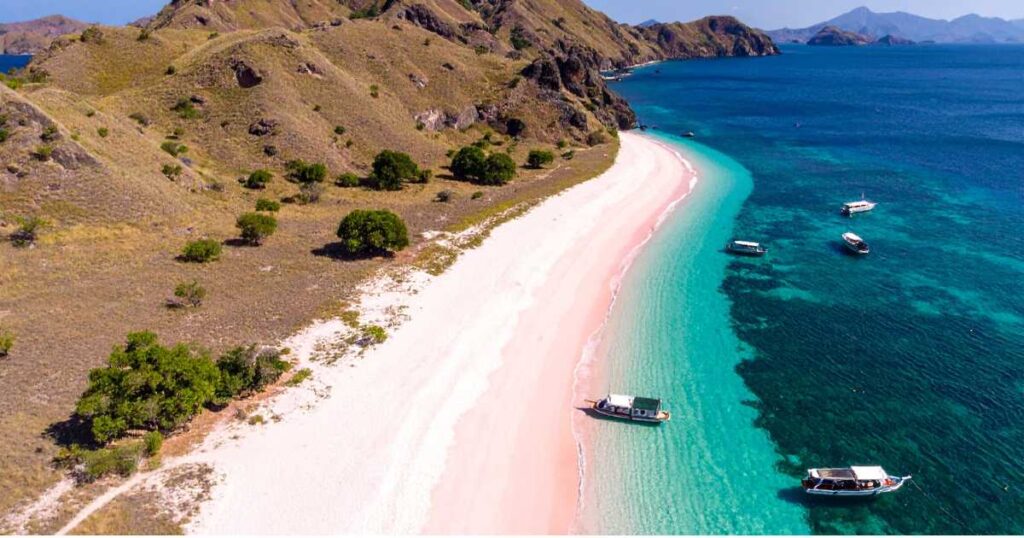
If you’d rather skip the long waits and get to your next island quickly, fast boats are your best friend. These sleek motorboats connect Bali, Lombok, and the Gili Islands in as little as one to two hours, making them the go-to option for travelers who want both comfort and convenience.
What Are Fast Boats?
Fast boats are smaller, high-speed vessels that carry around 30–100 passengers. They’re operated by private companies such as Eka Jaya, Gili Getaway, BlueWater Express, and Wahana Gili Ocean. Most depart from Padangbai, Sanur, or Serangan in Bali and head to popular spots like Gili Trawangan, Nusa Penida, or Lombok.
Major Routes & Duration
- Bali → Gili Trawangan / Gili Air / Lombok: 1.5–2 hours
- Bali → Nusa Penida: 30–45 minutes from Sanur
- Lombok → Gili Islands: 10–20 minutes (local fast boats available daily)
Safety & Sea Conditions
Modern fast boats are equipped with life jackets, emergency gear, and follow basic safety protocols. Still, sea conditions can vary — especially during the rainy season (Nov–Mar) when waves get rough. Morning departures (before 10 AM) are usually calmer and more reliable.
If you’re prone to motion sickness, choose a seat at the back of the boat and bring ginger candy or motion pills. Most boats provide water and small snacks on board, but it’s a good idea to carry your own.
Tips for Travelers
- Always check the weather forecast before booking.
- Book tickets directly from operators or through trusted sites like 12Go Asia or GiliBookings.com.
- Avoid oversized luggage — storage space is limited.
Pro tip: For the smoothest experience, travel in the dry season (April–October) when seas are calm and visibility is perfect for photos.
Local Flights — The Fastest Option
When distances stretch across Indonesia’s vast seas, nothing beats the convenience of a short local flight. With dozens of domestic airports spread across the country, hopping from one island to another is fast, affordable, and surprisingly scenic.
When to Choose a Flight
Flights make sense for routes that are too long or impractical by sea — such as Bali to Flores, Jakarta to Lombok, or Surabaya to Labuan Bajo. In these cases, air travel saves you hours (or even days) of travel time. Most domestic routes take between 45 minutes to 2 hours, and prices often start at just Rp 600,000–1,200,000 ($40–80) depending on the season.
Trusted Airlines in Indonesia
Several local airlines specialize in short regional routes:
- Citilink – budget-friendly and reliable for Bali, Lombok, and Surabaya routes.
- Wings Air – uses smaller planes ideal for remote islands.
- Batik Air – mid-range comfort with more legroom.
- Super Air Jet – newer airline offering cheap tickets for popular destinations.
Booking is easy through apps like Traveloka, Tiket.com, or the airlines’ official websites.
Scenic Flights Worth Taking
Some Indonesian routes are experiences in themselves. For example:
- Labuan Bajo approach (Flores) – offers jaw-dropping aerial views of Komodo National Park.
- Bali to Lombok – short, stunning flight with Mount Agung and Rinjani in sight.
- Sorong to Raja Ampat – ideal for adventure travelers chasing pristine island chains.
Traveler Tips
- Arrive early — local airports can get busy, and flights may close boarding 30 minutes before departure.
- Expect small delays — especially during the rainy season.
- Keep valuables in carry-on — some smaller planes have limited overhead space.
- Window seats are a must for the best photo opportunities!
Pro tip: Try combining a quick flight with a ferry return for the perfect mix of speed and scenery.
How to Choose the Best Option — Comparison Table
Choosing how to travel between Indonesia’s islands depends on your budget, schedule, and comfort level. Each option — ferry, fast boat, or flight — has its own charm and trade-offs. Here’s a quick breakdown to help you decide what fits your travel style best.
| Route Type | Best For | Average Duration | Average Cost | Where to Book | Notes |
|---|---|---|---|---|---|
| Ferry | Budget travelers, scenic routes | 3–6 hours | $5–$15 | At port / Tiket.com | Slower but authentic; ideal for road trips |
| Fast Boat | Beach hoppers, short routes | 1–2 hours | $25–$50 | 12Go Asia / GiliBookings | Weather-dependent; bring seasickness tablets |
| Flight | Long distances, time-savers | 45 mins–2 hours | $40–$100 | Airline websites / Traveloka | Quickest option; limited luggage space on small planes |
How to Decide
- Short routes (under 2 hours by sea) → Go with fast boats for convenience.
- Long routes or bad weather → Flights are safer and faster.
- Traveling with a car or motorbike → Ferries are the only option.
- If you want local experience → Take a Pelni ferry and enjoy chatting with fellow travelers and locals.
Pro tip: During holiday seasons (July–August & December), book at least a few days in advance — boats and flights fill up quickly.
Practical Tips for Smooth Transfers
Traveling between Indonesia’s islands can be simple if you know a few insider tricks. These tips will help you avoid common problems, save money, and enjoy the journey with less stress.
1. Book Early During Peak Season
Indonesia’s domestic travel peaks around July–August and December–January. During these months, ferries and fast boats sell out fast. Booking online through trusted sites like Traveloka, Tiket.com, or 12Go Asia ensures you get confirmed seats — especially if you’re connecting between islands on the same day.
2. Prepare for Motion Sickness
If you’re taking a boat or ferry, the waves can get rough at times, especially between November and March. Pack motion-sickness pills, ginger candies, or wristbands to stay comfortable. Sitting near the back of the boat usually offers the smoothest ride.
3. Always Carry Cash
Many small ports, food stalls, and local ticket counters don’t accept cards. Bring small bills (Rp 10,000–50,000) for snacks, entry fees, or quick transport options like ojek (motorbike taxis) after arrival.
4. Keep Important Items Dry
The sea spray can surprise you, especially when boarding small fast boats. Store your phone, passport, and money in a waterproof pouch or dry bag. A small towel also comes in handy.
5. Plan for Delays
Weather and tides can affect boat schedules, so avoid booking tight same-day connections (for example, a boat + flight combo with only one hour in between). Always keep a buffer of 3–4 hours when switching transport modes.
6. Avoid Scams at Ports
In busy areas like Padangbai or Gilimanuk, unofficial “agents” may offer fake tickets or overpriced transport. Always look for official counters or book through verified websites.
7. Stay Connected
Download offline maps before traveling. Apps like Google Maps Offline, Maps.me, and Grab/GoJek make it easy to navigate once you reach your destination.
Pro tip: For a smoother experience, travel early in the day — mornings offer calmer seas, fewer crowds, and better photo light.
Island-Hopping Itinerary Example
To help you put everything together, here’s a sample multi-island route that balances scenic travel, cultural stops, and smooth connections — perfect for first-timers exploring Indonesia beyond Bali.
Example Itinerary: Java → Bali → Lombok → Flores
Day 1–3: Yogyakarta (Java)
Start in Yogyakarta, Indonesia’s cultural heart. Visit Borobudur Temple, explore Malioboro Street, and try traditional food like gudeg. When ready to move on, take a short flight to Bali (1 hour) from Yogyakarta International Airport.
Day 4–7: Bali
Spend a few days enjoying Bali’s mix of beaches and culture. Base yourself in Ubud for temples and rice terraces or Canggu for cafés and sunsets.
Next, head to Padangbai Port and catch a fast boat to Lombok (around 2 hours).
Day 8–10: Lombok
Explore Senggigi Beach or take a local boat to the Gili Islands for snorkeling. You can also watch sunrise from Bukit Nipah or visit Tiu Kelep Waterfall. When ready to continue, fly from Lombok International Airport to Labuan Bajo, Flores (1 hour).
Day 11–13: Flores (Labuan Bajo)
This coastal town is the gateway to Komodo National Park. Join a day tour to see Padar Island, Pink Beach, and the famous Komodo dragons. Don’t forget a sunset dinner at a rooftop café overlooking the harbor.
Day 14: Return to Bali or Jakarta
Catch a flight back to Bali or onward to Jakarta for international connections.
This route offers a mix of boat rides, local flights, and cultural highlights, giving you the full island-hopping experience without exhaustion.
Pro tip: If you’re short on time, just do Bali → Lombok → Gili Islands — three islands, three totally different vibes.
FAQs — Traveling Between Indonesia’s Islands
1. What’s the safest way to travel between Indonesia’s islands?
All transport options are safe when booked through licensed operators. For shorter routes, fast boats are reliable in the dry season, while flights are safest for long distances or bad weather.
2. How long does the ferry from Bali to Lombok take?
The public ferry between Padangbai (Bali) and Lembar (Lombok) takes about 4–5 hours and operates 24 hours a day. Fast boats cover the same route in about 2 hours.
3. Are fast boats safe in Indonesia?
Yes, most major companies follow safety standards and provide life jackets. It’s best to travel in the morning, when the sea is calmest, and avoid crossing during storms or heavy rains.
4. What’s the cheapest way to travel between islands?
Public ferries are the cheapest — tickets cost as little as Rp 65,000 ($4) for routes like Bali–Lombok or Java–Bali.
5. Can I bring my scooter or car on the ferry?
Yes. Public ASDP ferries allow vehicles and motorbikes. You’ll pay a small extra fee depending on size and route.
6. Do I need to book ferries or fast boats in advance?
For local ferries, you can buy tickets at the port. For fast boats or holiday periods, book online 1–2 days ahead to secure your seat.
7. Do boats operate during rainy season (November–March)?
Most routes do, but schedules may change due to sea conditions. Check with operators or your hotel before traveling.
8. Which islands are easiest to combine in one trip?
Bali, Lombok, and the Gili Islands are the most connected — perfect for first-time visitors. Add Flores for adventure or Java for culture if you have more time.
Also Read: Emerging Travel Destinations Indonesia 2025 Guide: Where the Next Wave of Explorers Are Going
Conclusion
Traveling between Indonesia’s islands might sound complex at first, but once you understand the system, it becomes one of the most rewarding parts of your trip. Whether you choose to cruise slowly on a ferry, zip across turquoise waters on a fast boat, or fly over volcanoes and reefs, each journey adds something special to your adventure.
The secret is to plan around your travel style. If you love local vibes and scenic routes, go for public ferries. If time is short and comfort matters, take a fast boat or local flight. Either way, every crossing is a chance to see another side of Indonesia — its warm people, its breathtaking views, and its endless sense of discovery.
So don’t just stay on one island. Hop across a few, chase the sunrise, and enjoy the small moments in between — because in Indonesia, getting there is part of the magic.