Renting Car Bali Rules is something every traveler should understand before hitting the road in Indonesia. Picture this—you’re driving along Bali’s coastline, windows down, the smell of salt in the air, and rice fields glowing gold in the late afternoon sun. Or maybe you’re winding through East Java’s misty hills with volcanoes in the distance. Having your own car in Indonesia can turn a simple vacation into real freedom. You can stop wherever you like, take that unexpected detour to a hidden waterfall, and explore beyond the tourist crowds.
But before you grab the keys, there’s a side of driving in Indonesia that most travelers don’t talk about. The rules can be confusing, police checkpoints are common, and one small mistake—like not carrying the right international permit—can ruin your insurance coverage or lead to fines. Even experienced drivers can feel overwhelmed by Bali’s scooters, narrow village roads, and temple processions that appear out of nowhere.
The good news? Once you understand the basics, renting and driving in Bali or Java is completely doable—and even enjoyable. This guide will walk you through everything you need to know about renting a car in Bali and Java in 2025, including legal driving rules, must-have insurance, how to handle police stops politely, and what local road etiquette really looks like. By the end, you’ll know how to drive like a local—confident, calm, and respectful of Indonesia’s rhythm.

Can Foreigners Drive Legally in Indonesia?
Yes, foreigners can drive legally in Indonesia—but only if you have the right documents. This is where many visitors make their first mistake. While some rental companies might hand you the keys without asking for extra paperwork, the Indonesian police and insurance companies absolutely will. Without the correct license, any accident claim or police interaction can turn into a costly headache.
What You Legally Need to Drive a Car in Indonesia
To rent and drive a car legally in Bali or Java, you must carry:
- Your valid home country driver’s license (covering cars, not just motorcycles).
- An International Driving Permit (IDP) issued in your home country before your trip.
- Your passport (or a clear copy) for identification.
The IDP is mandatory under Indonesian law for all foreign drivers. It acts as an official translation of your license and proves you’re qualified to drive internationally. Without it, local police can fine you—and worse, your rental insurance becomes invalid if you’re involved in an accident.
What Happens if You Don’t Have an IDP
Many tourists skip the IDP because rental shops rarely ask for it. But if you get stopped at a police checkpoint (especially common in Bali around Denpasar, Canggu, and Ubud), you could face an on-the-spot fine of around IDR 250,000–500,000 (USD 15–30). Officers may also keep your license temporarily or insist you go to the local station to pay officially.
Even more serious: if you have a car accident and can’t show your IDP, your insurance coverage is void, meaning you could be responsible for all repair costs—both your car and any other vehicle involved.
Quick Tips for Staying Legal
- Always carry your home license, IDP, and a copy of your passport when driving.
- Take a photo of your documents and keep digital copies in case you misplace them.
- Don’t rely on your rental agent’s word—ask them directly: “Will this insurance still cover me if I get stopped by police?” and get their confirmation via WhatsApp or email.
Driving legally isn’t about avoiding fines—it’s about protecting yourself and your wallet. Once your paperwork is right, you can enjoy the drive without worrying about roadside surprises.
Choosing the Right Vehicle for Bali & Java Roads
Not all cars are created equal when it comes to Indonesia’s roads. Bali’s narrow lanes, uneven village paths, and steep hills demand a very different type of vehicle than Java’s smooth highways and toll routes. The good news? You don’t need an expensive SUV to get around safely — you just need to pick a car that fits your travel style, route, and comfort needs.
1. Compact Cars (Hatchbacks) — Perfect for Bali’s Tight Roads
If you’ll mostly be driving around Seminyak, Ubud, or Canggu, small cars like the Toyota Agya or Daihatsu Ayla are your best friends. They’re fuel-efficient, easy to park, and can squeeze through Bali’s notoriously tight alleys. These cars are ideal for solo travelers or couples without bulky luggage.
- Pros: Easy to maneuver, great mileage, cheaper daily rates.
- Cons: Small boot space and limited power for long mountain drives.
2. MPVs (Multi-Purpose Vehicles) — Best for Families or Groups
For groups or families, MPVs like the Toyota Avanza, Suzuki Ertiga, or Honda Mobilio are extremely popular. They seat up to seven people, have generous luggage space, and perform well even on winding roads. These cars are perfect for family road trips or those planning to drive from Bali to East Java through the ferry crossing.
- Pros: Spacious, reliable, comfortable for long drives.
- Cons: Slightly larger size can be tricky in small village roads or tight parking spots.
3. SUVs — Ideal for Mountain Roads and Hidden Spots
If your plan includes venturing into North Bali waterfalls or Bromo’s highlands in Java, go for a compact SUV such as the Toyota Rush, Honda BR-V, or Mitsubishi Xpander Cross. They handle potholes, hills, and rough roads better than smaller cars, while still being compact enough for island roads.
- Pros: Higher ground clearance, stronger suspension, good visibility.
- Cons: Slightly higher fuel use and daily rental cost.
4. Automatic vs Manual — Don’t Underestimate Traffic
Most rentals in Indonesia offer manual transmission, but if you’re not comfortable with stick shifts, insist on automatic. Bali traffic can be intense—especially during holidays or when navigating busy intersections full of scooters. Automatic cars are easier, especially for foreign drivers unfamiliar with left-side driving.
5. Other Must-Know Factors
- Air conditioning: Absolutely essential, especially for mid-day travel.
- Boot size: Check if it fits your luggage before you drive off.
- Spare tire and tools: Always confirm they’re included.
- Child seat: Request one in advance if you’re traveling with kids.
The key is balance — choose something small enough for Bali’s backroads, but sturdy enough for Java’s long highway stretches. Once you find the right fit, you’ll enjoy every curve, view, and quiet moment the islands offer.
Insurance 101 — What You Must Know Before You Drive

If there’s one topic every traveler should take seriously when renting a car in Bali or Java, it’s insurance. Many visitors focus on getting the best daily rate, but overlook what happens after something goes wrong. Whether it’s a small scratch in a parking lot or a motorbike bumping your door in traffic, having proper insurance is what keeps a simple mistake from turning into a nightmare.
Why Car Insurance Matters So Much in Indonesia
Driving in Indonesia is safe overall, but it’s also unpredictable. Roads can be narrow, locals drive close, and rainstorms can appear without warning. Even if you’re a careful driver, others might not be. And if you’re found responsible for damages—especially without proper coverage—you could face repair bills, police reports, or even be asked to pay cash on the spot.
That’s why it’s crucial to understand what kind of insurance you’re getting with your rental, and what it actually covers.
The Common Types of Rental Car Insurance
Here’s what you’ll often see when renting in Indonesia:
- CDW (Collision Damage Waiver)
This is the most basic and most common coverage. It reduces your liability if the car is damaged in an accident. However, CDW usually includes an “excess” or deductible — meaning you still pay the first few million rupiah of any repair.- Example: Your CDW might cover damages above IDR 2 million (around USD 125). Anything below that is your responsibility.
- Tip: Ask your rental agent for the exact excess amount in writing or WhatsApp.
- SLI (Supplemental Liability Insurance)
This covers damages or injuries to other people or other vehicles if you’re at fault. It’s often included by reputable rental companies, but not always. Without it, you’re personally responsible for third-party costs — which can be high if another vehicle or person is involved. - Third-Party Liability
In many small local rental agencies, this term replaces SLI. Always confirm what the coverage limit is. It’s better to have a smaller limit than none at all. - Personal Accident Insurance (PAI)
Some rental packages add optional accident coverage for the driver and passengers. It’s inexpensive and worth taking, especially if you plan long-distance drives.
What’s Not Usually Covered
Even the best insurance won’t cover everything. Most contracts exclude:
- Tire, glass, and underbody damage (very common on village roads).
- Water or flood damage — which can happen quickly in rainy season.
- Interior stains or burns from food or cigarettes.
- Lost keys or towing charges outside the rental area.
To protect yourself, take a full video walkaround of the car before leaving. Record every dent and scratch, and make sure the fuel level and mileage are documented on the rental form. Also, keep photos of your rental agreement and payment receipt in case of disputes later.
WhatsApp Confirmation — Your Best Friend
Many local rentals communicate via WhatsApp, so it’s smart to confirm your coverage there in writing. Send a message like:
“Just to confirm, my insurance includes CDW and SLI, right? And I only pay up to IDR 2 million if there’s any damage?”
If they reply “yes,” you have proof. That one message can save you a lot of trouble if anything happens.
What to Do If an Accident Happens
- Stay calm and don’t move the car if it’s unsafe.
- Contact your rental company first; they often send a local agent to handle it.
- Take photos of both vehicles and the area.
- Ask for the other driver’s ID and vehicle registration (STNK).
- Avoid arguing with locals — remain polite and wait for your rental contact.
A good rule of thumb: always over-communicate and keep things documented. Most minor accidents in Indonesia are settled peacefully when handled respectfully and with proper proof.
With the right coverage, you can focus on enjoying your road trip — not worrying about “what ifs.”
Pickup & Paperwork Checklist — What to Check Before Driving Off
Before you turn the key and hit the road, take a few careful minutes to inspect your rental car and verify every document. This small step can save you from huge headaches later — especially if damage or missing papers are discovered after you return the car. Many travelers rush through pickup, only to be blamed for scratches they didn’t cause or find themselves stuck at a police checkpoint with missing documents.
Here’s a complete checklist to follow every time you pick up a rental car in Bali or Java:
1. Check the Essential Documents
Ask the rental company to hand you these before you pay or sign anything:
- STNK (Vehicle Registration Card): This proves the car is legally registered. It’s a small laminated paper, often in Indonesian, that lists the license plate, owner, and tax validity date. Police sometimes ask for it at checkpoints.
- Company Insurance Letter: Confirms the car is insured. Keep it in the glovebox or take a photo.
- Rental Agreement / Contract: Make sure it includes your full name, car model, plate number, pickup date, and return date.
- Emergency Contact Numbers: Ask for 24/7 support in case of breakdowns, accidents, or if you get lost.
- WhatsApp Number of Your Rental Agent: This is the main way locals communicate. Save it under a name like “Car Rental – Bali.”
2. Inspect the Car Thoroughly (and Film It)
Take videos and photos of the car from every angle, including the interior and wheels. This is your proof in case they claim damage later.
Pay close attention to:
- Front and rear bumpers — these get scratched easily.
- Under the doors and wheel arches — for hidden dents.
- Windshield and mirrors — look for small cracks or chips.
- Interior: Seats, dashboard, and trunk.
Also, check and record:
- Fuel level and odometer reading before leaving.
- Tire pressure and spare tire condition.
- Lights, indicators, and wipers.
- AC and radio functionality.
If you see any issue, point it out immediately and make the agent note it on the rental form or send you a WhatsApp confirmation photo.
3. Verify What’s in the Car
Before you drive off, make sure these items are inside:
- Spare tire and jack
- Tool kit
- Emergency triangle or reflector
- Car manual (optional but useful)
- E-toll card (some cars already have one for toll payments)
4. Confirm Pickup & Return Rules
Ask these three key questions before leaving:
- “Where should I return the car — same place or airport?”
- “What time is the grace period before extra charges apply?”
- “Do I refill the tank to the same level or full?”
Confirm all answers via text or WhatsApp for clarity. Some rentals charge extra if you’re late even by 30 minutes, so it’s better to be clear from the start.
5. Payment & Deposit Notes
Most local rentals in Bali and Java don’t take credit cards. You’ll often pay cash or via transfer (GoPay or bank app). Always:
- Get a receipt for your payment and deposit.
- Ask when and how the deposit will be refunded.
- Never leave your passport as a deposit — give a copy only.
6. Do a Short Test Drive
Drive 100–200 meters before fully leaving. Listen for strange sounds, check the brakes, and ensure there’s no warning light on the dashboard. If something feels off, return immediately and request another car.
Taking 10 minutes to follow this checklist protects you and builds trust with your rental provider. Most agents appreciate careful renters — they see it as a sign of responsibility.
Road Rules & Etiquette — How to Drive Safely Like a Local
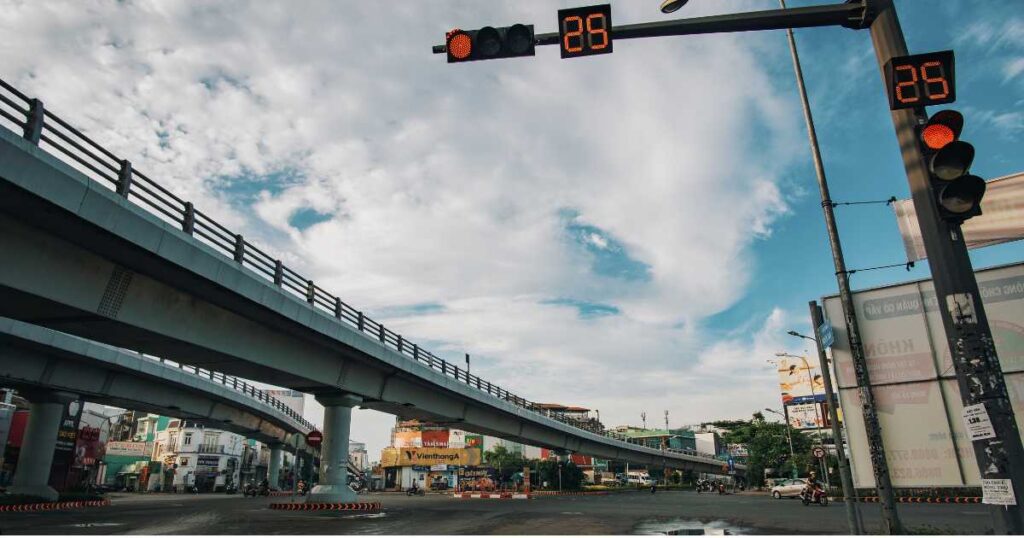
Driving in Indonesia feels different from North America or Europe, but it’s not wild. It’s a gentle, social flow where everyone shares space. If you follow a few simple habits, you’ll blend in quickly and feel calm behind the wheel.
Drive on the left
Indonesia uses left-side driving. Keep left except to overtake. Roundabouts move clockwise; give way to traffic already in the circle.
Speed norms and spacing
Urban streets often flow at 30–50 km/h. Main roads sit around 60–70 km/h unless signed. Highways in Java have posted limits (generally 80–100 km/h). Leave bigger gaps than you think; scooters may weave into any open space.
Scooter awareness
Scooters are everywhere. Expect them on both sides of your car, especially near intersections and in slow traffic. Check mirrors constantly, signal early, and re-check blind spots before turning or changing lanes. At low speeds, let scooters pass—forcing space only creates stress.
Horn language
A gentle tap is a “hello, I’m here,” not aggression. Locals use one short beep when passing in narrow lanes or approaching a blind corner. Avoid long honks—they feel rude.
Indicators and eye contact
Use your turn signal earlier than usual. In villages, a quick hand wave or eye contact through the window helps others understand your next move. If someone flashes lights once, they’re usually saying “I’m coming through.” Two quick hazard flashes can mean “thank you.”
Narrow village lanes
When the street narrows, the larger vehicle or the one closer to a pull-out usually yields. If you see a wider spot ahead, pause there and let oncoming traffic pass. Drive slowly near schools, markets, and temples; people and dogs can step out suddenly.
Pedestrians, ceremonies, and processions
You will meet processions for temple days in Bali or local events in Java. Slow down, switch off loud music, and wait patiently. This is normal and part of local life. A small smile goes a long way.
U-turns and sudden stops
Many main roads have legal U-turn slots. Signal early, check mirrors twice, and turn slowly. Expect cars in front to brake suddenly for a parking space or a shop; keep a safe following distance.
Headlights and rain
Turn on headlights in rain, dusk, and tunnels. Wipers on early—tropical rain can go from light to intense quickly. If visibility drops, slow down, hazard lights off while moving, and pull over only when you can fully exit the lane.
Parking etiquette
Park nose-in where possible. Never block a driveway or shop entrance. In tourist areas, unofficial parking attendants may guide you into a spot; a small coin tip is appreciated. Always lock the car and keep bags out of sight.
Fuel and stations
Gas stations are called SPBU. Tell the attendant the amount or say “Full, please.” Check the pump is reset to zero. Cash is easiest; some stations accept cards.
Seatbelts and child seats
Seatbelts are required for front seats and strongly recommended for all. If you’re traveling with kids, pre-book a child seat with the rental and insist it’s installed correctly before leaving.
Drinking and driving
Don’t. Enforcement can be strict, and it’s simply unsafe. If you plan to drink, hire a driver for the evening.
Night driving
At night, go slower. Headlights from oncoming traffic can be bright, and animals may wander onto rural roads. If a truck ahead uses hazards and slows, it may be signaling a stop or a hazard—hang back.
Simple right-of-way rule
If you’re unsure who goes first, let the other person go. You’ll notice the flow becomes easier and more relaxed when everyone yields a little.
With these habits, you’ll feel the rhythm of Indonesian roads within a day or two. The goal isn’t to be fast—it’s to be smooth, predictable, and respectful.
Police Stops & Fines — Documents, Scripts, and What to Do
Police checkpoints in Bali and Java are routine, especially near city entries, tourist zones, and around holidays. If your documents are in order, these stops are usually quick and polite. The key is to be calm, respectful, and organized.
What officers typically ask to see
- Driver’s license from your home country
- International Driving Permit (IDP) covering cars
- Passport or a clear photocopy
- STNK (vehicle registration card) for the car
- Rental agreement or company card/WhatsApp contact
How a normal stop goes
- Pull over safely, switch on your hazard lights, and lower your window.
- Greet first and be friendly. A smile helps.
- Present your documents together in one wallet or clear folder.
- Answer simple questions about where you’re going and for how long.
- Wait while the officer checks your papers. They’ll wave you on when done.
Polite Indonesian scripts you can copy
- Hello / good day: “Selamat siang, Pak.”
- Here are my documents: “Ini dokumen saya: SIM Internasional, SIM negara asal, paspor, dan STNK.”
- I rented this car: “Mobil ini sewaan, Pak.”
- May I contact the rental company?: “Boleh saya hubungi penyewa mobilnya, Pak?”
- Thank you: “Terima kasih, Pak.”
If something is missing (common scenarios)
- Missing IDP but you have your home license: stay calm, explain, and contact your rental company on speaker. Ask if there is any official process you can follow. Expect a citation. Keep the interaction polite and brief.
- Forgot the STNK in the hotel: call your rental immediately. Many companies can send a photo or bring the card to the checkpoint.
- Name mismatch on the contract: show the rental agreement and the company’s WhatsApp contact so police see it’s a legitimate rental.
About fines and official receipts
- If an officer says there’s a violation, ask for the official process and receipt. You can say: “Kalau ada pelanggaran, saya minta proses resmi dan bukti pembayaran, Pak.”
- You may be given a citation and instructions to pay via official channels. Keep the receipt or proof of payment with your documents.
What not to do
- Don’t raise your voice, argue, or record aggressively. Stay courteous.
- Don’t hand over your passport as a “deposit.” Offer a photocopy if needed.
- Don’t pay cash without an official receipt. If in doubt, contact your rental company on speaker so everyone stays aligned.
If you receive a ticket
- Accept it politely. Ask where and how to pay officially and by when.
- Take a photo of the ticket and send it to your rental company with a brief note.
- Keep proof of payment with your car documents for the rest of your trip.
Minor accident or fender-bender at a stop
- Move only if it’s safe and you’re told to do so. Turn on hazards.
- Photograph both vehicles, plates, the road, and any marks.
- Exchange details calmly: name, phone/WhatsApp, and STNK photo.
- Call your rental company first; they’ll guide the steps and may send an agent.
- If police are involved, follow instructions, show documents, and keep communication simple and respectful.
Extra tips that keep checkpoints smooth
- Keep all documents together in a slim folder in the glovebox.
- Set your phone to show the rental agent’s chat at the top of WhatsApp.
- Wear your seatbelt, keep within speed limits, and avoid phone use while driving.
- Use clear window tints; very dark tints can invite extra checks.
- Weekend mornings and late afternoons near popular beaches and temples are common checkpoint times. Plan a few extra minutes.
When you’re organized and polite, most stops last under five minutes. The officer’s main goal is to confirm legality and safety. Your goal is to make that easy.
Tolls & Navigation — e-Toll Cards, Best Apps, and Offline Map Tricks
Driving across Bali and Java feels like freedom, until you meet your first toll gate or dead-zone without signal. A little preparation makes both easy.
Understanding toll roads
In Java, expressways called “jalan tol” link most big cities. You’ll use them between Jakarta–Bandung, Surabaya–Malang, or Probolinggo–Banyuwangi. Bali has just one short toll bridge—the Mandara Toll Road connecting Nusa Dua, the airport, and Sanur. These roads are fast, smooth, and safe, but you can’t pay cash—you need a contactless e-toll card.
Getting an e-Toll card
You can buy a card at:
- Major Indomaret or Alfamart convenience stores.
- Toll booths marked “Top-Up e-Toll”.
- Some rental companies already provide one in the car; ask before you leave.
The two main types are e-Toll (Mandiri Bank) and BRIZZI (BRI Bank)—both work everywhere. Load about IDR 100,000–200,000 to start. Just tap the card on the toll reader when entering and exiting; the gate displays your balance and automatically deducts the fee. Keep the card handy near the dashboard rather than in your wallet—it saves time at each gate.
Typical toll costs
- Bali Mandara Bridge: about IDR 13,000–14,000 for cars (under USD 1).
- Java expressways: around IDR 40,000–80,000 per segment, depending on distance.
- Long runs like Jakarta → Surabaya can total IDR 400,000–450,000 (USD 25–28).
Toll booths often have small lines at exits during peak hours, but you’ll still move faster than surface roads.
Navigation apps that actually work
- Google Maps: most accurate for city navigation, live traffic, and toll calculation.
- Waze: great for local warnings (police, accidents, potholes) but drains battery faster.
- Maps.me: essential for offline use in rural Bali or when ferrying to Lombok. Download maps before leaving Wi-Fi.
- Access by KAI app: not for driving, but handy if you plan to combine car and train travel—it shows rail timetables in English.
Tip: in Bali’s interior, Google Maps may suggest tiny “shortcuts” through rice fields. Skip them unless you’re in an SUV. Stay on the main village road even if it looks longer.
Dealing with no signal
- Download your route on Google Maps (Offline Maps → Select Your Area).
- Keep an eye on your fuel level—some inland areas have no stations for 20 km.
- Save important contacts like your hotel or rental company in your phone before leaving Wi-Fi.
Parking and navigation etiquette
- In malls and airports, parking tickets are scanned at entry and paid by cash or e-money at machines before you exit.
- In villages and beaches, locals often guide you to park; tipping IDR 2,000–5,000 is polite.
- Avoid double-parking or blocking scooters; even a small obstruction can create a traffic jam.
With your e-toll card loaded, maps downloaded, and backup contacts ready, you’ll glide through Indonesia’s roads like a local—stress-free, cash-free, and always on the right route.
When Not to Drive — Situations, Weather, and Festival Days to Avoid
Even the best driver can get caught in tricky situations in Indonesia. Some days and conditions are simply not worth the stress or risk. Knowing when not to drive can save you time, money, and nerves.
1. Heavy Rain and Nighttime Driving
Indonesia’s tropical rain can turn from drizzle to downpour in seconds, especially between November and March. Roads flood easily, visibility drops, and local drivers often switch to hazard lights — which makes it harder to tell if they’re stopping or moving. At night, puddles can hide deep potholes, and many roads lack streetlights or clear lane markings.
If you must drive, go slow, use low beams (not hazards), and avoid overtaking. Otherwise, wait it out — most storms pass within an hour. If you’re in the mountains or countryside, pull into a café or mini-mart and take a break.
2. Temple Ceremonies and Religious Processions
Bali, especially, has hundreds of ceremonies that spill onto the streets. During Galungan, Kuningan, Nyepi Eve (Ogoh-Ogoh Parade), and major temple anniversaries, whole roads close for processions. Locals walk in traditional dress carrying offerings, and traffic stops entirely until they pass.
It’s a beautiful cultural moment, not an inconvenience. Stay patient, smile, and wait — honking is considered disrespectful. Ask your hotel or host in advance if a ceremony will affect your route that day.
3. National Holidays and Peak Travel Times
Java and Bali both experience extreme traffic jams before and after major holidays:
- Lebaran (Eid al-Fitr) — massive homecoming traffic.
- Christmas & New Year week — coastal and city roads packed.
- Independence Day (17 August) — parades and closed streets.
If you’re traveling during these times, avoid long intercity drives. Instead, plan short local trips or hire a driver familiar with alternate routes.
4. Rush Hours and School Zones
City roads around 7–9 AM and 4–7 PM are packed. School areas have chaotic drop-offs with kids, scooters, and food stalls. Use side roads if possible or start earlier in the day.
5. Narrow Village Roads and Rice Terrace Lanes
Google Maps loves shortcuts through tiny lanes between rice paddies. They look scenic but can be risky for cars. If the path narrows to where two cars can’t pass, reverse immediately. Locals know these routes well, so let them guide you or wave you through.
6. Fatigue or Jet Lag
If you’ve just arrived in Indonesia after a long flight, don’t drive that day. Rest first. Jet lag and new road patterns (left-side driving) increase your risk of small mistakes.
7. Wildlife and Livestock Areas
In rural Bali and Java, dogs, chickens, and even cows can wander onto the road — especially at dawn or dusk. Drive slow, stay alert, and expect surprises.
8. Mountain Roads After Sunset
Places like Mount Batur, Ijen, and Bromo look magical at sunrise — but getting there means twisting uphill roads. At night, visibility is poor, and occasional fog makes corners dangerous. Always plan your trip so you reach the mountain area before dark or hire a local driver who knows the route.
9. Ferry Crossings During Storms
If you plan to drive from Bali to Java (Gilimanuk to Ketapang), check ferry conditions first. Crossings sometimes pause during rough seas or storms. You can check the status at ASDP Indonesia Ferry’s official site or ask at the port gate.
10. After Drinking or Long Nights Out
Bali’s nightlife is fun — but never mix alcohol and driving. Police occasionally set up DUI checkpoints near Seminyak and Kuta late at night. If you’ve been drinking, order a driver through Grab, GoCar, or hire a short-term private driver.
Knowing when to step away from the wheel doesn’t make you a cautious tourist — it makes you a smart one. Indonesia rewards patience with safety and beauty. Sometimes the best move is to simply wait, relax, and let the island’s rhythm guide your timing.
With Kids & Gear — Family-Friendly Driving Tips & Safety Essentials
If you’re traveling with children or bulky gear like strollers, surfboards, or photography equipment, renting a car in Bali or Java is one of the best decisions you can make. It gives your family privacy, comfort, and flexibility — no need to juggle taxis or squeeze into crowded shuttles. But to make the experience smooth, safe, and stress-free, you’ll need to plan a few things ahead.
1. Always Request a Child Seat Early
Many rental companies in Indonesia don’t automatically include child seats, and some have only one or two available. Ask for it at least two days before pickup, and double-check that it’s securely installed before you drive off. You can say: “Please confirm one child seat is ready for my booking — I’m traveling with a baby.”
- For infants: bring your own rear-facing seat if possible.
- For toddlers: ensure the seat has a proper shoulder strap and locking belt.
- Avoid booster cushions unless your child is above 5–6 years old — Indonesian seatbelts are sometimes loose-fitting.
Always buckle the seat in even for short trips. Locals may not use them often, but police do take note when foreigners travel with children unsecured.
2. Pack Smart for Tropical Weather
Heat, humidity, and sudden rain can make long drives tiring for kids. Keep a small travel cooler for water and snacks, and store it behind the front seats (not the trunk). Bring:
- Wet wipes and tissues (useful during temple or beach stops).
- Plastic bags for snacks or trash.
- Lightweight blankets or shawls for AC naps.
- A few small toys or coloring pages to keep children entertained.
Avoid leaving food inside the car overnight — it attracts ants fast.
3. Manage Luggage and Space Wisely
If you’re carrying surfboards or strollers, book at least an MPV or compact SUV. The Toyota Avanza or Mitsubishi Xpander offer foldable back seats and decent height clearance. Never strap boards or bags to the roof without the rental company’s approval — damage to the paint or rails often voids your insurance.
For camera gear, always keep the most valuable items with you when leaving the car. Avoid leaving visible bags even for short stops. Theft from cars is rare but not impossible, especially in busy tourist spots.
4. Plan Frequent Breaks
Indonesia’s traffic moves slowly, and a “two-hour drive” might take three or four with stops. Every 90 minutes, look for a mini-mart, café, or petrol station (SPBU) to stretch legs and grab cold drinks. Many stations have clean toilets and small food stalls.
Avoid driving too long without breaks — children get restless, and local drivers can be unpredictable when tired.
5. Safety Essentials to Keep Handy
Keep these within reach at all times:
- First-aid kit (most rentals include a small one, but check it).
- Sunscreen and insect repellent.
- Phone charger or power bank.
- Printed hotel name/address in Indonesian (helpful if you get lost or need directions).
- Tissues and hand sanitizer.
- Spare towel for spills or sweat.
6. Dealing With Motion Sickness
Indonesia’s mountain and coastal roads can be curvy. If your child gets carsick easily, sit them in the middle or front seat (if allowed by age). Bring motion-sickness medicine from home since local brands may differ. Keep windows slightly open for airflow when driving slowly.
7. Where to Park With Kids
Choose shaded spots whenever possible. In beaches, temples, or markets, look for areas with attendants in orange or yellow vests — they guide you and watch your car while you’re gone. A small tip (IDR 3,000–5,000) is appreciated.
Avoid parking near steep slopes or where other vehicles might block you in. Always check the road slope before opening doors — scooters can appear suddenly.
8. Entertainment on the Go
Download kid-friendly shows or audiobooks before leaving Wi-Fi. Internet coverage is strong in most cities but weak in mountain areas. Spotify, Netflix, or YouTube Kids offline downloads are lifesavers for long drives.
Traveling with kids in Indonesia doesn’t have to be tiring — it can be one of the most rewarding experiences of your trip. With a comfortable car, the right safety steps, and a little patience, every drive becomes part of the adventure. You’ll pass rice fields, villages, and beaches that no tour bus ever stops at — and your kids will remember it for life.
Sample 3-Day Self-Drive Plan — Explore Bali or East Java at Your Own Pace
Once you know the rules and feel confident behind the wheel, it’s time to put everything into practice. Driving in Indonesia lets you create your own rhythm — stop for coffee in a tiny warung, pull over for a hidden waterfall, or linger at a viewpoint until sunset. Below are two sample itineraries that fit a relaxed three-day drive, one for Bali and another for East Java. You can adjust either depending on where you land.
Option 1: Bali — From Coast to Culture
Day 1 – Southern Beaches & Clifftop Views
Start from the airport or Seminyak and drive south to Uluwatu. Stop at Balangan Beach or Padang Padang for a swim, then visit Uluwatu Temple before sunset. The roads are steep but safe; take it slow. Dinner idea: seafood at Jimbaran Bay on the sand.
Driving time: about 2–3 hours total.
Tip: Avoid Uluwatu after 6 PM — dark, narrow lanes.
Day 2 – Ubud’s Rice Terraces & Temples
Leave early toward Tegalalang Rice Terrace, detouring through Tirta Empul Temple for purification pools. Have lunch in Ubud Town. Visit Monkey Forest in the afternoon, then relax in a café overlooking the valley.
Driving time: 2.5–3 hours depending on traffic.
Stay overnight: Ubud.
Day 3 – North Bali Adventure
Head to Ulun Danu Temple on Lake Beratan (stop for strawberries at local stalls), then continue to Gitgit Waterfall or Banyumala Twin Falls. Return south via Bedugul Market.
Driving time: 4–5 hours round trip.
Tip: Bring a light jacket — mountain weather can be cool.
This route mixes temples, beaches, and mountain scenery without rushing. You’ll touch almost every side of Bali in three days.
Option 2: East Java — Volcanoes & Hidden Towns
Day 1 – Surabaya to Malang
Pick up your car early, use the toll road (e-toll ready), and drive to Malang (about 2.5 hours). Visit Kampung Warna-Warni Jodipan, a rainbow-painted neighborhood perfect for photos. Dinner at a local angkringan food stall.
Day 2 – Bromo Sunrise Loop
Leave around midnight or 1 AM with your own car to Cemoro Lawang, park, then transfer to a jeep for the Mount Bromo sunrise. After the crater walk, return to Malang by late morning. Rest, visit Coban Rondo Waterfall, and enjoy cool hill air in Batu Town.
Driving time: about 6 hours total (round trip).
Tip: Avoid fog and night rain — visibility drops fast in the mountains.
Day 3 – Malang to Banyuwangi (Then Ferry to Bali)
Follow the southern scenic road past plantations and fishing villages. Reach Banyuwangi Port by afternoon and take the 45-minute ferry to Gilimanuk (Bali) if you wish.
Driving time: roughly 7 hours; take breaks every 90 minutes.
This Java loop is for travelers who enjoy early starts and dramatic landscapes. You’ll experience both modern toll highways and quiet local roads.
General Tips for a Perfect Self-Drive
- Keep a printed map or offline route saved — phone signals drop in rural areas.
- Leave early each day; light traffic means calmer driving.
- Always carry small cash (IDR 5 000–20 000) for parking and snacks.
- Take plenty of photos — the views are worth every stop.
With a good plan and the freedom of your own car, Bali and Java open up far beyond the tour buses. Every bend of the road brings a new surprise — temples, beaches, coffee farms, or a smiling local waving you through.
Also Read: The Ultimate Guide to Get Around Bali Without Renting a Scooter (2025)
FAQs — Common Questions About Renting and Driving in Bali & Java 2025
Do I need an International Driving Permit (IDP) to rent a car in Indonesia?
Yes. Even if some rental shops don’t ask for it, the law requires an IDP for foreigners driving in Indonesia. Without it, you can be fined at police checkpoints and your insurance becomes invalid if there’s an accident. Always carry your home license, IDP, and passport copy together.
Can I rent a car without a credit card?
Yes, many local companies in Bali and Java accept cash or bank transfer through GoPay or local apps. You’ll usually pay a small deposit (around IDR 1–2 million). Just make sure you get a written or WhatsApp confirmation that your deposit will be refunded when you return the car.
Is it safe to drive in Bali and Java?
Absolutely. Roads are generally safe, and traffic moves slower than in most Western countries. The main difference is road culture — scooters weave around you, and rules are flexible. Stay calm, drive predictably, and follow the flow. Most accidents happen when foreigners panic or drive aggressively.
How much does renting a car in Bali or Java cost in 2025?
For 2025, expect:
- Small cars (Agya, Brio): IDR 250,000–400,000/day
- MPVs (Avanza, Xpander): IDR 400,000–650,000/day
- SUVs (Rush, BR-V): IDR 600,000–900,000/day
Automatic cars cost a bit more but are worth it for heavy traffic. Prices often include basic insurance and unlimited mileage.
Do I have to pay tolls in Bali?
Only one: the Bali Mandara Toll Road between Nusa Dua and Sanur. It costs around IDR 13,000–14,000 per car. Java, however, has multiple toll highways connecting cities — bring or request an e-toll card loaded with at least IDR 100,000.
What happens if I get stopped by police?
Stay calm and polite. Show your IDP, license, and car registration (STNK). Most checks are routine. If you’re missing a document, you may get a fine ticket — ask for an official receipt. Never hand over your passport or pay cash without proof.
Can I take my rental car from Bali to Java (or the other way)?
Usually yes, but always confirm with your rental company first. Some allow cross-island trips, others restrict cars to one island for insurance reasons. If allowed, your car will board the ferry with you for a small vehicle fee.
Is GPS reliable in rural areas?
Mostly yes, but signal drops in mountain or coastal areas. Download offline maps on Google Maps or use Maps.me before leaving your hotel.
What side of the road do people drive on?
Indonesia drives on the left-hand side, with the steering wheel on the right. Always check both sides for scooters before turning.
Can I rent a car with a driver instead?
Definitely. Many agencies offer car + driver packages for IDR 600,000–900,000 per day, including fuel. It’s a great option if you’re tired, unfamiliar with traffic, or want to focus on sightseeing.
Do I need to refill the fuel tank before returning the car?
Yes, most rentals require you to return the car with the same fuel level or full tank as when you picked it up. Keep the last fuel receipt as proof if you top up just before returning.
Driving yourself in Bali or Java gives you independence, freedom, and moments no tour can offer. With the right preparation, it’s an experience filled with laughter, beauty, and a few fun surprises along the way.
Conclusion — Final Tips for Driving Safely and Enjoying the Journey
Renting and driving a car in Bali or Java isn’t just about getting around — it’s about unlocking a deeper, more personal side of Indonesia. When you’re behind the wheel, you can explore beyond the crowded resorts and discover quiet temples, local food stalls, and hidden rice terraces that few tourists ever see. The freedom is unmatched.
By now, you know the essentials: carry your International Driving Permit, choose the right car for your route, understand your insurance coverage, and always double-check the STNK registration before you drive off. You’ve learned how to handle police stops confidently, use your e-toll card, and navigate both toll highways and village lanes with ease.
But the most important rule? Drive with respect — for the road, for the locals, and for the rhythm of the islands. Honk gently, smile often, and slow down when things get confusing. In Indonesia, driving isn’t just about speed; it’s about flow.
Whether you’re chasing sunsets along Bali’s southern cliffs or cruising through Java’s misty volcano valleys, take your time. Stop when something catches your eye, wave to kids who smile from the roadside, and don’t rush the journey. Every turn, every wrong exit, every coffee break becomes part of your story.
Indonesia rewards patience and curiosity. Drive safely, stay kind, and enjoy every kilometer — because here, the road itself is the adventure.