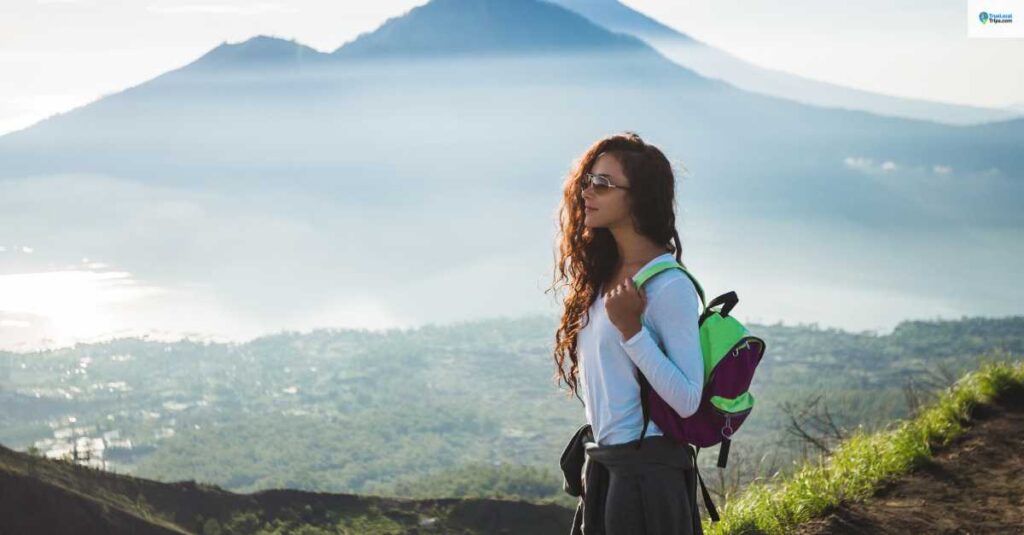
Visiting temples in Indonesia is one of the most beautiful cultural experiences you can have — but it also comes with unspoken rules that many travelers don’t know. A temple isn’t just a sightseeing spot; it’s a sacred place where locals pray, give offerings, and carry on centuries-old traditions. Knowing temple etiquette in Bali and Java helps you enjoy your visit respectfully and confidently, without accidentally breaking local customs.
In Bali, you’ll find Hindu temples everywhere — near beaches, in forests, and even on cliffs overlooking the sea. In Java, majestic sites like Borobudur and Prambanan show a mix of Hindu and Buddhist heritage. Each temple has its own customs about dress, offerings, and photography, and understanding them makes your visit smoother, more meaningful, and more welcomed by locals.
This guide will walk you through everything — what to wear, how to behave, where to take photos, and what to avoid. You’ll also learn simple local tips that make a big difference, from how to tie your sarong to when to join a ceremony.
Why Temple Etiquette Matters
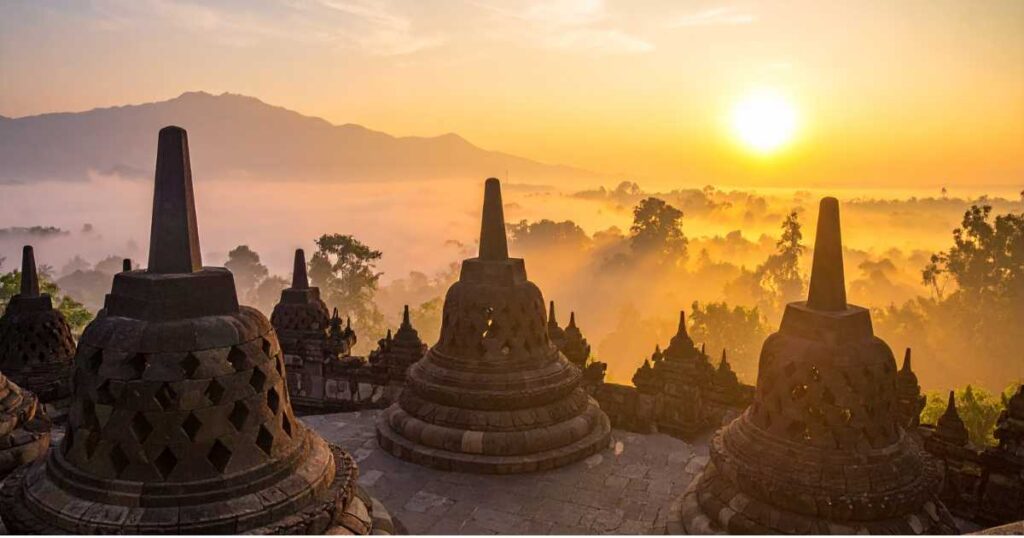
When you visit a temple in Indonesia, you’re stepping into a living place of worship, not just a tourist attraction. Every statue, flower, and offering has deep spiritual meaning. Understanding temple etiquette in Bali and Java isn’t about following rules for the sake of it — it’s about showing respect for a culture that welcomes millions of visitors while still holding on to its sacred traditions.
In Bali, temples (pura) are the center of daily life. Locals visit them to pray, give offerings, and celebrate community ceremonies. The smell of incense, the sound of chanting, and the sight of colorful canang sari offerings on the ground are reminders that you’re in a spiritual space — not a photo backdrop. Simple actions like dressing modestly or not stepping over offerings show locals that you understand and respect their beliefs.
Java’s temples, such as Borobudur and Prambanan, tell another story. These ancient sites date back over a thousand years and mix Buddhist and Hindu influences. Though many visitors come for their beauty, Javanese people still view these places with deep reverence. Behaving properly here isn’t just polite — it helps preserve centuries-old heritage and ensures that these sacred places remain open to travelers.
Following temple etiquette also helps you connect more deeply with the experience. When you slow down, act respectfully, and pay attention, you’ll notice details that most tourists miss — the sound of bells, the quiet discipline of worshippers, and the peaceful energy that fills the air.
In short, good etiquette makes you more than a visitor; it makes you a respectful guest.
Dress Codes Explained — What to Wear and What to Avoid
The first thing locals notice when someone enters a temple isn’t their camera or accent — it’s how they’re dressed. Clothing is a sign of respect, and in Indonesia’s sacred spaces, modesty matters more than fashion. Whether you’re visiting a quiet village temple in Bali or a grand site like Prambanan in Java, following the temple etiquette in Bali and Java dress code will help you blend in and show genuine respect for local traditions.
1. The Basic Rule: Cover Your Legs and Waist
Every temple in Bali and most in Java require visitors to wear a sarong (kain) and a sash (selendang) around the waist. The sarong covers your legs, and the sash symbolizes humility and respect. If you don’t have one, don’t worry — most temples lend or rent them at the entrance for a small fee (usually IDR 5,000–10,000).
You can also buy a sarong from local markets — it’s lightweight, beautiful, and can be reused for other visits. The key is to tie it neatly just below your waist and make sure it reaches below your knees.
2. What Not to Wear
Even though Indonesia is warm, temples are not the place for revealing or casual clothes. Avoid:
- Sleeveless tops or tank tops
- Shorts or mini skirts
- Ripped or see-through clothing
- Tight-fitting yoga outfits
If you’re wearing short sleeves, it’s okay — but bring a scarf or shawl to drape over your shoulders. Many travelers carry a light wrap for this reason.
3. Gender-Specific Customs
In Balinese temples, there are a few gender-specific customs worth noting:
- Women during menstruation are traditionally asked not to enter the temple grounds, as it’s considered a period of impurity in local belief. If you’re unsure, you can still visit the outer courtyard (jaba sisi), which is open to all.
- Hair should be tied back neatly, especially for women. Long, flowing hair can be seen as disrespectful during prayers.
- Men should remove hats or caps before entering.
These customs aren’t meant to exclude anyone — they’re expressions of ancient beliefs about purity and balance, still deeply respected in Balinese Hinduism.
4. Local Tips for Dressing Right
- Choose light, breathable fabrics — the weather is humid, and temples can be hot.
- Neutral or muted colors (like white, cream, or soft pastels) are preferred over flashy prints.
- Always remove your shoes or sandals before stepping onto temple grounds or platforms.
- Carry your own sarong if you plan to visit multiple temples — it saves time and adds a nice touch of respect.
By dressing properly, you send a clear message: you’re not just another tourist — you care about the culture you’re visiting. Locals notice this instantly and often treat respectful visitors with extra warmth and appreciation.
Offerings & Ceremonies — How to Behave and What to Avoid
One of the most beautiful parts of visiting a temple in Indonesia is witnessing the daily offerings and ceremonies. In Bali, small woven trays filled with flowers, rice, and incense — called canang sari — are placed everywhere: on altars, stairways, and even sidewalks. In Java, temple ceremonies are less frequent but equally sacred, often tied to full moons or religious festivals. Understanding how to act around offerings and rituals is a key part of temple etiquette in Bali and Java, helping you show respect and avoid common mistakes.
1. Never Step Over Offerings
You’ll notice offerings everywhere, especially near entrances and paths. It’s important never to step on or over them — even by accident. Each canang sari is made with care and symbolizes gratitude to the gods. If you see one in your way, walk around it or step carefully beside it.
If an offering looks like it’s in the middle of the path, that’s intentional — locals place them there as part of their daily prayers for harmony. Avoid moving them, and if you accidentally kick one (which happens to many travelers), just smile gently, put your hands together, and say, “Maaf” (sorry).
2. When You See a Ceremony
If you arrive during a temple ceremony — whether it’s a small family ritual or a large celebration — stop, step aside, and watch quietly. You’re welcome to observe as long as you don’t block the entrance or disturb the participants. Keep your phone on silent, avoid using flash, and never walk directly between people who are praying and the altar.
Many ceremonies are accompanied by traditional gamelan music, chanting, and colorful clothing. You can take photos only from a respectful distance and only if it feels appropriate — more on that in the photography section later.
3. Offerings You Can Participate In
Some temples, especially in Bali, allow visitors to take part in simple blessing rituals. You may be invited by a temple guide or a priest (pemangku). If you’re offered flowers or holy water, accept with both hands and follow their lead.
Basic steps include:
- Holding flowers between your fingers while praying.
- Sprinkling holy water over your head and face.
- Drinking a small amount if invited.
You don’t have to follow every step perfectly — sincerity matters more than perfection. Locals appreciate any effort made with respect.
4. What Not to Do Around Offerings and Ceremonies
- Don’t take selfies during prayers.
- Don’t touch offerings or move them for photos.
- Don’t sit on or lean against temple walls or altars — these are sacred.
- Avoid loud conversations, laughter, or phone calls inside temple areas.
5. How to Show Respect the Local Way
When walking past someone praying, lower your head slightly as a quiet gesture of respect. If a priest or temple guardian gestures for you to stop or wait, simply smile and step aside. Respectful patience is seen as a sign of good manners in Balinese and Javanese culture.
Watching a ceremony with the right mindset can be one of the most moving experiences you’ll have in Indonesia. You’ll not only witness devotion, but also feel the peaceful rhythm that defines local spirituality.
Entering & Moving Around — How to Behave Inside the Temple Grounds
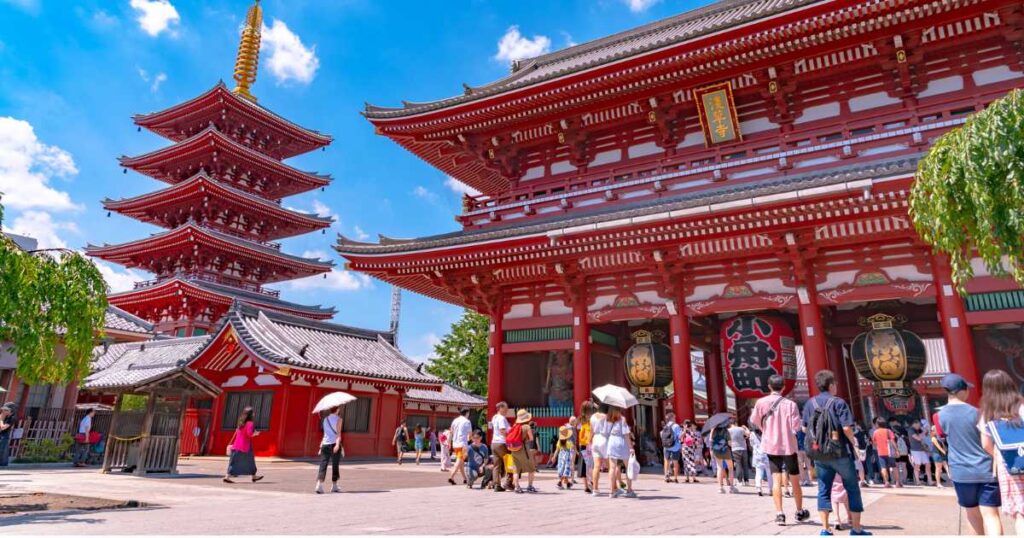
Stepping into a temple in Indonesia feels peaceful yet powerful — the smell of incense, the sound of bells, and the calm energy immediately make you want to slow down. Once you pass through the gate, you’re entering a sacred space where everything, from your posture to your direction of movement, holds meaning. Knowing how to move respectfully is an essential part of temple etiquette in Bali and Java, and it helps you feel confident and welcomed wherever you go.
1. Before Entering the Temple
At the entrance, you’ll usually see a temple gate or candi bentar (split gate). Pause here for a moment — not because it’s a rule, but because it’s polite to acknowledge that you’re entering a spiritual place. Remove your shoes or sandals before stepping onto the temple grounds; many temples have a designated area for footwear.
If there’s a guard or local caretaker (pecalang in Bali), greet them with a smile or say “Permisi” (excuse me). If you’re unsure whether visitors are allowed inside, always ask first. Some temple areas, especially the inner sanctum (jeroan), are restricted to worshippers only.
2. The Direction You Walk Matters
In Balinese Hindu temples, visitors are expected to walk clockwise (known as pradaksina) around courtyards and shrines. This follows the direction of the sun and symbolizes respect for the gods. If you’re moving from one altar to another, always walk behind people who are praying, not in front of them.
In Javanese temples like Borobudur, there’s a similar custom. Pilgrims traditionally walk clockwise around each level before ascending to the next, symbolizing a spiritual journey toward enlightenment. Even if you’re not there for prayer, following this direction shows cultural understanding.
3. How to Act Inside the Temple
Keep your movements calm and quiet. Avoid rushing, pointing at statues, or speaking loudly. If you’re traveling with children, remind them to walk slowly and avoid running or shouting.
A few more important tips:
- Keep your hands off the shrines, statues, and sacred objects. Touching them can be seen as disrespectful.
- Avoid standing higher than the priest or worshippers. If others are sitting or kneeling, lower yourself slightly out of respect.
- Smoking and eating inside temple grounds are strictly forbidden. Drink water only in open areas away from altars.
4. If a Ceremony Is Happening Inside
During prayers, you may see groups of worshippers sitting cross-legged with hands pressed together. If you wish to stay and watch, sit quietly at the side or back. Don’t walk through the middle or interrupt the flow.
You can also put your hands together in front of your chest (the “sembah” gesture) when greeting a priest or elder — it’s the most respectful way to say hello in sacred settings.
5. Leaving the Temple
When exiting, walk calmly toward the gate and avoid turning your back directly to the main shrine. Many locals will step backward a few paces before turning around completely — you can do the same as a gesture of respect.
A soft “Terima kasih” (thank you) or smile toward the caretakers as you leave is always appreciated.
Understanding these small gestures transforms your visit from just sightseeing into something much deeper — a quiet connection with the spiritual heart of Indonesia.
Photography Rules — How to Capture Temples Respectfully
Temples in Bali and Java are some of the most photogenic places in the world. From sunlight reflecting on stone carvings to colorful offerings and peaceful worshippers, every corner seems picture-perfect. But remember — these are living temples, not open-air museums. Knowing the right temple etiquette in Bali and Java for photography ensures you can take beautiful photos without crossing cultural lines or offending locals.
1. Always Ask Before Taking Photos
Before pointing your camera or phone, look around and ask yourself if the moment is appropriate to capture. If there are people praying or a ceremony taking place, it’s better to wait or ask permission. A simple “Boleh foto?” (Can I take a photo?) with a smile goes a long way.
If someone says yes, take your photo quickly and discreetly. Never take close-up shots of people praying, priests performing rituals, or offerings being placed on altars — these moments are sacred. If you want to photograph them, always keep a respectful distance.
2. Photography in Balinese Temples
In Bali, many temples welcome visitors with cameras, but certain areas are strictly off-limits for photos, especially the inner sanctum (jeroan) during prayers. Always check for signs that say “No Photography” or ask a temple staff member before taking out your camera.
If you’re wearing your sarong and sash properly, moving quietly, and being respectful, locals will appreciate your presence. They may even help you find the best angle for your photo once the ceremony is over.
3. Photography in Javanese Temples
At ancient temples like Borobudur and Prambanan, photography rules are a little different. You’re free to take pictures of the architecture and landscapes, but flash photography and drones are often restricted. Signs are posted at entry gates, and guards are happy to clarify what’s allowed.
Remember, Borobudur’s upper levels are sometimes closed to preserve the site, so avoid crossing barriers or climbing onto stone stupas for a better shot. Doing so is considered disrespectful and can result in fines.
4. No Flash, No Posing Near Altars
Flash photography can disturb both worshippers and the temple’s peaceful atmosphere. Natural light is almost always enough, especially during the day when temples are open.
Avoid sitting, leaning, or posing on temple walls, stairs, or statues. These aren’t decorative objects — they’re sacred symbols. Likewise, avoid jumping or yoga poses for social media. What might seem artistic to you can appear disrespectful to locals.
5. Social Media Responsibility
In the age of Instagram, it’s easy to forget the meaning behind the moment. If you share photos online, use captions that show respect and avoid content that could misrepresent the temple as a “backdrop.”
Instead of posting just for aesthetics, add a short note about what you learned or how the experience made you feel. Responsible travel inspires others to be more respectful too.
6. When in Doubt, Ask the Caretakers
Temple guards and local guides are always around and happy to help. If you’re unsure whether photos are allowed in a specific area, simply ask:
“Boleh ambil foto di sini?” (Can I take a photo here?)
They’ll usually guide you — and sometimes even point out hidden spots with beautiful views.
By following these small but meaningful rules, you’ll not only get amazing photos but also gain the respect of locals and fellow travelers. The best shots come when you take them with mindfulness, patience, and appreciation for where you are.
Donation Boxes & Local Economy — How to Support Temples and Give Respectfully
When visiting temples in Bali and Java, you’ll often see small wooden or metal boxes labeled “Donasi” or “Dana Punia.” These are donation boxes, and they’re an important part of temple etiquette in Bali and Java. Giving a small contribution isn’t mandatory, but it’s a thoughtful gesture that shows gratitude and helps maintain these sacred spaces for future generations.
1. Why Donations Matter
Most temples in Indonesia are maintained by local communities, not large organizations. Donations help fund daily offerings, repairs, and the upkeep of temple grounds. In Bali, temple caretakers and priests (called pemangku) depend partly on visitor donations to prepare offerings and ceremonies.
Even if the entry fee seems small or “included” in your ticket, adding a small personal donation is still appreciated. Think of it as your way of saying thank you for being allowed to step into a sacred space.
2. How Much to Give
There’s no fixed amount, but a modest donation of IDR 10,000–20,000 (less than USD 2) is perfectly fine for most temples. At larger or more famous temples like Besakih, Lempuyang, Borobudur, or Prambanan, you might give a little more — around IDR 30,000–50,000, depending on how generous you feel.
Always drop your money quietly into the donation box rather than handing it directly to someone unless a staff member invites you to. If you join a small prayer or receive a blessing from a priest, it’s polite to offer a little extra (usually folded and handed respectfully with both hands).
3. Supporting Local Guides and Temple Workers
Hiring a local guide is another wonderful way to support the temple economy. Many guides are locals who grew up around the temple and know the stories, meanings, and customs by heart. They’ll explain details you’d never find on signs — like the purpose of certain shrines, the meaning of offerings, or which direction to face during prayer.
Paying for their time not only enhances your visit but also helps sustain local livelihoods. If you enjoy the experience, a small tip afterward (around IDR 20,000–30,000) is always appreciated.
4. Buying From Local Vendors
Outside temple gates, you’ll often find small stalls selling drinks, snacks, sarongs, incense, or souvenirs. Buying from them helps local families directly. Even something simple like a bottle of water or handmade bracelet supports the local economy in a meaningful way.
When buying, remember to smile, greet first, and if appropriate, politely ask:
“Boleh kurang sedikit?” (Can it be a little cheaper?)
It’s a gentle and friendly way to interact, and sellers usually enjoy a bit of light bargaining.
5. What Not to Do
- Don’t ignore donation boxes altogether — even small amounts matter.
- Don’t leave foreign coins or damaged bills — they’re hard to exchange.
- Don’t treat giving as a transaction or expect special treatment afterward.
- Avoid pressuring locals to lower prices too much — balance respect with fairness.
Giving back to temples isn’t just about money. It’s about gratitude — for the peace you feel, the culture you learn, and the privilege of being welcomed into spaces that are sacred to millions.
By donating and supporting locals, you help preserve Indonesia’s living heritage while making a genuine connection with the people who keep it alive.
Temples With Special Rules — Famous Sites and What You Should Know Before Visiting
Every temple in Indonesia follows similar customs, but some famous ones in Bali and Java have extra rules due to their size, holiness, or the number of visitors they receive daily. Knowing these special guidelines ahead of time helps you show proper respect, avoid misunderstandings, and enjoy a smooth visit.
Let’s look at the most popular temples and their unique etiquette so you can explore confidently and respectfully.
1. Besakih Temple (Bali) — The “Mother Temple”
Besakih, perched on the slopes of Mount Agung, is the most sacred Hindu temple in Bali. It’s actually a complex of over 80 smaller temples spread across terraces.
When visiting, dress very modestly — sarong and sash are mandatory. Avoid entering inner courtyards unless you’re accompanied by a priest or participating in prayer. During large ceremonies like Odalan, access may be restricted to worshippers only.
A key tip: visitors are sometimes approached by unofficial “guides” asking for large fees. You do not need to pay for one unless you want a personal tour. Always confirm the ticket price at the official counter before entering, and if you wish, tip the temple staff at the donation box instead.
2. Lempuyang Temple (Bali) — The “Gates of Heaven”
This temple is world-famous for its scenic photo spot overlooking Mount Agung, but many visitors forget that it’s still an active place of worship.
The queue for photos can get long, so while waiting, stay quiet and avoid blocking locals who come to pray. Dress code is strictly enforced — knees and shoulders must be covered. Also, drones and tripods are not allowed unless you have special permission.
When you reach the main gate for photos, remember: it’s not a mirror lake! The reflection you see online is often created using a smartphone trick. Keep your expectations humble and enjoy the real, natural beauty of the mountain.
3. Borobudur Temple (Central Java)
Borobudur is one of the most significant Buddhist monuments in the world, and it carries deep spiritual meaning. As of 2025, visitors can no longer freely climb to the top stupa area to protect the structure from wear. You can, however, walk around the lower levels and admire the carvings.
When you do, follow the clockwise walking direction — it’s the traditional pilgrimage route that symbolizes enlightenment. Keep your voice low, avoid touching the reliefs, and never climb onto stupas or statues for photos. Guards are present to enforce these rules politely but firmly.
4. Prambanan Temple (Yogyakarta)
This UNESCO-listed Hindu temple complex is known for its towering spires and evening performances of the Ramayana Ballet.
During your visit, respect restricted areas marked with signs or ropes — they’re there for safety and preservation. If you attend the ballet, it’s fine to take photos before or after the show, but not during, unless explicitly allowed. The performance is a cultural act of devotion, not a mere entertainment show.
5. Tanah Lot (Bali)
Tanah Lot’s beauty lies in its seaside setting — a temple perched on a rock surrounded by waves. Visitors are welcome to walk along the shore and take photos, but access inside the main temple is reserved for Balinese Hindus only. When the tide is high, paths can be slippery, so stay cautious.
You’ll also find many small shrines nearby where you can receive blessings with holy water. Offer a small donation if you participate — it’s part of the ritual respect.
6. Ulun Danu Beratan (Bali)
Located on Lake Beratan, this water temple is one of Bali’s most photogenic landmarks. Because it’s popular, it has specific visitor flow rules — follow the marked paths, avoid stepping onto grass or platforms used for ceremonies, and never interrupt priests preparing offerings.
Morning is the best time to visit if you want to experience the temple’s calm before tourist crowds arrive.
Each temple tells its own story, and respecting their differences allows you to see not just their beauty, but their soul. When you visit these sacred sites with awareness, you don’t just take photos — you carry home the heart of Indonesian spirituality.
Cultural Sensitivity Tips — The Unspoken Rules That Show True Respect
When exploring temples in Bali and Java, it’s not just about following visible rules like wearing a sarong or removing your shoes — it’s about understanding the unspoken gestures that locals deeply appreciate. These small cultural signs show respect and help you blend in naturally rather than standing out as “just another tourist.”
Here are the most important cultural sensitivity tips that will make your temple visits feel more authentic, respectful, and warmly welcomed.
1. Mind Your Body Language
In Indonesia, especially in sacred places, how you carry yourself matters as much as what you wear. Avoid pointing at people or statues with your finger — if you need to gesture, use your whole hand or your thumb instead. Pointing directly is considered rude.
Never touch anyone’s head, even children’s, as the head is viewed as the most sacred part of the body. Similarly, avoid touching or leaning against temple walls and shrines — they are spiritually significant, not just architectural structures.
When sitting, try not to show the soles of your feet toward altars or people. Sit cross-legged or kneel if possible; pointing your feet is a silent sign of disrespect.
2. Respect Ceremonies and Rituals
If you happen to visit during a temple ceremony (upacara in Bali), consider yourself lucky — it’s an incredible cultural experience. However, it’s important to remain an observer, not a participant, unless invited.
Stay on the outer areas, move slowly, and never step over offerings or walk between worshippers and the altar. If you’re unsure, simply pause and watch what locals do — following their rhythm is the best guide.
If you’re invited to join in prayer, accept with humility. You don’t need to perform the ritual perfectly; your genuine respect matters more than your precision.
3. Avoid Public Displays of Affection
In Western countries, holding hands or hugging might seem harmless, but in temple areas, these gestures are considered inappropriate. Even a quick selfie with arms around your partner can draw uncomfortable stares. Keep affection private until you’re outside the sacred zone.
4. Be Mindful of Noise and Devices
Temples are places of peace and meditation. Keep conversations low, silence your phone, and turn off notification sounds. Playing loud music or videos is strongly discouraged — even outside the main sanctum.
If you’re traveling in a group, encourage quiet movement and gentle communication. The goal is to keep the space calm for everyone, not just for yourself.
5. Be Aware of Ceremonial Restrictions
In many Balinese temples, women who are menstruating are not allowed to enter the inner sanctum. This rule may sound unusual to foreigners, but it’s based on deep spiritual beliefs about purity during prayer. It’s best to respect it quietly without debate.
Likewise, people in mourning or those who’ve recently attended a funeral are traditionally advised to wait before entering temples. If you’re unsure, locals or temple caretakers can guide you.
6. Respect During Festivals and Holy Days
On holy days like Galungan, Kuningan, or Nyepi (Balinese New Year), entire villages are filled with prayers, processions, and offerings. It’s a wonderful time to experience local devotion, but avoid standing in the middle of the roads to take photos of parades or ceremonies.
During Nyepi, the whole island of Bali observes a day of silence — no lights, noise, or travel. Respecting this sacred pause is one of the greatest signs of cultural sensitivity.
7. The Power of a Simple “Thank You”
A warm smile and a polite “Terima kasih” (thank you) or “Suksma” (in Balinese) go a long way. Whether you’re thanking a temple guide, a priest, or a caretaker sweeping the grounds, these small words show humility and kindness — two traits deeply valued in Indonesian culture.
Cultural respect doesn’t come from memorizing rules; it comes from your attitude. Approach every temple visit with curiosity, humility, and gratitude, and locals will notice — often rewarding you with genuine smiles and heartfelt welcomes.
Temple Etiquette Checklist — Your Quick Guide Before Visiting Any Temple
Before you set foot inside a temple in Bali or Java, it helps to have a simple mental checklist — a friendly reminder of what to wear, how to act, and what to bring. These temples are not just tourist attractions; they are sacred spaces that represent hundreds of years of faith, art, and devotion. By preparing properly, you’ll not only avoid common mistakes but also earn genuine smiles and respect from locals who appreciate your effort to honor their traditions.
Here’s your complete Temple Etiquette Checklist to make sure your visit is respectful, comfortable, and unforgettable.
1. What to Wear (Dress Code Essentials)
- Sarong and Sash: Every temple visit in Bali and Java requires modest clothing. Wear a sarong (long cloth tied around your waist) and a sash (selendang) tied just above it. Most temples rent or provide these for free at the entrance, but you can also buy one cheaply at a market.
- Cover Shoulders and Knees: Men and women should avoid sleeveless tops, crop tops, shorts, or skirts that rise above the knees. Lightweight linen shirts or T-shirts are perfect.
- Avoid Transparent or Tight Clothes: Even if it’s hot, choose loose, breathable fabrics instead of tight or revealing clothes.
- Remove Hats and Sunglasses: These items should be taken off inside temple compounds as a sign of respect.
2. Before Entering
- Remove Shoes: Always take off your footwear before stepping onto temple grounds. You’ll usually find a designated spot or rack near the entrance.
- Greet the Caretaker: If there’s a temple guard or pecalang, smile and say “Permisi” (excuse me) before entering.
- Wait for Permission: Some inner courtyards are restricted to locals or worshippers. If in doubt, wait and ask.
- Silence Phones: Put your phone on silent mode before stepping inside to maintain the peaceful atmosphere.
3. Behavior Inside the Temple
- Walk Calmly and Quietly: Move slowly and avoid running or rushing through sacred areas.
- Follow the Clockwise Path: Always move clockwise around shrines and courtyards (symbolizing respect and positive energy).
- Do Not Touch Sacred Objects: Never touch statues, offerings, or altars. They’re not decorations — they hold spiritual meaning.
- Avoid Sitting Higher Than Worshippers: If others are kneeling or sitting, lower yourself slightly.
- No Eating or Smoking: Drinking water discreetly is fine, but avoid food, snacks, or smoking within the compound.
4. Respecting Offerings & Ceremonies
- Never Step Over Offerings: You’ll see small woven trays with flowers, rice, and incense (canang sari) on the ground. Walk around them, not over them.
- Don’t Interrupt Ceremonies: If a prayer or blessing is in progress, pause and watch quietly from a distance.
- Don’t Join Rituals Uninvited: You may be offered to join sometimes — only do so if invited.
- Be Mindful of Smoke & Incense: If you have allergies, step aside respectfully rather than waving away the smoke.
5. Photography & Media Etiquette
- Ask Before Photographing People: Use phrases like “Boleh foto?” (Can I take a photo?).
- Avoid Flash Photography: It can disturb worshippers and spoil the serenity of the temple.
- No Posing on Statues or Altars: These are sacred, not props for social media.
- Check for “No Photo” Signs: Some areas, especially inner sanctums, strictly forbid photography.
6. Giving Donations
- Look for “Donasi” Boxes: Small donation boxes are often placed near exits.
- Give What You Can: Even IDR 10,000–20,000 (less than $2) is appreciated.
- Use Local Currency: Avoid leaving foreign coins or damaged bills.
- Be Discreet: Place your donation quietly without drawing attention.
7. Additional Tips for Comfort
- Bring a Small Umbrella or Hat: Many temples are outdoors with little shade.
- Carry Tissues or Wet Wipes: Some smaller temples have basic restrooms.
- Stay Hydrated Before Entering: You’ll walk a lot, especially in larger sites like Besakih or Prambanan.
- Avoid Peak Ceremony Hours: If you prefer quiet visits, come early in the morning or just before sunset.
8. What to Avoid Entirely
- Disrespectful jokes or loud conversations.
- Climbing onto statues or temple walls.
- Overly romantic photos or public displays of affection.
- Visiting while intoxicated or after consuming alcohol.
- Ignoring the rules because “you’re just a tourist.”
This checklist isn’t meant to restrict you — it’s meant to enrich your experience. Following these guidelines will open doors to genuine cultural moments. Locals will notice your respect, often offering smiles, blessings, or even stories about the temple’s history that most tourists never hear.
When you visit with mindfulness, you don’t just see the temple — you feel its peace, its energy, and its living spirit.
FAQs — Common Questions Travelers Ask About Temple Etiquette in Bali & Java
Even the most respectful travelers often have a few doubts before visiting temples in Indonesia. To make things simple, here are the most common questions people ask — along with clear, friendly answers based on real local customs and travel experience. These short and accurate responses can help you feel confident and avoid mistakes during your temple visits in Bali and Java.
1. Do I really need to wear a sarong to enter a temple in Bali or Java?
Yes. Wearing a sarong and sash is mandatory at nearly all Balinese temples and highly recommended at Javanese temples. It’s not just tradition — it’s a sign of respect. If you don’t have one, most temples rent or lend them at the entrance for a small fee or donation.
2. Can I enter a temple if I’m not Hindu or Buddhist?
Yes, most temples in Bali and Java warmly welcome visitors of all faiths, as long as you behave respectfully. However, certain inner areas (jeroan) are reserved for worshippers only. Always follow signs or ask caretakers before entering sacred zones.
3. Are women allowed to visit temples during menstruation?
No, women are traditionally asked to refrain from entering temple grounds during menstruation. This rule comes from spiritual concepts of purity and has nothing to do with discrimination. It’s best to plan your visit accordingly and respect this belief quietly.
4. Can I take photos inside temples?
Yes, but with care. Photography is allowed in most temples, but always ask permission before taking photos of people or ceremonies. Avoid using flash, drones, or posing on statues or altars. Some temples like Lempuyang or Borobudur have specific restrictions — follow posted signs.
5. Is it okay to leave donations, and how much should I give?
Yes. Giving a small donation (around IDR 10,000–20,000) is both polite and helpful. Larger temples might appreciate a bit more, especially if you’ve received a blessing or guidance. Drop your donation discreetly in the box marked “Donasi” or “Dana Punia.”
6. Can I wear sandals inside temples?
No. You’ll need to remove your shoes or sandals before entering the main temple area. It’s a sign of humility and cleanliness. Most temples have racks or designated spots to store your footwear safely.
7. Are there any gestures I should avoid inside temples?
Yes — never point directly at statues or people, never touch anyone’s head, and avoid showing the soles of your feet toward altars. Keep your hands away from sacred objects and walk calmly without rushing.
8. What should I do if a ceremony is happening while I visit?
Pause and watch quietly from the side. Avoid walking through the middle or taking intrusive photos. If you’re invited to join, it’s okay to participate gently — just follow locals’ movements and remain respectful.
9. Can I bring children to temples in Bali or Java?
Absolutely. Children are welcome, but remind them to move quietly and not touch offerings or statues. Many families bring kids to learn respect and tradition, so locals will appreciate your effort to teach them the same.
10. What happens if I accidentally step over an offering?
It’s not ideal, but don’t panic. Step back, whisper a quick apology (“Maaf”), and continue walking carefully. Locals understand that visitors sometimes make mistakes as long as they’re respectful afterward.
Understanding these small yet meaningful customs will make your temple visits smoother and more enjoyable. You’ll connect more deeply with local culture, avoid uncomfortable situations, and gain genuine appreciation from the people you meet.
Also Read: Cultural Immersion Travel in Indonesia: 10 Villages & Traditions to Experience Local Life
Conclusion — Final Thoughts on Temple Etiquette and Cultural Respect in Bali & Java
Visiting temples in Bali and Java isn’t just about seeing ancient architecture or taking beautiful photos — it’s about experiencing Indonesia’s living spirituality. These sacred places are at the heart of local life, where prayer, art, and daily culture meet. When you understand and practice proper temple etiquette in Bali and Java, you don’t just act respectfully — you connect with the people and traditions that make these islands so special.
Taking a few simple steps — dressing modestly, walking quietly, giving small donations, and observing local customs — can completely change how locals see you. Instead of being just another tourist, you become a welcomed guest. That warmth and mutual respect are what truly make your temple visits unforgettable.
Every bow, smile, and gentle word you offer is noticed. Every moment you take to understand rather than assume opens a door to a deeper connection with Indonesia’s culture and faith. So the next time you step into a temple, let respect lead you — and the experience will reward you with something far more valuable than any souvenir: a sense of peace and belonging.