
Imagine waking up to the sound of tropical birds, surrounded by rice terraces or rainforest mist — and realizing you’re spending less than $50 a night. That’s the promise of Indonesia’s eco-lodges: they give you nature, character, and a clear conscience at a price that doesn’t require a second mortgage. But here’s the honest part — Indonesia’s tourism prices have shifted upward since the post-pandemic travel surge, and a few lodges that made these lists two years ago have quietly crept past the $50 mark. This guide has been fully updated for 2026 with verified current pricing, so what you see here is what you’ll actually pay.
Across Bali, Java, Lombok, and Sumatra, a growing wave of travelers is choosing bamboo bungalows and riverside cabins over generic hotel rooms, and for good reason. These aren’t just cheap places to sleep. They’re lodges powered by solar panels, run by local families, and quietly doing more for their environments than any resort advertising “sustainability” in a press release ever has.
Why Eco-Lodges Are Worth Choosing
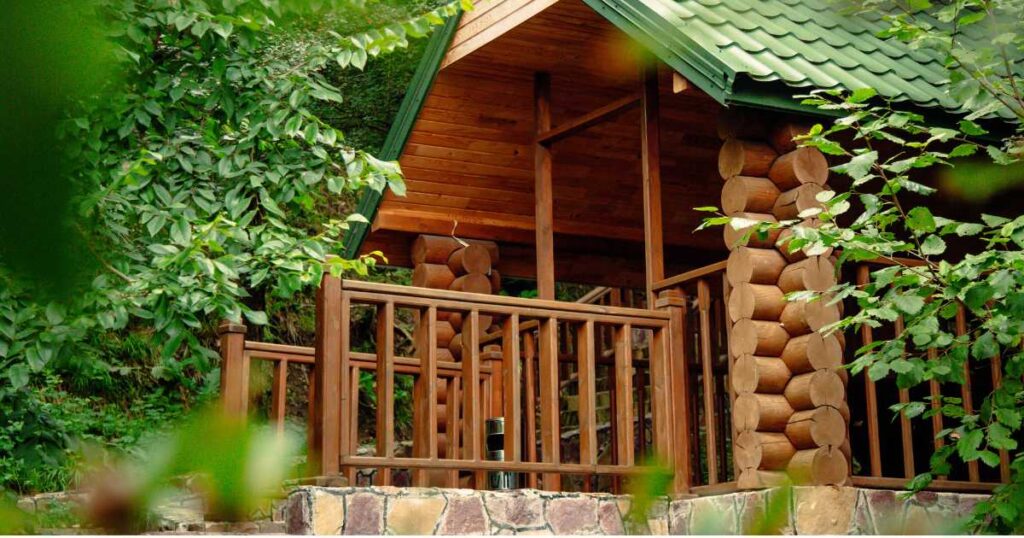
Eco-lodges are more than attractive places to sleep — they represent a genuinely different way to travel. Instead of large hotels that consume enormous energy and export their profits, these stays are built around connection to nature and local culture. Every detail, from the bamboo furniture to the organic breakfast, is designed to reduce environmental impact while deepening your experience as a traveler.
When you stay at an eco-lodge, your money goes directly to the people who live there. Most of these places are run by local families or small cooperatives using traditional building techniques and hiring from their immediate community. The result is more jobs, stronger local economies, and the kind of authentic interaction you don’t find in a hotel lobby. Many lodges also run their own conservation projects — reforestation programs, river clean-ups, or wildlife protection partnerships — so your visit contributes beyond just the accommodation fee.
There’s also a personal dimension to it. Without resort noise or city crowds, you can hear the river, watch fireflies after dark, and eat breakfast grown in the garden thirty meters from your room. It’s slower travel, and most people who try it once find it hard to go back to the standard formula.
Best Eco-Lodges by Island — 2026 Verified List
Prices below reflect typical rates for 2026 mid-season. Budget for slight variations during peak months (July–August, Christmas/New Year) and cheaper rates in the wet season shoulder period (February–March). Always check current rates before booking as prices can shift.
Bali
Bali Eco Stay Bungalows — Tabanan (~$45–55/night)
Hidden on the slopes of Mount Batukaru in central Bali, Bali Eco Stay is one of the island’s most consistently praised eco stays — ranked #1 of B&Bs in Tabanan on TripAdvisor with nearly 800 reviews. Eight cozy bungalows are fed by mountain spring water, the kitchen sources from on-site organic gardens, and guests are personally welcomed by the founders rather than a reception desk. The setting is genuinely remote — rice terraces, a private waterfall, river swimming — while activities range from kite-making workshops to sound baths. Pricing has nudged up slightly from where it was in 2025, so check current availability; some room types remain under $50 while others tip just over depending on dates.
Ecozy Dijiwa Ubud — Ubud (~$45–60/night)
Just minutes from Ubud’s cultural center, Ecozy uses recycled materials throughout, has natural cooling rather than air conditioning, and runs community-based programs including Balinese cooking classes and yoga sessions. It sits in the sweet spot between eco-stay and boutique guesthouse — comfortable enough for couples, principled enough to mean it. Current pricing sits around $45–60 depending on room type and season; the lower end is available off-peak.
Pondok Sebatu Eco Lodge — Near Tegallalang (~$35–45/night)
Built on a hillside overlooking rice paddies not far from the Tegallalang terraces, Pondok Sebatu runs an organic garden and herbal growing program that guests are encouraged to participate in. Breakfast uses produce from the property. It’s slower and quieter than Ubud proper, which is exactly the point. Prices remain solidly in the under-$50 range and it’s one of the better-value options in central Bali.
Java
Iglam Ijen — Banyuwangi (~$30–40/night)
Near the famous Ijen Crater and its blue fire phenomenon, Iglam Ijen is a lodge-style stay with garden views, terrace seating, and genuine eco-conscious management. Rooms are simple but clean, the setting is green and peaceful, and the location makes it a natural basecamp for Ijen trekking. Current pricing verified at around $36/night for a garden-view room, comfortably under the $50 mark. Staff can arrange guided Ijen treks departing in the early hours of the morning.
Note: The original “Ijen Eco Camp” listed in previous versions of this post has changed its format. Iglam Ijen and Ijen Cottages are the most recommended eco-conscious options in the Banyuwangi area for 2026.
Sarinbuana Eco Lodge — Tabanan/Batukaru Slopes (~$40–50/night)
Worth mentioning as a solid alternative to Bali Eco Stay in the same Mount Batukaru region — Sarinbuana backs onto Bali’s largest remaining rainforest and has been running eco-conscious stays for years. Fresh air, clean water, guided forest walks, and that genuine back-to-nature feeling that’s increasingly hard to find in Bali without paying resort prices. Package deals (3+ nights all-inclusive) are often the best value.
Lombok
Rinjani Lodge — Senaru, Lombok (from ~$69/night — honest update)
Important note for 2026: Rinjani Lodge has moved above the $50 threshold. Current pricing starts at approximately $69/night for a double room, rising higher for peak dates. The property is excellent — infinity pool facing the mountain, strong eco and community credentials, solar energy, staff hired locally, support for nearby schools — but we’re keeping this honest and it no longer belongs under the $50 ceiling. If it fits your budget it’s still one of the best eco stays near Rinjani. For true budget options in Senaru, the area has a cluster of eco-friendly homestays and small lodges from $15–30/night (Bukit Senaru Homestay, Embun Rinjani Homestay) that carry the same community ethos at a lower price point.
Saifana Organic Farm Bungalows — Tetebatu, Lombok (~$25–40/night)
A quieter option in Lombok’s Tetebatu highlands — a working organic farm with simple bungalows, vegetable gardens you can wander through, and the kind of genuine farm-stay feel that most “eco” labels are trying to imitate. Tetebatu sits at the foot of Rinjani’s southern slope, surrounded by rice paddies and with waterfall walks nearby. Prices are well under $50 and the experience is genuinely local.
Sumatra
Ecolodge Bukit Lawang — North Sumatra (~$20–35/night)
Nestled at the edge of Gunung Leuser National Park, the Ecolodge Bukit Lawang is the most ethically grounded stay in this guide. Proceeds go directly to the Sumatran Orangutan Conservation Programme, so your accommodation fee has a literal conservation function. Rooms are simple riverside bungalows with the forest right outside — guests can hear and sometimes spot orangutans from the property during fruit season. Guides for jungle treks are hired locally and the lodge has maintained an honest relationship with conservation work since it was established. TripAdvisor consistently rates it among the best specialty lodging in the area and fresh 2026 reviews confirm it’s operating well.
For those wanting slightly more comfort at a similar price, Sumatra Orangutan Explore (on the Bohorok riverbank) offers riverside rooms from around IDR 250,000–500,000/night ($15–31 USD) with hot water, organic toiletries, and a restaurant overlooking the jungle.
Updated Price & Feature Summary for 2026
| Lodge | Location | 2026 Price/Night | Eco Feature | Best For |
|---|---|---|---|---|
| Bali Eco Stay Bungalows | Tabanan, Bali | ~$45–55 | Spring water, organic garden, solar | Couples, nature seekers |
| Ecozy Dijiwa Ubud | Ubud, Bali | ~$45–60 | Natural cooling, recycled materials | Culture travellers |
| Pondok Sebatu Eco Lodge | Tegallalang, Bali | ~$35–45 | Organic farming, herbal garden | Slow travellers |
| Iglam Ijen | Banyuwangi, Java | ~$30–40 | Garden lodge, eco management | Ijen trekkers |
| Sarinbuana Eco Lodge | Tabanan, Bali | ~$40–50 | Rainforest-backed, guided forest walks | Long stays |
| Saifana Organic Farm Bungalows | Tetebatu, Lombok | ~$25–40 | Working organic farm, rice paddy setting | Budget farm-stay |
| Ecolodge Bukit Lawang | North Sumatra | ~$20–35 | Funds orangutan conservation directly | Wildlife travellers |
| Rinjani Lodge ⚠️ | Senaru, Lombok | From ~$69 | Solar, local employment | Above budget now |
⚠️ Rinjani Lodge now starts above $50 in 2026 — included here for transparency since it appeared in previous versions of this post. Budget alternatives in Senaru start from around $15/night.
Prices include basic amenities — most offer breakfast, Wi-Fi in common areas, and hot water. Always book direct or verify on Booking.com/Agoda before arrival as rates fluctuate by season.
What Actually Makes a Lodge “Eco”
The word gets used loosely and that’s worth addressing directly. A genuine eco-lodge goes well beyond a bamboo aesthetic or a sign about recycling. Here’s what separates the real ones from the imitation.
Renewable energy and natural design is the first marker. Lodges worth the label use solar panels, hydro power, or natural ventilation rather than running diesel generators and cranking air conditioning all day. Building materials matter too — local bamboo, reclaimed wood, and stone that blend with the surroundings rather than concrete blocks shipped in from elsewhere.
Water and waste management is where many lodges fall short. Real eco-stays use rainwater collection, recycle greywater for garden irrigation, provide refillable water rather than plastic bottles, and have a genuine system for sorting and composting waste. It’s unglamorous work that makes a real difference in areas where waste infrastructure is limited.
Locally sourced food is more significant than it sounds. When a lodge sources produce from its own garden or nearby farms, it cuts transportation emissions, supports local farmers, and gives guests food that tastes better because it was picked the same morning. Many also use locally made furniture and hire local artisans, keeping the economic value within the community rather than importing it from outside.
Wildlife and habitat protection matters especially in places like Bukit Lawang or the areas around Gunung Leuser. Lodges that genuinely contribute here limit noise, avoid disturbing natural habitats, plant native trees, and partner with wildlife programs. Ecolodge Bukit Lawang’s direct funding of the Sumatran Orangutan Conservation Programme is the clearest example of what this looks like in practice.
Finally, cultural respect and fair employment. Staff paid fairly, hired locally, and treated as professionals rather than cheap labor is one of the most meaningful markers of a genuine eco-lodge. Some also run cultural programs — cooking classes, craft workshops, village visits — as real exchanges rather than performances for tourist cameras.
Booking Tips for 2026
Indonesia’s dry season runs April through October and that’s when eco-lodge demand peaks. Book four to six weeks ahead if you’re traveling in July or August, especially for smaller properties with only a handful of rooms. The shoulder months — March and November — offer the best combination of decent weather and lower prices. The wet season (November to March) brings significant discounts and greener landscapes; most lodges stay open and the rainy-season experience has its own appeal for travelers who don’t mind afternoon showers.
For booking itself, platforms like Booking.com and Agoda are useful for comparing and reading recent reviews, but once you’ve identified your top choice, try booking directly through the lodge’s website or email. Direct bookings often carry lower rates, better room options, and ensure more money reaches the owners rather than commission fees. Smaller eco-lodges in particular appreciate direct contact and will often customize your stay if you ask in advance.
Always carry cash in Indonesian Rupiah, especially if you’re heading to rural areas in Lombok, Java, or Sumatra where card payment infrastructure is unreliable. A good rule of thumb: carry enough for your full stay at smaller lodges because the nearest ATM might be a thirty-minute drive away.
When reading reviews for eco credentials, look for specific mentions — “they gave us refillable bottles,” “the food was from their own farm,” “the guide explained the conservation work” — rather than generic praise. Guests who care about sustainability tend to notice and mention it when it’s genuine.
Comfort and Safety — What to Actually Expect
Eco-lodges in Indonesia prioritize sustainability, but that doesn’t translate to roughing it. Most offer clean private bathrooms, hot water (sometimes solar-heated), mosquito nets, fans, and Wi-Fi in common areas. What you typically won’t have is air conditioning, a television, or the impersonal efficiency of a chain hotel — which for most people who choose these places is the whole point.
Nature sounds replace city noise, which some people love immediately and others need a night to adjust to. Roosters at 5am and frogs after rain are part of the package. Earplugs are worth packing if you’re a light sleeper. Mountain stays like Bali Eco Stay or Sarinbuana can also get genuinely cool at night — bring a light layer even though Bali is tropical.
For families, eco-lodges work better than most people assume. Bukit Lawang’s jungle lodges organize nature walks where kids learn about orangutans in a way no zoo can replicate. Ubud-area stays often run family workshops — planting, cooking, simple craft-making — that children remember long after the trip. Just confirm age restrictions for any trekking or river activities before booking, and pack reusable water bottles, reef-safe sunscreen, and mosquito repellent as a minimum.
For travelers with mobility concerns, check directly with the lodge before booking. Many eco-stays involve steps, uneven paths, or significant walking from a parking area. Properties built into hillsides or riverbanks are beautiful precisely because of the terrain, so it’s worth asking specific questions rather than assuming accessibility from photos.
Responsible Traveler Habits Worth Adopting
Choosing an eco-lodge is the first step. A few habits during your stay make the difference between participating in sustainable tourism and just sleeping in a place that calls itself sustainable.
Bring a reusable water bottle, bamboo toothbrush, and reef-safe sunscreen — most eco-lodges already minimize single-use plastic, and your own kit reinforces rather than undermines that effort. Take short showers, turn off lights when leaving your room, and unplug electronics overnight. These habits matter more in off-grid or solar-powered properties where resources are genuinely limited rather than just symbolically managed.
Support local businesses beyond the lodge itself — buy from artisans near your accommodation rather than importing souvenirs from tourist shops in a city you passed through. Eat at local warungs, take a cooking class, hire a local guide for treks rather than booking through a platform that extracts a cut without adding value. The economic benefit of your trip multiplies considerably when it stays local.
Skip any attraction involving direct animal contact — elephant rides, photo sessions with primates, dolphin shows. Instead, join ethical wildlife encounters, nature clean-ups, or coral planting projects. Read our guide to Ethical Wildlife Encounters in Indonesia for verified options.
And when you leave, write an honest review. Specific mentions of eco practices — the refillable water system, the organic breakfast, the solar setup — help other conscious travelers find genuine options and push more properties toward real sustainability rather than marketing language.
Also read: Eco-Tourism in Indonesia: How to Travel Responsibly and Sustainable Tour Operators Indonesia – Complete 2026 Guide

FAQs
Are eco-lodges in Indonesia genuinely affordable in 2026? Yes, though prices have shifted. Bali options now typically start around $35–45/night for genuine eco stays, while Java and Sumatra still offer excellent options under $30. Lombok’s most famous eco lodge (Rinjani Lodge) has moved above $50, but budget alternatives in the same area still exist from around $15/night.
What can I expect from a stay at an eco-lodge? Simple, natural surroundings — bamboo or wood construction, organic meals, fan cooling rather than air conditioning, and usually a genuine connection to local community and landscape. Most have hot water, private bathrooms, and Wi-Fi in common areas. What they don’t have is the impersonal polish of chain hotels.
Which island has the best eco-lodge options under $50? Sumatra (Bukit Lawang area) offers the most affordable genuine eco stays — $20–35/night with direct conservation impact. Bali has the widest range of options but prices have risen; budget $35–50 for the better-maintained eco stays. Java’s Banyuwangi/Ijen area sits comfortably under $40.
How do I know if a lodge is genuinely sustainable? Look for specific practices mentioned in recent guest reviews — not just a green logo. Certifications from EarthCheck or Green Fins add credibility. Ask the property directly about waste management, staff hiring, and conservation contributions. Vague answers are a signal.
Do eco-lodges accommodate dietary requirements? Almost all eco-lodges serve plant-based options — most grow their own vegetables or source locally, so vegetarian food is natural rather than an afterthought. Vegan options are common in Ubud. If you have specific allergies or requirements, communicate them when booking.
Are these stays safe for solo travelers? Yes. Most eco-lodges have a community atmosphere and good security. Solo travelers often find them easier socially than standard hotels — small guest numbers, shared meals, and guided activities create genuine connection rather than isolation.
Should I book direct or through a platform? Both work, but direct booking ensures more money reaches the lodge. Use Booking.com or Agoda to read recent reviews and compare, then contact the lodge directly once you’ve decided.
Conclusion
Staying at an eco-lodge in Indonesia in 2026 doesn’t require choosing between your budget and your principles. Most of the lodges in this guide are genuinely excellent stays that happen to be sustainable — not compromise options dressed up with bamboo furniture. The honest caveat is that prices have moved, and a few properties that used to sit comfortably under $50 no longer do. That’s reflected above rather than papered over.
What hasn’t changed is the core appeal. You wake up somewhere that feels real rather than manufactured, eat food that was grown nearby rather than shipped in, and spend money that stays in the local community rather than disappearing into a corporate structure. Indonesia’s eco-lodges have figured out that good travel and responsible travel aren’t in conflict — and spending a night in one makes that very easy to believe.
Related posts: