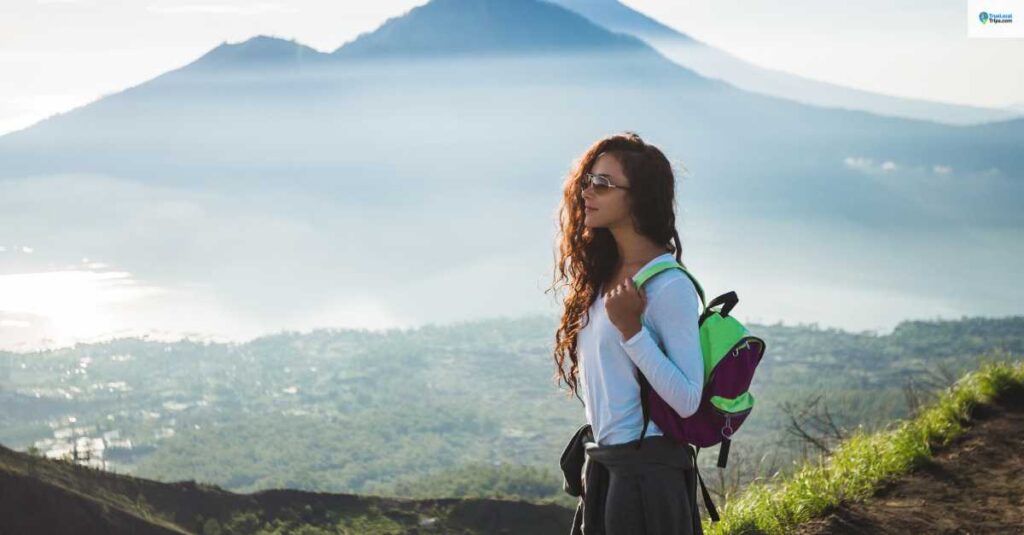
Imagine cruising down a tropical coastal highway, rice fields stretching endlessly to your left and volcano peaks rising on your right. That’s what a road trip in Indonesia feels like — raw, beautiful, and full of surprises. As more travelers choose local adventures over crowded tours, exploring Indonesia by road has become one of the most exciting ways to truly see the country.
Whether you drive a car, rent a motorbike, or join a self-drive group, road trips in Indonesia let you explore hidden waterfalls, sleepy villages, and stunning beaches that most tourists never reach. You’ll experience the freedom to stop wherever the view calls to you — a cliffside café, a temple, or a street food stall serving sizzling satay.
In this article, we’ll guide you through seven incredible road trip routes across Bali, Java, Sumatra, Lombok, Flores, Sulawesi, and Yogyakarta. You’ll learn how to prepare, what to pack, and how to stay safe while driving. Each route includes must-see stops, travel distances, and tips to make your journey smooth and unforgettable.
By the end, you’ll know exactly which Indonesian road trip suits your travel style — whether you want mountains, beaches, culture, or pure adventure.
What Makes Indonesia Great for Road Trips

Indonesia is not just a country — it’s a collection of more than 17,000 islands, each filled with diverse landscapes, cultures, and stories. This variety makes road trips in Indonesia exciting, because every few hours, the scenery, language, and even the food can change completely. Whether you’re driving through Bali’s coastal loops, Java’s active volcano routes, or Sumatra’s misty highlands, the journey itself becomes the destination.
One of the biggest advantages of traveling by road in Indonesia is flexibility. You decide when to start, where to stop, and how long to stay. Public transport can be crowded and limited in remote areas, but with your own vehicle, you can reach secret beaches, village markets, and mountain viewpoints that tour buses never visit. For travelers who enjoy independence and discovery, it’s the perfect way to experience the country.
In recent years, Indonesia has also made big improvements to its road network. Major highways like the Trans-Java Toll Road and the expanding Trans-Sumatra Highway connect key cities smoothly, cutting long travel times in half. On smaller islands like Lombok or Flores, scenic coastal roads offer calm traffic and postcard-perfect views — ideal for those who love to stop for photos or drone shots.
Fuel stations, known as SPBU or Pertamina stations, are easy to find along main routes. Many even have mini markets, ATMs, and clean restrooms. If you prefer to drive electric, EV charging points are slowly increasing, especially in Bali and Jakarta. Navigation apps like Google Maps and Waze work reliably almost everywhere, making it easy to plan your stops and avoid traffic jams.
Another reason Indonesia shines for road trips is its cultural diversity. Each island offers a new rhythm of life — you might wake up to the sound of Balinese gamelan one morning and end your day with Javanese street music the next. The locals are warm and curious, and if you stop at a small warung (local eatery), you’ll likely be greeted with smiles and stories.
And finally, the landscapes are unmatched. From volcano peaks like Mount Bromo and Mount Rinjani to blue lakes, waterfalls, and palm-lined beaches — few countries offer such natural beauty in a single trip. Every turn on an Indonesian road brings something new and unforgettable.
Preparation Checklist for Your Indonesia Road Trip
Getting ready the right way turns a good plan into a great adventure. Use this simple, practical checklist to make your road trip Indonesia smooth, safe, and stress-free from day one.
Documents and licenses
Bring your passport (with photo page copies) and your International Driving Permit that matches the vehicle you’ll drive (car or motorbike). Your home-country license should be valid for the full trip. Some checkpoints may ask for both. Keep digital scans in your email too. If you plan to ride a motorbike, make sure your permit covers motorcycles; police often check this in Bali, Lombok, and Java.
Vehicle choice and rental rules
Book from a well-reviewed rental company that includes third-party liability insurance. Check the excess amount and consider extra coverage to reduce the deposit. Inspect the vehicle with a video: tires, lights, mirrors, windshield, brakes, and any scratches. For motorbikes, confirm two helmets, working indicators, and phone mount. For cars, ask for a spare tire, jack, warning triangle, and jumper cables. Avoid handing over your passport; offer a copy plus a credit card hold.
Navigation and road tools
Download Google Maps and Waze offline for your route. Save key pins: hotel, fuel (SPBU/Pertamina), clinics, and ferry ports. A basic dashcam and a sturdy phone mount help both safety and evidence if something happens. Bring a paper map for remote stretches in Flores, Sumbawa, or Sulawesi, where signal can drop.
Tolls, fuel, and payments
Most toll roads are cashless. Buy a contactless e-money card (e.g., e-Toll/e-Money/BRIZZI/Flazz) and top it up at convenience stores before long drives. Fill up at major stations; choose non-subsidized fuel grades recommended by your rental. Keep small bills for parking attendants and rural stalls.
SIM card and connectivity
Pick up a local SIM at the airport or city (popular choices include the big national providers). Get at least 15–25 GB for maps, calls, and booking apps. Share your live location with a trusted friend during long legs.
Safety kit and health
Pack a first-aid kit, motion sickness tablets, sunscreen, insect repellent, and rehydration salts. Add a reflective rain jacket, headlamp, compact umbrella, microfiber towel, and spare water. Check tire pressure daily if you’re covering long distances on hot roads. For bikes, wear closed shoes and a proper helmet with a clear visor for night rain.
Driving etiquette and habits
Drive on the left. Use your horn lightly to signal your presence on narrow village roads. Expect slow trucks on mountain passes; overtake only with clear sight and patience. In cities, scooters flow like water—be predictable, avoid sudden stops, and signal early. For Indonesia travel by car, seatbelts are mandatory; for bikes, helmets are non-negotiable. Avoid night driving in rural areas due to animals, unlit curves, and potholes.
Weather and timing
Dry season (generally April–October) brings clearer skies and safer mountain roads. In rainy months, start early, plan shorter legs, and expect occasional landslides or flooding in highland and coastal zones. Always check ferry schedules if your driving routes Indonesia include island hops.
Emergency contacts and backups
Save your accommodation numbers, your rental hotline, and local emergency numbers in your phone and on paper. Keep a small stash of cash, one backup card, and a photocopy of your passport separate from your wallet.
Ticking these boxes will keep your focus on views, villages, and volcano horizons—not logistics.
Also Read: How to Travel Indonesia on a Budget: 10-Day Itinerary for First-Timers
7 Epic Road Trip Routes in Indonesia for 2025
Indonesia’s roads stretch across islands that feel like separate worlds — each with its own rhythm, scenery, and surprises. Below are seven of the most rewarding road trip Indonesia routes for 2025, covering popular classics and hidden gems. Every route includes distance, ideal duration, fuel estimates, and travel highlights so you can plan with confidence.
1. The Bali Loop (Approx. 400 km, 4–5 days)
Start in Denpasar and circle the island clockwise. Drive through rice terraces in Ubud, black-sand beaches in Lovina, and cliffs at Uluwatu.
Highlights: Tegallalang Rice Terrace, Munduk waterfalls, Batur Volcano sunrise, Uluwatu Temple.
Fuel Estimate: About 20–25 liters (≈ Rp 300,000).
Roads are well-paved but narrow in villages; start early to avoid traffic. This route mixes culture, beaches, and nature perfectly for beginners.
2. Java Coast Road (Jakarta → Banyuwangi, 1,200 km, 6–8 days)
Java is Indonesia’s main island and offers excellent toll roads for long-distance travelers. Begin in Jakarta, stop in Yogyakarta for heritage and art, then continue east to Banyuwangi for ferries to Bali.
Highlights: Borobudur Temple, Mount Bromo sunrise, Malang’s rainbow village, beaches near Banyuwangi.
Fuel Estimate: Around Rp 1,200,000.
Perfect for those who love history and smooth driving routes. This trip shows you modern cities, cultural heartlands, and volcanic landscapes in one stretch.
3. Sumatra Highlands Route (Medan → Lake Toba → Bukittinggi, 900 km, 6–7 days)
Sumatra is wild and green, offering winding roads through jungles and hills. Start in Medan, circle the massive Lake Toba, then head south to Bukittinggi for cool highlands and colonial charm.
Highlights: Lake Toba views, Samosir Island, Harau Valley, waterfalls and coffee villages.
Fuel Estimate: Around Rp 900,000.
Expect scenic drives with fewer tourists. The roads can be narrow but full of stunning nature, making it perfect for adventurous drivers.
4. Lombok to Sumbawa Coastal Trail (Lembar → Bima, 450 km, 4–6 days)
From Lombok, take the ferry to Sumbawa and follow coastal roads lined with white beaches and sleepy fishing towns.
Highlights: Senggigi Beach, Sekotong coves, Moyo Island boat trips, Mount Tambora crater.
Fuel Estimate: About Rp 500,000.
This lesser-known drive offers raw beauty and calm traffic. Bring enough cash for remote areas with limited ATMs.
5. Yogyakarta to Mount Bromo Route (380 km, 3–5 days)
Start in Yogyakarta, visit the temples of Borobudur and Prambanan, then head east toward Bromo Tengger Semeru National Park.
Highlights: Borobudur sunrise, Solo city crafts, Bromo crater hike, local Tengger villages.
Fuel Estimate: Around Rp 400,000.
This route combines culture, mountain adventure, and scenic highlands — great for travelers who enjoy both comfort and challenge.
6. Flores Overland (Labuan Bajo → Maumere, 700 km, 5–7 days)
Known as one of Indonesia’s most beautiful road trips, this overland route winds through rolling hills, traditional villages, and empty beaches.
Highlights: Komodo National Park, Kelimutu’s tri-colored lakes, Bajawa hot springs, and scenic blue stone beaches near Ende.
Fuel Estimate: Around Rp 700,000.
The drive is long but breathtaking. Roads are curvy — drive slow, and plan photo stops. Flores feels like the untouched heart of Indonesia.
7. Sulawesi Circle (Makassar → Tana Toraja → Manado, 1,500+ km, 10–14 days)
A journey for the true explorer. Start in the port city of Makassar, visit Tana Toraja’s unique culture, then continue north to the coral reefs of Manado.
Highlights: Toraja traditional villages, Puncak Lakawan viewpoint, Tomohon markets, Bunaken Marine Park.
Fuel Estimate: Around Rp 1,500,000.
This route is long but rich in experiences. Expect diverse cultures, mountain drives, and coastal serenity.
Each of these seven routes reveals a different face of Indonesia — from island magic to highland coolness. Whether you’re chasing sunsets, waterfalls, or volcano views, there’s a road waiting to be discovered.
Where to Stop Along the Way
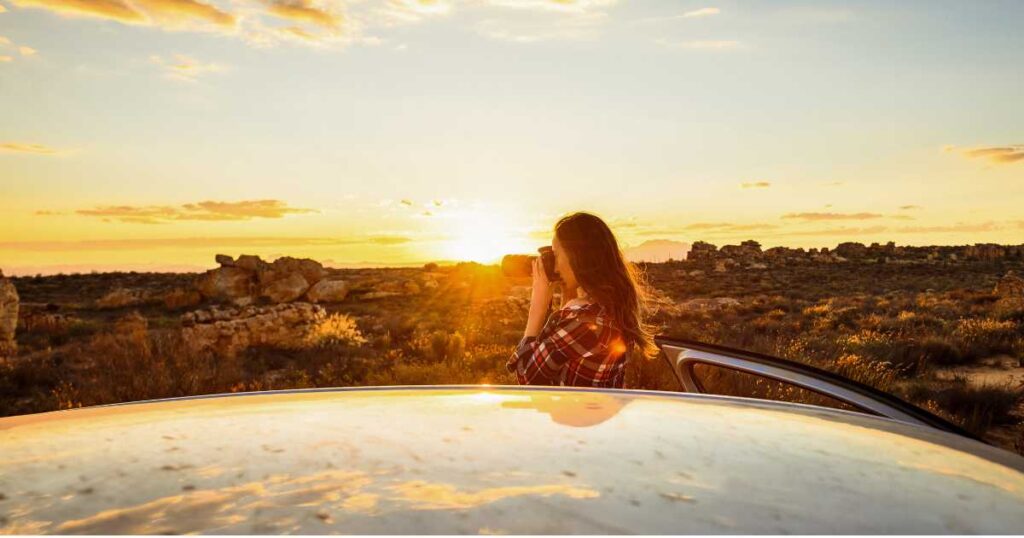
A good road trip Indonesia isn’t just about reaching the destination — it’s about the little stops in between. Those surprise cafés, scenic temples, or hidden beaches often become the best memories. Here’s a breakdown of must-stop spots, local food finds, and rest points for each of the seven epic routes.
1. Bali Loop — Culture, Cafés & Coastlines
- Ubud: Stop for local coffee at Seniman Coffee Studio or Clear Café. Visit Campuhan Ridge Walk for a morning stroll.
- Munduk: Take a break at Munduk Moding Plantation for mountain views and homemade chocolate.
- Lovina: Watch sunrise dolphins or grab lunch by the beach at Warung Apple.
- Uluwatu: Stop at Single Fin Café for sunset views over the cliffs.
Local Tip: Many small villages sell fresh fruit by the roadside — try snake fruit (salak) or rambutan when in season.
2. Java Coast Road — History, Volcanoes & Heritage
- Cirebon: Visit Keraton Kasepuhan Palace and taste local shrimp crackers.
- Yogyakarta: Don’t miss Malioboro Street for souvenirs and Gudeg Yu Djum for traditional sweet jackfruit stew.
- Malang: Enjoy colorful murals in Jodipan Rainbow Village.
- Bromo Area: Stay overnight in Cemoro Lawang Village for the best sunrise view at Mount Bromo.
Local Tip: Toll road rest areas (called “rest area KM”) have clean toilets, convenience stores, and prayer rooms — perfect for breaks.
3. Sumatra Highlands — Lakes, Valleys & Coffee
- Parapat (Lake Toba): Stop for photos at Simarjarunjung Viewpoint.
- Samosir Island: Visit Ambarita Village for Batak culture and Tomok Market for crafts.
- Harau Valley: Take a short trek to Aka Barayun Waterfall surrounded by cliffs.
- Bukittinggi: Enjoy the cool air at Jam Gadang Clock Tower and try Rendang, voted one of the world’s best dishes.
Local Tip: Sumatra’s roads twist through highlands — plan early morning drives to avoid fog and heavy trucks.
4. Lombok to Sumbawa Coastal Trail — Serenity & Sea Views
- Senggigi: Stop for beachside breakfast at Café Alberto.
- Sekotong: Visit Elak Elak Beach or go island-hopping to Gili Nanggu.
- Moyo Island: Short boat ride from Sumbawa Besar — pristine waterfalls and zero crowds.
- Bima: Try local seafood at Pasar Tanjung.
Local Tip: Fuel up whenever you see a major Pertamina station; remote stretches can have long gaps.
5. Yogyakarta to Mount Bromo — Art, Culture & Peaks
- Borobudur Temple: Sunrise tours offer magical misty views.
- Solo: Famous for batik workshops and royal palaces.
- Malang: Walk around Ijen Boulevard or visit Toko Oen, a colonial-era café.
- Bromo: Stop for coffee in Ngadisari Village before your early morning volcano trek.
Local Tip: Avoid weekend crowds at Bromo — weekdays offer quiet roads and fewer tourists.
6. Flores Overland — Adventure & Authenticity
- Ruteng: Visit the spider web rice fields (Lingko).
- Bajawa: Stop at Soa Hot Springs or the Bena Traditional Village.
- Ende: Blue stone beaches and local market snacks.
- Kelimutu National Park: Arrive at dawn to see the colorful crater lakes glow.
Local Tip: Roads are narrow — drive slow and wave to local kids; they’ll smile and shout “Hello Mister!” as you pass.
7. Sulawesi Circle — Culture & Coral Reefs
- Tana Toraja: Visit Lemo Cliff Tombs and Kete Kesu Village.
- Poso Lake: A peaceful rest stop for swimming and coffee.
- Tomohon: Known for mountain vegetables and traditional markets.
- Manado: End with snorkeling at Bunaken Marine Park.
Local Tip: The Toraja highlands can get cold at night — pack a light jacket even if you’re starting in tropical heat.
Each of these stops adds personality to your trip — places where you can stretch, refuel, meet locals, and experience authentic Indonesia beyond the map.
Safety Tips & Driving Etiquette
Driving in Indonesia is an adventure of its own — full of life, surprises, and unique local habits. Knowing a few safety tips and driving etiquette rules will help you enjoy every moment while staying calm and confident behind the wheel.
1. Understand Local Road Behavior
Indonesian roads can feel chaotic at first glance, but there’s an unspoken rhythm to them. Motorbikes make up most of the traffic, and they move fluidly between cars. Keep your lane steady and predictable; avoid sudden turns or stops. Use your horn lightly — here, it’s not rude but a friendly “I’m here” signal. Locals often wave a hand or blink hazard lights briefly to say thanks.
2. Follow the Left-Hand Rule
Indonesia drives on the left side of the road, similar to the UK or Australia. Stay left unless overtaking. Always check mirrors carefully before turning, especially on busy streets filled with scooters. If you’re not used to driving on the left, take short city drives first to get comfortable before longer routes.
3. Respect the Speed and Environment
On highways, the limit is usually around 80–100 km/h, while in cities it’s 40–60 km/h. But don’t rely only on signs — slow down near schools, temples, and markets where pedestrians and animals may cross suddenly. Avoid using loud horns near religious sites or rural areas, as locals value calmness and respect.
4. Night Driving Precautions
Avoid long-distance night drives, especially on mountain or rural roads. Street lighting can be weak, and unexpected animals or slow trucks often appear without signals. If you must drive at night, clean your windshield often to prevent glare, and use low-beam headlights around villages.
5. Weather and Road Conditions
During the rainy season (November–March), some roads in Sumatra, Flores, and Sulawesi can become slippery or flooded. Always slow down during rain and never drive through deep water without checking its depth. Carry a small towel to wipe your visor or windows, and a waterproof bag for electronics.
6. Police Checkpoints and Local Rules
Police occasionally set up roadside checks. Stay calm, smile, and show your license, passport copy, and vehicle papers. Never argue or raise your voice. If you receive a fine, ask politely for an official ticket (tilang) and pay at the bank, not on the spot.
7. Parking and Safety Habits
Park only in designated areas or well-lit streets. In cities, small attendants (juru parkir) will guide you and expect a small tip (Rp 2,000–5,000). When leaving the car, don’t leave valuables in sight. Always lock your bike’s wheel and helmet securely when stopping.
8. Road Courtesy and Patience
Road trips in Indonesia aren’t about speed — they’re about the journey. Villagers may walk on narrow roads, dogs may nap in the shade, and kids might wave from rice fields. Slow down, smile, and enjoy it. Patience not only keeps you safe but earns friendly waves everywhere you go.
With these habits, driving becomes more than just transportation — it’s a cultural experience filled with connection and discovery.
Best Time for a Road Trip in Each Region

Timing can make or break your road trip Indonesia adventure. Because the country stretches across the equator, weather and road conditions vary by island. Knowing when to go helps you avoid heavy rain, landslides, and holiday traffic — and ensures you get clear skies and smooth drives all the way.
1. Bali & Lombok — April to October (Dry Season)
These islands enjoy warm, sunny weather almost year-round, but the dry season is the best for road trips. Roads are dry, waterfalls are easy to access, and coastal views are bright and clear. May to September is ideal for motorbike riders thanks to cool breezes and light traffic.
Avoid: December to February, when sudden showers can make coastal roads slippery.
2. Java — May to September (Best for Long Drives)
Java’s highways and toll roads are busiest during local holidays like Idul Fitri (usually April–May). Outside these times, traffic is manageable and weather is steady. The dry months are perfect for seeing temples and volcanoes.
Avoid: Mid-year school holidays (late June to mid-July) — city exits and beaches can get crowded.
3. Sumatra — June to August (Clear Highland Views)
Sumatra’s highlands, including Lake Toba and Bukittinggi, look best in the middle of the year. Expect cool temperatures and fewer landslides.
Avoid: Heavy rainy months (November–March) when mountain roads can flood or get muddy.
4. Flores & East Nusa Tenggara — May to October (Adventure Season)
The dry season offers safe drives through winding mountain roads and crystal-clear sea views. Komodo tours also run more smoothly at this time.
Avoid: December to March, when rain can delay ferries and make slopes slippery.
5. Sulawesi — June to October (Perfect for Long Circuits)
During these months, the weather is dry, ideal for exploring Tana Toraja’s highlands and the coral coast of Manado.
Avoid: January to March, when scattered rains may cause slippery rural roads.
6. Yogyakarta to Bromo — April to August (Cool & Comfortable)
These central and eastern Java routes are best when the air is clear and sunrise at Mount Bromo is guaranteed.
Avoid: November–March, when mist or rain can block volcano views.
7. Sumbawa & Lesser-Known Trails — May to September (Sunny & Quiet)
This is when the beaches are calm, and ferries between islands run smoothly. The dry season also means better road grip and easier rural access.
Avoid: Rainy months (December–February) — ferry cancellations are common.
General Tip:
Indonesia’s dry season (April–October) is the golden window for almost all islands. Always check local updates before leaving, since weather can vary slightly by region.
Frequently Ask Questions (FAQs)
1. Is it safe to go on a road trip in Indonesia?
Yes, road trips in Indonesia are generally safe if you drive carefully and follow local traffic rules. Stick to main routes, avoid night driving in rural areas, and always wear helmets or seatbelts. Locals are friendly and willing to help if you ever need directions.
2. Do I need an international license to drive in Indonesia?
Yes, you need an International Driving Permit (IDP) along with your valid home-country license. Police may ask to see both, especially in tourist areas like Bali or Lombok.
3. What’s the best app for driving in Indonesia?
Google Maps and Waze are the most reliable. They show live traffic, nearby gas stations, and even ferry ports. You can also download offline maps for remote regions like Flores and Sumatra.
4. Are fuel and parking expensive in Indonesia?
No, fuel is affordable compared to many countries. On average, gasoline costs around Rp 13,000–15,000 per liter. Parking usually costs Rp 2,000–5,000 in cities and is often free in rural areas.
5. Can I rent a car or motorbike without a guide?
Absolutely. Many travelers rent cars or scooters for self-drive trips. Just make sure your rental includes insurance, and always check the vehicle before driving off.
6. What should I pack for a long road trip in Indonesia?
Pack light clothes, a rain jacket, sunscreen, first-aid kit, and reusable water bottle. Don’t forget power banks, a flashlight, and small cash for tolls and snacks.
7. Are there toll roads in Indonesia?
Yes, especially on Java and parts of Sumatra. You’ll need an electronic payment card like e-Toll or e-Money. Most toll roads are smooth, safe, and have good rest stops.
Conclusion
A road trip in Indonesia is more than a holiday — it’s a journey through culture, nature, and endless surprises. Every island tells a different story, and every turn in the road reveals something new — a golden beach, a quiet rice terrace, or a smiling villager waving you on your way.
By planning smart, driving safely, and exploring with curiosity, you’ll experience Indonesia like a true traveler, not just a tourist. The open road gives you freedom to slow down, stop for a chat with locals, or chase the sunset on your own terms. From the smooth highways of Java to the winding trails of Flores, there’s a route waiting for every kind of explorer — solo adventurers, couples, and even families.
So, pack your bag, charge your camera, and get ready to start the engine. Whether you’re crossing islands or looping through one, Indonesia’s roads lead to moments you’ll never forget — laughter at roadside cafés, starlit beaches, and the thrill of discovering places few have seen.
Drive responsibly, respect local culture, and enjoy every kilometer — because in Indonesia, the journey truly is the destination.