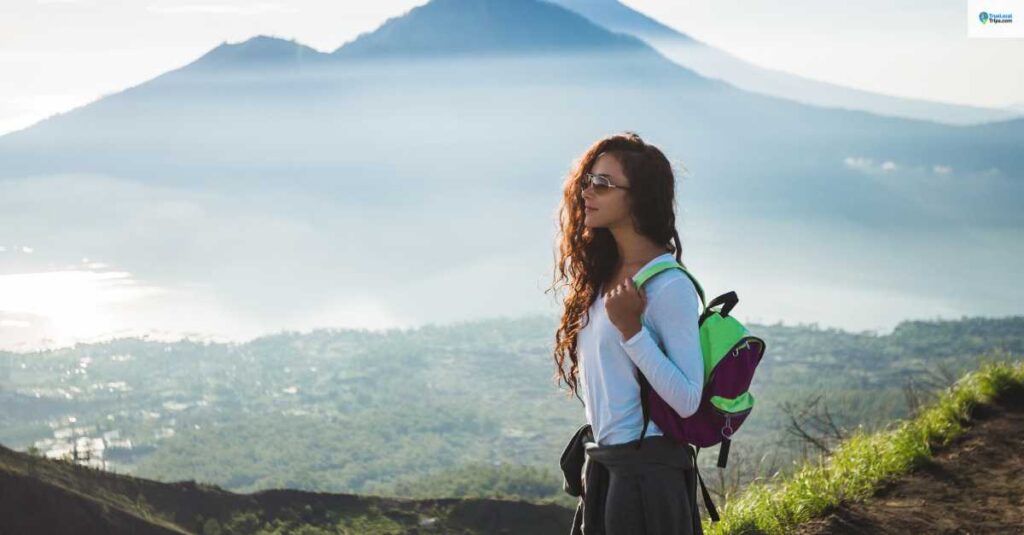
Imagine cruising down a tropical coastal highway, rice fields stretching endlessly to your left and volcano peaks rising on your right. That’s what a road trip in Indonesia feels like — raw, beautiful, and full of surprises. As more travelers choose local adventures over crowded group tours, exploring Indonesia by road has become one of the most exciting ways to actually see the country rather than just pass through it.
Whether you drive a car, rent a motorbike, or join a self-drive group, road trips in Indonesia put you in places most tourists never reach — hidden waterfalls, sleepy villages, cliffside cafés that aren’t in any guidebook. You set the pace. You stop when something catches your eye. That freedom is what makes it worth the planning.
This guide covers seven road trip routes across Bali, Java, Sumatra, Lombok, Flores, Sulawesi, and the Yogyakarta region, fully updated for 2026 with current fuel prices, toll costs, and road condition notes. Each route includes must-see stops, travel distances, and honest practical tips to keep your journey smooth.

What Makes Indonesia Worth Road-Tripping
Indonesia is not just one country — it’s more than 17,000 islands, each with its own landscapes, cultures, and rhythms. That variety is what makes road trips here exciting. Every few hours the scenery changes completely, and so does the food, the architecture, and the energy of the people you meet. Whether you’re driving through Bali’s coastal loops, Java’s volcano routes, or Sumatra’s misty highlands, the road itself is part of the experience.
One of the biggest advantages of traveling by road here is flexibility. Public transport can be crowded and limited in remote areas, but with your own vehicle you can reach secret beaches, village markets, and mountain viewpoints that tour buses skip entirely. For travelers who enjoy independence and genuine discovery, it’s the best way to go.
Indonesia has also continued improving its road infrastructure. The Trans-Java Toll Road connects key cities smoothly, and the Trans-Sumatra Highway keeps expanding. On smaller islands like Lombok and Flores, scenic coastal roads offer calm traffic and postcard views. Navigation apps like Google Maps and Waze work reliably on main routes, though it’s worth downloading offline maps before heading into Flores or eastern Sumatra where signal drops.
Fuel stations — known as SPBU or Pertamina — are easy to find on main routes, and many have mini markets, ATMs, and clean restrooms. On rural routes, especially in Flores and Sumbawa, there can be long gaps between stations, so planning fill-ups matters. EV charging points are slowly expanding in Bali and Jakarta but aren’t yet practical for long-distance driving in most other regions.
The cultural dimension is something no other transport gives you. You might wake up to the sound of Balinese gamelan one morning and end your day listening to Javanese street music. Stop at a small warung and you’ll likely leave with a full stomach, a few Indonesian phrases, and a story.
Preparation Checklist
Getting ready properly turns a good plan into a great trip. Here’s what you actually need to sort before you start the engine.
For documents, bring your passport with copies, and your International Driving Permit matched to the vehicle type you’ll drive. Police check both in tourist areas like Bali, Lombok, and Java — if you’re riding a motorbike, confirm your permit covers motorcycles specifically. Keep digital scans in your email as backup.
When renting a vehicle, book from a well-reviewed company that includes third-party liability insurance. Inspect everything on video before you leave — tires, lights, mirrors, windshield, brakes, and any existing scratches. For motorbikes, confirm two helmets, working indicators, and phone mount. For cars, ask for a spare tire, jack, warning triangle, and jumper cables. Don’t hand over your actual passport; offer a copy plus a credit card hold instead.
For tolls — and this is important for 2026 — all Indonesian toll roads are now fully cashless. You must have a contactless e-money card loaded before you reach the gate. Cards like e-Toll, e-Money, BRIZZI, and Flazz all work. Top up at convenience stores before long drives. Running out of balance at a toll gate causes delays and queues behind you. Budget your toll balance generously and keep 10–15% extra as buffer.
For fuel, fill up at major Pertamina SPBU stations. The current 2026 subsidized Pertalite (RON 90) is capped at Rp 10,000 per liter by government order, which will remain frozen through end of 2026 per presidential directive. Pertamax (RON 92), which is what most rental cars recommend, runs Rp 12,300 per liter as of March 2026. Note that premium grades have seen significant price movement in 2026 due to global oil pressures — Pertamax Turbo, Dexlite, and Pertamina Dex have risen sharply and are now much more expensive than in 2025 if your vehicle requires diesel or high-grade fuel. Always check the grade your rental specifies and budget accordingly.
For navigation, download Google Maps and Waze offline for your entire route before leaving. Save key pins: your accommodation, Pertamina stations, clinics, and any ferry ports. A dashcam and sturdy phone mount are both useful. For remote routes in Flores, Sumbawa, or Sulawesi, carry a paper map — signal can drop completely.
Pack a first-aid kit, motion sickness tablets, sunscreen, insect repellent, and rehydration salts. Add a rain jacket, small flashlight, and spare water. Check tire pressure daily if you’re covering long distances on hot roads. For motorbikes, wear closed shoes and a full-face or clear-visor helmet for night rain. Always share your live location with someone you trust on long solo legs.
Also read: How to Travel Indonesia on a Budget: 10-Day Itinerary for First-Timers
7 Epic Road Trip Routes for 2026
Every route below has been updated with current fuel and toll estimates based on 2026 pricing. Fuel estimates assume a mid-size car averaging 12–15 km/liter using Pertamax at Rp 12,300/liter.
1. The Bali Loop (~400 km, 4–5 days)
Start in Denpasar and circle the island clockwise — rice terraces in Ubud, black-sand beaches in Lovina, temple cliffs at Uluwatu, then back south through the Bukit Peninsula. Bali has no toll roads, so your main costs are fuel and parking.
Key stops: Tegallalang Rice Terrace, Munduk waterfalls, Batur Volcano sunrise, Uluwatu Temple at sunset.
Fuel estimate 2026: approximately 25–30 liters for the full loop, around Rp 310,000–370,000 at current Pertamax prices. Roads are well-paved but narrow through villages — start early to beat traffic, especially around Ubud and Canggu. This is the most beginner-friendly route and a good first trip if you haven’t driven in Indonesia before.
Local tip: Many small villages sell fresh fruit roadside. Try snake fruit (salak) or rambutan when in season, and stop at the smaller warungs rather than tourist restaurants for better food and prices.
2. Java Coast Road — Jakarta to Banyuwangi (~1,200 km, 6–8 days)
The Trans-Java Toll Road makes this one of Indonesia’s smoothest long drives. Begin in Jakarta, stop in Yogyakarta for temples and street food, then continue east toward Banyuwangi for ferry connections to Bali.
Key stops: Borobudur Temple, Mount Bromo sunrise, Malang’s rainbow village, beaches near Banyuwangi.
Toll costs 2026 (passenger car, Group I): Jakarta to Surabaya is approximately Rp 859,500–986,500 depending on the gates used — budget around Rp 1,000,000 to be safe and top up your e-Toll card before departure. Jakarta to Semarang alone runs around Rp 467,500. Fuel for the full route adds roughly Rp 1,200,000 at current Pertamax prices. Note that the Semarang-Batang section saw a ~29% tariff increase in March 2026, which is factored into these estimates.
Local tip: Toll road rest areas (marked as “Rest Area KM XX”) have clean toilets, prayer rooms, convenience stores, and food stalls — they’re genuinely useful for long legs and safe for stopping late.
3. Sumatra Highlands — Medan to Lake Toba to Bukittinggi (~900 km, 6–7 days)
Sumatra is wild and green, with winding roads through jungle and hill country that feel completely different from Java or Bali. Start in Medan, circle the massive Lake Toba, then head south through the highlands to Bukittinggi.
Key stops: Lake Toba viewpoints at Simarjarunjung, Samosir Island Batak culture, Harau Valley waterfalls, Jam Gadang clock tower in Bukittinggi.
Fuel estimate 2026: approximately Rp 900,000–1,100,000 for the full route. The Trans-Sumatra Highway has expanded and improved connectivity between major cities, though mountain sections remain winding and can see heavy trucks. Start early morning drives to avoid fog and road congestion on highland passes.
Local tip: Rendang originated in Padang, West Sumatra — try it fresh from a local Padang restaurant in Bukittinggi, not from a chain. It’s one of the genuinely best things you’ll eat in Indonesia.
4. Lombok to Sumbawa Coastal Trail (~450 km, 4–6 days)
From Lombok, take the ferry to Sumbawa and follow coastal roads lined with white beaches and quiet fishing towns. This is one of Indonesia’s most underrated drives — very little tourist traffic and genuinely beautiful coastline.
Key stops: Senggigi Beach, Sekotong coves and Gili Nanggu, Moyo Island boat trips, Mount Tambora crater.
Fuel estimate 2026: approximately Rp 500,000–600,000. Bring extra cash for remote stretches — ATMs are limited once you leave the main towns. Fuel up whenever you pass a major Pertamina station because gaps between them on Sumbawa can be long.
Local tip: Ferry schedules between Lombok and Sumbawa are fairly reliable in dry season but can be disrupted by weather in wet months. Check conditions and don’t skip the crossing time buffer.
5. Yogyakarta to Mount Bromo (~380 km, 3–5 days)
A compact route that packs extraordinary variety — ancient temple complexes, batik villages, Solo’s royal heritage, and a dramatic active volcano landscape that’s unlike anywhere else in Indonesia.
Key stops: Borobudur sunrise, Prambanan temples, Solo batik workshops, Bromo crater, Tengger villages.
Fuel estimate 2026: approximately Rp 400,000–500,000. No major toll road sections on the Yogya-Bromo stretch; the Trans-Java toll gets you from Jakarta to Yogya quickly if that’s your starting point (add Rp 536,500 toll for Jakarta-Yogyakarta). Mountain roads approaching Bromo are narrow and steep — take your time and don’t attempt the crater approach in a low-clearance vehicle.
Local tip: Bromo weekdays are quieter than weekends. Arrive in Cemoro Lawang village the evening before and walk to the viewpoint pre-dawn — the sunrise over the crater is the kind of view people travel across the world for.
6. Flores Overland — Labuan Bajo to Maumere (~700 km, 5–7 days)
Known as one of Indonesia’s most visually stunning road trips. The route winds through rolling hills, traditional villages, and empty beaches on an island that still feels genuinely undiscovered compared to Bali or Java.
Key stops: Komodo National Park, Kelimutu’s three-colored crater lakes, Bajawa hot springs and Bena Traditional Village, blue stone beaches near Ende.
Fuel estimate 2026: approximately Rp 700,000–900,000. Roads in Flores are narrow and curvy — this is not a fast drive. Expect to cover less distance per day than Java, and plan photo stops because the views reward patience. Fuel stations thin out significantly east of Bajawa so fill up whenever you have the chance.
Local tip: Kids along rural Flores roads will often wave and shout “Hello Mister!” as you pass — slow down, wave back. That interaction is part of what makes this route special, and driving through villages at speed misses the whole point.
7. Sulawesi Circle — Makassar to Tana Toraja to Manado (~1,500+ km, 10–14 days)
A route for the serious explorer. Start in the port city of Makassar, head into the extraordinary highlands of Tana Toraja with its cliff tombs and elaborate funeral ceremonies, then continue north to the diving capital of Manado and Bunaken Marine Park.
Key stops: Toraja traditional villages and Lemo Cliff Tombs, Kete Kesu Village, Poso Lake rest stop, Tomohon market, Bunaken coral reefs.
Fuel estimate 2026: approximately Rp 1,500,000–1,800,000 for the full circuit. Sulawesi has no major toll network so fuel is your primary cost. Mountain sections between Toraja and Palopo are winding and slow — budget extra time and don’t underestimate distances on the map versus actual driving time. The north-south leg through central Sulawesi passes through genuinely remote territory.
Local tip: Toraja highlands get cold at night — temperatures can drop significantly even though you started the day in tropical heat on the coast. Pack a light jacket and don’t assume it’ll be warm everywhere just because Indonesia is tropical.
Fuel & Toll Quick Reference for 2026
This is the section most likely to be out of date in any older post, so here’s everything current as of May 2026.
Fuel prices (Pertamina, Jakarta rates — slight regional variation applies):
- Pertalite RON 90 (subsidized): Rp 10,000/liter — government has committed to holding this price through end of 2026
- Pertamax RON 92: Rp 12,300/liter (most rental cars run on this grade)
- Pertamax Green RON 95: Rp 12,900/liter
- Pertamax Turbo RON 98: Rp 19,900/liter (significant jump from 2025 due to global crude pressure — avoid unless your vehicle specifically requires it)
- Dexlite diesel: Rp 26,000/liter (major increase in 2026 — relevant if you’re renting a diesel SUV or 4WD)
- Biosolar (subsidized diesel): Rp 6,800/liter
Trans-Java Toll Road (passenger car, Group I, March 2026 rates):
- Jakarta to Cirebon: ~Rp 172,500
- Jakarta to Semarang: ~Rp 467,500
- Jakarta to Yogyakarta: ~Rp 536,500
- Jakarta to Surabaya: ~Rp 859,500–986,500 depending on route
- Load at least Rp 1,000,000 on your e-Toll card for the full Jakarta-Surabaya run, with 10–15% buffer
E-Toll card reminder: All toll roads are cashless. Cards available at convenience stores, banks, and major petrol stations. Top up before long toll sections, not at the gate.
Important 2026 note: If you’re renting a diesel vehicle (common for larger 4WDs used in Flores or Sulawesi), the Dexlite price increase from Rp 14,200 to Rp 26,000 per liter since late 2025 significantly changes your fuel budget. Factor this in carefully when planning routes that cover 700+ km.
Where to Stop Along the Way
A road trip is really about the pauses between the driving. These are the stops that tend to stick.
On the Bali Loop, Ubud deserves at least a morning — coffee at Seniman Coffee Studio, a walk along Campuhan Ridge, and probably more time at the market than you planned. Munduk in the highlands is worth a slower stop for waterfall walks and homemade chocolate at the plantation. Uluwatu at sunset from Single Fin café is one of those views you’ll be relieved you didn’t skip.
On the Java Coast Road, Yogyakarta’s Malioboro Street is chaotic and wonderful for a few hours — buy batik, eat gudeg (Yogya’s sweet jackfruit stew) from a streetside warung, and spend an evening in the kraton area. In the Bromo region, staying the night in Cemoro Lawang village before the crater hike makes the 4am walk much less brutal.
On the Sumatra Highlands route, Lake Toba’s sheer scale surprises most first-time visitors — it’s one of the largest volcanic lakes on earth and the views from Simarjarunjung are genuinely extraordinary. Samosir Island in the middle of the lake is worth a side trip for Batak culture and the unusual quietness of the place. Harau Valley near Bukittinggi feels like a landscape from another planet: sheer vertical cliffs rising from flat valley rice fields.
On Flores, don’t rush Kelimutu. The three crater lakes at the summit each hold water of a different color — blue, green, and dark red-black — and they change shades over time due to mineral activity. The colors at dawn, before the day-trippers arrive from Moni, are something worth a very early alarm for. The spider-web rice fields at Ruteng (Lingko fields) and the Bena Traditional Village near Bajawa are two more stops that feel genuinely untouched.
In Sulawesi, Tana Toraja’s Lemo cliff tombs and Kete Kesu village are the most famous stops for good reason — the funeral ceremonies and the tau-tau effigies carved into cliff faces are unlike anything else in Indonesia. If you’re there in July or August, funeral season brings elaborate multi-day ceremonies that are open to respectful visitors.
Safety and Driving Etiquette
Indonesian roads have their own rhythm and it takes about half a day to calibrate to it. Motorbikes make up the majority of traffic in most towns and they flow fluidly between cars. Keep your own movements steady and predictable — avoid sudden turns or stops. The horn is used more frequently and less aggressively than in Western countries; a light tap means “I’m here,” not “get out of my way.”
Drive on the left. On highways, speeds run 80–100 km/h; in cities, 40–60 km/h. Always slow down near schools, temples, and markets where pedestrians, livestock, and children can appear without warning. Mountain passes require patience — trucks crawl up long grades and overtaking is only safe with clear sightlines. Many serious accidents on routes like Flores or Sumatra happen on blind corners or during rain when drivers try to push pace.
Avoid long-distance night driving on rural roads. Street lighting is minimal, potholes appear without warning, and animals cross freely. If you need to cover distance at night, stick to Java’s illuminated toll roads and rest at a proper stop rather than pushing through on unlit mountain routes.
During rain, slow down significantly on mountain roads and never attempt to cross flooded sections without knowing the depth. The rainy season (November–March) brings landslide risk on highland routes in Sumatra, Flores, and Sulawesi — start drives early to reach destination before afternoon storms.
At police checkpoints, stay calm, smile, and have your license and passport copy ready. Ask politely for an official ticket (tilang) if fined rather than paying roadside cash. Most checkpoints are routine and quick.
For parking in cities, small attendants (juru parkir) will guide you and expect Rp 2,000–5,000. Don’t leave anything visible in a parked car. For motorbikes, always lock the wheel and don’t leave helmets hanging on the bike in busy areas.
Best Time to Drive Each Route
The dry season (April–October) is the golden window for almost all routes. Roads are clearer, mountain views unobstructed, and ferry connections more reliable.
For Bali and Lombok, May to September offers ideal conditions — dry roads, cool sea breezes on coastal sections, and the kind of blue-sky weather that makes every scenic stop worth the detour. Avoid December to February when sudden showers make coastal roads slippery and some waterfalls become inaccessible.
For Java’s long-distance routes, May to September works best for comfort and clear volcano views. Avoid the Lebaran (Eid) travel period — typically late March to early April in 2026 — when toll roads are jammed and roadside facilities are overwhelmed.
For Sumatra, June to August gives the clearest highland views around Lake Toba and Bukittinggi. Avoid November to March when mountain roads can flood or wash out in the north.
For Flores and East Nusa Tenggara, May to October is adventure season — safe drives, clear Komodo tours, crystal water. The December–March period can delay ferries and make slopes unpredictable.
For Sulawesi, June to October covers both the Toraja highland drive and the Manado coast in good conditions. January to March brings scattered rains that can affect rural road quality significantly.
For Yogyakarta to Bromo, April to August gives the clearest sunrise conditions at the crater. Heavy mist in wet months can obscure the volcano entirely, which is frustrating after driving four hours in the dark to get there.
FAQs
Do I need an international license to drive in Indonesia? Yes. An International Driving Permit (IDP) plus your valid home-country license is required. Police may check both, especially in Bali and Lombok. If you’re renting a motorbike, your IDP must cover motorcycles.
What fuel grade should I use? Check with your rental company. Most modern rental cars run on Pertamax (RON 92) at Rp 12,300/liter. Pertalite (Rp 10,000) is subsidized and technically restricted to Indonesians, though in practice many tourists use it without issue. If your rental is a diesel, budget carefully — Dexlite has risen sharply in 2026.
Are the toll roads worth it? Yes, on Java especially. The Trans-Java toll reduces Jakarta-Surabaya from a two-day ordeal on local roads to a single long day. The cost (around Rp 860,000–986,500 for that full run) is reasonable for the time and comfort it saves.
What is an e-Toll card and where do I get one? It’s a contactless prepaid card for toll payments. All Indonesian toll gates are cashless, so you need one before you drive on any toll road. Buy and top up at convenience stores (Indomaret, Alfamart), banks, or major petrol stations.
Can I rent a car or motorbike without a guide? Yes. Self-drive travel is very common. Just confirm insurance is included, inspect the vehicle thoroughly on video, and avoid handing over your original passport.
What should I do at a police checkpoint? Stay calm, be polite, and have your IDP, passport copy, and vehicle registration ready. If you receive a fine, ask for an official ticket (tilang) to be paid at a bank later rather than paying cash on the spot.
Is it safe to drive at night in Indonesia? On Java’s toll roads, yes. On rural routes in Sumatra, Flores, Sulawesi, and mountain areas of Bali or Java, no — potholes, unlit curves, animals, and slow trucks without proper lighting make night driving genuinely risky.
What app works best for navigation? Google Maps with offline download is the most reliable. Waze is good for traffic alerts in cities. Download offline maps for your entire route before you leave areas with reliable data coverage.
Final Thoughts
A road trip in Indonesia is more than a holiday — it’s a way of seeing the country that no tour itinerary can replicate. Every island tells a different story, and every turn in the road opens something new: a golden beach unmarked on any map, a village market setting up at dawn, a volcano coming into view through the mist at exactly the right moment.
Plan smart, drive safely, and keep your schedule loose enough to stop when something catches your eye. The best moments on Indonesian roads are usually unplanned — the cliffside warung with the view, the local who waves you over to share coffee, the empty stretch of coastal road at golden hour with nothing behind you for kilometers.
Drive responsibly, respect local rhythms, and enjoy every kilometer. In Indonesia, the journey really is the destination.
Related posts:
- How to Travel Indonesia on a Budget: 10-Day Itinerary for First-Timers
- Get Around Bali Without Renting a Scooter
- Traveling Between Indonesia’s Islands Made Easy
- What to Know Before Visiting Indonesia: Visa, Health, Culture & Safety (2026 Edition)
- Travel Scams in Bali and Jakarta: Real Examples & How to Stay Safe
- One Week Bali Itinerary: Ubud, Uluwatu & Nusa Penida