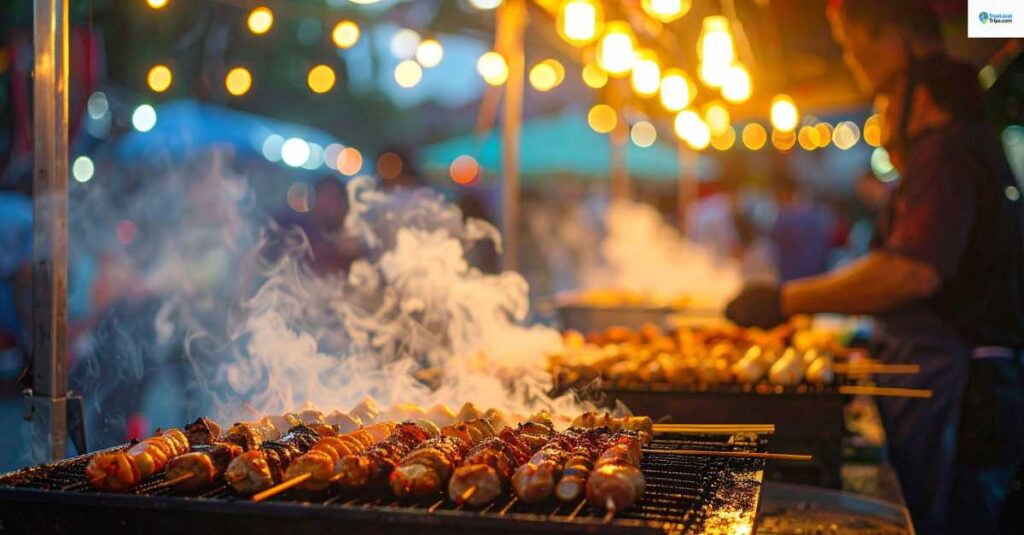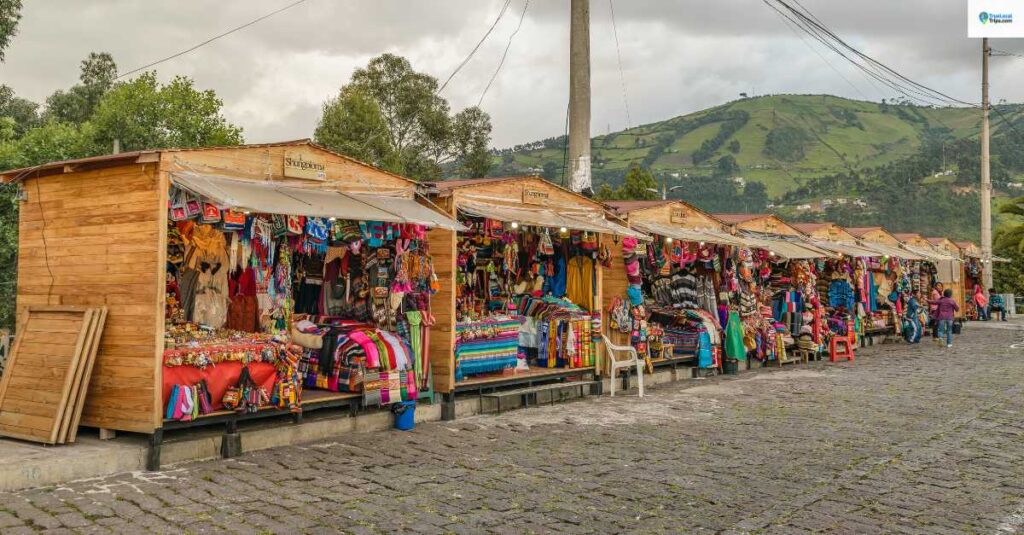
If you truly want to understand Indonesia, start not in museums or hotels, but on the streets — where sizzling woks, smoky grills, and laughter fill the air. Street food in Indonesia is more than just a quick bite; it’s the country’s heartbeat, connecting people through flavors passed down for generations. From spicy noodles in Java to sweet coconut treats in Bali, every dish tells a story of culture, community, and creativity.
The beauty of street food Indonesia lies in its simplicity and variety. You can walk down any street and find a world of tastes — savory, sweet, spicy, and everything in between. Travelers often say that eating local food here isn’t just a meal; it’s an experience. You might share a bench with strangers, eat from a banana leaf, or chat with the vendor who’s been perfecting the same recipe for 30 years.
In this guide, you’ll explore 25 iconic street foods from different regions — from the bustling lanes of Jakarta to the beaches of Bali and the highlands of Sumatra. You’ll also learn simple tips for eating safely, budgeting wisely, and respecting local food traditions.
By the end, you’ll be ready to taste Indonesia like a local — one delicious bite at a time.
Street Food Etiquette for Travelers
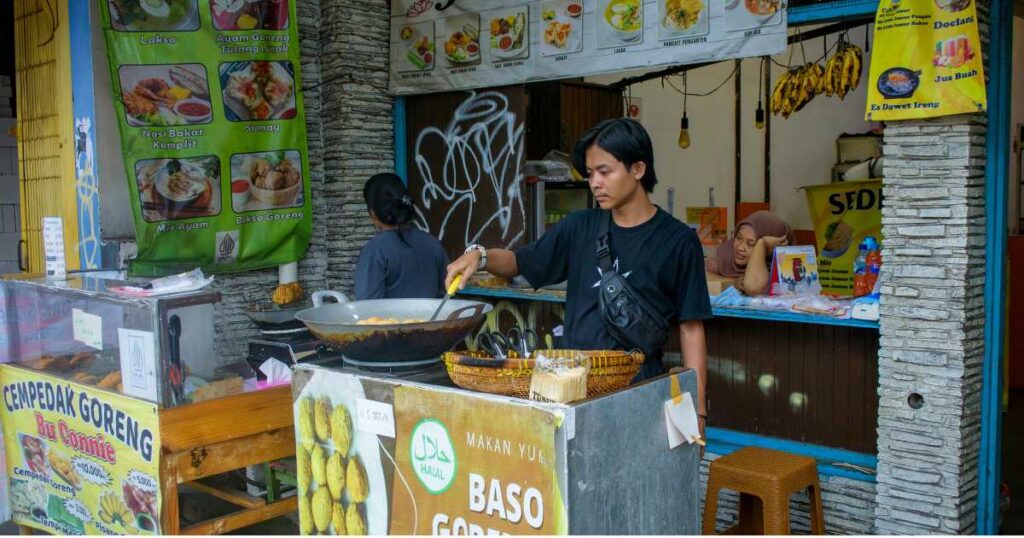
Street food in Indonesia is casual and fun, but it’s also full of small customs that show respect for local culture. Knowing a few basic rules will help you blend in, avoid awkward moments, and enjoy your meals like a true local.
1. Greet the Vendor Politely
Indonesian street food vendors appreciate friendliness. A simple smile and greeting like “Halo” or “Selamat sore” (good afternoon) go a long way. If you’re unsure how to order, don’t worry — locals are patient and often happy to help tourists.
2. Watch Before You Order
If you’re new to a dish, take a moment to watch how it’s prepared and how others are eating it. Some dishes are eaten with a spoon and fork, while others (like satay or fried snacks) are eaten by hand. Observing helps you learn quickly and avoid confusion.
3. Carry Small Cash
Most street food vendors don’t accept cards or large bills. Always carry small notes — Rp 5,000, Rp 10,000, or Rp 20,000 — for easier transactions. Meals typically cost between Rp 10,000–30,000 ($0.60–$2 USD), depending on the city and dish.
4. Be Patient — It’s Part of the Experience
Street stalls can get busy, especially during lunch and dinner. Orders are cooked fresh, so you might wait a few minutes. Use that time to enjoy the sounds, smells, and energy of the street — it’s all part of the magic.
5. Sit Where the Locals Sit
Some travelers hesitate to sit on small plastic stools or share a table with strangers, but that’s the charm of street food Indonesia. Locals love to chat with travelers. You’ll often get great tips about what to try next just by joining them.
6. Try Local Condiments Carefully
Each stall has bottles of sauces and chili paste (sambal). Start small — Indonesian chili can be fiery! Add a little at a time until you find your comfort level.
7. Respect Cleanliness Practices
Use wet wipes or hand sanitizer before eating. If a stall looks unsanitary (unclean utensils, food left in the sun), it’s okay to skip it. Locals often say, “If the line is long, the food is good and safe.”
8. Say Thank You — “Terima kasih”
Always thank the vendor before leaving. It’s a simple gesture of appreciation, and they’ll remember your kindness if you return.
Following these small customs will not only make your meals enjoyable but also connect you with the warm, welcoming spirit of Indonesia’s food culture.
25 Iconic Street Foods Across Indonesia
Indonesia’s street food culture is a delicious reflection of its people — warm, creative, and full of life. Every island and every city has its own signature dishes, passed down through families and perfected by vendors who spend years mastering their craft. From the bustling corners of Jakarta to the quiet beaches of Bali, each bite tells a story about tradition, flavor, and the joy of everyday life. Here are 25 must-try dishes that represent the best of street food Indonesia, along with their origins, ingredients, prices, and where you can find them.
Jakarta – The Capital’s Classic Comfort Foods
1. Soto Betawi
This creamy beef soup is Jakarta’s pride. It’s made from tender beef simmered in coconut milk, infused with aromatic spices like lemongrass, nutmeg, and galangal. The broth is thick and flavorful, best served with rice, lime, and sambal. Locals enjoy it as a hearty lunch or dinner. The soup’s balance of savory and sweet flavors represents the city’s diverse culinary influences. You can find the best version at Soto Betawi Haji Husein in Central Jakarta for about Rp 25,000–35,000 ($1.50–2.50).
2. Kerak Telor
Kerak Telor is a must-try heritage snack from old Batavia (colonial Jakarta). It’s made by mixing sticky rice with duck eggs, dried shrimp, and fried shallots, then cooked over charcoal until crispy. Vendors scrape the edges with a spatula, creating a crunchy, smoky texture that’s both rich and satisfying. You can enjoy it at Monas Park or Kota Tua for around Rp 20,000 ($1.20).
Bandung – The City of Creativity and Spices
3. Seblak
Seblak is one of Bandung’s most famous street foods and a favorite among spice lovers. Made from boiled crackers stir-fried with chili, garlic, vegetables, and egg, it’s chewy, spicy, and packed with flavor. The dish is cooked to order, so you can ask for mild, medium, or extra spicy. It’s best enjoyed fresh off the wok and costs around Rp 15,000–25,000 ($1–2) at Seblak Jeletet Murni in Bandung.
4. Batagor (Bakso Tahu Goreng)
Batagor stands for “fried tofu and fish dumplings.” This crispy delight is served with sweet soy sauce and thick peanut gravy, often topped with lime for freshness. It’s crunchy, nutty, and slightly sweet — a perfect street snack or light meal. Try Batagor Kingsley on Jalan Veteran in Bandung, where locals have lined up for decades. Prices range between Rp 25,000–30,000 ($1.50–2).
Yogyakarta – Sweet, Soulful, and Traditional
5. Gudeg
Yogyakarta’s signature dish, Gudeg, is a sweet jackfruit stew slow-cooked with palm sugar, coconut milk, and aromatic spices. The dish has a unique caramel-like flavor and is usually served with rice, eggs, fried chicken, and spicy sambal krecek. It’s a comforting meal that reflects the city’s gentle, warm culture. You can taste the most authentic version at Gudeg Yu Djum for about Rp 20,000–30,000 ($1.20–2).
6. Wedang Ronde
Wedang Ronde is a traditional ginger drink with sticky rice balls filled with ground peanuts. Served hot, it’s both sweet and slightly spicy, perfect for Yogyakarta’s cool evenings. The aroma of ginger fills the air around Malioboro Street at night as vendors prepare this comforting drink. A bowl costs around Rp 10,000–15,000 ($0.70–1).
Surabaya – Bold, Spicy, and Hearty
7. Rawon
Rawon is a dark beef soup unique to East Java, made with kluwak nuts that give it a deep, earthy flavor and black color. The soup is rich and savory, often served with rice, sprouts, and salted egg. It’s a beloved comfort dish that feels like home cooking. Visit Rawon Setan (literally “Devil’s Rawon”) in Surabaya for the city’s best version at Rp 25,000–35,000 ($1.50–2.50).
8. Lontong Balap
Lontong Balap is a light yet flavorful dish made with rice cakes, bean sprouts, tofu, and sweet soy broth. Vendors sell it from pushcarts along Surabaya’s streets, especially near Kranggan. It’s slightly sweet, smoky, and very filling. A serving costs about Rp 15,000–20,000 ($1–1.30).
Bali – Island Flavors and Fragrant Grills
9. Sate Lilit
Unlike regular satay, Sate Lilit is made from minced fish or chicken mixed with grated coconut, chili, lime leaves, and lemongrass. The mixture is wrapped around bamboo sticks and grilled over coconut husk coals, giving it a smoky, tropical flavor. You can find it at Sanur Night Market or Jimbaran Bay for Rp 20,000–30,000 ($1.20–2).
10. Lawar
Lawar is a traditional Balinese minced meat salad mixed with grated coconut, chili, and herbs. It’s spicy, fresh, and aromatic — often served during religious ceremonies but available in local warungs daily. Try it at Warung Nasi Ayam Ibu Oki in Jimbaran for around Rp 25,000 ($1.50).
Makassar – South Sulawesi’s Savory Treasures
11. Coto Makassar
This thick, hearty soup is made from beef and offal simmered in peanut and spice broth. It’s rich, nutty, and deeply aromatic. Locals eat it with compressed rice cakes called burasa. Try Coto Nusantara in Makassar for Rp 25,000–35,000 ($1.50–2.50).
12. Pisang Epe
A simple yet delicious grilled banana snack flattened and drizzled with palm sugar syrup. Some stalls add chocolate or cheese toppings. It’s sweet, smoky, and best eaten while watching the sunset along Losari Beach for Rp 10,000–15,000 ($0.70–1).
Padang (West Sumatra) – Home of Strong Flavors
13. Rendang
Rendang is perhaps Indonesia’s most famous dish, known worldwide for its deep, spicy, slow-cooked flavor. Beef is simmered in coconut milk and spices for hours until tender and caramelized. Street versions are often served with rice and sambal. You can find authentic rendang at any warung nasi Padang for Rp 30,000–40,000 ($2–2.50).
14. Sate Padang
Skewered meat covered in thick yellow turmeric sauce made from rice flour, chili, and garlic. It’s spicy, tangy, and comforting. It’s best enjoyed on banana leaves with small rice cakes. Try Sate Padang Ajo Ramon in Jakarta or in Padang City for Rp 20,000–25,000 ($1.20–1.70).
Medan – A Blend of Cultures and Flavors
15. Bihun Bebek
A Chinese-Indonesian noodle soup made from thin rice noodles served with sliced duck and a fragrant herbal broth. It’s light yet flavorful, perfect for breakfast. Visit Bihun Bebek Kumango in Medan for Rp 30,000–40,000 ($2–2.50).
16. Martabak Mesir
A thick, crispy pancake stuffed with minced beef, onions, and egg, served with pickles and curry sauce. It’s crunchy on the outside and savory inside — perfect as a night snack. Street vendors in Jalan Zainul Arifin sell the best versions for Rp 20,000–30,000 ($1.20–2).
Manado – The Land of Spice and Soul
17. Tinutuan (Manado Porridge)
This colorful porridge combines rice, corn, pumpkin, and vegetables for a healthy, comforting meal. It’s often paired with fried fish and sambal dabu-dabu (a spicy tomato-chili mix). Find it on Wakeke Street in Manado for Rp 15,000–20,000 ($1–1.30).
18. Panada
Panada is a Manadonese pastry similar to an empanada, filled with spicy tuna or chicken. It’s crunchy, slightly sweet, and perfect for snacking on the go. Buy it from local bakeries or traditional markets in Manado for Rp 10,000–15,000 ($0.70–1).
Pontianak (Borneo) – Riverfront Delights
19. Mie Tiaw Apollo
A beloved stir-fried noodle dish made from flat rice noodles, beef slices, soy sauce, and garlic. It’s smoky, rich, and inspired by Chinese-Indonesian cuisine. The best version is at Mie Tiaw Apollo in Pontianak for Rp 25,000–30,000 ($1.50–2).
20. Es Krim Petrus
Homemade ice cream with tropical flavors like durian, coconut, and avocado, often served in bread. It’s nostalgic, simple, and perfect for a hot day. Visit the old ice cream shop on Jalan Kiai Haji Wahid Hasyim for Rp 10,000 ($0.70).
Malang – East Java’s Soul Food
21. Bakso Malang
Malang’s signature dish is a meatball soup loaded with tofu, noodles, and fried dumplings. The broth is savory, clear, and addictive. Locals eat it any time of day. Try it at Bakso President for Rp 20,000–25,000 ($1.20–1.70).
22. Tempe Mendoan
This simple snack is made from thinly sliced fermented soybean cake dipped in light batter and fried until golden. It’s crispy outside, soft inside, and best enjoyed with spicy soy sauce. Street stalls near Malang’s train station sell it for Rp 5,000–10,000 ($0.30–0.70).
Banjarmasin – Floating Market Flavors
23. Soto Banjar
A traditional chicken soup flavored with nutmeg, cinnamon, and cloves, served with rice cakes and lime. It’s a breakfast favorite sold at riverside markets, especially the floating market of Lok Baintan. A bowl costs around Rp 20,000–25,000 ($1.20–1.70).
24. Ketupat Kandangan
A South Kalimantan specialty made of rice cakes served with grilled fish and rich coconut milk gravy. The dish has a smoky, creamy flavor that’s both comforting and festive. It’s available in Kandangan town for Rp 25,000–30,000 ($1.50–2).
Palembang – The City of Savory Snacks
25. Pempek
Palembang’s most famous dish, Pempek, is a chewy fish cake made from ground fish and tapioca. It’s deep-fried and served with a sweet and tangy vinegar sauce called cuko. There are many versions — from long ones (lenjer) to small stuffed ones (kapal selam). The best Pempek can be found at Pempek Candy or Pempek Vico for Rp 20,000–30,000 ($1.20–2).
From the spicy noodles of Bandung to the smoky satay of Bali and the sweet desserts of Yogyakarta, street food in Indonesia offers an endless adventure of taste and discovery. Every meal feels like a window into the country’s heart — humble, colorful, and unforgettable.
Food Safety Tips for Tourists

Trying street food in Indonesia is one of the best parts of travel, but it’s also important to eat smart so you stay healthy and enjoy every bite without worry. Most street vendors are clean and experienced, but a few basic precautions can help you avoid foodborne issues while still tasting everything you want.
1. Follow the Crowds
The easiest way to spot a trustworthy stall is by its customers. Locals know where the food is safe and fresh. If a vendor has a long line, it’s usually a good sign. High turnover means ingredients don’t sit out for long and dishes are cooked fresh throughout the day.
2. Watch How the Food Is Prepared
Take a few moments to observe how the vendor cooks and serves. Food that’s cooked right in front of you — grilled, boiled, or fried — is almost always safe. Avoid stalls where cooked food is left uncovered or handled without utensils. Clean tools, running water, and gloves are great indicators of hygiene.
3. Choose Hot Over Cold
In Indonesia’s warm climate, hot food is safer than cold food because heat kills bacteria. Dishes like fried noodles, grilled satay, and soups are reliable options. Be careful with ice in drinks unless you’re sure it’s made from filtered water. Many modern vendors now use clean, packaged ice cubes — these are fine to consume.
4. Use Bottled or Filtered Water
Avoid drinking tap water. Always buy bottled water from sealed bottles or refill your reusable bottle at your hotel or a trusted café. When brushing your teeth or washing fruits, try to use filtered water when possible.
5. Bring Hand Sanitizer or Wet Wipes
Before you dig in, clean your hands thoroughly. Many local stalls don’t have handwashing areas, so a small sanitizer or travel wipes will be your best friend. It’s a simple habit that keeps you safe without spoiling the fun.
6. Ease Into the Spice
Indonesia loves chili, and some sambal (chili paste) can be very spicy. Start small until you know your limit. Overdoing it on the first day might leave your stomach upset, so build tolerance gradually. Vendors often make milder versions if you ask — just say, “Tidak pedas, ya?” which means “not spicy.”
7. Eat Fresh Fruits Carefully
Indonesia has amazing tropical fruits — mangoes, papaya, rambutan, and durian. Choose ones that are peeled or cut fresh in front of you. Avoid pre-cut fruits left out for long periods. If you want to be extra cautious, buy whole fruits and wash them yourself.
8. Avoid Raw Salads or Uncooked Sauces
Vegetables that haven’t been cooked might be washed in tap water, which can upset sensitive stomachs. Choose dishes where veggies are stir-fried, boiled, or grilled instead. For sauces, it’s best to stick to freshly made sambal or peanut sauce that’s been cooked.
9. Trust Your Senses
If the food smells off, looks gray, or the oil looks reused and dark, it’s safer to skip that stall. Indonesia has so many vendors that you’ll always find another nearby that looks cleaner and more appealing.
10. Have a “Safe Snack Kit”
Carry easy, safe snacks like crackers, biscuits, or bananas in case you can’t find food that feels right. It’s a lifesaver during long road trips or late-night hours when choices are limited.
By following these simple steps, you can enjoy Indonesia’s vibrant street food scene with peace of mind. Eating on the street isn’t risky when you stay alert — it’s a way to connect with locals, try new flavors, and experience the true soul of the country.
Budget Guide for Street Food in Indonesia
One of the best things about exploring street food Indonesia is how affordable it is. You can eat like a king on a backpacker’s budget while enjoying authentic local flavors. Prices vary slightly from city to city, but overall, Indonesia’s street food offers amazing value for money. Below is a simple budget guide with typical price ranges and what you can expect for each meal type.
1. Average Price Ranges
A standard street meal in Indonesia costs between Rp 10,000–35,000 ($0.60–$2.50 USD). Drinks usually cost Rp 5,000–15,000 ($0.30–$1). Desserts or snacks are even cheaper, often under Rp 10,000 ($0.60). The most expensive dishes are seafood-based items or large combo meals that include rice, side dishes, and drinks.
Here’s a general breakdown of what you can expect:
| Category | Example Dishes | Average Price (Rp) | Average Price (USD) | Notes |
|---|---|---|---|---|
| Breakfast Snacks | Bubur Ayam, Lontong Sayur, Pisang Goreng | 10,000–15,000 | 0.60–1 | Light, quick, and sold from early morning carts |
| Hearty Meals | Nasi Goreng, Mie Goreng, Bakso, Soto Betawi | 20,000–35,000 | 1.20–2.50 | Filling meals usually served with rice or noodles |
| Regional Favorites | Gudeg, Rendang, Coto Makassar, Sate Lilit | 25,000–40,000 | 1.50–2.70 | Found in local warungs or popular street food centers |
| Snacks & Sweets | Martabak, Pisang Epe, Es Cendol, Klepon | 5,000–15,000 | 0.30–1 | Great for desserts or light bites between meals |
| Drinks | Teh Manis (sweet tea), Kopi Tubruk, Juice | 5,000–15,000 | 0.30–1 | Always ask for less sugar if you prefer mild sweetness |
2. How to Save Money While Eating Street Food
- Eat where locals eat. Small stalls and warungs (local eateries) often charge local prices, which are lower than tourist areas.
- Avoid high-end markets or malls. Even though they look cleaner, prices there can be double those of regular street vendors.
- Ask for “nasi campur.” This means mixed rice — you get rice with small portions of meat, vegetables, and sambal for a fair price.
- Share meals or order small portions. Some Indonesian dishes come in generous servings; splitting with a friend lets you try more dishes for less money.
- Carry small change. Many vendors can’t break large bills, so having Rp 5,000 or Rp 10,000 notes ready makes paying easier.
3. Street Food Centers Worth Visiting
If you want to try a variety of dishes in one place, visit a food court or night market (pasar malam). You’ll find several stalls with local favorites at standard prices.
- Jakarta: Sabang Street and Blok M Square – affordable and diverse options.
- Yogyakarta: Malioboro Street – best for traditional snacks and drinks.
- Bali: Sanur Night Market – great mix of seafood and grilled skewers.
- Medan: Merdeka Walk – clean and popular among locals and travelers.
- Surabaya: G-Walk in Citraland – modern yet authentic local dining atmosphere.
4. Daily Food Budget Estimate
If you plan to eat street food for most of your meals, here’s a realistic daily estimate:
- Breakfast: Rp 15,000 ($1)
- Lunch: Rp 25,000 ($1.70)
- Dinner: Rp 30,000 ($2)
- Snacks and Drinks: Rp 15,000 ($1)
That totals around Rp 85,000–100,000 per day ($5–6 USD) for three full meals plus snacks — far cheaper than eating in restaurants while offering a more authentic local experience.
Street food in Indonesia proves that you don’t need a big budget to eat well. Every rupiah spent supports local families, and every meal gives you a taste of Indonesia’s heart.
Cultural Meaning Behind Certain Dishes

Indonesian street food is more than just something to eat — it’s a reflection of history, family traditions, and shared identity. Every dish you taste has a story, often tied to local beliefs, community gatherings, or ancient customs that continue today. Understanding the cultural meaning behind some of these foods helps you see how deeply connected food is to the soul of Indonesia.
1. Gudeg – A Symbol of Patience and Sweet Life (Yogyakarta)
Gudeg, the slow-cooked jackfruit stew from Yogyakarta, is more than a local delicacy — it’s a symbol of patience and harmony. The dish takes hours to prepare, as young jackfruit is simmered in coconut milk and palm sugar until it turns deep brown and tender. Locals say Gudeg represents the Javanese philosophy of “alon-alon asal kelakon” — take things slowly but surely. Its sweet flavor mirrors the polite, gentle character of Yogyakarta’s people, who believe that calmness and kindness are life’s key spices.
2. Rendang – Unity and Strength in Tradition (Minangkabau, West Sumatra)
Rendang is not just food; it’s a cultural statement. Originating from the Minangkabau people of West Sumatra, Rendang is cooked during special occasions such as weddings, festivals, and family gatherings. The long, slow cooking process reflects the community’s value of patience and endurance, while the mix of coconut milk and strong spices represents unity among diversity. In traditional ceremonies, Rendang also symbolizes honor and respect — serving it to guests is a sign of welcome and deep appreciation.
3. Sate – Togetherness and Celebration (Across Indonesia)
Sate (skewered grilled meat) is one of Indonesia’s most beloved street foods, enjoyed at gatherings, birthdays, and celebrations. It’s the kind of food that brings people together because it’s easy to share and often cooked outdoors while chatting and laughing. In Javanese culture, Sate is considered a social dish — it connects people from different backgrounds through one universal pleasure: grilled meat over open fire. The act of turning the skewers and fanning the charcoal symbolizes teamwork and togetherness.
4. Lawar – Ritual Food of Balance (Bali)
In Bali, Lawar — a mix of minced meat, grated coconut, and spices — carries deep spiritual meaning. Traditionally, it’s served during temple ceremonies and village rituals. The mix of ingredients represents the balance of life: spicy and mild, soft and crunchy, male and female energy. Balinese Hindus see food as part of the cycle of offerings — something to be shared with both people and gods. Before meals, locals often place a small portion of Lawar on banana leaves as an offering (canang sari) to show gratitude.
5. Coto Makassar – Brotherhood and Respect (South Sulawesi)
Coto Makassar, a rich peanut-based beef soup, is tied to the Bugis-Makassar culture of hospitality. It’s commonly served to guests during family visits or important meetings. The dish’s thick, layered flavors symbolize loyalty and depth in relationships. Sharing a bowl of Coto is an act of friendship, a quiet way of saying, “You are welcome in my home.”
6. Pempek – Resilience and Adaptation (Palembang, South Sumatra)
Pempek, the chewy fish cake from Palembang, tells a story of survival and creativity. It was created by fishermen who wanted to use leftover fish efficiently. By mixing it with tapioca flour, they made a durable, delicious snack that lasted longer. Over time, Pempek became a city symbol — a reminder of how locals turn simple resources into something meaningful. The vinegar sauce (cuko) represents life’s balance: sweet, sour, and spicy — just like the challenges of living by the river.
7. Soto – Warmth and Comfort in Diversity (All Over Indonesia)
Soto, a local-style soup, exists in nearly every province with its own twist — Soto Betawi in Jakarta, Soto Banjar in Kalimantan, Soto Lamongan in East Java. This variation shows Indonesia’s diversity and unity at once. No matter where you go, Soto feels familiar. Locals often say that eating Soto is like returning home, no matter how far you’ve traveled. It’s the meal people crave when they miss family warmth.
8. Pisang Epe – Simplicity and Joy (Makassar)
Grilled banana topped with palm sugar syrup might sound simple, but in Makassar it holds nostalgic value. It reminds locals of childhood evenings spent along Losari Beach, chatting with friends and enjoying the sunset. Pisang Epe stands for “happiness in simplicity” — proof that joy doesn’t always need fancy ingredients, just good company and sweet moments.
9. Nasi Campur – Unity in Diversity (All Over Indonesia)
Literally meaning “mixed rice,” Nasi Campur represents Indonesia’s national motto, “Bhinneka Tunggal Ika” — Unity in Diversity. Each serving includes rice with small portions of vegetables, meats, and sambal from different culinary traditions. It’s a reminder that the beauty of Indonesia lies in variety. Every bite tells a different story, just like the people who make up this archipelago.
10. Martabak – Generosity and Sharing (Across Indonesia)
Martabak, whether sweet or savory, is rarely eaten alone. Families or friends buy one large portion and cut it into pieces to share. The dish itself symbolizes generosity and community. Street vendors work late into the night, and many locals stop by after work to bring home a box of Martabak for their loved ones. In a way, it represents the Indonesian value of “gotong royong” — sharing blessings and supporting each other.
These cultural meanings remind travelers that in Indonesia, eating is not just about taste but also about connection — to people, nature, and tradition. Each dish carries the story of a community that keeps its heritage alive through flavor and ritual.
This table helps readers quickly understand how each dish connects to local traditions and values.
| Dish Name | Region / Origin | Cultural Meaning | Symbolism or Local Belief |
|---|---|---|---|
| Gudeg | Yogyakarta (Central Java) | Symbol of patience and sweetness | Reflects the Javanese philosophy “alon-alon asal kelakon” — slow and steady wins the race |
| Rendang | West Sumatra (Minangkabau) | Represents unity, endurance, and respect | Cooked for long hours to symbolize strength, harmony, and deep family bonds |
| Sate (Satay) | Found across Indonesia | Sign of togetherness and celebration | Often cooked and shared in groups during gatherings, showing community spirit |
| Lawar | Bali | Spiritual balance and offerings | Symbolizes harmony between humans, nature, and gods; used in temple ceremonies |
| Coto Makassar | South Sulawesi | Hospitality and brotherhood | Shared during visits and celebrations as a gesture of warmth and respect |
| Pempek | Palembang (South Sumatra) | Creativity and resilience | Invented by fishermen using simple resources, symbolizing adaptability |
| Soto (Various types) | Nationwide | Comfort and family unity | Represents diversity through its regional variations — every family has its own version |
| Pisang Epe | Makassar (Sulawesi) | Simplicity and joy | Nostalgic dessert enjoyed at sunset; represents happiness in small moments |
| Nasi Campur | Across Indonesia | Unity in diversity | Reflects Indonesia’s national motto “Bhinneka Tunggal Ika” — different but united |
| Martabak | Java & Sumatra | Generosity and sharing | A communal food that symbolizes care and togetherness, often shared with family or friends |
This section will connect the dots between each dish, its history, and the values it represents in Indonesian daily life.
1. Gudeg – A Symbol of Patience and Sweet Living (Yogyakarta)
Gudeg is one of the most iconic dishes from Yogyakarta and represents the gentle, patient spirit of Javanese culture. It is made from young jackfruit slowly simmered for hours in coconut milk, palm sugar, and spices until it turns brown and sweet. The process cannot be rushed — it takes time and care. Locals often say Gudeg teaches the value of “alon-alon asal kelakon”, meaning “slowly but surely.” Its soft texture and sweetness mirror the calm, polite, and harmonious nature of Yogyakarta’s people. Families often prepare Gudeg together for special events, showing that patience and love make food — and life — more meaningful.
2. Rendang – Strength, Unity, and Respect (Minangkabau, West Sumatra)
Rendang is a dish that tells the story of the Minangkabau people’s strength and unity. Made by slow-cooking beef in coconut milk and a rich mix of herbs and spices, Rendang can take up to eight hours to prepare. The long cooking time symbolizes endurance and perseverance. In Minangkabau tradition, Rendang is served during weddings, ceremonies, and family gatherings as a gesture of respect and honor for guests. The harmony of spices represents the idea of unity in diversity — each ingredient different, yet together creating balance. Rendang isn’t just food; it’s a symbol of love, patience, and cultural pride.
3. Sate – Togetherness and Celebration (Across Indonesia)
Sate, or Satay, is one of Indonesia’s most popular street foods and a dish that brings people together. It consists of small pieces of meat — chicken, lamb, beef, or fish — grilled on skewers over charcoal and served with peanut or soy sauce. Beyond its taste, Sate is a dish of community and joy. It’s often prepared during festivals, family gatherings, or celebrations where people cook, laugh, and eat together. In many places, Sate symbolizes friendship and shared happiness. The aroma of charcoal smoke and sizzling meat is a familiar comfort across the country — a reminder that the best meals are the ones enjoyed together.
4. Lawar – The Spiritual Balance of Life (Bali)
Lawar, a famous Balinese minced meat salad mixed with grated coconut, herbs, and spices, carries deep religious significance. It is closely tied to Balinese Hindu rituals and is often prepared for temple offerings and ceremonies. Each ingredient has meaning: red chili for strength, coconut for purity, and lime leaves for cleansing. Before meals, Balinese families offer a small portion of Lawar to the gods on banana leaves, as a symbol of gratitude. The dish represents Tri Hita Karana — the Balinese philosophy of harmony between humans, nature, and the divine. Lawar reminds people that balance and respect sustain not just flavor, but life itself.
5. Coto Makassar – Brotherhood and Generosity (South Sulawesi)
Coto Makassar, a rich and hearty soup made with beef, peanuts, and local spices, reflects the Makassarese values of friendship and hospitality. Traditionally, it’s cooked in large pots and shared with neighbors or guests during celebrations. The layered flavors of the soup symbolize loyalty and depth in relationships. Sharing a bowl of Coto is an expression of warmth — a quiet way of saying, “You’re welcome here.” It is more than a meal; it is an act of connection and generosity that defines the people of South Sulawesi.
6. Pempek – Resilience, Creativity, and Adaptation (Palembang, South Sumatra)
Pempek, the chewy fish cake from Palembang, is a dish born from resourcefulness. Centuries ago, fishermen created it to preserve leftover fish by mixing it with tapioca and frying it. This simple innovation became one of Indonesia’s most beloved street foods. The tangy, spicy vinegar sauce (cuko) represents life’s balance — sweet, sour, and spicy — just like the struggles and joys of daily life. Today, Pempek stands as a symbol of Palembang’s creativity and resilience, showing that with ingenuity, even humble beginnings can create something extraordinary.
7. Soto – Family Warmth and Cultural Diversity (All Over Indonesia)
Soto is not just one dish — it’s a family of soups found in every region of Indonesia, each with its own story. Soto Betawi from Jakarta uses creamy coconut milk, Soto Banjar from Kalimantan uses fragrant spices, and Soto Lamongan from East Java is clear and light. Despite their differences, every Soto represents comfort, warmth, and home. It’s the meal Indonesians crave when they’re far from family. The diversity of Soto mirrors Indonesia’s own diversity — thousands of islands and cultures, all connected by one shared sense of belonging.
8. Pisang Epe – Joy in Simplicity (Makassar)
Pisang Epe is a sweet, simple dessert made by grilling ripe bananas, pressing them flat, and topping them with palm sugar syrup. It’s the taste of nostalgia for Makassar locals, who gather along Losari Beach to enjoy it while watching the sunset. The dish symbolizes joy found in simple things — friendship, laughter, and community. Pisang Epe reminds people that happiness doesn’t come from complexity or luxury, but from moments shared with others.
9. Nasi Campur – Unity in Diversity (Across Indonesia)
Nasi Campur, which translates to “mixed rice,” is one of the best culinary reflections of Indonesia’s national motto, Bhinneka Tunggal Ika — “Unity in Diversity.” Each plate combines rice with small portions of meat, vegetables, tofu, tempeh, and sambal, offering a balance of sweet, spicy, salty, and sour. Every region has its own version, yet they all celebrate the same idea: differences can live together harmoniously. Nasi Campur represents Indonesia’s multicultural spirit — one plate, many flavors, one nation.
10. Martabak – Generosity and Sharing (Across Java and Sumatra)
Martabak, both savory (Martabak Telur) and sweet (Martabak Manis), is one of Indonesia’s most loved night snacks and a symbol of togetherness. It’s made in large, thick portions filled with meat, egg, or sweet ingredients like chocolate, cheese, and peanuts, and always cut into slices for sharing. People often buy Martabak in the evenings to bring home for family, neighbors, or friends. This tradition reflects the Indonesian value of gotong royong — cooperation, caring, and sharing with others. Martabak embodies the warmth of Indonesian hospitality and the belief that joy multiplies when shared.
Also Read: Eco-Tourism in Indonesia: How to Travel Responsibly in 2025
FAQs
1. What is the best street food in Indonesia for first-time visitors?
If you’re new to Indonesia, start with Nasi Goreng (fried rice), Sate (grilled meat skewers), and Soto (local soup). These dishes are popular across the country, easy to find, and generally mild in flavor. They’re perfect introductions to Indonesia’s street food culture.
2. Is it safe to eat street food in Indonesia?
Yes, it’s safe as long as you choose busy stalls where food is cooked fresh. Look for vendors with many local customers, clean utensils, and freshly made dishes. Avoid stalls that leave food uncovered for long periods.
3. What is the average cost of street food in Indonesia?
Most street food dishes cost between Rp 10,000–35,000 (about $0.60–$2.50 USD). Even with drinks and snacks, you can enjoy a full meal for less than $5. Prices can vary slightly depending on the city and location.
4. Are there vegetarian or vegan street food options in Indonesia?
Yes, there are many. Try Gado-Gado (vegetable salad with peanut sauce), Tempe Mendoan (fried fermented soybeans), Ketoprak (tofu and noodles with peanut sauce), and Nasi Uduk (coconut rice). Always ask vendors if the dish includes eggs or shrimp paste (terasi) if you want to avoid them.
5. What is the spiciest Indonesian street food?
Dishes from Padang, Manado, and Bandung are known for their heat. Try Sambal Matah from Bali, Rendang from West Sumatra, or Seblak from Bandung if you enjoy strong spicy flavors. Always ask for a mild version if you’re not used to Indonesian chili levels.
6. Can I find halal street food in Indonesia?
Yes, most street food in Indonesia is halal, especially in Muslim-majority areas such as Java, Sumatra, and Kalimantan. However, in Bali, where Hindu culture dominates, pork-based dishes like Babi Guling are common. Always ask the vendor if you’re unsure.
7. What time is best for eating street food in Indonesia?
Street food stalls are busiest in the evening, especially between 6 PM and 10 PM. Morning markets also offer breakfast options like Bubur Ayam (chicken porridge) and Lontong Sayur (rice cakes with vegetables). Night markets (pasar malam) are perfect for tasting multiple dishes at once.
8. How can tourists avoid getting sick from street food?
Eat food that’s hot and freshly cooked, drink bottled water, and wash or sanitize your hands before eating. Avoid ice in drinks unless it’s made from filtered water. Following these simple habits keeps you safe while enjoying local flavors.
9. What are must-visit places for street food lovers in Indonesia?
Try Jalan Sabang and Blok M in Jakarta, Malioboro Street in Yogyakarta, Sanur Night Market in Bali, and Merdeka Walk in Medan. Each city has its own famous food streets filled with delicious, authentic flavors.
10. Why is street food important in Indonesian culture?
Street food represents community, tradition, and creativity. It brings people together — from office workers to students and travelers. Each dish tells a story about the region it comes from, making food one of the best ways to understand Indonesia’s rich culture.
Conclusion
Street food in Indonesia is more than just a quick bite — it’s a journey through history, tradition, and the heart of the people. Every dish, from the sweet warmth of Gudeg in Yogyakarta to the spicy kick of Rendang in West Sumatra, tells a story about patience, creativity, and unity. These foods are living symbols of how Indonesia celebrates its culture — through flavors shared in small stalls, laughter between strangers, and meals eaten under open skies.
When you explore Indonesia through its street food, you experience the country’s diversity in the most personal way. Each province, island, and city adds its own touch — unique spices, cooking styles, and stories that together create a beautiful mosaic of taste. Eating street food connects you directly to the locals, to their daily rhythm, and to their generous spirit that always welcomes newcomers with a smile and a plate of something delicious.
So when you visit Indonesia, let your curiosity guide your appetite. Walk the bustling markets, follow the aroma of grilled satay, and don’t hesitate to sit with locals and share a meal. You’ll discover that street food here isn’t just about eating — it’s about belonging. In every bite, you taste the warmth, kindness, and togetherness that make Indonesia truly unforgettable.