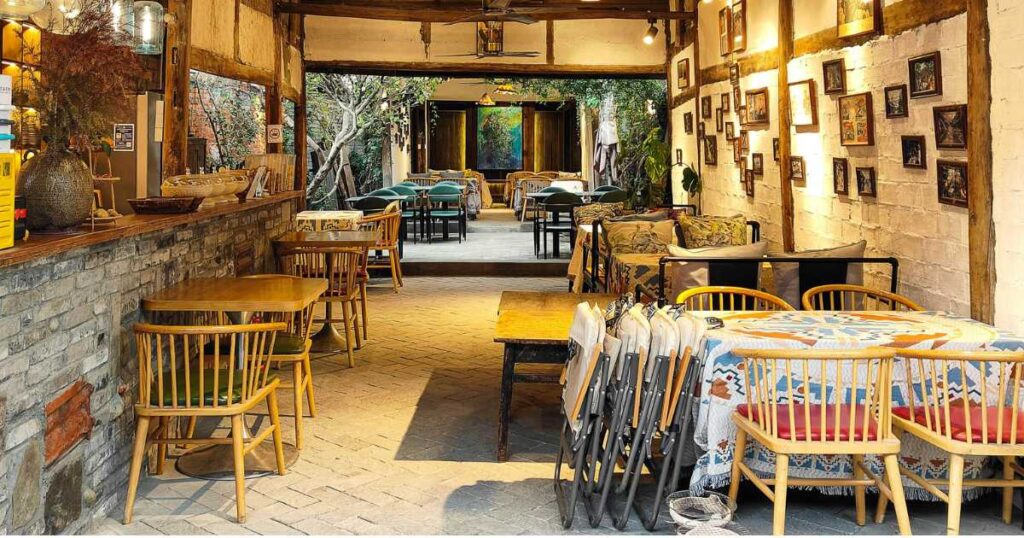
If coffee is your love language, Yogyakarta will feel like home. This yogyakarta coffee guide takes you from old-school street brews to modern micro-roasters and laptop-friendly cafés where ideas flow as easily as espresso. Think cozy corners, friendly baristas, affordable cups, and a creative scene that makes every café hop feel special.
Yogya’s coffee story is layered. You’ll see charcoal-kissed kopi joss near the station, hand-poured single origins in minimalist spaces, and bustling student cafés serving reliable Wi-Fi with your flat white. Prices are kind, the vibe is warm, and the variety is huge — perfect for travelers, digital nomads, and anyone chasing a memorable cup.
In this guide, you’ll discover standout local roasters, the best cafés for remote work (with real tips on Wi-Fi, outlets, and noise), and unique brews to try safely. We’ll also cover simple ordering phrases, what to bring home, the best times to café-hop, and a one-day coffee trail you can follow on foot.
Yogyakarta’s Coffee Revolution
Yogyakarta’s love affair with coffee runs deep. Long before latte art and espresso machines arrived, locals were already sipping kopi tubruk — a strong, unfiltered brew served with a spoonful of sugar and thick grounds at the bottom of the cup. This humble drink fueled conversations in warungs (street cafés), art studios, and late-night student hangouts long before “specialty coffee” became a trend.
Today, that same passion has evolved into a full-blown coffee revolution. The city is now dotted with creative roasters, third-wave cafés, and experimental brewers who blend local tradition with modern craft. What makes it even more special is the mix — heritage recipes meet international techniques, all wrapped in Yogyakarta’s artistic soul.
From Street Brews to Specialty Beans
Around the early 2000s, young entrepreneurs and baristas began experimenting with locally grown beans from Central Java and Sumatra. They wanted to prove that Indonesian coffee could match international standards. This movement gave birth to cafés that roast their own beans, perfect their pour-overs, and highlight single-origin flavors from nearby regions like Temanggung and Wonosobo.
Yogyakarta quickly became a hub for creative coffee. Its strong student and artist community embraced it, turning cafés into hubs of discussion, music, and digital work. Unlike Jakarta’s fast-paced café culture, Yogya’s scene is relaxed — more about connection and craft than show.
The Role of Local Roasters
Local roasters played a huge role in shaping this revolution. They began sourcing beans directly from small farmers, paying fair prices, and roasting in small batches. This not only improved quality but also supported sustainability. Some cafés even teach visitors about roasting, cupping, and brewing — turning coffee into a shared experience rather than just a drink.
A Blend of Tradition and Innovation
Despite the rise of modern cafés, traditional street coffee hasn’t disappeared. In fact, it thrives alongside the new wave. It’s common to see a kopi joss stall — where hot charcoal is dropped into your cup — just meters away from a minimalist espresso bar. That balance of old and new is what defines Yogyakarta’s unique coffee identity.
Yogya’s coffee revolution isn’t about chasing trends; it’s about preserving its soul while welcoming change.
Must-Visit Local Roasters in Yogyakarta
If you love your coffee freshly roasted, rich in flavor, and full of character, Yogyakarta will not disappoint. The city is home to a new generation of passionate roasters who are redefining how Indonesians drink coffee. Each place has its own story — from modern urban labs experimenting with precision roasting to traditional cafés that still brew coffee over open fires. Below are some of the most beloved local roasters that showcase why this city has become the caffeine capital of Central Java.
1. Senyawa Coffee
Nestled in the artistic neighborhood of Prawirotaman, Senyawa Coffee feels more like a creative workshop than a regular café. The name “Senyawa” means “compound” or “element,” perfectly reflecting their approach to blending art and coffee. They roast in small batches using beans from Java, Flores, and Sulawesi, ensuring each cup captures Indonesia’s diversity of flavor.
The owners work directly with farmers in Temanggung and Bajawa to source ethically and roast with care. Inside, the café’s minimalist décor — concrete walls, warm wood, and subtle lighting — creates a calm space where you can actually smell the roasting process. Locals often say the V60 Flores Bajawa here has one of the most balanced flavor profiles in the city, offering hints of chocolate and roasted nuts. If you prefer something stronger, their espresso Bali Kintamani is a bright, citrusy wake-up call.
What makes Senyawa Coffee stand out is their personal touch. Baristas are eager to explain roast levels, bean origins, and even brewing methods, making every visit feel like a short masterclass. It’s a must for travelers who appreciate detail and authenticity in their cup.
2. No Sleep Club
Don’t let the playful name fool you — No Sleep Club is serious about coffee. Located not far from Tugu Station, this café has become a go-to for night owls, students, and digital nomads looking for a good brew after dark. The atmosphere is modern but relaxed, with dim lighting, lo-fi music, and the constant hum of grinders in the background.
Their beans are sourced from across Indonesia — Aceh Gayo, Java Preanger, and Toraja — and roasted in-house to match each brew style. The flat white and cold brew are local favorites, known for their creamy texture and bold, clean flavor. Baristas here have a knack for consistency; every cup tastes just as good as the last.
Aside from great coffee, No Sleep Club is designed for productivity. It has strong Wi-Fi, plenty of outlets, and comfortable seating that encourages you to stay awhile. It’s common to see freelancers typing away with a cup of Kopi Susu Gula Aren (palm sugar coffee) by their side.
3. Simetri Coffee Roasters
Simetri Coffee Roasters is one of Yogyakarta’s pioneers in the third-wave coffee movement. Founded by a group of local baristas and entrepreneurs, Simetri combines professionalism with creativity. They roast their own beans, teach barista skills, and host cupping sessions that invite both locals and visitors to explore flavor differences between beans.
The café itself is open and spacious, featuring long wooden tables perfect for group discussions or laptop work. The staff’s dedication to quality is evident in every cup. Try their Simetri Blend, a smooth medium roast with caramel and cocoa undertones that pairs beautifully with their banana bread. For a lighter, fruitier option, the Ethiopian single origin pour-over highlights Yogyakarta’s growing appreciation for global beans.
What makes Simetri special is its educational vibe — you don’t just drink coffee here, you learn about it. The staff explains everything from roasting temperatures to extraction times in a way that’s easy to understand. It’s the perfect stop if you’re curious about the science behind your brew.
4. Kopi Klotok
A trip to Yogyakarta wouldn’t be complete without visiting Kopi Klotok, a living piece of Javanese coffee history located in Pakem, near the foot of Mount Merapi. Unlike trendy cafés, Kopi Klotok is rustic, traditional, and proudly old-fashioned. Coffee here is brewed in clay pots over wood fires, producing a deep, earthy aroma and a slightly smoky flavor that’s unlike anything else in the city.
The name “klotok” refers to the sound made by boiling coffee in these pots. Locals gather here early in the morning or during cool afternoons to sip kopi tubruk (unfiltered coffee) and snack on pisang goreng (fried banana) or tempe mendoan (crispy fermented soy). The setting is peaceful — wooden tables facing rice fields, roosters crowing nearby, and the occasional breeze carrying the scent of fresh rain.
This café represents the heart of Javanese hospitality. There’s no Wi-Fi or fancy menu, just honest food, warm smiles, and coffee that connects generations. Kopi Klotok isn’t just a place to drink coffee — it’s an experience that slows time down.
5. Klinik Kopi
Hidden in a quiet corner of Sleman, Klinik Kopi is a must-visit for serious coffee lovers. It operates more like a coffee lab than a café, focusing purely on the craft of brewing. The owner, known locally as Pak Pepeng, roasts beans on-site and serves each cup with a personal story about its farmer and origin.
There’s no sugar, no milk, and no Wi-Fi — only pure coffee and conversation. Visitors are encouraged to sit, listen, and learn as they taste different single-origin brews from all over Indonesia. The menu changes regularly depending on what’s freshly roasted, making each visit unique.
Klinik Kopi’s philosophy is simple: coffee is about people. Their transparent process and small-scale approach have made them one of the most respected names in Yogyakarta’s coffee scene. If you’re a coffee purist, this is where you’ll find your best cup in the city.
Each of these roasters reflects Yogyakarta’s diverse coffee personality — from artistic and modern to traditional and soulful. Visiting them isn’t just about drinking coffee; it’s about understanding how the city blends heritage, creativity, and human connection into every cup.
Best Cafés for Remote Work in Yogyakarta

Yogyakarta isn’t just a cultural and artistic hub — it’s also one of Indonesia’s most comfortable cities for remote work. Thanks to its mix of creativity, affordability, and strong café culture, digital nomads, writers, and students often call it their “temporary office.” Whether you’re looking for quiet study spots or stylish spaces with reliable Wi-Fi, this Yogyakarta coffee guide has the perfect list of cafés that make working enjoyable and productive.
1. Simetri Coffee Roasters (Suryodiningratan)
While it’s known for its coffee craftsmanship, Simetri Coffee Roasters is also a fantastic co-working café. The interior is bright and open, filled with natural light that helps keep you focused. There are plenty of tables with outlets, and the Wi-Fi is fast enough for Zoom meetings or uploads.
They play gentle background music, making it easy to concentrate without distraction. The coffee is top-tier — try their espresso tonic or manual brew single origin — and they also serve comfort food like sandwiches and fried rice for longer work sessions.
Why it’s great for work: Spacious tables, fast Wi-Fi, quiet crowd, and consistently good coffee.
2. Ekologi Coffee and Cowork
If you’re looking for a café designed for remote work, Ekologi Coffee and Cowork in Pogung is the gold standard. It’s part coffee shop, part co-working hub, with indoor and outdoor areas surrounded by greenery. Many freelancers, students, and travelers spend full days here working comfortably.
The café serves freshly brewed coffee made from local beans and has a full food menu — from brunch bowls to pasta. The Wi-Fi is strong, the chairs are ergonomic, and there’s even a meeting room if you’re collaborating with others.
Why it’s great for work: It’s purpose-built for productivity with good seating, strong Wi-Fi, and all-day dining.
3. No Sleep Club
For night owls and late workers, No Sleep Club lives up to its name. Open until midnight, this café near Tugu Station is ideal for those who get their best ideas after dark. It has a laid-back industrial vibe, comfortable seating, and soft lighting that makes it easy to relax into your tasks.
Their coffee is strong and consistent — especially the cold brew and flat white. The Wi-Fi connection remains stable even during busy hours, and the staff are used to customers staying long, so there’s no pressure to rush.
Why it’s great for work: Late-night hours, strong coffee, and a creative, quiet environment.
4. Filosofi Kopi Jogja
Inspired by the famous Indonesian film Filosofi Kopi, this café near Jl. Pandhangan brings storytelling into the world of coffee. It’s a favorite among students and freelancers who enjoy a peaceful place to think and work.
The space is cozy but filled with personality — with walls covered in quotes about life and coffee. Their Wi-Fi is dependable, and they serve great local brews, including the signature Ben’s Blend and Lestari Latte. There’s also plenty of seating both indoors and outdoors, depending on your work style.
Why it’s great for work: Relaxed creative vibe, dependable Wi-Fi, and inspiring atmosphere.
5. Tujuan Café and Space
Located in the Demangan area, Tujuan Café is a modern minimalist café that has quickly become a favorite among local freelancers. Its name, which means “destination,” fits perfectly — people come here with purpose. The café has long tables, comfortable chairs, and strong air conditioning, making it ideal for long working hours.
They serve a mix of espresso-based and manual brew coffees, as well as fresh juices and pastries. The background music is low and calming, and the staff are friendly but not intrusive.
Why it’s great for work: Minimalist layout, quiet ambiance, and plenty of outlets.
6. Klinik Kopi (for a Mindful Break)
While Klinik Kopi isn’t a traditional workspace, it’s perfect for those who want to take a mindful break from screens. The café focuses on slow coffee — one cup brewed at a time — and invites customers to sit, taste, and listen. There’s no Wi-Fi, no rush, and no distraction. It’s the ideal spot for creative reflection or writing in your notebook between online work sessions elsewhere.
Why it’s great for work: A tech-free zone that helps recharge your focus and creativity.
If you’re a traveler or remote worker, Yogyakarta’s cafés offer the perfect rhythm — affordable drinks, peaceful spaces, and a balance of culture and comfort. You can easily spend an entire day café-hopping while getting real work done.
Unique Local Brews in Yogyakarta
Yogyakarta’s coffee scene doesn’t stop at cappuccinos and pour-overs. Here, you’ll find unique local brews that tell stories of heritage, creativity, and experimentation. These are the drinks that make this Yogyakarta coffee guide truly special — beverages that you won’t find anywhere else in the world. Whether you’re a coffee purist or an adventurous drinker, Yogya’s signature concoctions deserve a spot on your must-try list.
1. Kopi Joss — The Charcoal Coffee Legend
You can’t talk about Yogyakarta coffee without mentioning Kopi Joss. This local icon is unlike anything else — a cup of strong, black kopi tubruk served with a burning piece of charcoal dropped directly into it. The sizzling sound gives it the name “Joss,” a Javanese onomatopoeia for something sharp or sizzling.
Invented by a street vendor near Tugu Station decades ago, Kopi Joss is said to neutralize acidity and add a smoky sweetness to the coffee. Locals believe it soothes the stomach after a heavy meal. It might sound strange, but the taste is surprisingly smooth and earthy — and the experience of watching it being made is pure theater.
Where to try it: The original stalls near Angkringan Lik Man, close to Tugu Train Station.
2. Kopi Arang — The Rural Cousin of Kopi Joss
While Kopi Joss is Yogyakarta’s star, nearby rural areas brew their own twist called Kopi Arang. The concept is similar — coffee mixed with charcoal — but the preparation is more rustic. The charcoal used is made from coconut shells, and the coffee is boiled in a pot instead of brewed per cup.
The result is darker, heavier, and more traditional. It’s often enjoyed in small villages or roadside stalls (warung kopi), especially in cooler highland areas like Kaliurang. It’s best sipped slowly while chatting with locals or watching the mountain mist roll in.
Where to try it: Small warung kopi in Pakem or along the road to Mount Merapi.
3. Kopi Tubruk — The Classic Everyday Brew
Every Javanese home knows Kopi Tubruk. It’s the foundation of Yogyakarta’s coffee culture — strong, unfiltered, and simple. The recipe is timeless: coarsely ground coffee, a spoonful of sugar, and hot water poured directly over it. No filters, no machines, just pure flavor.
Locals drink it throughout the day, often served in glass cups at roadside stalls or family gatherings. It’s thick, bold, and usually leaves coffee grounds at the bottom — a sign that it’s brewed the traditional way.
Where to try it: Kopi Klotok in Kaliurang or traditional warungs around Malioboro Street.
4. Kopi Herbal Jawa — The Healing Blend
For something different, try Kopi Herbal Jawa, a blend of coffee with traditional Javanese herbs like ginger, turmeric, or cloves. It’s believed to boost energy and balance the body’s warmth, especially during cold evenings. Some cafés and herbal shops in Yogya create their own secret mixes, resulting in brews that are both aromatic and comforting.
This is the perfect drink for travelers looking for something mild, caffeine-friendly, and uniquely Javanese.
Where to try it: Wedang Kopi Prambanan or Warung Kopi Klotok.
5. Cold Brew and Fusion Experiments
Modern Yogyakarta cafés are pushing boundaries with cold brews infused with local ingredients. Expect to find drinks like kopi gula aren (palm sugar coffee), kopi susu pandan (coffee with pandan-infused milk), and espresso tonic served with a slice of lime. These drinks represent the city’s creative side — baristas blending tradition with modern flair.
Where to try it: No Sleep Club, Senyawa Coffee, or Tujuan Café.
Yogyakarta’s local brews show that coffee here isn’t just a beverage — it’s a reflection of culture, innovation, and community. Whether you prefer your coffee with charcoal or with milk and mint, there’s a cup in Yogya that tells a story worth tasting.
Café Etiquette & Ordering in Yogyakarta
Café culture in Yogyakarta is warm, relaxed, and welcoming — but knowing a few local customs can make your experience even smoother. Whether you’re ordering a latte in a modern roastery or a kopi tubruk from a humble warung, these simple tips will help you enjoy the scene like a local and connect more easily with the people behind the counter.
1. Ordering the Local Way
Most cafés in Yogyakarta operate in a semi-self-service style. When you enter, head to the counter, browse the menu, and place your order before finding a seat. You’ll usually receive a small wooden marker or a receipt with your order number. The barista will call out your name or number once your drink is ready.
If you’re in a traditional coffee stall (warung kopi), it’s even simpler — just greet the vendor warmly, say your order, and sit down. Payment usually happens after you finish your drink.
A few useful Bahasa Indonesia phrases can help:
- “Pesan satu kopi hitam.” — I’d like one black coffee.
- “Kopi tanpa gula, ya.” — Coffee without sugar, please.
- “Boleh tambah air panas?” — Can I have more hot water?
- “Terima kasih.” — Thank you.
2. Tipping and Payment
Tipping isn’t expected in Indonesia, but it’s always appreciated. Leaving a small amount of loose change (around IDR 5,000–10,000) or rounding up your bill is a kind gesture that locals value. Most cafés accept cash and QRIS digital payments, but smaller stalls still prefer cash.
In more casual warungs, prices are usually very affordable — a hot coffee can cost as little as IDR 5,000 ($0.30). At modern cafés, expect to pay around IDR 20,000–40,000 ($1–2.50) per drink.
3. Minimum Order Rules
Some cafés, especially those popular with students or remote workers, have a minimum order policy — usually one drink per person. This ensures fair use of the space, especially if you plan to stay for a few hours. If you’re working long hours, it’s polite to order a second drink or a small snack after a while.
4. Respecting the Space
Yogyakarta’s cafés are often quiet, cozy, and community-centered. Keep your voice low, especially if you’re working or taking calls. Avoid moving furniture or blocking walkways with laptops and chargers. In smaller cafés, power outlets are limited — so use them mindfully and don’t occupy multiple sockets.
In traditional cafés like Kopi Klotok or Filosofi Kopi, it’s common to share long tables with strangers. Locals see this as part of the friendly culture, so don’t hesitate to join a table — just greet others with a smile and a soft “permisi” (excuse me).
5. Cultural Politeness and Greetings
Indonesians, especially Javanese people, are known for their politeness. Always greet staff when entering and leaving — a simple smile or “terima kasih” goes a long way. If you’re asking for something, start with “tolong” (please). The calm, respectful tone of Javanese interaction is one of the reasons cafés here feel so comfortable.
6. Don’t Be in a Hurry
In Yogyakarta, coffee is meant to be enjoyed slowly. Whether it’s a manual brew or a simple kopi tubruk, it’s all about taking your time. Locals often linger for hours chatting, reading, or simply watching the world go by. It’s perfectly fine to do the same — just be mindful not to overstay if the café is busy.
Understanding this gentle rhythm of café life helps you feel more connected to Yogyakarta’s culture. The etiquette here isn’t about strict rules — it’s about warmth, patience, and mutual respect between customers and baristas.
Coffee Souvenirs & Beans to Take Home
Bringing home a bag of coffee from Yogyakarta is more than just a souvenir — it’s a piece of the city’s creative and cultural soul. With so many passionate local roasters and unique bean varieties, you can easily find something that fits your taste and travel style. Whether you want smooth espresso blends or earthy Javanese coffee, this Yogyakarta coffee guide will help you pick the perfect beans to take home.
1. Locally Roasted Beans from Simetri or Senyawa Coffee
If you want premium beans roasted with precision, Simetri Coffee Roasters and Senyawa Coffee are top choices. Both offer freshly roasted single-origin and blend options sourced from regions like Flores, Toraja, and Java Preanger. They roast in small batches, ensuring the beans retain their full aroma and flavor.
You can choose between light, medium, or dark roasts — each clearly labeled with tasting notes. Prices usually range between IDR 120,000–180,000 (USD 8–12) for a 250g bag. Many travelers love gifting Simetri’s “house blend” because of its balance of chocolate and nutty tones, perfect for both espresso and pour-over at home.
2. Traditional Ground Coffee from Kopi Klotok
For a truly local flavor, pick up a bag of Kopi Klotok’s traditional ground coffee. This one’s for those who enjoy rustic, unfiltered brews like kopi tubruk. The beans are roasted in the old Javanese style — using clay pots over open fire — giving them a deep, smoky taste.
You’ll usually find it sold in simple brown paper bags with hand-written labels. It’s affordable (around IDR 30,000–50,000 per 250g) and makes for a great cultural gift. Just remember, the grounds are coarse and best brewed the traditional way — pour hot water directly over a spoonful, stir, and let the grounds settle.
3. Specialty Beans from Klinik Kopi
If you’re serious about quality and traceability, Klinik Kopi is a must-visit. They sell ethically sourced beans from smallholder farmers across Indonesia, each labeled with details about the origin, altitude, and roast profile. Every purchase supports sustainable farming and fair trade practices.
Their offerings rotate regularly, but you can expect beans from places like Gayo, Toraja, and Java Sindoro-Sumbing. Each bag includes brewing advice from the roaster himself, making it a thoughtful option for home baristas.
4. Coffee Gift Sets and Drip Packs
Many cafés in Yogyakarta sell ready-to-brew drip packs — perfect if you don’t have coffee equipment at home. Simply place the filter over your cup and pour hot water. These packs come in cute, travel-friendly boxes and often feature local artwork on the packaging.
Shops like No Sleep Club and Tujuan Café sell combo sets that include two or three single-origin drip packs with postcards or stickers, making them perfect for souvenirs. Prices range from IDR 50,000–100,000 ($3–6) depending on the brand.
5. Where to Buy Local Coffee Beans
You can find most of these beans directly at the cafés or in small specialty stores like:
- Klinik Kopi (Sleman) – Best for pure, single-origin coffee.
- Simetri Coffee Roasters (Suryodiningratan) – Known for smooth blends and education.
- Senyawa Coffee (Prawirotaman) – Great for small-batch artisan beans.
- Filosofi Kopi Jogja (Jl. Pandhangan) – Offers creative blends inspired by the film.
- Pasar Beringharjo or Malioboro Street Stalls – Sell traditional Javanese coffee in local-style packaging.
6. How to Store and Keep Your Coffee Fresh
Once you bring your beans home, keep them in an airtight container in a cool, dark place. Avoid the fridge — humidity can ruin the flavor. Whole beans stay fresh for up to three months, while ground coffee is best used within two weeks.
Buying local coffee isn’t just about taste — it’s about supporting Yogyakarta’s small businesses, farmers, and baristas who pour their hearts into every roast. It’s the perfect way to keep a bit of Yogya’s warmth brewing in your kitchen long after your trip ends.
Best Time to Visit Cafés in Yogyakarta
One of the best parts about exploring Yogyakarta’s café scene is that it fits every kind of traveler — early risers, slow-paced wanderers, and night owls alike. But timing your visits can make a huge difference in both the experience and the photos you take. This section of the Yogyakarta coffee guide will help you plan the perfect café-hopping day based on crowd levels, lighting, and overall vibe.
1. Early Morning (7 AM – 10 AM): Peaceful and Fresh
If you love calm mornings and fresh air, this is your golden window. Many cafés in Yogyakarta, especially those in Ubud-style settings like Kopi Klotok or Ekologi Coffee and Cowork, open early and offer quiet surroundings. The morning light hits just right for photography, and the air feels cooler before the city gets busy.
Locals often start their day with kopi tubruk and a simple breakfast — usually nasi goreng (fried rice) or tempe mendoan (crispy soy cakes). This is the ideal time to enjoy coffee with a view of rice fields or garden courtyards without the noise of laptops and meetings.
Best cafés for mornings: Kopi Klotok (Kaliurang), Filosofi Kopi Jogja, Senyawa Coffee, Ekologi Coffee.
2. Midday (11 AM – 2 PM): Bright, Busy, and Social
Around lunchtime, Yogyakarta’s café scene becomes livelier. Students, freelancers, and travelers gather to meet, work, or relax indoors as the sun gets hotter outside. This is the best time to visit stylish cafés like Simetri Coffee Roasters or Tujuan Café, which have great natural lighting for photography and full menus for lunch.
Keep in mind that many cafés get busier around noon, so seats near outlets may fill up quickly. If you plan to work, arrive earlier and order lunch along with your drink — it’s polite café etiquette in Yogya to support local businesses if you stay for hours.
Best cafés for midday: Simetri Coffee, Tujuan Café, No Sleep Club, Senyawa Coffee.
3. Late Afternoon (3 PM – 6 PM): Chill and Golden Hour
This is the magic hour for café-hopping and photography. The sunlight softens, temperatures cool down, and many cafés play acoustic or jazz playlists to set a relaxing tone. It’s the perfect time for a second round — maybe an iced latte, cold brew, or sweet kopi gula aren (palm sugar coffee).
You’ll often find locals taking breaks from work or meeting friends after class. If you’re looking for social energy but not a crowd, this is the best time to mingle and enjoy the laid-back Yogya vibe.
Best cafés for afternoons: Simetri Coffee, Filosofi Kopi, Senyawa Coffee, and No Sleep Club (for early evening transitions).
4. Evening (7 PM – Midnight): Urban Energy and Night Coffee Culture
When the sun sets, the city’s coffee culture transforms. The glow of neon lights and motorbike engines fills the streets, and Yogyakarta’s famous kopi joss stalls come alive. Nighttime is when locals and travelers gather outdoors — chatting, laughing, and sipping smoky charcoal coffee under the stars.
Modern cafés like No Sleep Club and Filosofi Kopi also stay open late, offering cozy indoor setups perfect for night workers, students, or travelers winding down after a day of exploration.
Best cafés for evenings: No Sleep Club, Filosofi Kopi, Kopi Joss stalls near Tugu Station, Pasar Malam food areas.
5. Weekday vs. Weekend Visits
Weekdays are ideal if you prefer a calmer atmosphere. Most cafés are quieter, and you’ll have no trouble finding seating or taking photos. On weekends, the mood shifts — especially on Friday and Saturday nights — when students and families crowd popular spots, and live music fills the air. If you love energy and people-watching, weekends are fun, but for true relaxation, stick to weekdays.
In short, timing is everything in Yogyakarta’s café scene. Whether you want peace, productivity, or people, there’s a perfect time waiting for you — along with a perfect cup of coffee to match it.
Suggested Coffee Trail Map — 1-Day Walking Route
If you only have one day to explore Yogyakarta’s coffee culture, this 1-day coffee trail will take you through some of the city’s best cafés, each with its own story, flavor, and vibe. You’ll start with a peaceful countryside breakfast, move through creative roasteries in the city, and end with a night cup under the stars — a full day of caffeine and culture perfectly balanced.
Stop 1: Morning Serenity at Kopi Klotok (7:30 AM – 9:30 AM)
Start your day at Kopi Klotok in Kaliurang, a classic countryside café surrounded by rice fields and mountain views. Order a hot kopi tubruk paired with pisang goreng or tempe mendoan. Sit outside and watch locals going about their morning routines — farmers, students, and early risers all gather here for simple joy and fresh mountain air.
This stop sets the tone for the day — calm, authentic, and deeply Javanese.
Tip: Arrive early to avoid the breakfast crowd and get the best seat near the open kitchen or rice fields.
Stop 2: Mid-Morning Inspiration at Senyawa Coffee (10:00 AM – 11:30 AM)
After breakfast, head south toward Senyawa Coffee in Prawirotaman. The ride takes about 25–30 minutes from Kopi Klotok. This café-roastery is where art meets caffeine. Order their V60 Flores Bajawa for a nutty, chocolatey flavor or try a cold brew for something refreshing.
Senyawa’s minimalist, artsy vibe makes it perfect for journaling, sketching, or planning your next travel move.
Tip: Ask the barista about their direct-trade beans — they love sharing stories about farmers and roasting techniques.
Stop 3: Productive Noon at Simetri Coffee Roasters (12:00 PM – 2:00 PM)
Next, stop by Simetri Coffee Roasters in Suryodiningratan for lunch and your mid-day caffeine fix. The space is modern yet calm, filled with sunlight and creative energy. Try their signature Simetri Blend with a side of brunch — the banana bread or nasi goreng ayam are both excellent choices.
This is a great time to recharge, check your messages, or edit your morning photos using their stable Wi-Fi and comfy seating.
Tip: Order their espresso tonic if you need a fresh pick-me-up before heading out again.
Stop 4: Afternoon Chill at Filosofi Kopi Jogja (3:00 PM – 5:00 PM)
Continue your coffee trail to Filosofi Kopi Jogja, a cultural icon inspired by the famous Indonesian film. The café’s warm wooden interior and meaningful quotes make it a cozy afternoon retreat. Sip on Ben’s Blend or the Lestari Latte while soaking in the atmosphere of creativity and conversation.
Many locals drop by after work, so it’s a great place to chat and exchange travel tips with friendly Yogyanese.
Tip: Try to visit before 4 PM to get good lighting if you’re taking photos — the afternoon sun through the windows looks stunning.
Stop 5: Sunset Reflections at Tujuan Café (5:30 PM – 7:00 PM)
As the sun sets, walk or drive to Tujuan Café, located near Demangan. Its name means “destination,” and it feels like the perfect word for this moment. Order an iced kopi susu gula aren or a refreshing espresso tonic, then relax as the golden sky fades into twilight.
This café is quieter in the evening, making it ideal for reflecting on your day or writing in your travel journal.
Tip: Ask for a seat by the window to catch the sunset glow on the minimalist interior.
Stop 6: Night Finale with Kopi Joss near Tugu Station (7:30 PM – Late)
End your journey where Yogyakarta’s coffee culture began — at the famous Kopi Joss stalls near Tugu Station. Watch the barista drop a glowing piece of charcoal into your coffee, hear the hiss, and take that first smoky sip. The taste is bold and unforgettable, a perfect way to wrap up your coffee adventure.
Sit among locals, travelers, and students sharing stories under the night sky. It’s chaotic, charming, and completely Yogya.
Tip: Pair your Kopi Joss with roti bakar cokelat (grilled chocolate bread) or satay telur puyuh (quail egg skewers) for the full experience.
Bonus: Add Pasar Malam for Late-Night Food
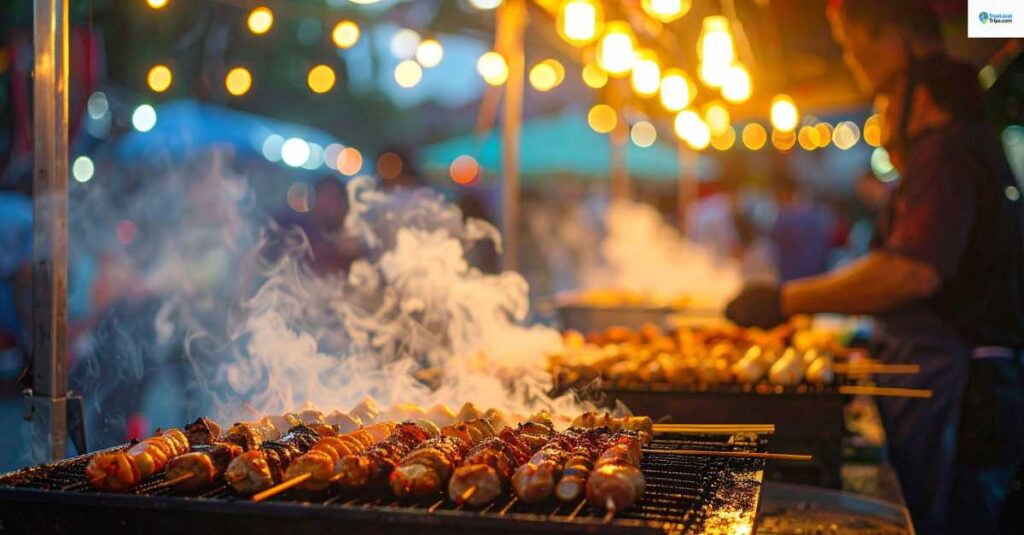
If you still have energy after all the caffeine, walk toward Malioboro or Alun-Alun to explore a local pasar malam (night market). Grab some street snacks, listen to live music, and enjoy Yogya’s nightlife before calling it a day.
By the end of this one-day trail, you’ll have tasted every side of Yogyakarta’s coffee culture — from mountain brews to modern cafés, from quiet mornings to lively nights. It’s more than a coffee crawl — it’s a full cultural journey in a cup.
Also Read: Best Traditional Markets in Yogyakarta (2025): What to Buy, When to Go & Bargaining Tips
FAQs About Coffee in Yogyakarta
1. What coffee is Yogyakarta most famous for?
Yogyakarta is best known for Kopi Joss — a traditional black coffee served with burning charcoal dropped directly into the cup. It’s smoky, bold, and a true local icon you must try near Tugu Station.
2. Are there coffee farms near Yogyakarta I can visit?
Yes. You can visit coffee farms in areas like Temanggung, Kaliurang, and Magelang, all within a few hours from the city. Some small farms offer guided tours where you can learn about growing, roasting, and brewing coffee directly from local farmers.
3. How much does coffee usually cost in Yogyakarta?
Prices range widely. A traditional kopi tubruk from a street stall can cost as little as IDR 5,000 (USD 0.30), while a handcrafted espresso from a modern café is around IDR 25,000–40,000 (USD 1.50–2.50). Most cafés are budget-friendly, even by local standards.
4. Do Yogyakarta cafés have Wi-Fi and workspaces?
Most modern cafés like Simetri, Ekologi Coffee, and No Sleep Club have reliable Wi-Fi and power outlets, making them perfect for digital nomads. However, traditional spots like Kopi Klotok and Klinik Kopi are meant for relaxation — no Wi-Fi, just coffee and conversation.
5. Is coffee in Yogyakarta strong?
Yes, especially traditional brews like kopi tubruk or kopi joss. They’re made with finely ground robusta or arabica beans and served unfiltered. If you prefer a lighter cup, ask for kopi susu (coffee with milk) or a pour-over at specialty cafés.
6. What’s the best time to visit cafés in Yogyakarta?
Mornings (7–10 AM) are best for peaceful views and cooler weather, while afternoons (3–6 PM) are great for meeting people and enjoying golden-hour light. Late-night cafés like No Sleep Club or kopi joss stalls are ideal if you want a lively, urban experience.
7. Can I buy coffee as souvenirs?
Absolutely. Local roasters like Simetri Coffee, Klinik Kopi, and Senyawa Coffee sell freshly roasted beans and drip packs. You can also find traditional ground coffee at Kopi Klotok or Pasar Beringharjo — perfect for bringing home a taste of Yogyakarta.
Conclusion — Wrapping Up Your Yogyakarta Coffee Journey
Yogyakarta’s coffee culture is more than just a trend — it’s a reflection of the city’s soul. From the smoky aroma of kopi joss near Tugu Station to the creative pour-overs in minimalist roasteries, every cup tells a story about people, passion, and place. It’s where tradition meets innovation, and where each sip feels like an invitation to slow down and connect.
If you follow this Yogyakarta coffee guide, you’ll experience the full range — the countryside calm of Kopi Klotok, the artistic energy of Senyawa Coffee, the professional craft at Simetri Roasters, and the late-night hum of No Sleep Club. You’ll also learn that coffee here isn’t just about caffeine — it’s about community. Locals don’t rush through their drinks; they share them with friends, discuss life, and create ideas over a cup that feels personal.
Whether you’re a traveler looking for inspiration, a digital nomad searching for your new favorite workspace, or a coffee lover chasing your next memorable brew, Yogyakarta welcomes you with open arms — and an endless stream of coffee.
So, the next time you’re in the city, don’t just order a latte and leave. Sit a little longer, listen to the soft conversations around you, and taste the warmth that makes Yogyakarta’s coffee scene so unforgettable.